
Stretching
flexibility training, stretch exercise, mobility training
Stretching is a process of straightening or extending a part of your body to improve your muscle elasticity, range of movement and tone. You can do it either at the beginning or end of a workout or as a practice on its own.
MoreLess
What is stretching?
Whether you’re adding a warm-up/cool-down stretch to your exercise routine or devoting your entire session to good old stretches for recovery and mobility, stretching your muscles is a wonderful thing to do for your body, no matter your age. And, it is just as important as your exercise routine.
Stretching helps you to improve your range of motion so that your muscles work most effectively, and may also help to decrease your risk of injury while improving your ability to do daily activities.
It keeps your muscles and joints healthy and can be done by almost anyone, regardless of your fitness level.
Are you ready to stretch those muscles?
Let us show you how!
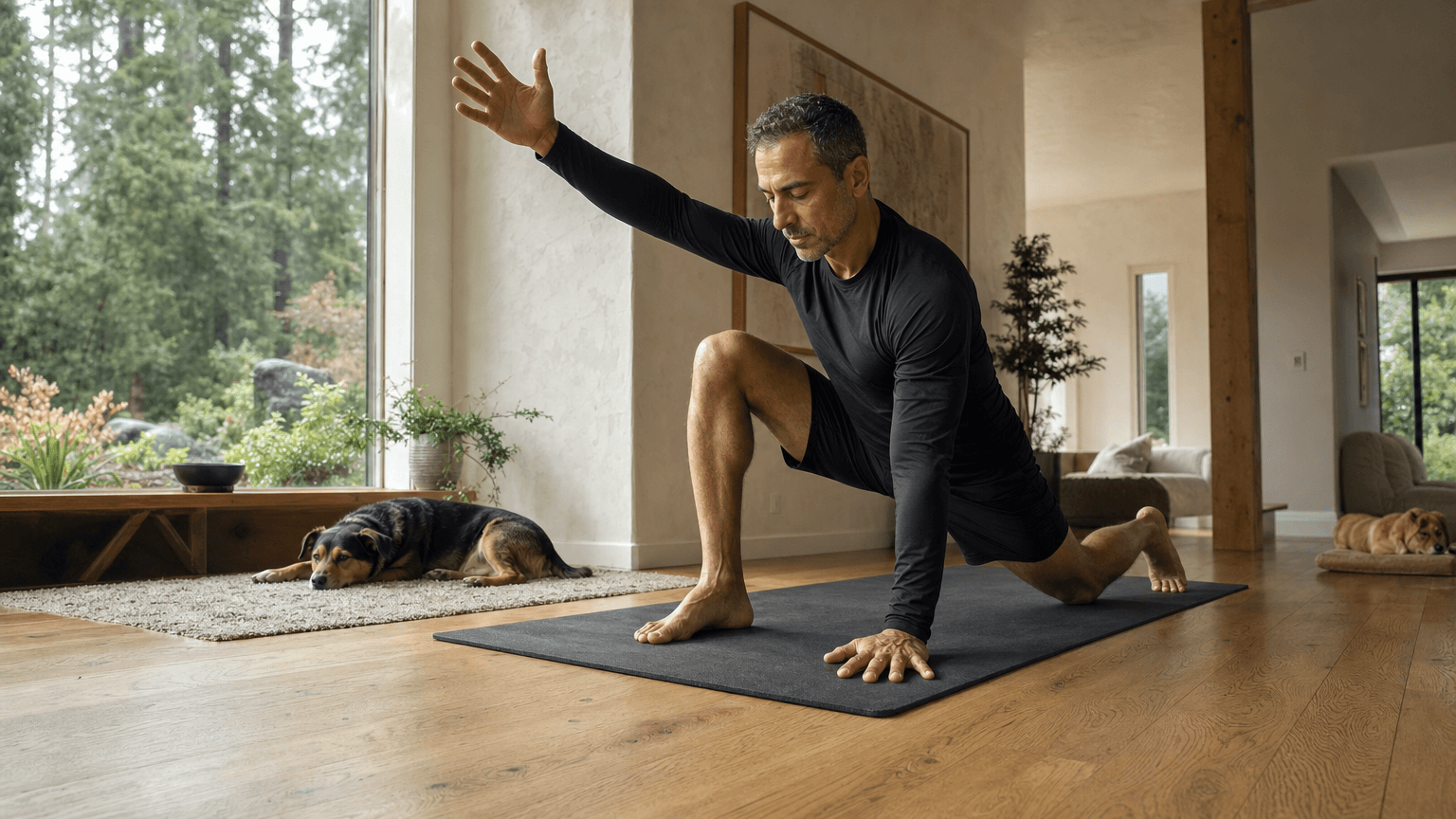
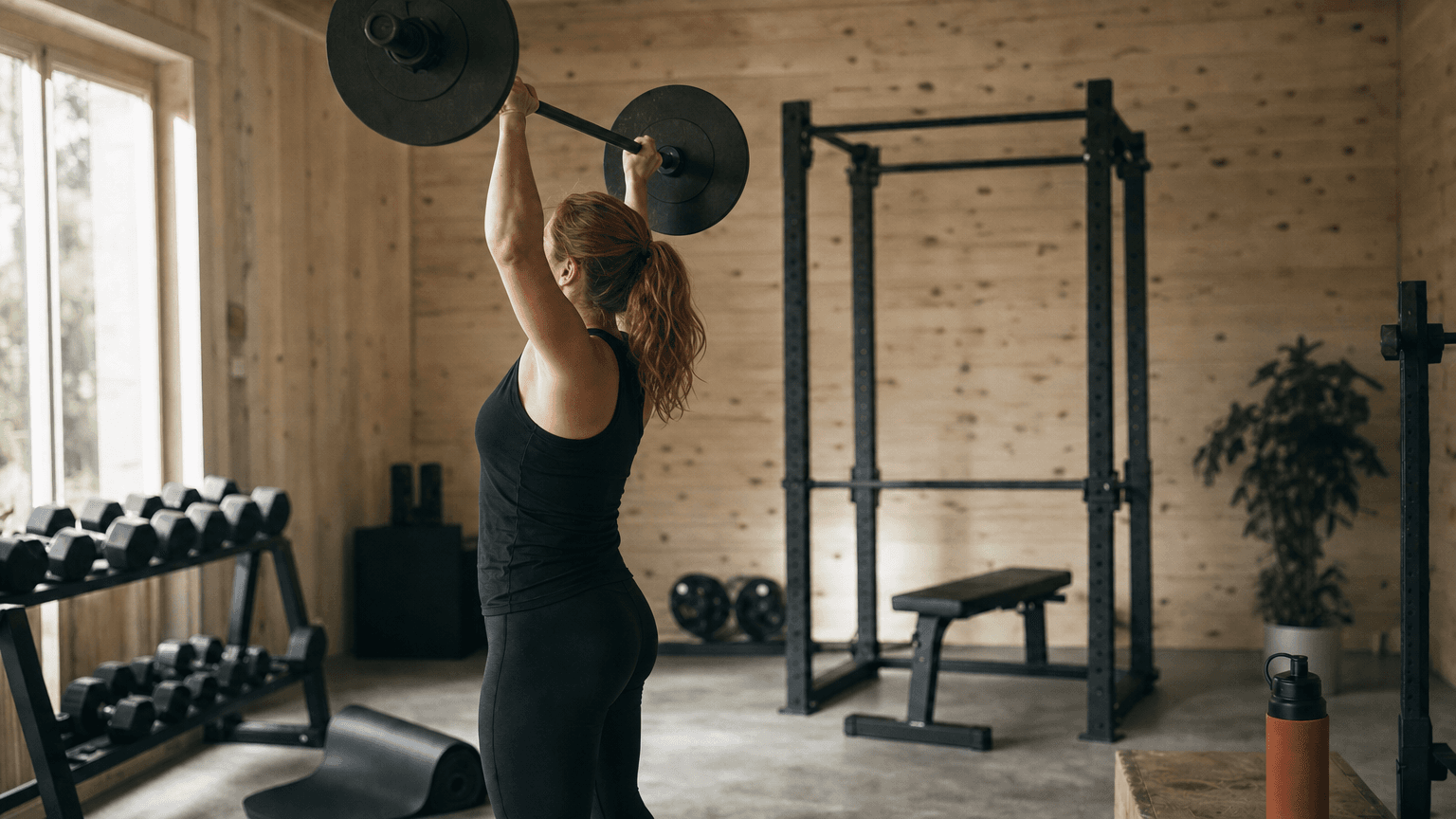
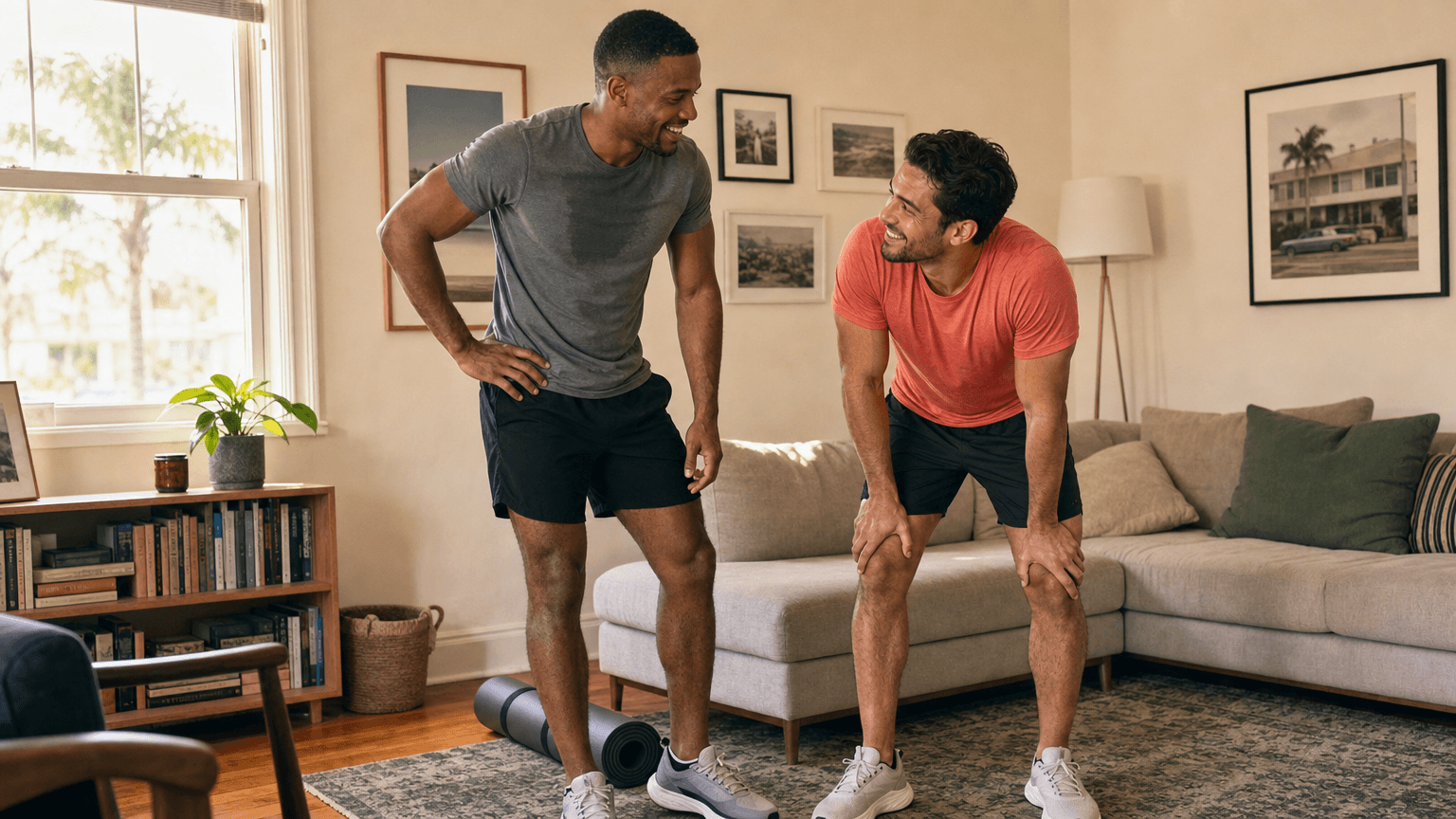
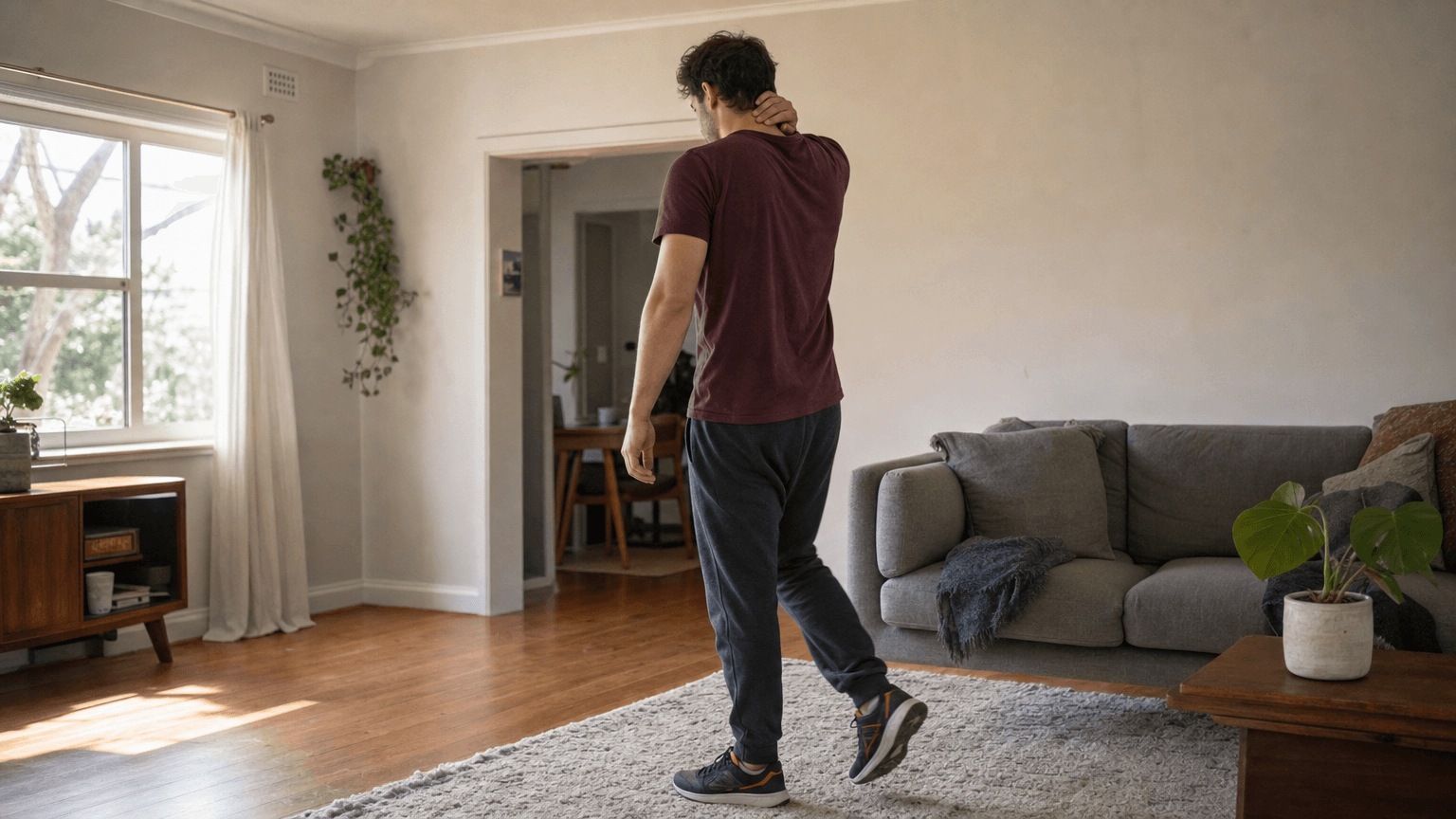
Bursts that feature stretching














Wellbeing benefits
Why stretching is good for you
Emerging research suggests that Stretching improves mobility and reduces tension. Regular practice may also enhance physical function, reduce stress and support sleep quality, though the evidence for this is not yet solid.
Stretching has been found to reduce stress and improve mood, contributing to better emotional wellbeing. Regular stretching can lead to decreased levels of anxiety and depressive symptoms (Imagawa et al., 2023).
Stretching has been linked to improved cognitive function and intellectual well-being by enhancing blood flow to the brain and promoting mental clarity. Regular stretching can improve focus and reduce mental fatigue (Edwards et al., 2018).
Buddying up while stretching can enhance social interaction and create a sense of community. And participating in stretching classes can improve social support and reduce feelings of loneliness (McAuley et al., 2000).
Stretching, particularly when combined with practices like yoga, can promote better attention and self-awareness. It helps individuals connect with their bodies and minds, and fosters a sense of calmness (Choudhary et al., 2019).
Stretching improves flexibility and range of motion, and reduces muscle stiffness, all of which are essential for physical health. It also enhances muscle performance and helps in the prevention of injuries (Capobianco et al., 2019).
Common styles
The main categories of stretching are:
Stand, sit or lie still and hold a single stretched position for up to 45 seconds, using your own body to provide resistance to the stretch.
Stay in one position for up to 45 seconds and relax your body while a partner, accessory or prop provides resistance to your stretch.
Use movement to provide a stretch, i.e. swinging your leg back and forth repeatedly will stretch your calves, quads, hamstrings and groin before a run.
Stretch and contract the muscle group you are targeting while a partner or prop applies resistance to inhibit the movement.
Self-led, one-on-one, or in a group
Whether you go it alone, join a group, or work 1:1 with a teacher, we’ve laid out what each path can look like.
Recommendation for first-timer
1st pick
Stretching on your lounge room floor at home is the easiest way to get started as a first timer, but make sure you read the safety guidelines before starting.
2nd pick
Coming second for a beginner is stretching with a physio, a fitness instructor or a PT. This option is for those who might need more tailored stretching programs designed to meet unique needs or goals.
3rd pick
Some Pilates and yoga studios offer stretch and mobility classes, however there are also a growing number of dedicated mobility-focused studios that offer stretching-specific sessions.
Availability
Widely
Easily accessible from your own home.
Widely
You may need to travel to a clinic, a PT studio or your gym, however this is easily accessible.
Widely
Most group fitness classes dedicate a stretching component to the beginning or end of each session, otherwise search for a stretching or mobility specific class near you.
Average cost per session
Free or low cost
There are many online zero cost stretching videos which can be streamed from your phone making this a free practice. The key is to find a reputable source.
Expensive
Hiring a PT, or seeing a physio can range between $50-$160 per session.
Free or low cost
If you can find a stretching specific group class IRL, they can potentially range between $10–$35 per session.
Special equipment required
None or minimal
Got a body? Well, then you can stretch! Stretching can be done without any special equipment.
However, if you’re wanting to add a resistance band and/or foam roller into your practice, you could expect to pay upwards of $35 to do so.
None or minimal
Some physios, instructors or PTs may encourage using a foam roller and/or resistance bands for stretches, however this will usually be provided by the clinic or studio for your session.
None or minimal
Some instructors may encourage using a foam roller and/or resistance bands for stretches, however this will usually be provided by the studio.
Potential for socialisation & community
Mostly solo
Stretching at home is usually a solo practice, so there is minimal opportunity for socialisation.
Social potential
A private 1:1 class with a physio or PT can provide both the benefits of solitude as well as a connection with your clinician or instructor.
Highly social
If you’ve found a group class, then there will be potential to develop connections with your classmates.
Safety & skill building
Safe & fast
- Stretching is relatively risk free and is meant to help prevent injury, however, listen to your body at all times to ensure a safe practice.
- You will need to make your own assessment on whether stretch progressions are suitable for you.
Safe & fast
- A physio or PT will provide instant feedback on form and technique for a safer practice.
- Your program will be tailored specifically to you, so your progress will improve at a greater rate than if on your own or in a group setting.
Safe & fast
- Instructors should catch form and technique errors, however class sizes may not always allow for this. Listen to your body at all times to ensure a safe practice.
- Options may be suggested for each stretch to build on your current flexibility.
Space or privacy required
Minimal
Find a room with enough space around you to stretch.
Minimal
Your physio or PT will ensure that you have the space and privacy that is suitable for your session.
Minimal
If stretching in a class setting, leave enough space between you and the next person to stretch without interference.
Ease of scheduling
Very flexible
You can individualise your practice to fit around your schedule.
Need to plan
Physios and PTs offer flexibility, however you will still have to choose from particular days and times.
Quite rigid
Class days and times are pre-scheduled so you may have to hunt around for a class and time that suits you.
Setup time
Little to none
Simply pull out your phone (or device of choice) and get started.
Up to 30 mins
Virtual session: Pull out your phone (or device of choice) and get started.
IRL? Consider:
- Driving to and from the studio or clinic.
- How long it will take to pay and discuss any needs with the instructor or specialist physician.
Over 30 mins
Consider:
- Driving to and from the studio.
- How long it will take to pay and discuss any needs with the instructor
Active practice time
Under 20 mins
Take as little or as long as you like! Simply stream a practice that suits how much time you have available.
Up to an hour
Sessions with a physio or PT usually run for between 30 and 60 minutes.
Up to an hour
Most classes run for between 45 to 60 minutes.
Unexpected advantages
Random
Stretch out and feel like you’ve grown an extra inch or two, even if just for a moment.
Actually useful
Your physio or PT can add a little weight behind your stretch to increase your range. You might not thank them at the time!
Wholesome
If your stretching neighbour is close enough you can talk quietly and catch up on each other’s news.
Academic research we rate
- Non-local Acute Passive Stretching Effects on Range of Motion in Healthy Adults: A Systematic Review with Meta-analysis
Full citationHide citation
- Acute Effects of Foam Rolling on Range of Motion in Healthy Adults: A Systematic Review with Multilevel Meta-analysis
Full citationHide citation
- The Effectiveness of Post-exercise Stretching in Short-Term and Delayed Recovery of Strength, Range of Motion and Delayed Onset Muscle Soreness: A Systematic Review and Meta-Analysis of Randomized Controlled Trials
Full citationHide citation
- The Efficacy of Stretching Exercises on Arterial Stiffness in Middle-Aged and Older Adults: A Meta-Analysis of Randomized and Non-Randomized Controlled Trials
Full citationHide citation
- Fourteen weeks of multicomponent training associated with flexibility training modifies postural alignment, joint range of motion and modulates blood pressure in physically inactive older women: a randomized clinical trial
Full citationHide citation
Show all 10 studiesShow fewer studies
- Stretching and Multicomponent Training to Functional Capacities of Older Women: A Randomized Study
Full citationHide citation
- Effect of Flexibility Training Associated with Multicomponent Training on Posture and Quality of Movement in Physically Inactive Older Women: A Randomized Study
Full citationHide citation
- Hold-relax and contract-relax stretching for hamstrings flexibility: A systematic review with meta-analysis.
Full citationHide citation
- Influence of static stretching on hamstring flexibility in healthy young adults: Systematic review and meta-analysis
Full citationHide citation
- Effects of stretching exercises on human gait: a systematic review and meta-analysis
Full citationHide citation
Safety
We know that you are almost ready to stretch it out. But before you do, there are some important things to keep in mind. Stretching is safe for most people, but these helpful tips will make sure that your first stretch will be the first of many.
- Listen to your body, start gradually and practise with care to minimise risks. If you are pregnant or have a health condition, we recommend consulting with your healthcare provider.
- Begin with a warm up.
- Use correct techniques and seek professional guidance if unsure.
What you might experience
So you’re on your lounge room floor and ready to stretch. Is it going to be easy? Maybe, maybe not. However, like in other practices, there are levels to stretching. As you improve your flexibility, you can add some tweaks to make it a deeper stretch.
Not able to feel a particular stretch? Go back and have another listen to the verbal cues, or visually check that you’re moving as instructed. Sometimes the slightest adjustment can make a huge difference.
Different parts of your body will be more flexible than other parts, and you may notice this as you move through each stretch. This is completely normal. With practice, you can increase your flexibility and improve your range of movement through each stretch.
Feeling a little frustrated that you aren’t as stretchy as the instructor in the video? Just remember that everyone is different and that genetics, gender and even how long you have been exercising will all make a big difference from person to person. Try not to compare yourself to others.
Whether you were stretchier than you thought, or surprised by the challenge that stretching different parts of your body provided, you did it – you stretched! Now off you go and enjoy those stretchy, feel-good benefits.
Check it out


Want to try stretching alongside some other activities?
You don't have to build a routine from scratch. Every Burst is a ready-made plan you can schedule in a couple of taps.