
Resistance training
strength training, weight training, muscle building
Resistance training builds strength and muscle through exercises that use weights, resistance bands or body weight to improve overall fitness and health. It’s a great activity for all fitness levels and ages.
MoreLess
What is resistance training?
Resistance training, often referred to as strength training or weightlifting, is one of the best ways to build muscle, improve strength and boost metabolism. It's highly adaptable, meaning people of all fitness levels can benefit, whether you're lifting weights or simply using your body weight for resistance. Resistance training doesn’t just help in the gym – it enhances your ability to perform everyday activities, like lifting groceries or climbing stairs. After a session, you’ll feel a sense of accomplishment and strength, both physically and mentally.
Are you ready to get strong? Let’s dive into the world of resistance training and get started!
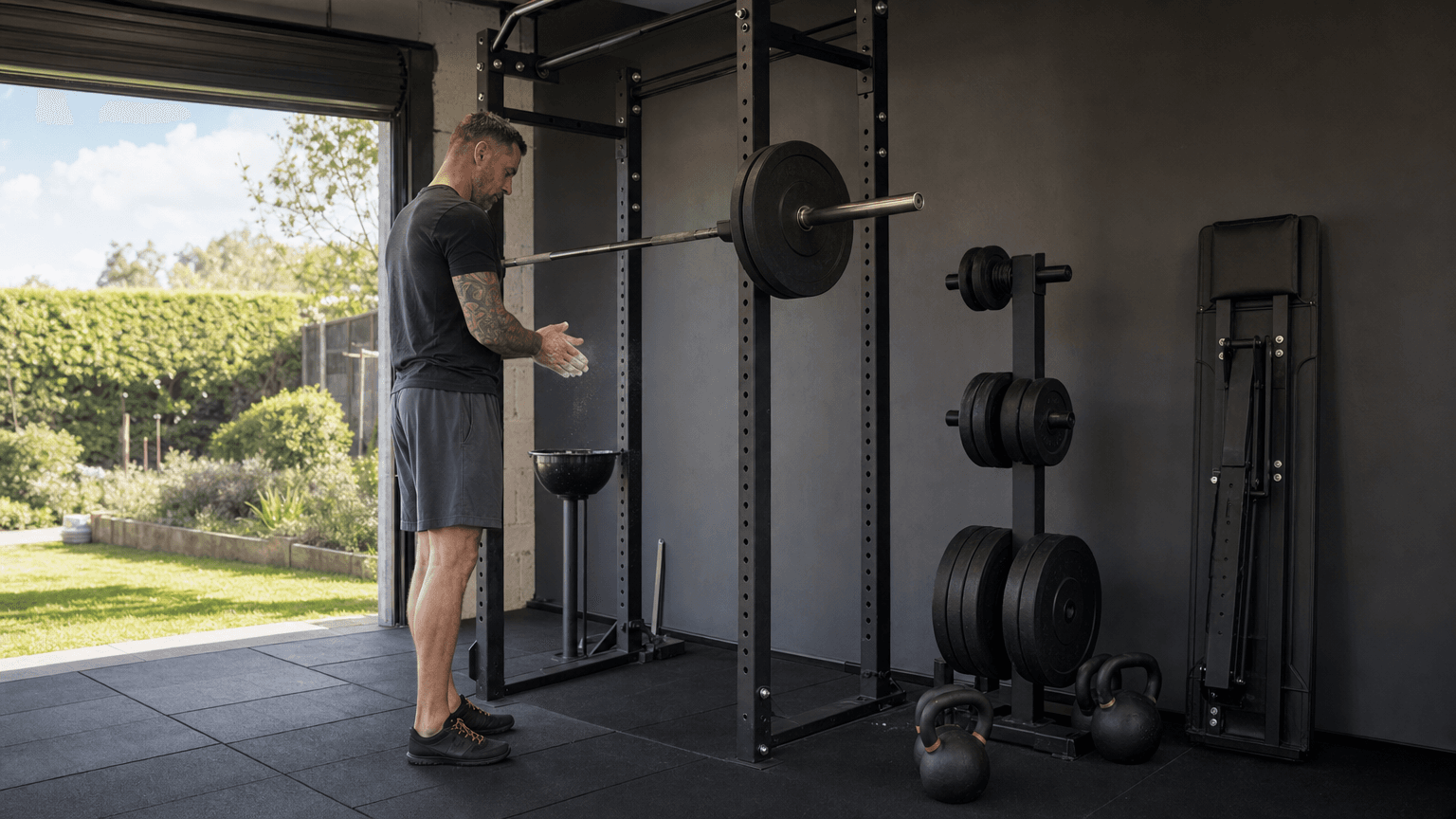
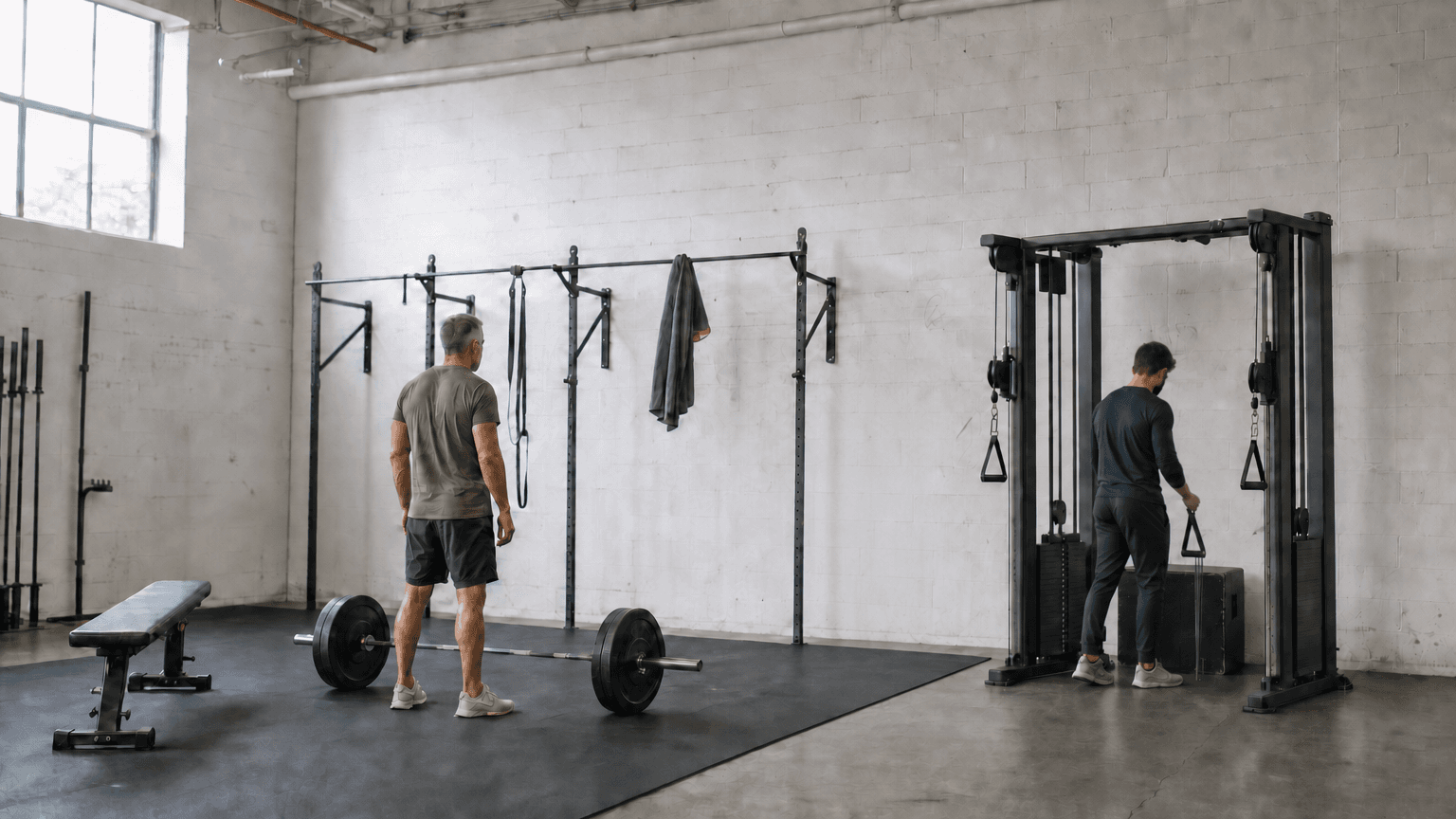
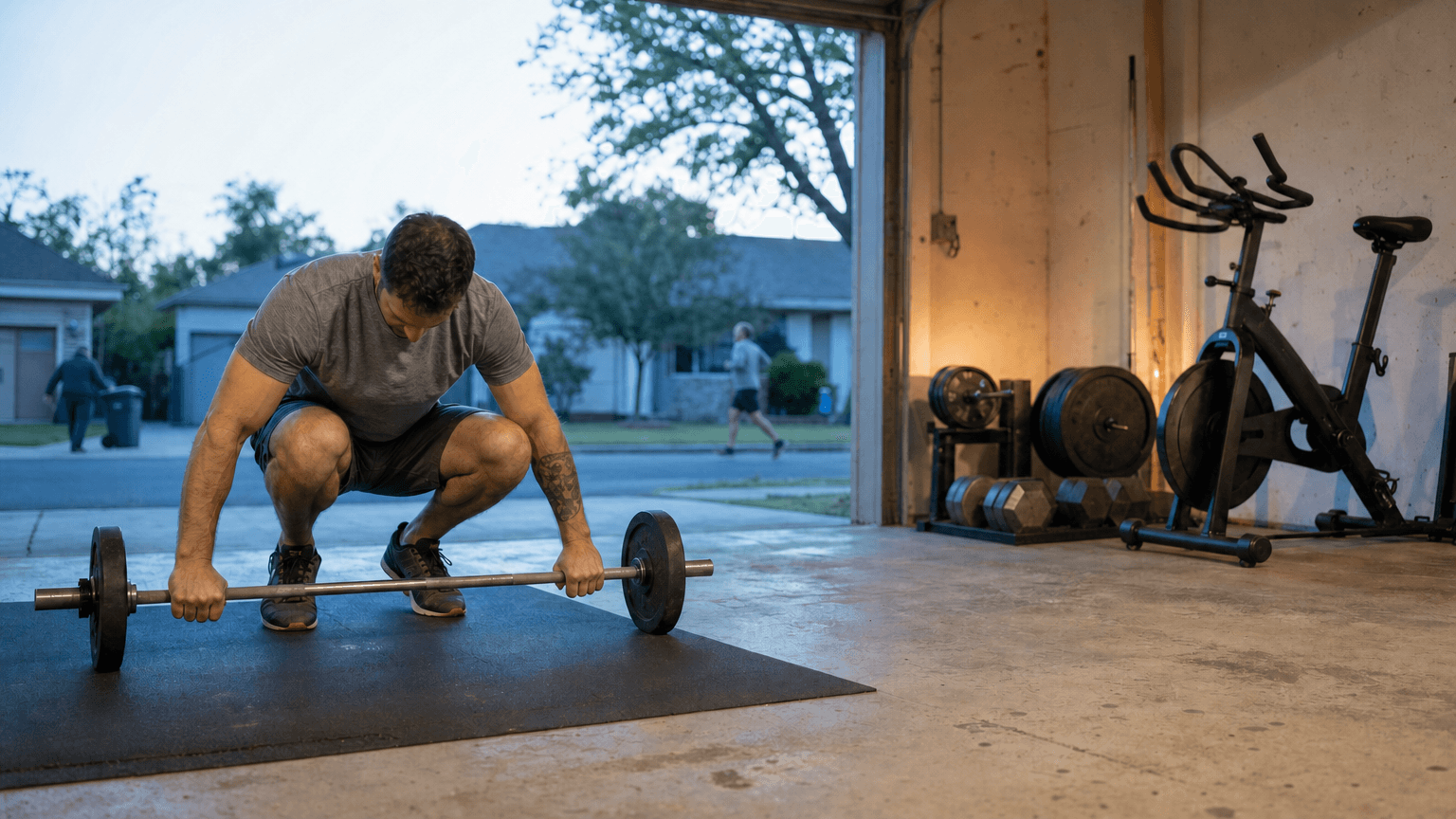
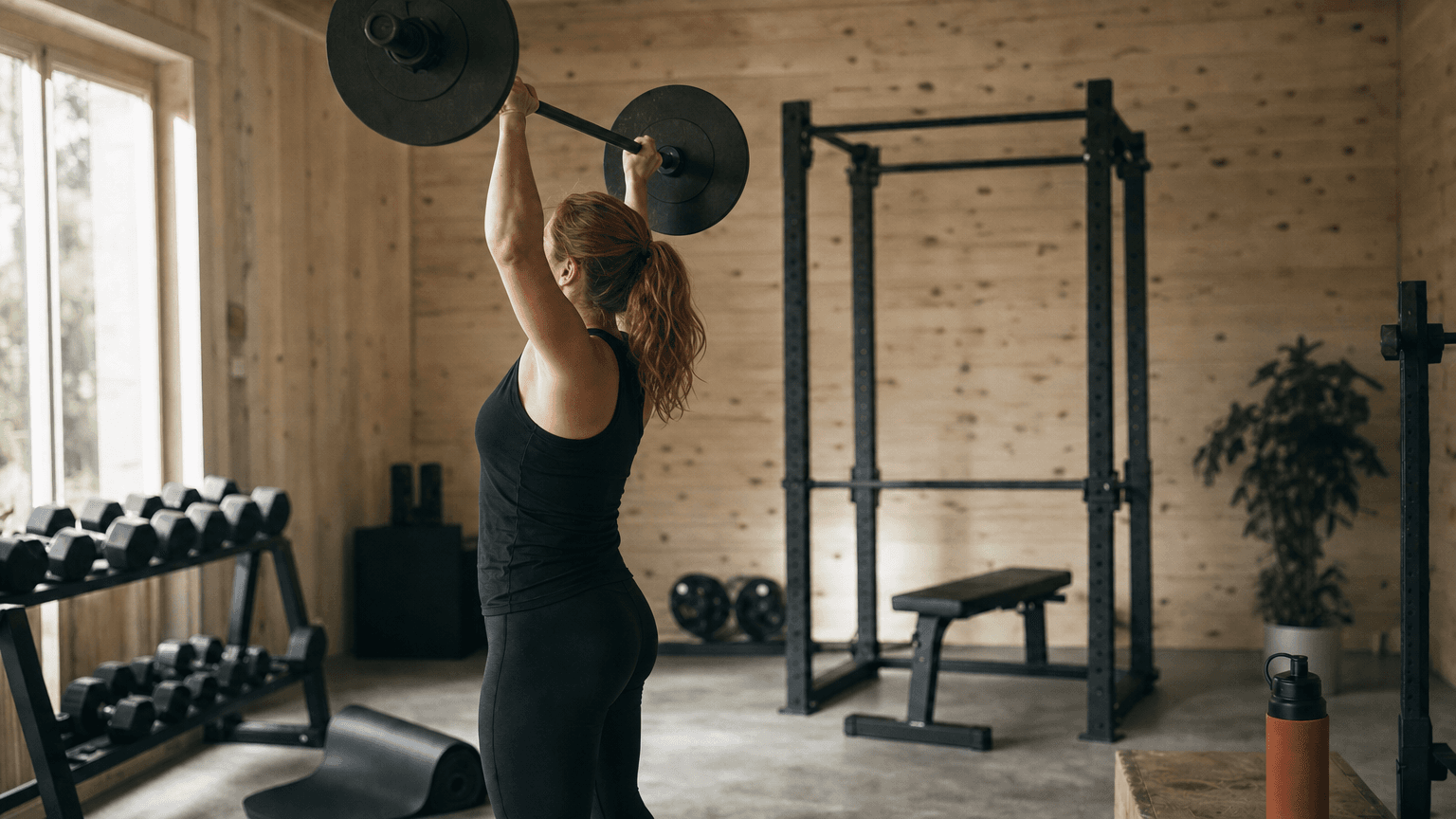
Bursts that feature resistance training








Wellbeing benefits
Why resistance training is good for you
Resistance training builds strength and boosts energy. Regular lifting enhances focus, improves mood and increases stress resilience.
Regular resistance training should lead to a significant increase in positive emotional states and a decrease in negative effects, such as anxiety and depression, especially in older women (Ericson et al., 2018).
Resistance training improves muscle strength, muscle mass and functional performance, which are critical for maintaining your physical health and preventing age-related decline. It enhances your energy, reduces your body fat and increases your insulin sensitivity, contributing to better metabolic health (Hunter et al., 2004).
Adding weights into your regular practice enhances self-efficacy and body image, which contributes to a better sense of self and overall wellbeing. You may even experience feelings of increased strength, resilience and personal empowerment (Gluchowski et al., 2018).
Resistance training can enhance your social interactions and reduce your feelings of loneliness, particularly when conducted in group settings. Those who participated in group resistance training programs even reported higher motivation and enjoyment due to social engagement (Pedersen et al., 2017).
Starting a resistance training practice means you will learn new skills and techniques, which can improve your cognitive functions and enhance your intellectual wellbeing. The structured nature of resistance training also promotes discipline and consistency, which are beneficial for your cognitive health (Brady & Straight, 2014).
Common styles
As you explore resistance training and prepare for your first session, you may encounter various styles. The key considerations for choosing the right style are your fitness level, goals and your personal preferences. Here are some popular styles of resistance training to help you get started:
Dumbbells, barbells and kettlebells are ideal for building overall strength and flexibility as they engage stabilising muscles and improve coordination. Exercises include squats, deadlifts and bench presses.
Bands are great for home workouts and can add intensity to body weight exercises. They come in various resistance levels, making them suitable for all fitness levels. Exercises include banded squats, rows and chest presses.
Use your body weight as resistance e.g., push-ups, pull-ups and squats. Excellent exercises for improving functional strength and can be done anywhere, making them perfect for beginners and those without access to equipment.
These guide your movements, making it easier to maintain proper form. They are great for beginners learning the basics of resistance training and those looking to isolate specific muscle groups. Exercises include leg presses, chest presses and lat pulldowns.
Self-led, one-on-one, or in a group
Whether you go it alone, join a group, or work 1:1 with a teacher, we’ve laid out what each path can look like.
Recommendation for first-timer
2nd pick
In second place, this is a great option for you if you prefer to learn at your own pace and have a busy schedule.
It offers flexibility and convenience, but it also demands more self-discipline and commitment to learning than the other two options for skill progression.
3rd pick
Coming in at third place, 1:1 sessions are ideal if you prefer or require personalised attention and tailored guidance, and also if you want a solid foundation to work out effectively and correctly to achieve your goals.
1st pick
Our recommended first choice for beginners.
Practising in a group environment is a great option to learn the form and techniques required to practice safely.
Classes will provide structured guidance, immediate feedback, motivation, and a supportive environment.
Availability
Widely
Available anytime you want to train through numerous online resources such as apps, videos, programs or articles. Perfect if you need to squeeze a training session into your unpredictable or demanding schedule.
Moderately
Flexible scheduling times will be available through personal trainers either in-person at a gym, a fitness studio, or virtually.
This means you will be able to find and book a session convenient for you.
Widely
Resistance training classes are increasingly popular at the gym, as are outdoor boot camps which either focus solely on resistance training or a mix of resistance training and cardio.
With so many options available, you will easily be able to find a session that suits your schedule.
Average cost per session
Free or low cost
On a budget? There are many free (or low cost) apps or online videos available, making your home resistance training practice either zero cost or relatively inexpensive.
Expensive
Private 1:1 sessions can cost between $50-$150 per session, depending on the instructor and venue, and also on the package that you are choosing.
These 1:1 sessions are a higher cost, but they offer tailored benefits.
Free or low cost
Classes cost between $10-$30 per class, depending on the venue and instructor.
Gyms and some fitness studios offer memberships or class packages at a discounted rate.
Special equipment required
None or minimal
You can use your body weight - for free!
However, if you do want to use weights, you may want to consider a fitness mat ($30-$60), the weights ($10-$74 a set), or a resistance band ($17-$57).
Alternatively, you can substitute household items for weights if you can do so safely.
None or minimal
Your PT will usually provide any necessary items for your private workout session, however, you may want to consider taking a sweat towel.
None or minimal
The studio will provide any necessary items for your workout, however, you should always bring a sweat towel and your water bottle.
Potential for socialisation & community
Mostly solo
Limited, but online resistance training forums and groups can help to provide support and a sense of community.
Mostly solo
Low, but offers a connection with the instructor. 1:1 sessions focus on individual progress rather than social interaction.
Highly social
High, with opportunities to meet like-minded individuals and build a support network.
Group classes often foster a sense of camaraderie and shared progress.
Safety & skill building
Consider risks
It will be up to you to pay close attention to any verbal cues offered to minimise injury.
You will be making your own assessment of whether weight or technique progressions are suitable for you.
Safe & fast
A private instructor will provide instant feedback on form and technique for a safer practice.
A private session is tailored specifically to you, so your progress will improve at a greater rate than if on your own or in a group setting.
Mixed results
It is part of the instructor's role to catch form and technique errors, however, class sizes may not always allow for this.
Advanced steps or techniques should be suggested during the training session to build on your current skill levels.
Space or privacy required
Lots required
Find a suitable room with space around you to train without interference.
Lots required
A 1:1 session may be conducted in a private or a public setting and choosing the location will be part of your initial discussion with the PT.
If practising online at home, you will need to find a suitable room with plenty of space around you to train without interference.
Minimal
Your practice will be conducted in a shared space where privacy may vary, but the focus will be on the collective practice.
Ease of scheduling
Very flexible
This option is extremely flexible and fits into any schedule. You can practise whenever you choose to.
Need to plan
You will be scheduling your practice directly with the PT, however, you should be able to choose from times that fit your schedule.
Need to plan
Scheduled class times may limit flexibility, but will provide a structured routine. Consistent class times can help establish a regular practice habit.
Setup time
Little to none
Minimal setup required. Just change clothes if needed, prepare your exercises and start training.
Over 30 mins
Doing it online?
- Find a suitable spot and grab any weights or bands you’ll need.
Doing it privately in a fitness studio or gym?
Consider:
- Driving to and from the studio or gym.
- How long it will take to pay and discuss any needs with the personal trainer.
Over 30 mins
Consider:
- Driving to and from the studio.
- How long it will take to pay and discuss any needs with the trainer.
- How long it will take to grab weights and settle in.
Active practice time
Under 20 mins
Whether you have time for a quick 10-minute session or a longer 30-minute practice, you will be able to choose flexible session lengths to fit your schedule.
An hour +
A private PT session will run for between 60 to 90 minutes.
Up to an hour
Most classes run for between 30 to 60 minutes.
Unexpected advantages
Random
You’ll be able to blast your favourite tunes without worrying about anyone else's music preferences.
Random
Nothing makes you more motivated than someone watching every lift.
Random
You’ll all be going through the same thing so you can offer supportive looks to each other.
Academic research we rate
- The Effects of Resistance Exercise Training on Anxiety: A Meta-Analysis and Meta-Regression Analysis of Randomized Controlled Trials
Full citationHide citation
- Exercise interventions for cognitive function in adults older than 50: a systematic review with meta-analysis
Full citationHide citation
- Resistance training effectiveness on body composition and body weight outcomes in individuals with overweight and obesity across the lifespan: A systematic review and meta‐analysis
Full citationHide citation
- Association of Efficacy of Resistance Exercise Training With Depressive Symptoms: Meta-analysis and Meta-regression Analysis of Randomized Clinical Trials
Full citationHide citation
- The effect of three different exercise training modalities on cognitive and physical function in a healthy older population
Full citationHide citation
Show all 10 studiesShow fewer studies
- Effects of a 9-month resistance training intervention on quality of life, sense of coherence, and depressive symptoms in older adults: randomized controlled trial
Full citationHide citation
- Effects of 6 Weeks of Traditional Resistance Training or High Intensity Interval Resistance Training on Body Composition, Aerobic Power and Strength in Healthy Young Subjects: A Randomized Parallel Trial
Full citationHide citation
- The effect of resistance training on health-related quality of life in older adults: Systematic review and meta-analysis
Full citationHide citation
- Lifting cognition: a meta-analysis of effects of resistance exercise on cognition
Full citationHide citation
- Psychological Responses to Acute Aerobic, Resistance, or Combined Exercise in Healthy and Overweight Individuals: A Systematic Review
Full citationHide citation
Safety
You are probably ready to head straight to the gym and grab some dumbbells. But before you do, there are some important things to keep in mind. Resistance training is safe for most people, but these helpful tips will make sure that your first weights session will be the first of many.
- Listen to your body, start gradually and practise with care to minimise risks. If you are pregnant or have a health condition, we recommend consulting with your healthcare provider.
- Begin with a warm up.
- Start with lighter weights to learn the movements before gradually increasing the load.
- Stop if you experience sharp pain, dizziness or unusual discomfort.
- Stay hydrated and wear appropriate footwear.
- Use a spotter for heavy lifts to ensure safety.
What you might experience
At the beginning of your first group class, you may feel a mix of nerves and excitement. This is completely normal when starting something for the first time.
You might be surprised by the heaviness of even the light weight as you train. However, this initial challenge will wake up your muscles and is a crucial part of getting stronger. And, as you get stronger, we promise they won’t feel as heavy. Until you up your weights, of course.
You might be feeling a bit unsure about the position you have to put your body in while you lift. However, trust your instructor, as they know what they are doing. Although they are leading the class, they will be aiming to focus on ensuring you have the right technique to be able to lift safely, and also to isolate the right muscles so that they are targeted effectively.
By the middle of your workout, you should start to find your rhythm. Your form will have improved now that you know how to move, and you should feel a little stronger and more confident once you realise what your body can do.
Towards the end of your session, your muscles will likely be burning and tired. That's a good sign! It means you're pushing yourself and your body, and that you’re making real progress. This part of the workout is what will help build your endurance and strength.
After finishing your workout, you'll likely feel a sense of pride and accomplishment. While you might be tired—and perhaps surprised by the intensity of the instructor's session—you may also feel a newfound strength. To help your body recover, your instructor may suggest a cool-down walk or some gentle stretches for the class.
Check it out


Want to try resistance training alongside some other activities?
You don't have to build a routine from scratch. Every Burst is a ready-made plan you can schedule in a couple of taps.