
Yoga
Hatha yoga, Iyengar yoga, restorative yoga, Vinyasa yoga, Kundalini yoga, Ashtanga yoga, Bikram yoga
Yoga is a mind and body practice combining physical postures, breathing exercises and meditation to improve overall wellbeing.
MoreLess
What is yoga?
Imagine stretching out your body on a mat, feeling the tension melt away with each pose and your mind becoming clearer with every breath. Sounds great, right?
Yoga is an ancient and soothing practice in which the mind and body unite in balance. It is much loved globally, and its popularity stems not only from its many benefits but also from its inclusive nature.
It blends physical postures, breathing exercises and meditation to create balance and calm, so whether you are looking to boost flexibility, ease your stress or find calm amidst the chaos, incorporating yoga into your wellness journey will be greatly beneficial.
Are you ready to move your body and soothe your mind with yoga?
Let us show you how!
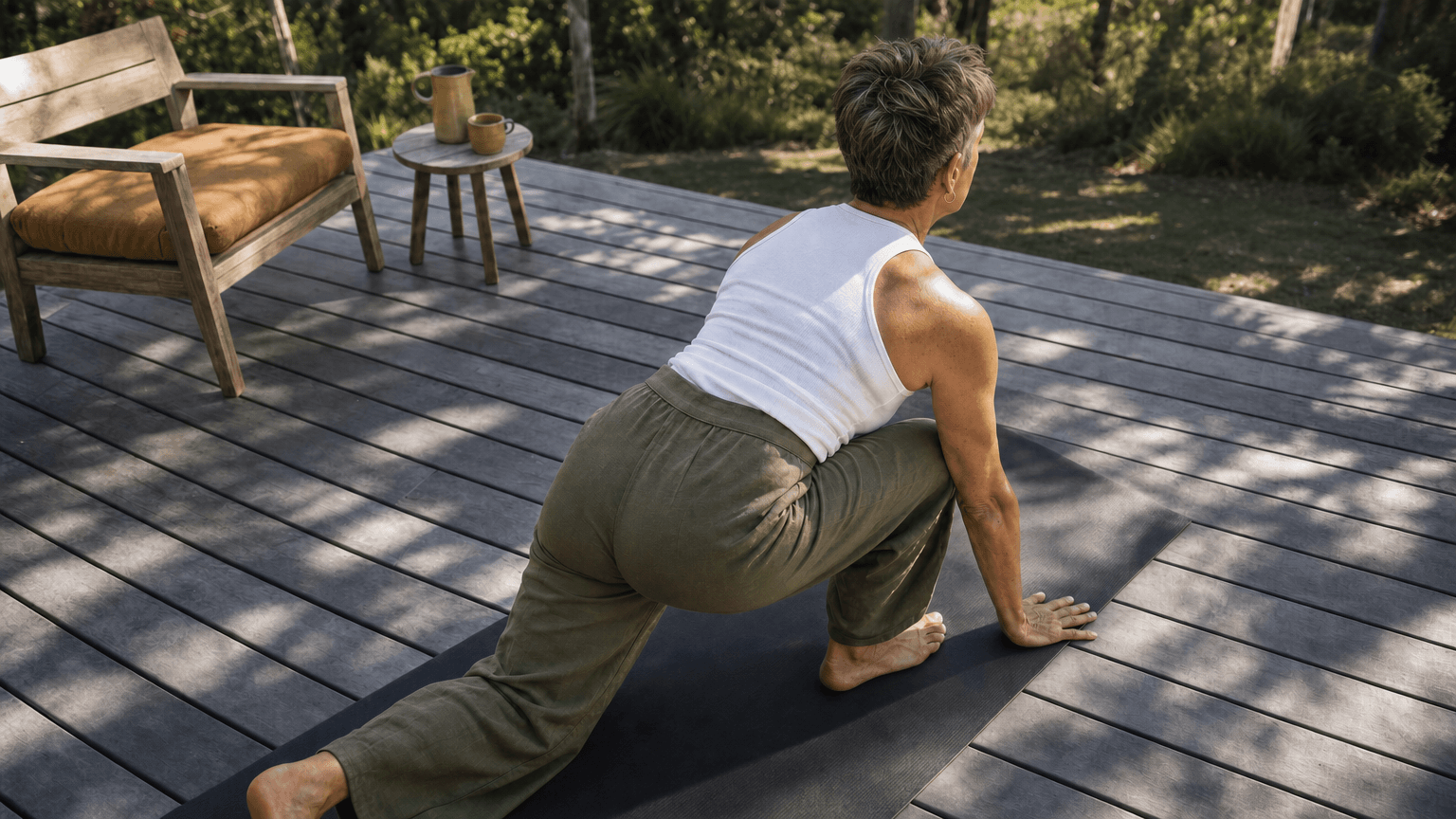
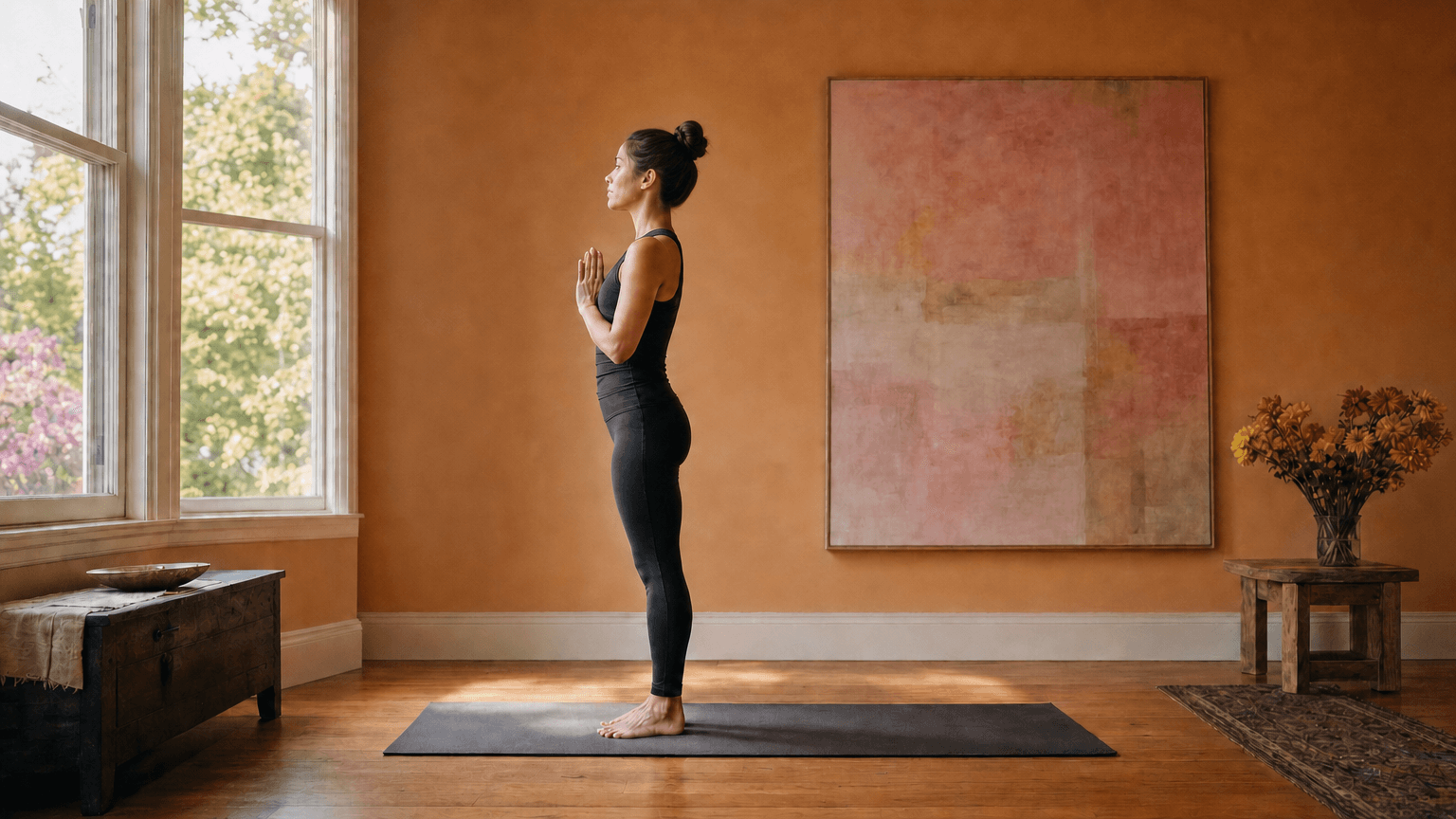
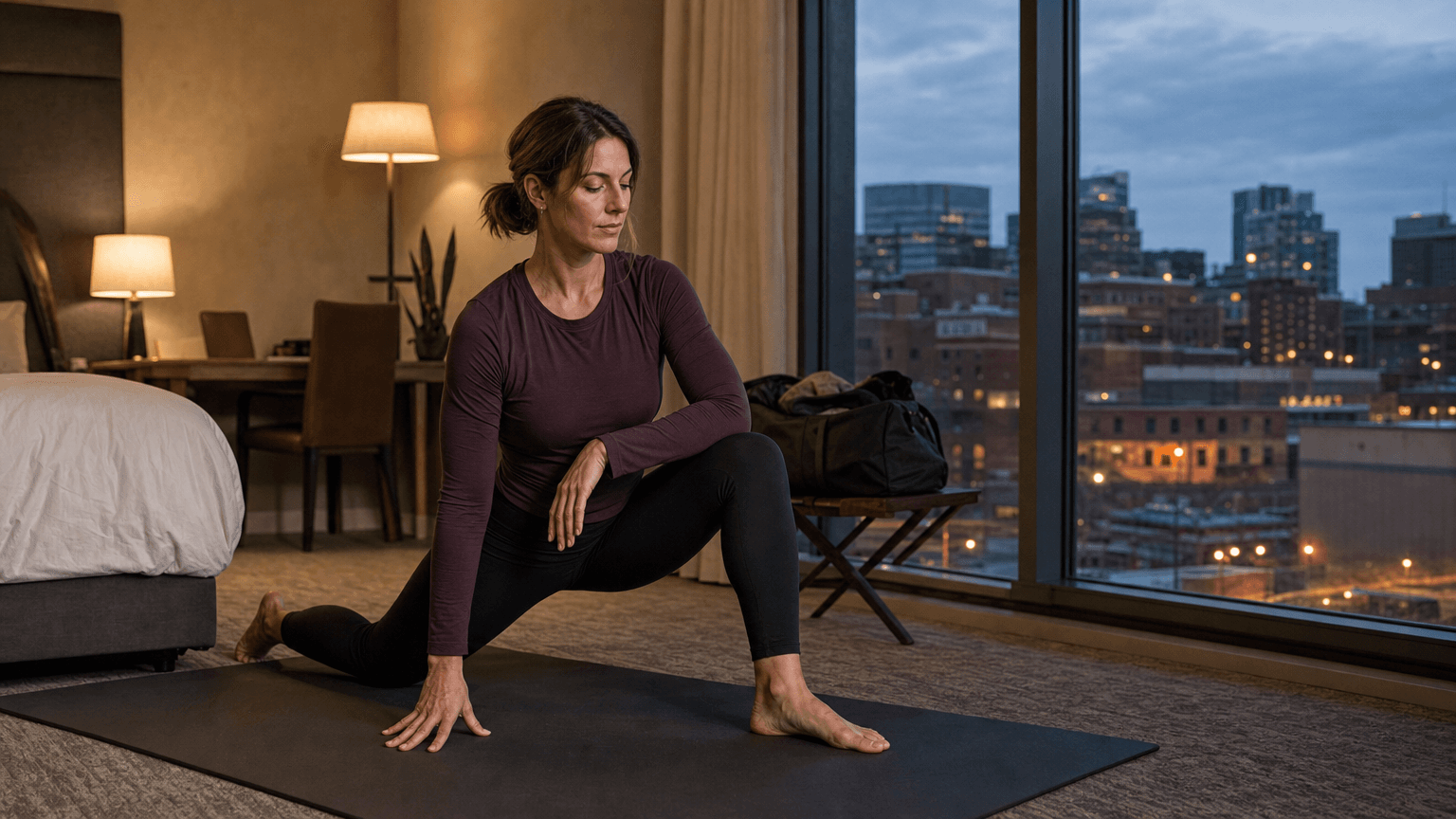
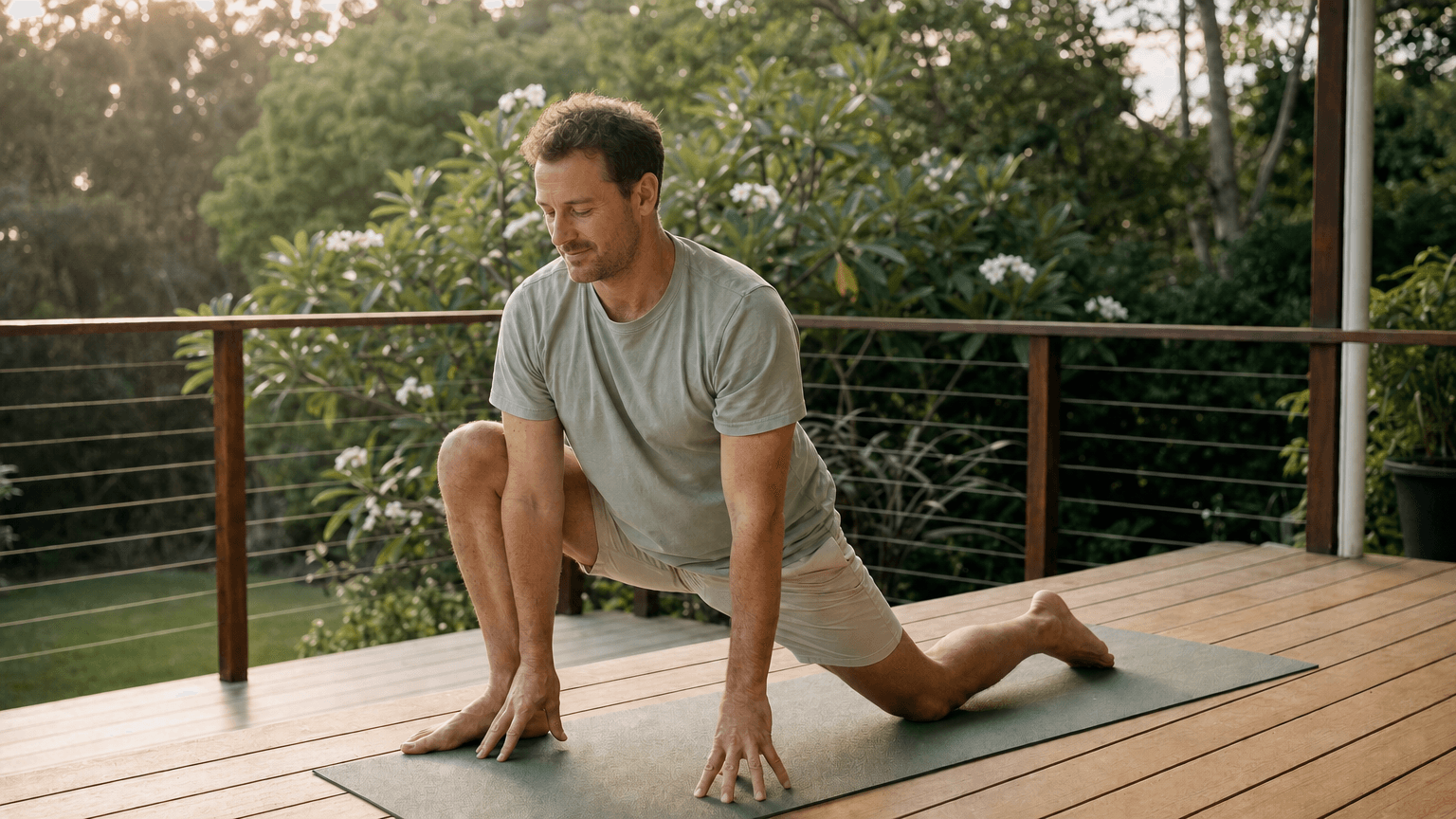
Bursts that feature yoga
Wellbeing benefits
Why yoga is good for you
Yoga steadies emotions and improves physical function. Regular practice can enhance focus, reduce stress effectively and improve flexibility.
Yoga has been shown to enhance muscle strength, range of motion and respiratory function, and reduce blood pressure (Vogler et al., 2011). While beneficial for all ages, yoga has particular benefits in older adults, as it improves their health-related quality of life and physical functioning (Patel et al., 2012).
Yoga can help to significantly reduce symptoms of anxiety, depression and anger. In fact, those who practise yoga report better overall emotional stability compared to those who do not engage in yoga (Haseena, 2011).
Yoga has been associated with improved cognitive function, including better attention, memory, executive function and intellectual growth thanks to its calming, meditative aspects (Gothe et al., 2019).
Yoga can foster a sense of connection, calmness and purpose, assisting with internal growth through mindfulness and meditation techniques (Haseena, 2011).
Yoga’s communal environment enhances social interaction and support among participants (Hendriks et al., 2017), giving you a sense of belonging and connection.
Common styles
As you explore yoga and move towards doing your first session, you'll encounter various styles with names that might not give you much insight into how they differ. The key consideration for choosing the right style is your fitness level:
Hatha, Iyengar or Restorative yoga for a gentle introduction.
Vinyasa or Kundalini yoga for a balanced challenge.
Ashtanga, Power, or Bikram yoga for an intense, physically demanding practice
Self-led, one-on-one, or in a group
Whether you go it alone, join a group, or work 1:1 with a teacher, we’ve laid out what each path can look like.
Recommendation for first-timer
2nd pick
Beginners can safely start yoga at home by choosing gentle styles, following beginner-friendly videos, creating a calm space, focusing on simple poses and breathwork and practising regularly without pushing beyond comfort
3rd pick
A great option if you are after a more personalised practice with a focus on form and technique to accelerate your practice and meet your goals.
1st pick
Our top recommendation for beginners, especially if seeking motivation, connection, support and guidance from real-life humans.
Once you master the technique safely then you can confidently move to a home practice.
Availability
Widely
Apps and online videos make yoga accessible anytime. Simply grab your phone or device of choice, and practise wherever and whenever suits you best.
Moderately
Flexible scheduling times will be available through private instructors and some studios. This should allow you to find sessions that are convenient for you.
Widely
Yoga is offered at local studios, gyms and community centres with pre-scheduled class times for consistency. You’ll need to search for a class and time that suits you, but there will be many to choose from.
Average cost per session
Free or low cost
On a budget? There are many free (or low cost) apps or videos available, making your home yoga practice relatively inexpensive and budget-friendly.
Moderate costs
Private 1:1 classes can cost between $50-$150 per session, depending on the instructor and location.
Personalised scripts and 1:1 attention do come at a higher cost, but they also offer tailored benefits.
Free or low cost
Classes cost between $10-$20 per class, depending on the location and instructor.
Some places even offer memberships or class packages at a discount.
Special equipment required
None or minimal
No special equipment is needed, though we do recommend a yoga mat ($30-$60) and comfortable clothing. You can use props like blocks and straps which will cost around $20-$40, but only if desired.
None or minimal
A yoga mat, comfortable clothing, and any props suggested by your instructor may be required, however, your instructor should provide specialised equipment for you.
None or minimal
The class setting will usually provide any necessary items that will make your practice more comfortable, like a mat, block or straps.
Potential for socialisation & community
Mostly solo
Limited, but online yoga forums and groups can help to provide support and a sense of community.
You can even join virtual yoga groups or discussion boards if missing that socialisation around your practice.
Mostly solo
Low, but offers a strong personal connection with the instructor. One-on-one sessions focus on individual progress rather than social interaction.
Highly social
High, with opportunities to meet like-minded individuals and build a support network.
Group classes often foster a sense of camaraderie and shared progress.
Safety & skill building
Consider risks
It will be up to you to pay close attention to the verbal cues offered to minimise injury.
You will be making your own assessment of whether posture progressions are suitable for you.
Safe & fast
A private instructor will provide instant feedback on form and technique for a safer practice.
A private session is tailored specifically to you, so your progress will improve at a greater rate than if on your own or in a group setting.
Mixed results
It is part of the instructor's role to catch form and technique errors, however, class sizes may not always allow for this.
Advanced steps or techniques should be suggested during the routine to build on your current skill levels.
Space or privacy required
Lots required
Find a room free from distraction with plenty of space around you to stretch.
Lots required
A 1:1 class is conducted in a private setting, ensuring maximum privacy and comfort. This is ideal for those who prefer a 1:1 environment without distractions.
If practising online at home, you will need to find a room with enough space around you to move.
Also, as your instructor will not be physically present when online, you will need to pay careful attention to what you are feeling and communicate with the instructor.
Minimal
Leave enough space between your mat and the next person to move without interference.
Ease of scheduling
Very flexible
You can easily practice yoga at home around your busy schedule, making this a great option.
Need to plan
You will be scheduling your practice directly with the instructor, however you should be able to choose from times that fit your schedule.
Need to plan
Scheduled class times may limit flexibility, but will provide a structured routine. Consistent class times help establish a regular practice habit.
Setup time
Little to none
Simply pull out your yoga mat and your phone (or device of choice) and get started.
Over 30 mins
Doing it online?
Pull out your yoga mat and phone (or device of choice) and get started.
Doing it privately in a studio?
Consider:
- Driving to and from the studio.
- How long it will take to pay and discuss any needs with the instructor.
Over 30 mins
Consider:
- Driving to and from the studio.
- How long it will take to pay and discuss any needs with the instructor.
- How long it will take to grab props and settle in.
Active practice time
Under 20 mins
Whether you have time for a quick 15-minute session or a longer practice, you will be able to choose flexible session lengths to fit your schedule.
An hour +
A private yoga class runs for between 60 to 90 minutes depending on the instructor and the flow of their session plan.
An hour +
Most classes run for between 30 to 90 minutes, with time for meditation at the end.
Unexpected advantages
Random
You can talk to yourself out loud while holding poses (and probably give yourself excellent advice, too), and no one will hear it.
Actually useful
You might learn personalised techniques that resonate uniquely with you and elevate your practice.
Wholesome
You can build a sense of community and camaraderie that extends beyond the mat.
Academic research we rate
- The effects of yoga compared to active and inactive controls on physical function and health related quality of life in older adults- systematic review and meta-analysis of randomised controlled trials
Full citationHide citation
- The Effect of Meditation on Health: a Metasynthesis of Randomized Controlled Trials
Full citationHide citation
- A systematic review of in vivo stretching regimens on inflammation and its relevance to translational yoga research
Full citationHide citation
- How does yoga reduce stress? A systematic review of mechanisms of change and guide to future inquiry
Full citationHide citation
- Systematic Review for the Medical Applications of Meditation in Randomized Controlled Trials
Full citationHide citation
Show all 10 studiesShow fewer studies
- Overview of systematic reviews: yoga as a therapeutic intervention for adults with acute and chronic health conditions
Full citationHide citation
- Effects of yoga on well-being and healthy ageing: study protocol for a randomised controlled trial (FitForAge)
Full citationHide citation
- Effects of Yoga on Mental and Physical Health: A Short Summary of Reviews
Full citationHide citation
- A systematic review of randomised control trials on the effects of yoga on stress measures and mood.
Full citationHide citation
- Yoga-based exercise improves health-related quality of life and mental well-being in older people: a systematic review of randomised controlled trials
Full citationHide citation
Safety
You are probably ready to roll out your mat and flow straight into downward-dog. But before you do, there are some important things to keep in mind. Yoga is safe for most people, but these helpful tips will make sure that your first yoga practice will be the first of many.
- Listen to your body, start gradually and practise with care to minimise risks. If you are pregnant or have a health condition, we recommend consulting with your healthcare provider.
- Stop if you feel pain or strong discomfort.
- Stay hydrated.
- Ensure you are using the correct equipment and it’s not faulty.
What you might experience
You’re at your first yoga class, and you might be feeling a little overwhelmed by the unfamiliar poses and terms. That's totally normal! Focus on your breath, take it slow and remember that you will get used to the terminology as well as how to move your body, with practice.
You might struggle with holding poses, or feel a little sore from the new movements. Don't worry – this is part of the process when trying something new. Just focus on your breath, listen to your body and the instructor, and as you continue the class you should find balance and confidence in your practice.
Once you move through the flow of poses, you’ll likely start to feel more comfortable. Your body and breath should start to sync up with awareness, which will feel great and help you move in harmony. Getting into the flow like this is a sign that you’re really starting to connect with the practice.
As you encounter new or more challenging poses, you might feel a deep stretch or slight discomfort. As long as there is no pain, this is a completely normal and beneficial feeling as it means you’re stretching your limits while building flexibility and strength. Remember, to listen to your body and you can always modify the poses as needed.
As you head towards the end of the session, you’ll enter the cool-down phase of Savasana, where you’ll focus on relaxing and letting go of any tension. This part of the class is awesome, not just because you get to lie down, but also because it helps your body to recover, which will leave you feeling calm and refreshed.
As you wrap up your first yoga session, you may feel a sense of accomplishment. Your body should feel beautifully relaxed and calm and your mind should also feel a little quieter. Enjoy that feeling and remember to book your next class before you leave, so you can experience more of those good feelings again!
Check it out


Want to try yoga alongside some other activities?
You don't have to build a routine from scratch. Every Burst is a ready-made plan you can schedule in a couple of taps.