
Cardio training
aerobic exercise, cardiovascular exercise, endurance training, cardio workout, heart health training
Cardio training strengthens your heart, burns calories and strengthens stamina. It includes activities like running, swimming, cycling, sports and walking with weighted vests.
MoreLess
What is cardio training?
Cardio training, or aerobic exercise, is vital for heart health, endurance and overall fitness. It covers a wide range of activities, from running and cycling to sports like basketball or soccer, and even walking with weighted vests – a trend that’s becoming more popular for adding intensity without high impact. Cardio helps improve cardiovascular function by raising your heart rate and keeping it elevated for extended periods.
Whether you prefer the simplicity of a brisk walk, the fun of team sports or the challenge of swimming, cardio can fit into any routine. Beginners can start with moderate activities and progress as their fitness improves. Cardio training not only enhances physical health but can also uplift your mood and boost energy levels, making it a great addition to your daily life. Are you ready to get moving and lift that heart rate? Read on for more details so you are set up for an excellent session!
Bursts that feature cardio training
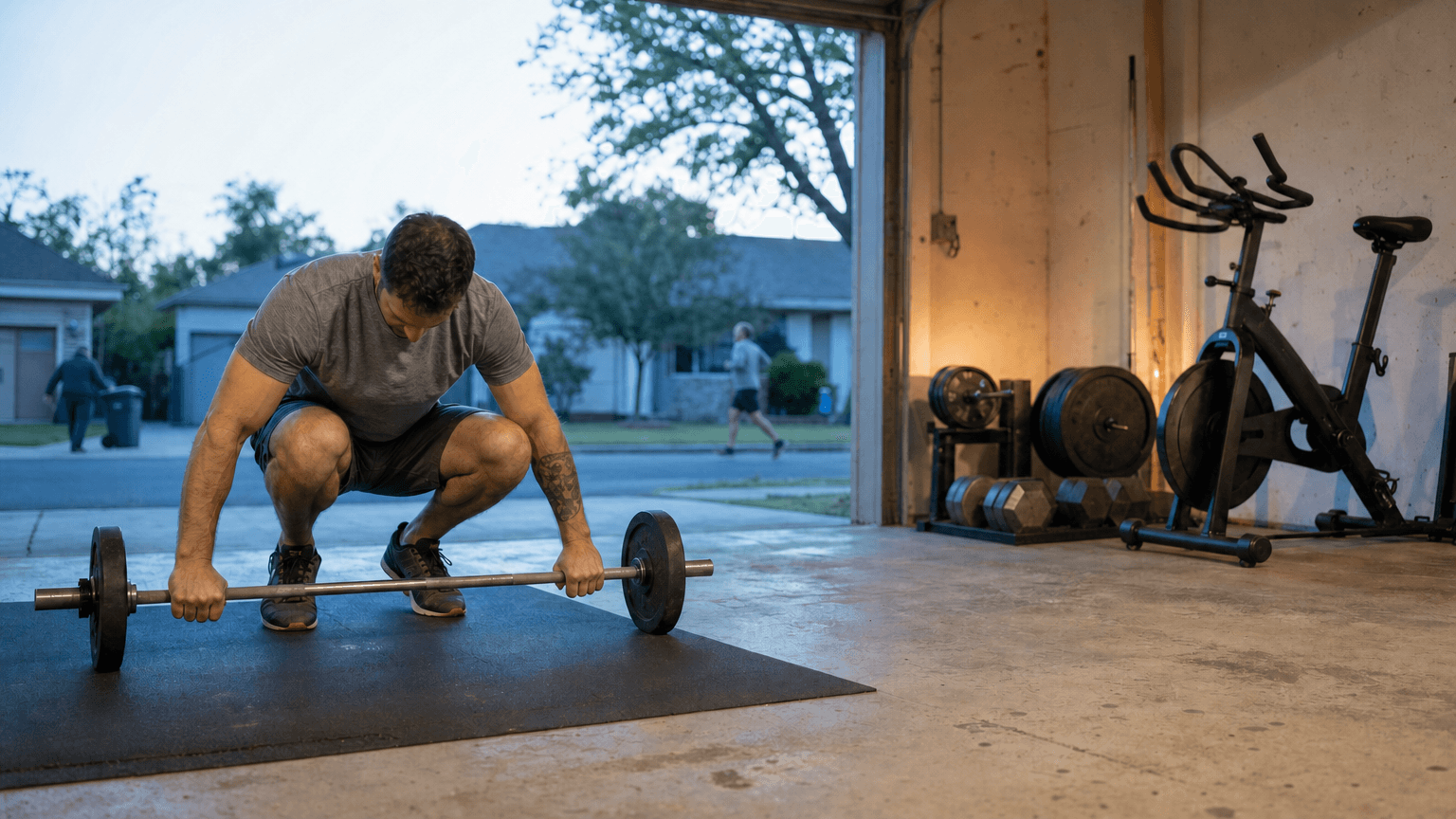



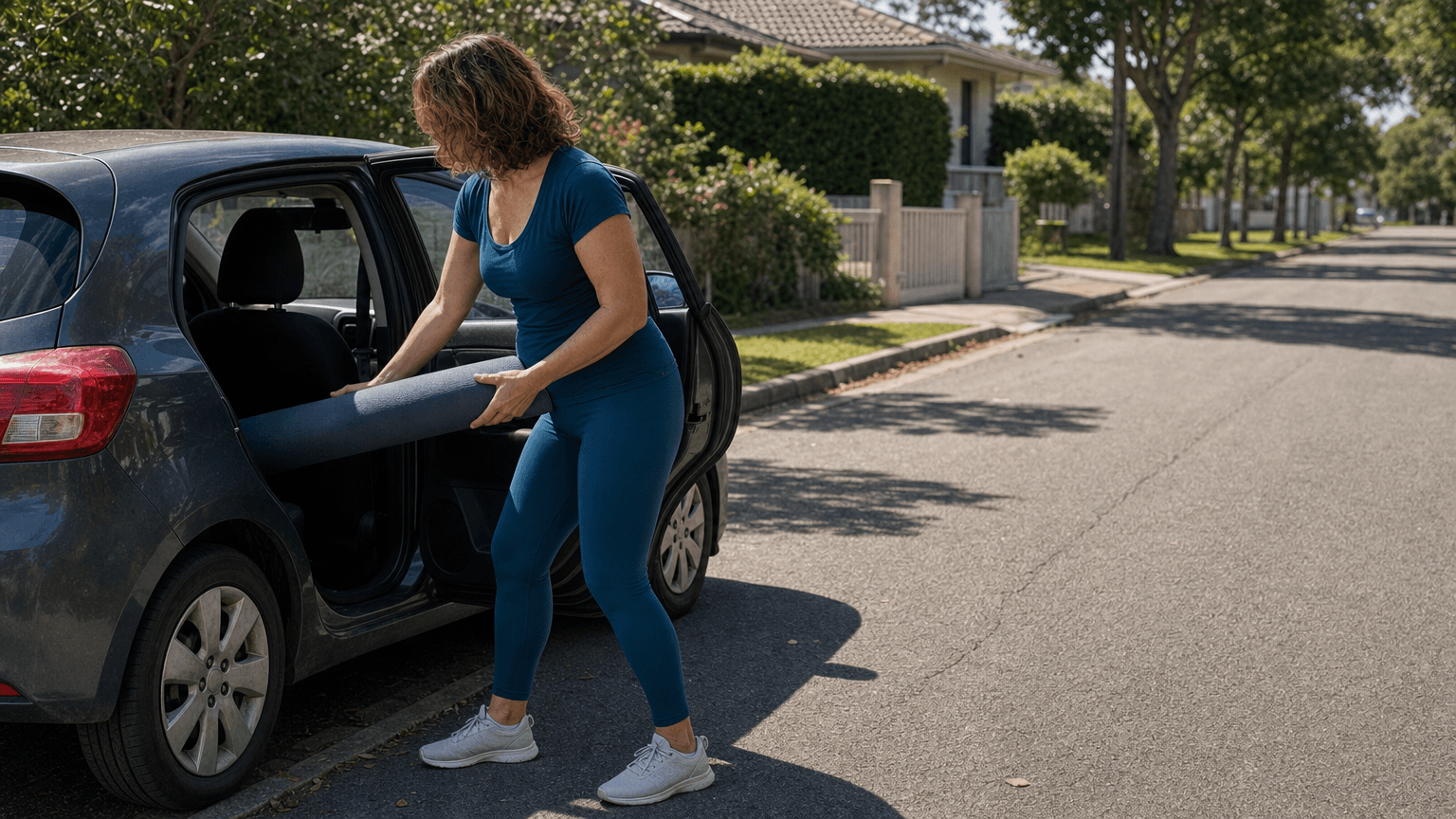








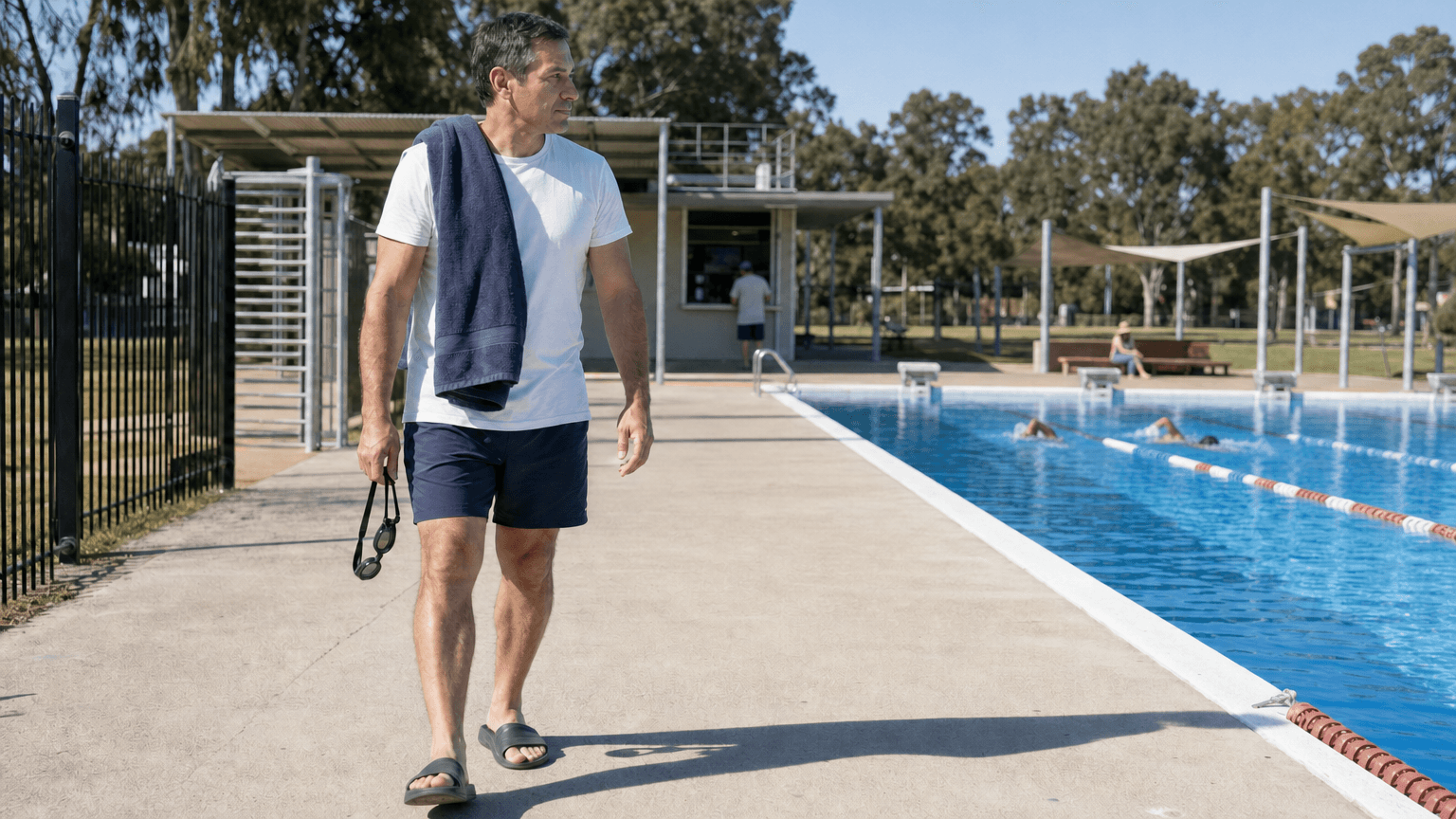

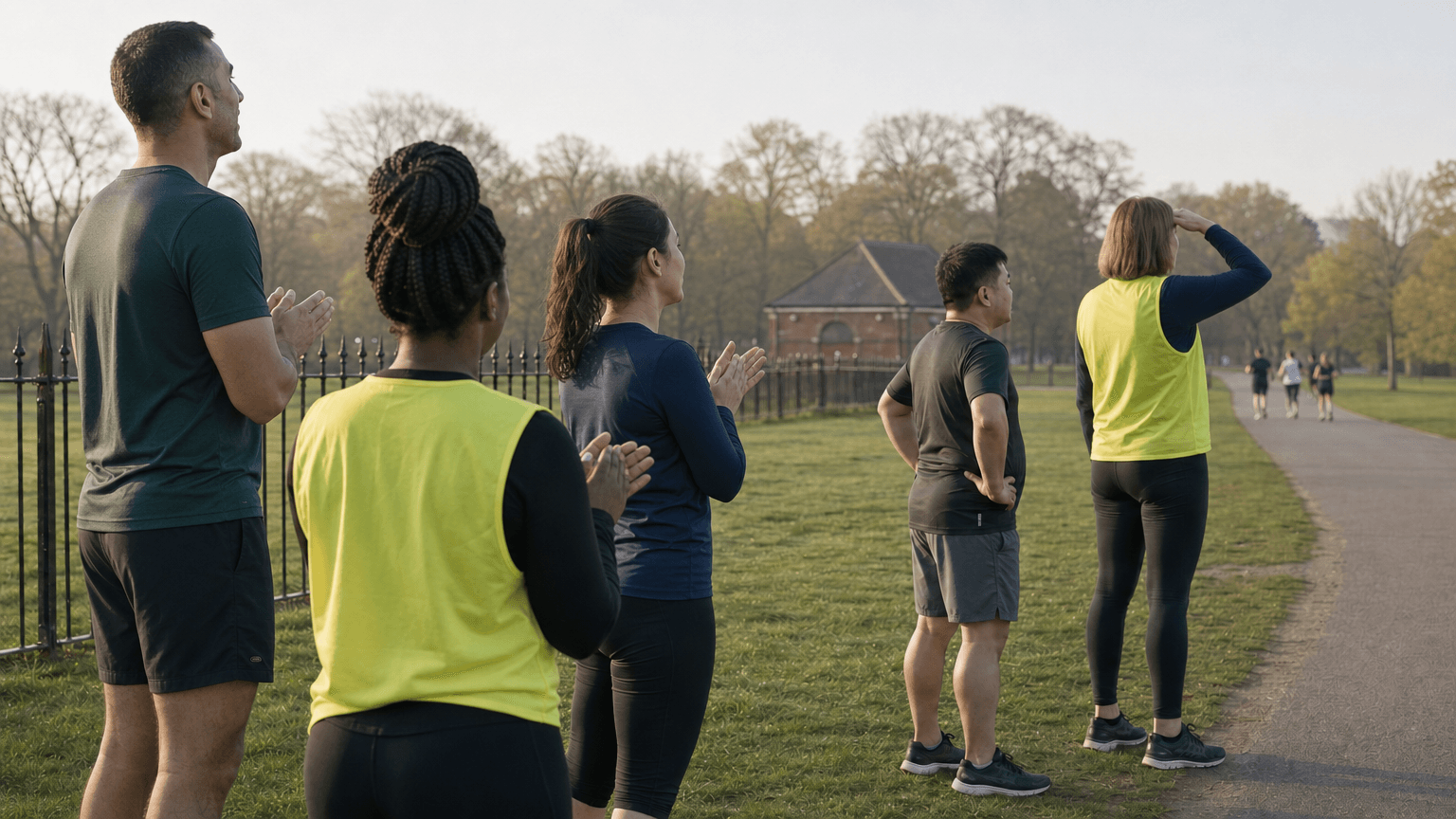
Wellbeing benefits
Why cardio training is good for you
Extensive research confirms Cardio training delivers sharp focus, lifted mood and more abundant energy. Expect improved cognitive function, greater stress resilience and enhanced fitness.
Cardio exercises strengthen your heart, helping it pump blood more efficiently. Regular cardiovascular activity lowers your risk of heart disease, reduces blood pressure and improves overall circulation, promoting long-term heart health (Johnson et al., 2020).
Cardio training is an effective calorie burner that helps manage weight by increasing your metabolic rate. Whether it’s running, swimming or walking with a weighted vest, regular cardio supports fat loss and maintaining a healthy body weight (Smith et al., 2019).
Cardio releases endorphins, also known as "feel-good" hormones, which help reduce stress and anxiety. Activities like cycling or playing sports can leave you feeling more positive and energised, improving your overall emotional balance (Lee et al., 2021).
Consistent cardio improves stamina and endurance over time. Your body becomes more efficient at delivering oxygen to muscles, allowing you to exercise or handle daily activities with less fatigue (Brown et al., 2022).
Cardio exercises can improve sleep quality by reducing restlessness and promoting deeper, more restful sleep cycles. Regular aerobic activity helps regulate natural sleep patterns, leaving you feeling more refreshed (Doe et al., 2021).
Common styles
Running is one of the most effective forms of cardio. Whether outdoors or on a treadmill, it improves endurance and burns calories. It’s easily adaptable to different fitness levels.
Cycling is a low-impact option, great for building leg strength while protecting joints. You can ride outdoors or use a stationary bike for controlled intensity.
Swimming offers a full-body, joint-friendly workout. It’s excellent for improving cardiovascular endurance and engaging multiple muscle groups.
Rowing provides a total-body cardio workout, engaging the upper and lower body while building strength and stamina. It’s a low-impact option that challenges endurance.
Walking with a weighted vest adds intensity to a basic activity, boosting calorie burn and endurance without the high impact of running.
Self-led, one-on-one, or in a group
Whether you go it alone, join a group, or work 1:1 with a teacher, we’ve laid out what each path can look like.
Recommendation for first-timer
1st pick
Great for beginners who prefer flexibility. Apps and guides for running, cycling or swimming let you set your own pace, but require discipline to stay consistent.
3rd pick
Best for those seeking personalised advice. A coach tailors your training plan for cardio activities like running, swimming, or rowing, ensuring safe progress at your own pace.
2nd pick
Ideal for those who thrive in group environments. Run clubs, sports teams or martial arts classes provide community support, accountability and the motivation to stay on track while learning new skills.
Availability
Widely
Available anytime – apps and online guides give you full control over your schedule, whether you're running, rowing or cycling.
Moderately
Requires booking with a personal trainer or coach, with times needing to be booked in advance. Sessions can be scheduled to fit your availability.
Widely
Run clubs, sports teams and martial arts classes follow specific schedules. You’ll need to find a group that aligns with your routine, but you’ll benefit from structured sessions and peer support.
Average cost per session
Free or low cost
Mostly free or low-cost, especially for activities like running, walking or cycling. Many apps and online guides are free for beginners.
Expensive
Higher cost, typically ranging from $50 to $150 per session, depending on the trainer’s experience. Personalised guidance is more expensive but offers greater support.
Moderate costs
Run clubs are often free or require a small membership fee. Martial arts, cardio classes and sports team sessions can range from $10 to $40 depending on the club and instructor.
Special equipment required
Some with costs
At minimum, you'll need a good pair of training shoes. Optional fitness trackers range from $30 to $100.
Some with costs
At minimum, you'll need a good pair of training shoes. Optional fitness trackers range from $30 to $100.
Costly equipment
Group settings may require extra gear like uniforms, cleats or protective equipment. Costs can range from $50 to $200 depending on the class, sport or club, with optional memberships for run clubs or teams.
Potential for socialisation & community
Mostly solo
Low socialisation as self-led cardio is probably done solo. Apps and online platforms may connect you with virtual communities, but face-to-face interaction is minimal.
Social potential
Low on socialisation, but it is highly personalised. Working 1:1 with a coach allows for detailed feedback and progress tracking, without the group dynamic. It’s more focused on your individual goals.
Highly social
Run clubs, sports teams or cardio classes foster a strong sense of community and shared progress. You’ll benefit from teamwork and peer motivation, pushing you to improve.
Safety & skill building
Mixed results
Safe, but learning proper form for activities like swimming or rowing can be tricky without guidance. You’ll need to research proper techniques and avoid overtraining.
Safe & fast
Extremely safe. Personal trainers focus entirely on your form, progress, and safety, helping you avoid injury and maximise skill development.
Mixed results
Group settings ensure a safer, more structured environment. Run clubs, martial arts, cardio classes or sports teams offer expert-led sessions to improve skills while ensuring proper form and pacing.
Class sizes may mean the instructor cannot individually monitor you.
Space or privacy required
Minimal
Minimal space needed. Whether running outdoors, cycling or swimming at a pool, self-led workouts provide privacy to focus at your own pace.
Minimal
Private sessions in gyms, parks or pools allow for focused, 1:1 attention from your coach. These sessions offer more privacy than group settings and are tailored to your needs.
Some required
Group settings like sports teams or cardio classes take place in public spaces, with limited privacy. The group dynamic fosters motivation and focus, and teamwork adds to the experience.
Ease of scheduling
Very flexible
Extremely flexible. You can run, cycle or swim anytime that fits into your day using apps or guides if required, making it easy to fit cardio into your routine.
Need to plan
May be more flexible than group sessions, but requires coordination with your trainer’s availability. Personal training allows for customised timing to better suit your personal schedule.
Need to plan
Group sessions have set schedules, requiring you to plan ahead. However, the commitment to the group provides accountability.
Setup time
Little to none
Minimal setup. Take a bathroom break, grab your running shoes, bike or swim gear, fill your water bottle and get started. Apps can guide warm-ups and structure workouts, keeping setup quick and easy.
Up to 30 mins
Minimal setup. Your coach handles most of the planning. You just need to show up prepared, and the coach will guide the session.
Over 30 mins
Moderate setup. You’ll need to arrive at group sessions on time with the right equipment for sports teams, cardio classes or run clubs. The group leader or coach will guide the structure.
May require travel time.
Active practice time
Under 20 mins
Completely flexible. Your workout can be as short as 20 minutes or longer, depending on your schedule and fitness level.
Up to an hour
Tailored to your needs. Personal training sessions usually last 30 to 60 minutes, focusing on your goals. Your coach adjusts the time based on progress.
Up to an hour
Group sessions typically run 30 to 60 minutes for sports teams, classes or run clubs. The duration is set by the leader and caters to the group’s fitness level.
Unexpected advantages
Actually useful
You can gain some extra listening time to your favourite music or podcasts.
Random
If you get a good trainer with a great sense of humour they can tell you some funny stories when you need the distraction.
Actually useful
For sure this will get you out of the house or office and ensure you don’t stay late at work.
Academic research we rate
- Exercise interventions for cognitive function in adults older than 50: a systematic review with meta-analysis
Full citationHide citation
- The influence of exercise and physical fitness status on attention: a systematic review
Full citationHide citation
- Impact of exercise on older adults’ mood is moderated by sleep and mediated by altered brain connectivity
Full citationHide citation
- Shorter term aerobic exercise improves brain, cognition, and cardiovascular fitness in aging
Full citationHide citation
- The effect of three different exercise training modalities on cognitive and physical function in a healthy older population
Full citationHide citation
Show all 10 studiesShow fewer studies
- The Effects of Physical Exercise on Mental Health: From Cognitive Improvements to Risk of Addiction
Full citationHide citation
- Aerobic Exercise Training Improves Cerebral Blood Flow and Executive Function: A Randomized, Controlled Cross-Over Trial in Sedentary Older Men
Full citationHide citation
- Dose-Response of Aerobic Exercise on Cognition: A Community-Based, Pilot Randomized Controlled Trial
Full citationHide citation
- Comparison of cardioprotective benefits of vigorous versus moderate intensity aerobic exercise
Full citationHide citation
- Impact of exercise training on physical and cognitive function among older adults: a systematic review and meta-analysis
Full citationHide citation
Safety
Caught the fire? Ready to expand your lungs and stretch those legs? There's no time like now! Before you dive in, rest assured that cardio training is safe for most people in most styles. Keep reading to find out what's going to work best for you.
- Listen to your body, start gradually and practise with care to minimise risks. If you are pregnant or have a health condition, we recommend consulting with your healthcare provider.
- Stop if you experience pain, strong discomfort or dizziness.
- Wear appropriate footwear and stay hydrated.
What you might experience
You lace up your shoes and start your first run; but within minutes, you're questioning your decision. Your legs feel heavy, and the movement seems more challenging than anticipated. It's normal to feel frustrated or out of breath initially. Starting anything new can be tough, but remember, every runner begins somewhere, and you're already making progress. Keep going!
As you continue running, your breathing becomes shallow, and your legs feel like they're lead. This is a common challenge for new runners. It's tempting to stop, but focus on slowing your pace, taking deep breaths and pushing forward. Pace yourself, and don't worry if it feels difficult now. Keep going!
As you warm up, you'll notice a shift in how you feel. Your breathing becomes steadier, and your legs move more fluidly. You've found your rhythm. It's not effortless, but it's less of a struggle now. You start to appreciate the steady movement, and your body feels more in sync with the flow. This moment of progress is motivating.
Toward the end of your run, your legs feel like they're on fire and your lungs are working overtime. You're tired, but you know you're almost back home. Even without music to distract you, you push through the discomfort. This is the hardest part, but also the most rewarding. Keep going – it's all part of the journey.
You stop running, heart pounding, but there's a sense of victory. You've made it back home and finished your first run! Whether it was a few minutes or longer, you've accomplished something great. The pride in finishing overshadows the soreness, and you feel energised by your achievement. You might just be ready to plan your next run!
Check it out


Want to try cardio training alongside some other activities?
You don't have to build a routine from scratch. Every Burst is a ready-made plan you can schedule in a couple of taps.