
Breath work
controlled breathing, breath control, nostril breathing, diaphragmatic breathing
Breath work is a simple yet profound practice that uses conscious breathing techniques to enhance your mental and physical wellbeing. It involves intentional breath control to promote relaxation, boost your physical capacity and assist with overall improvements in health.
MoreLess
What is breath work?
Breath work is the practice of consciously controlling your breath to achieve some pretty awesome mental, emotional and physical benefits.
The practice has gained immense popularity due to its simplicity, as it is something that can be practised almost anywhere, and at any time. But more importantly, breath work has become popular because of the profound positive effects it can have on your life, such as an improved sense of calm, clarity and revitalisation.
It’s an easy practice that not only improves how you feel in your body but also in your mind. So, if you’ve ever wondered about tapping into the power of your breath, this guide will help show you how to do it.
Ready to breathe your way to better health?
Let us show you how!
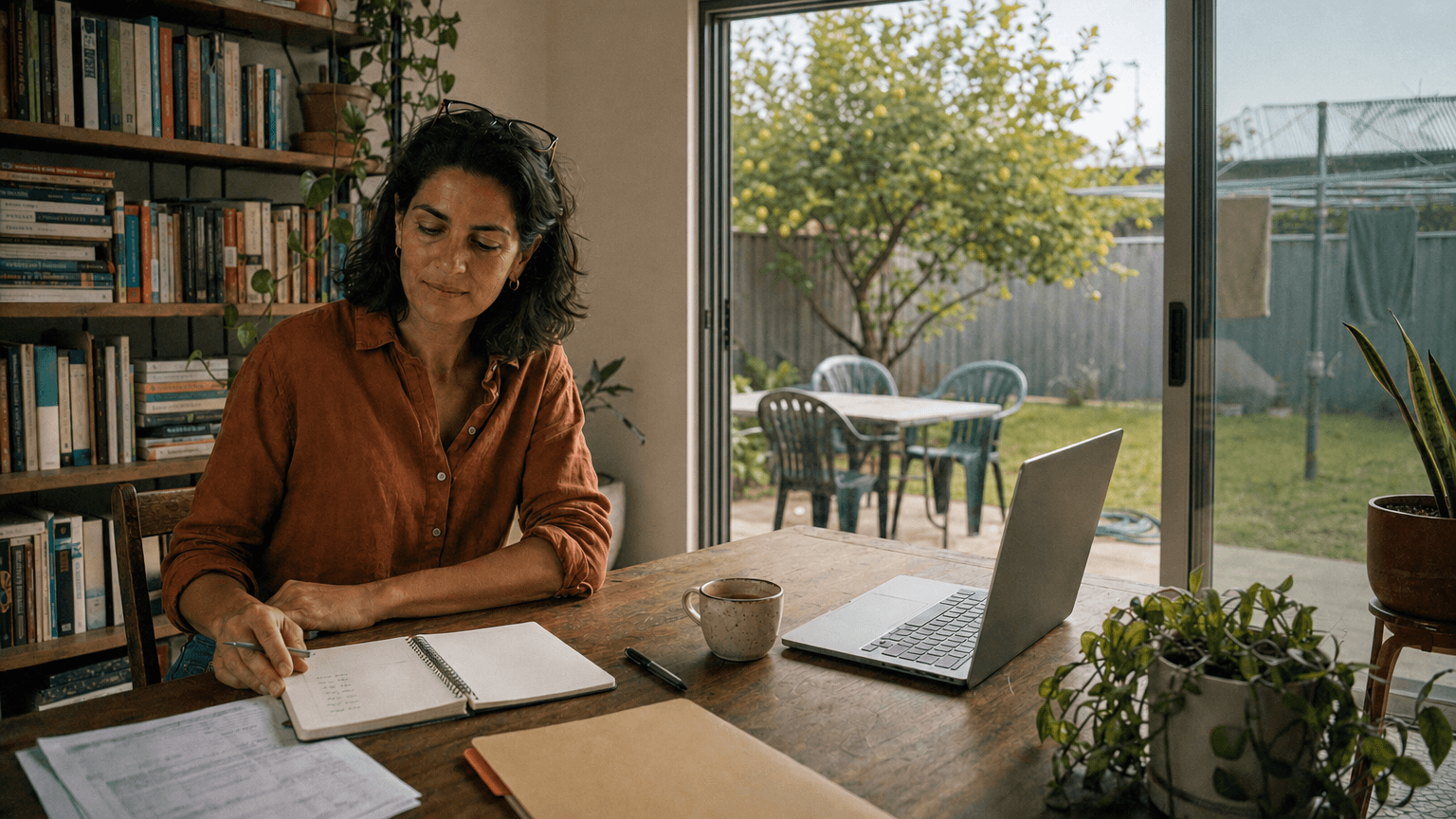
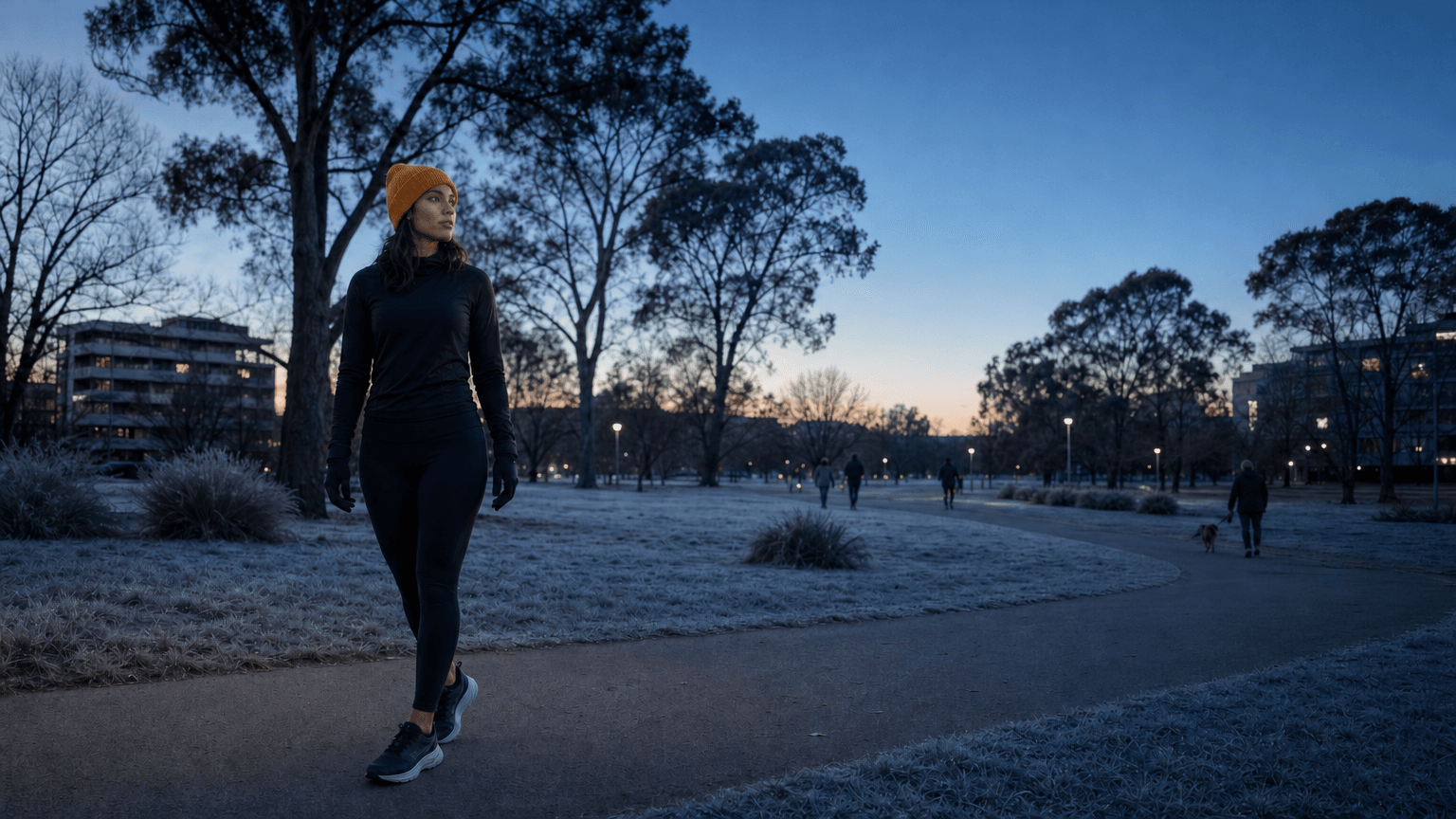
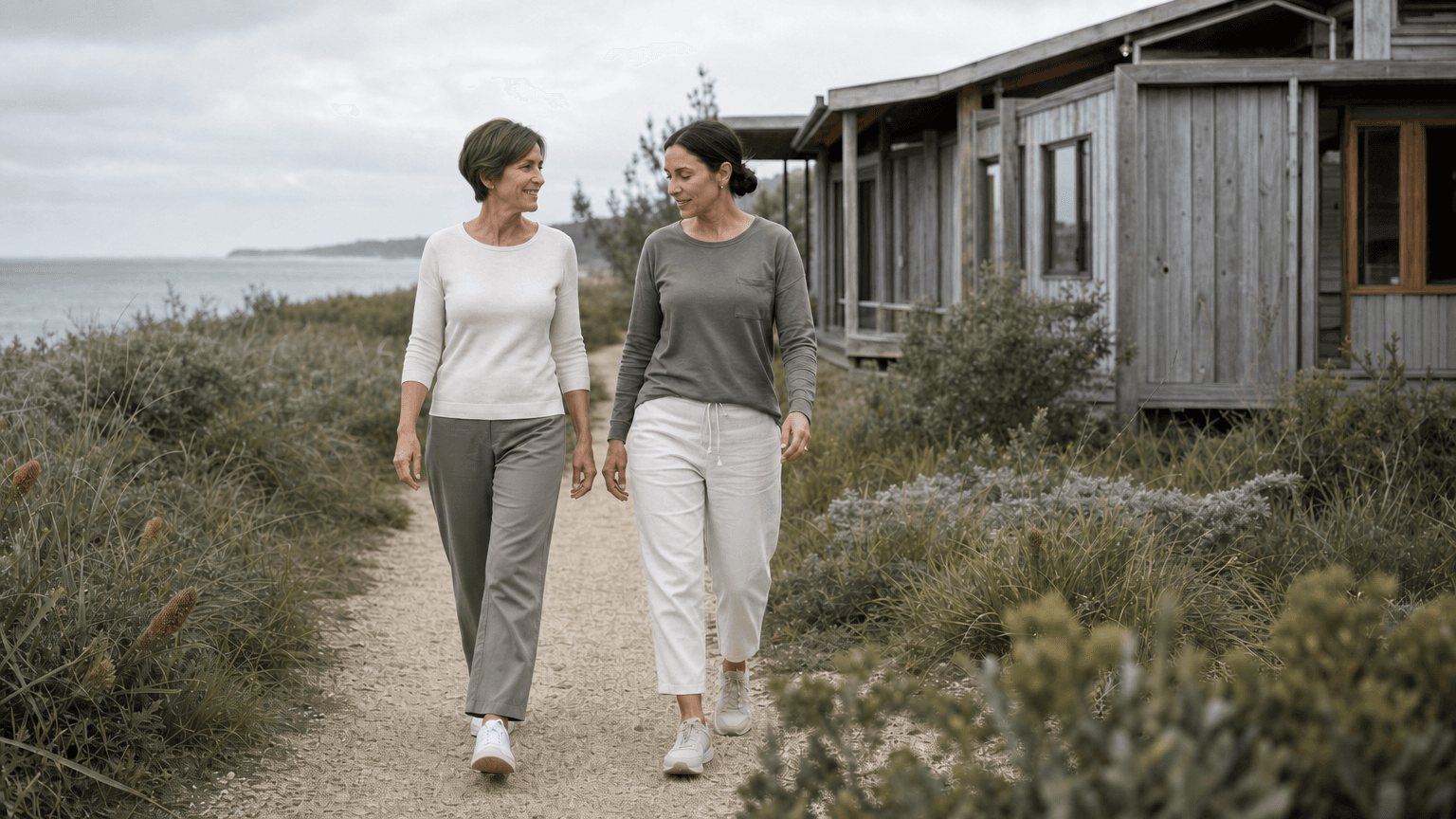
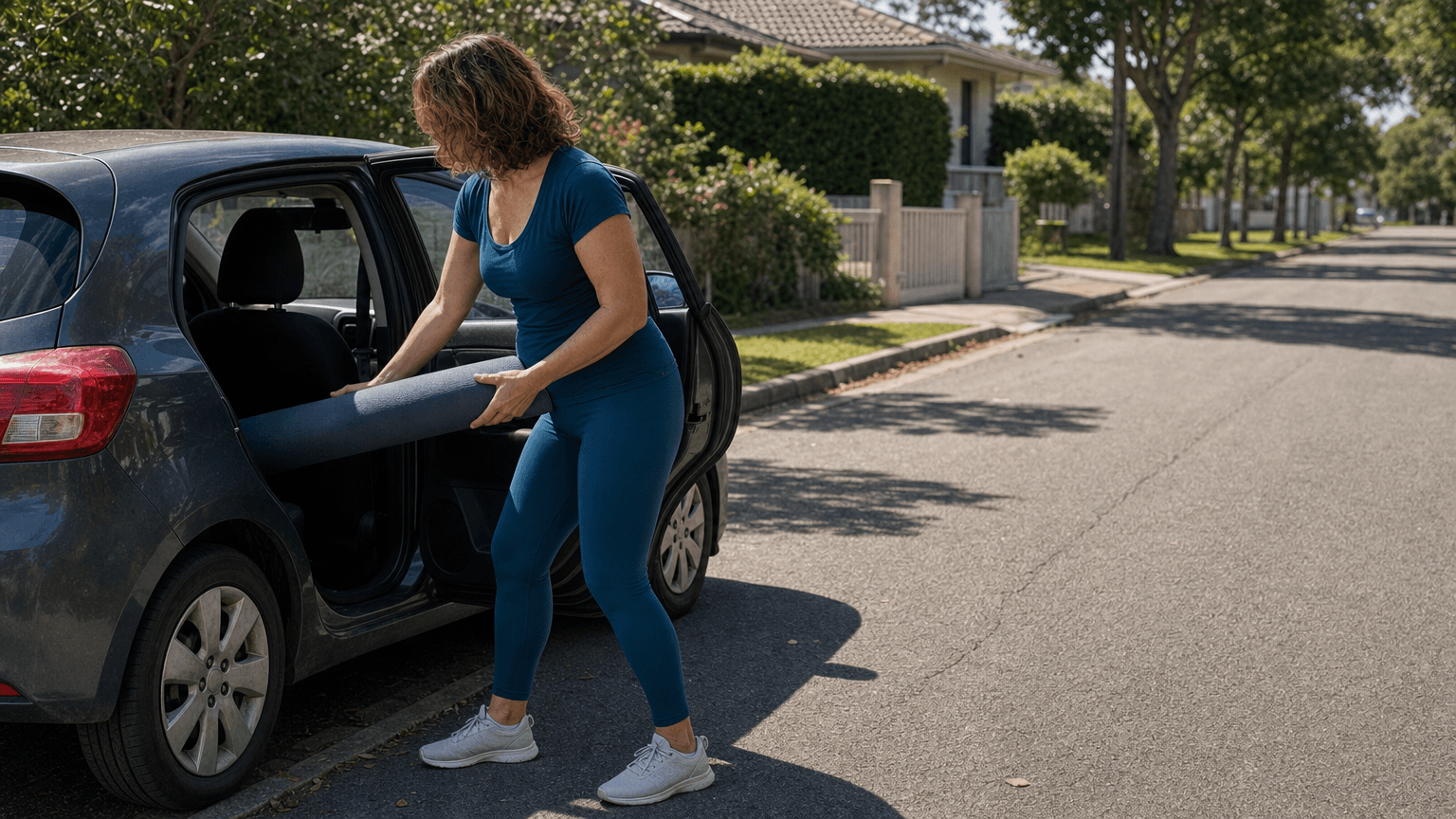
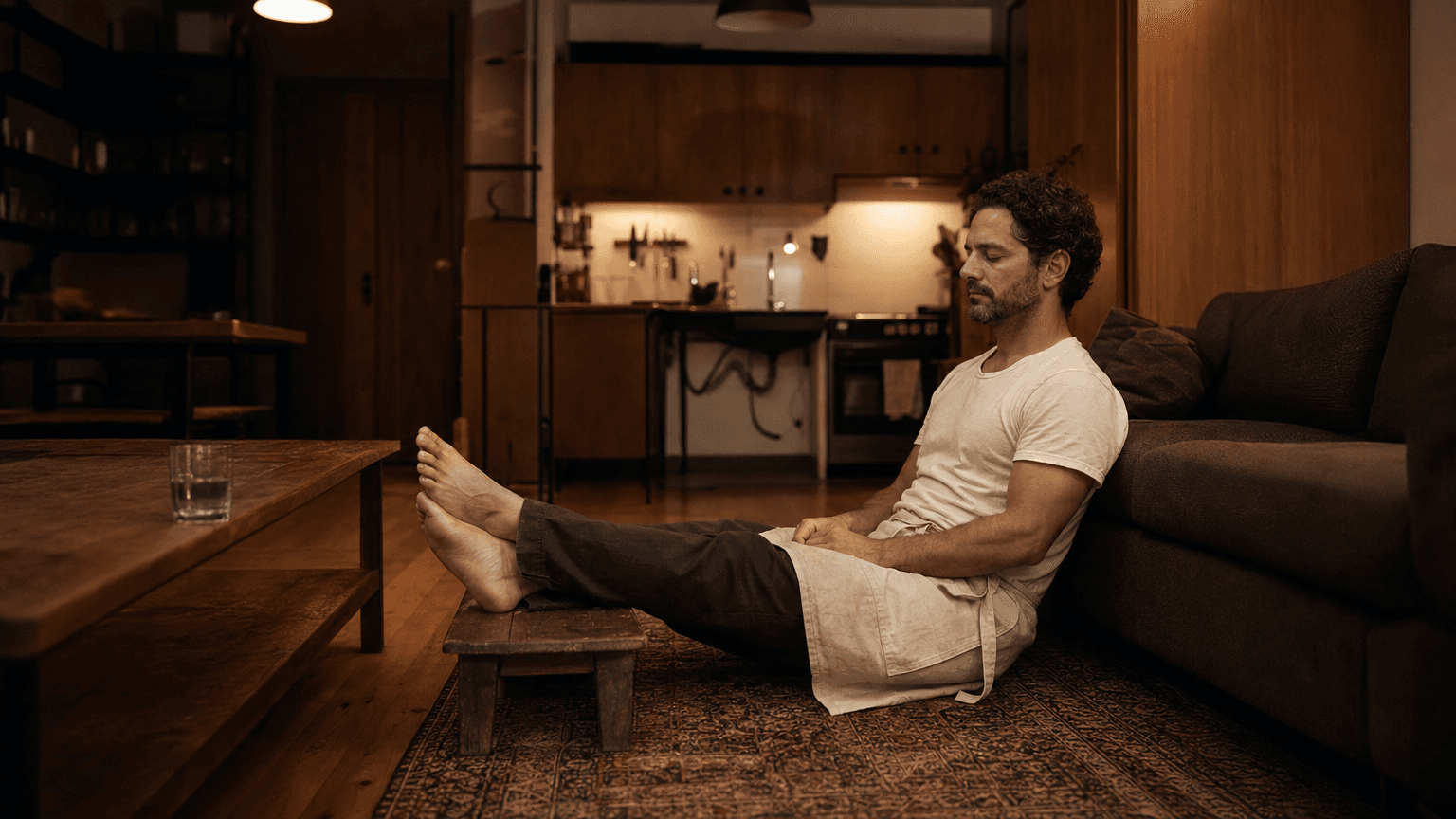
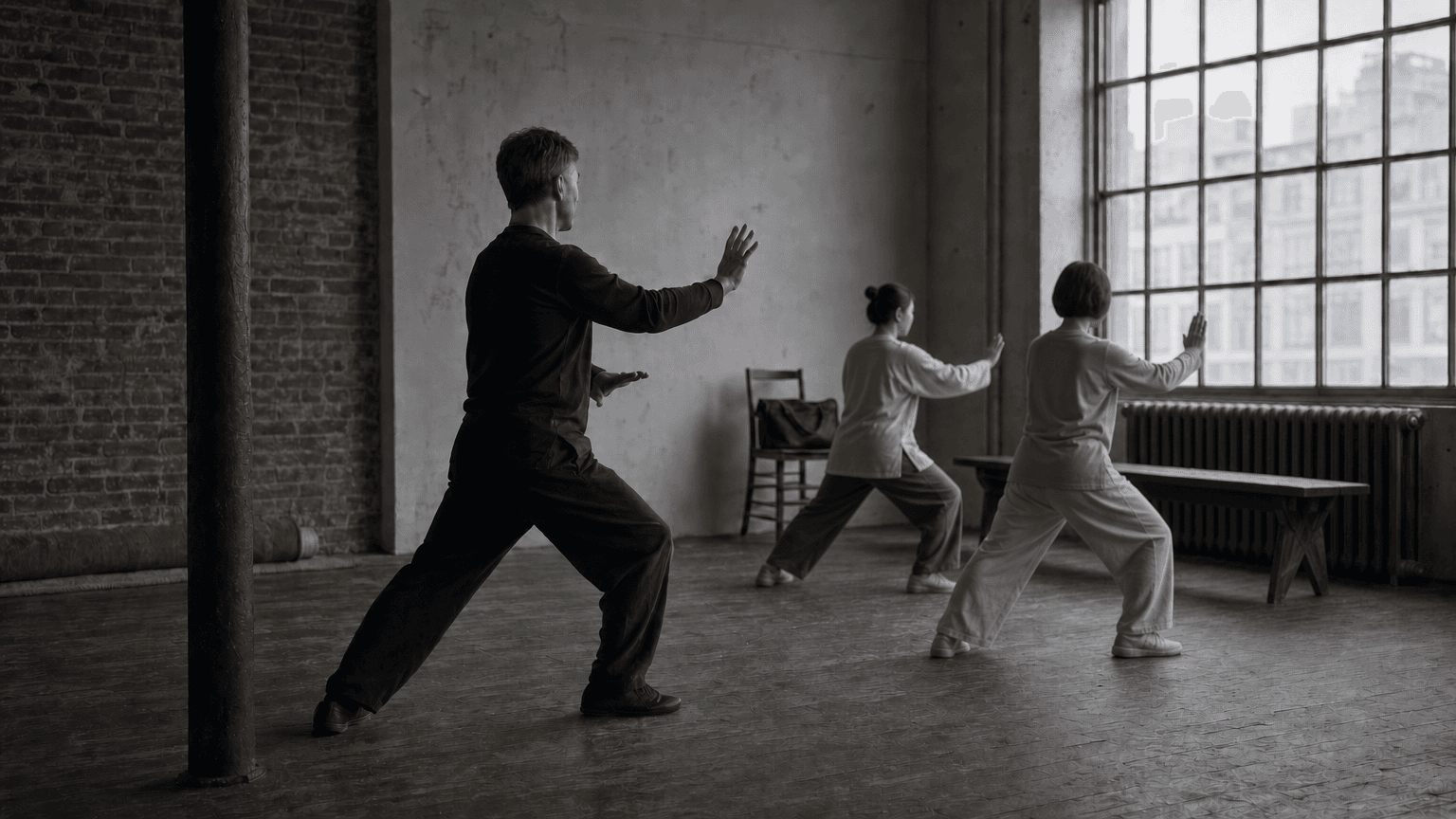
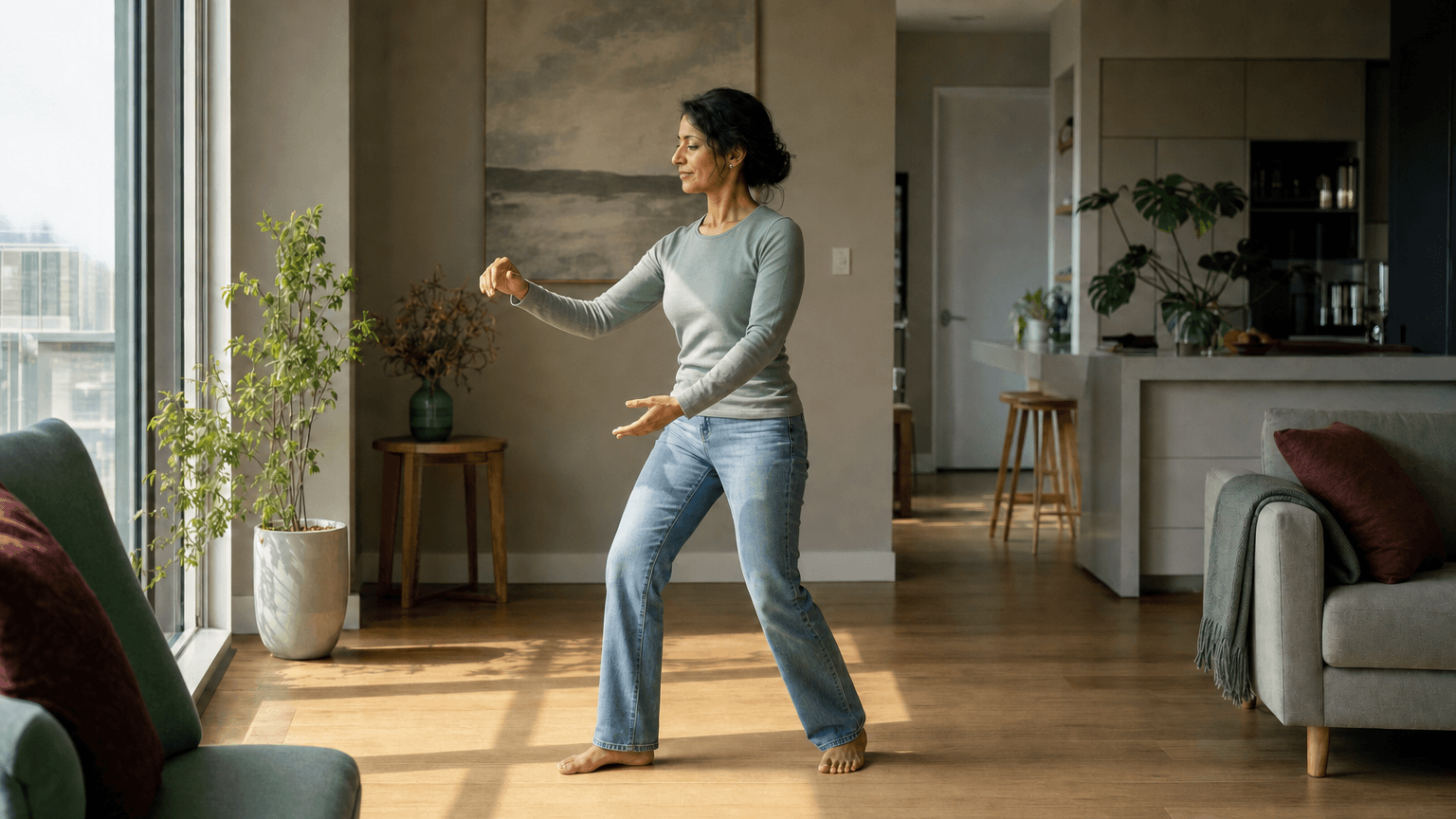
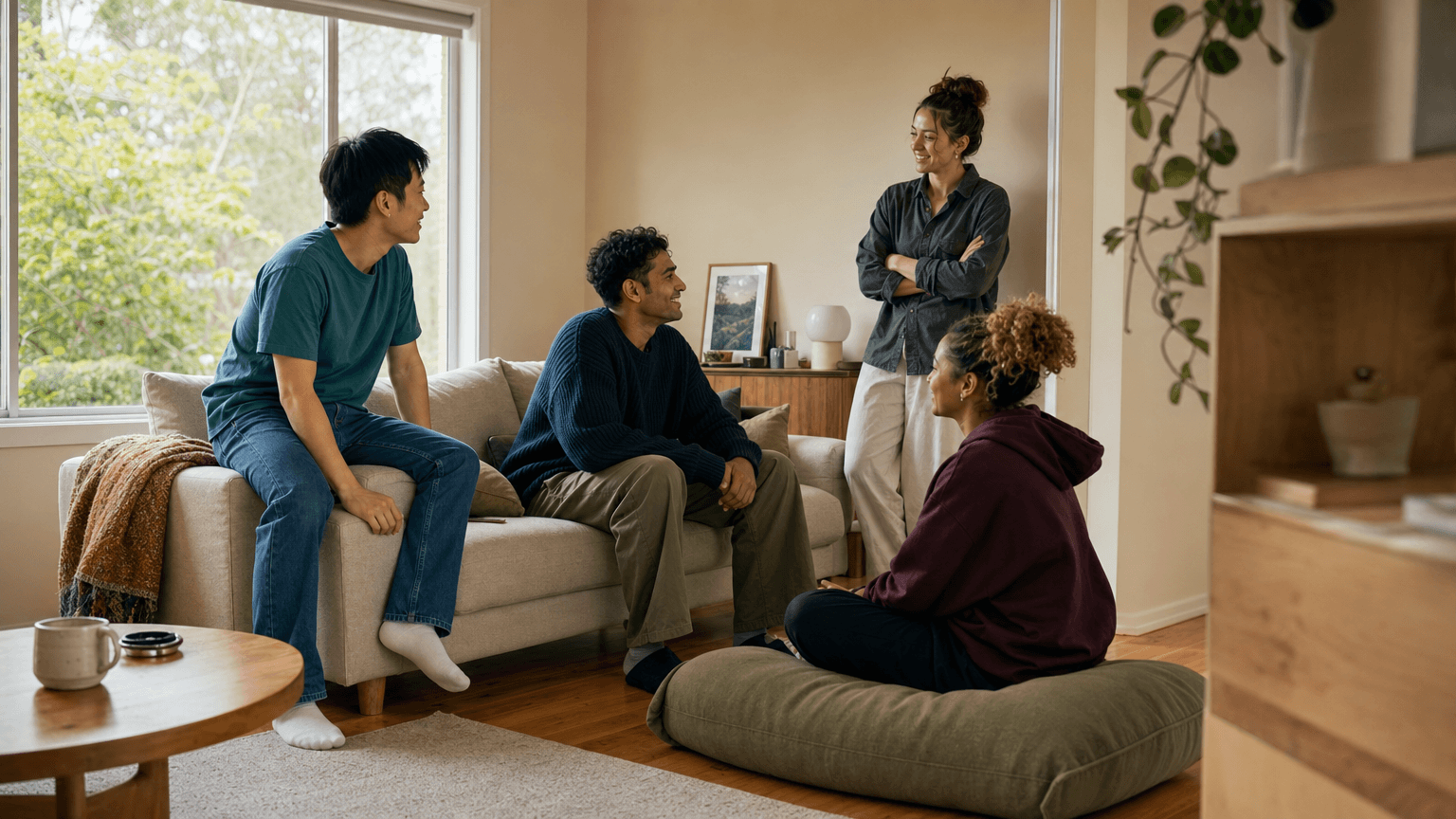
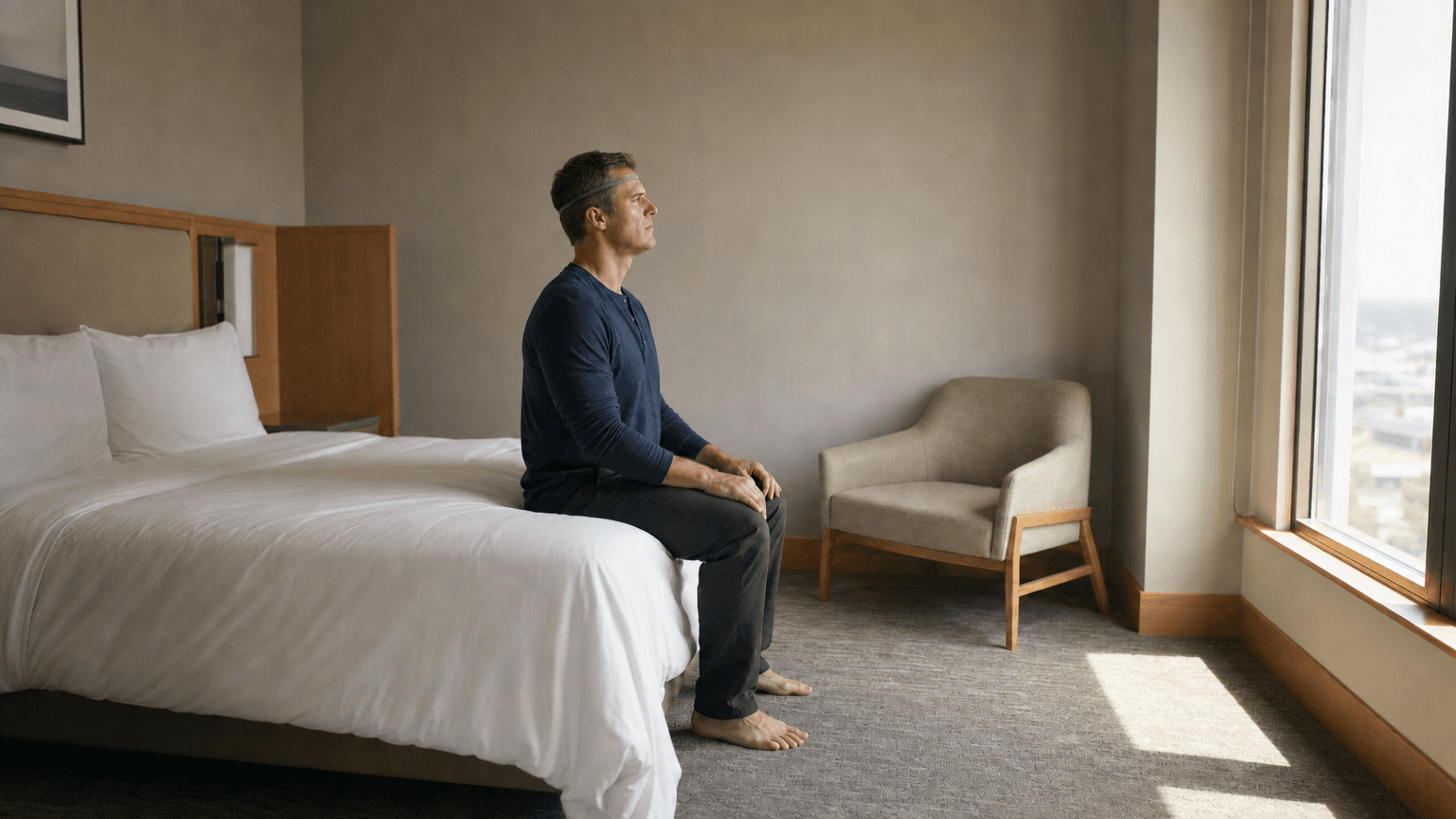
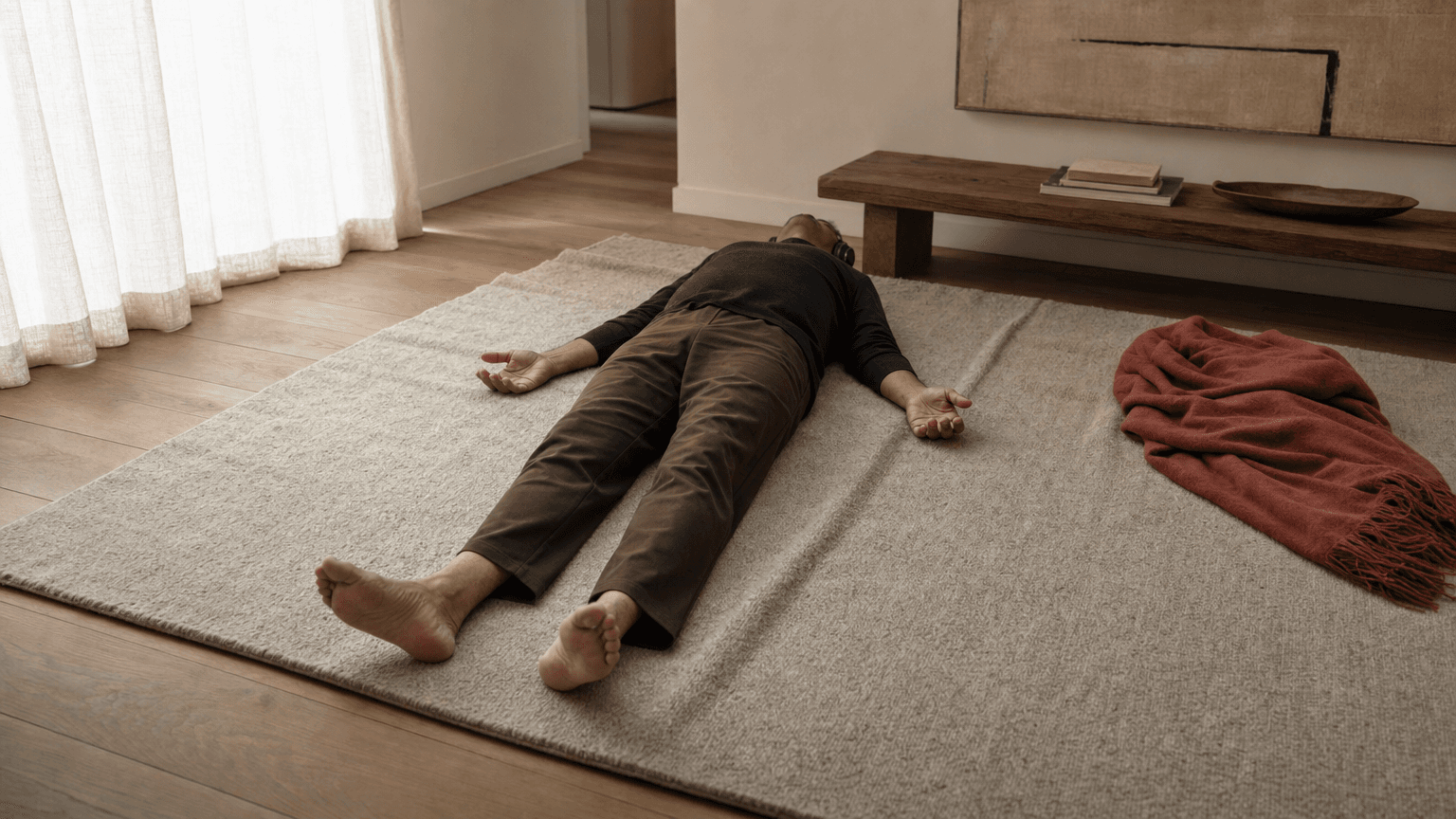
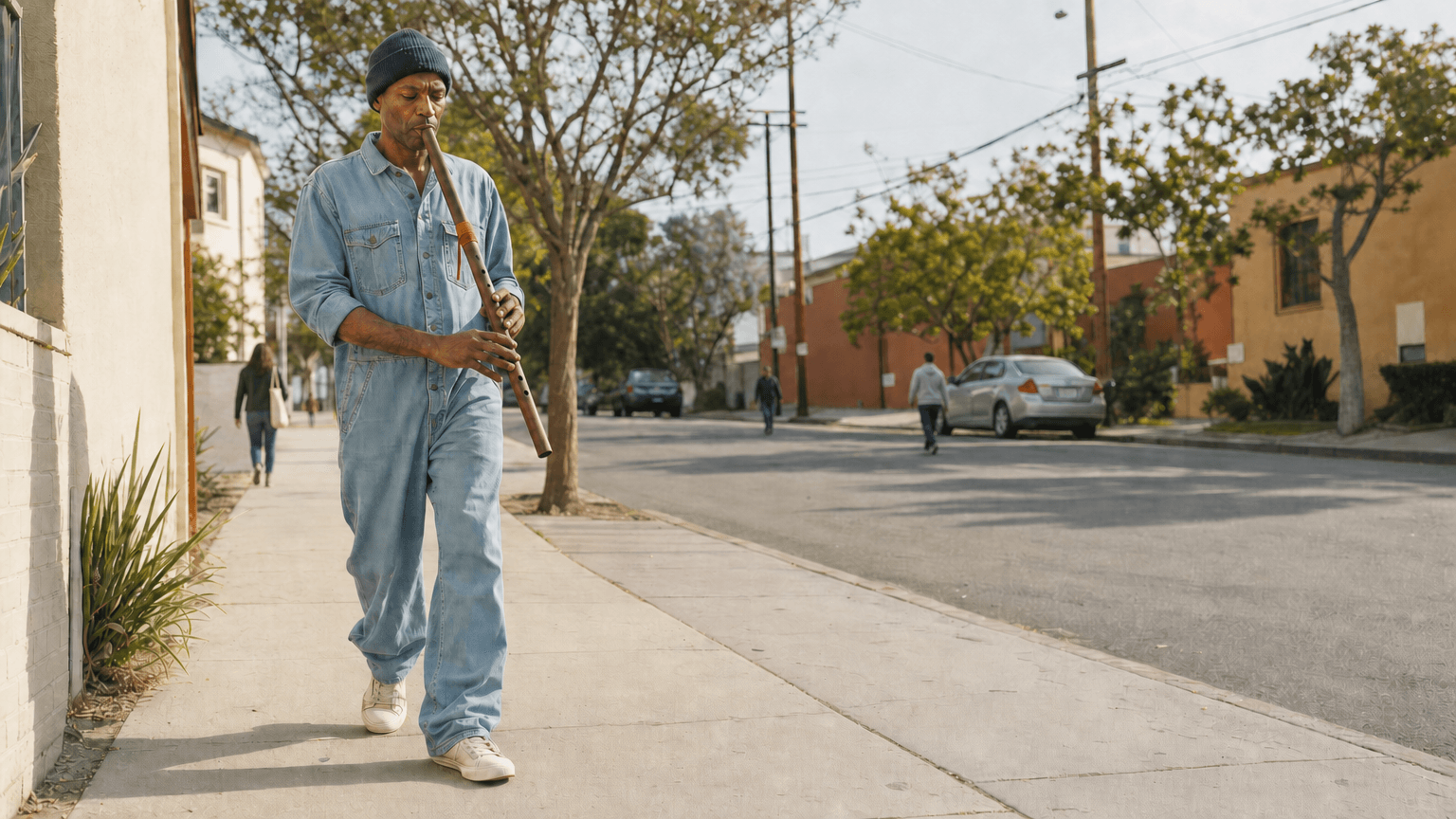
Bursts that feature breath work



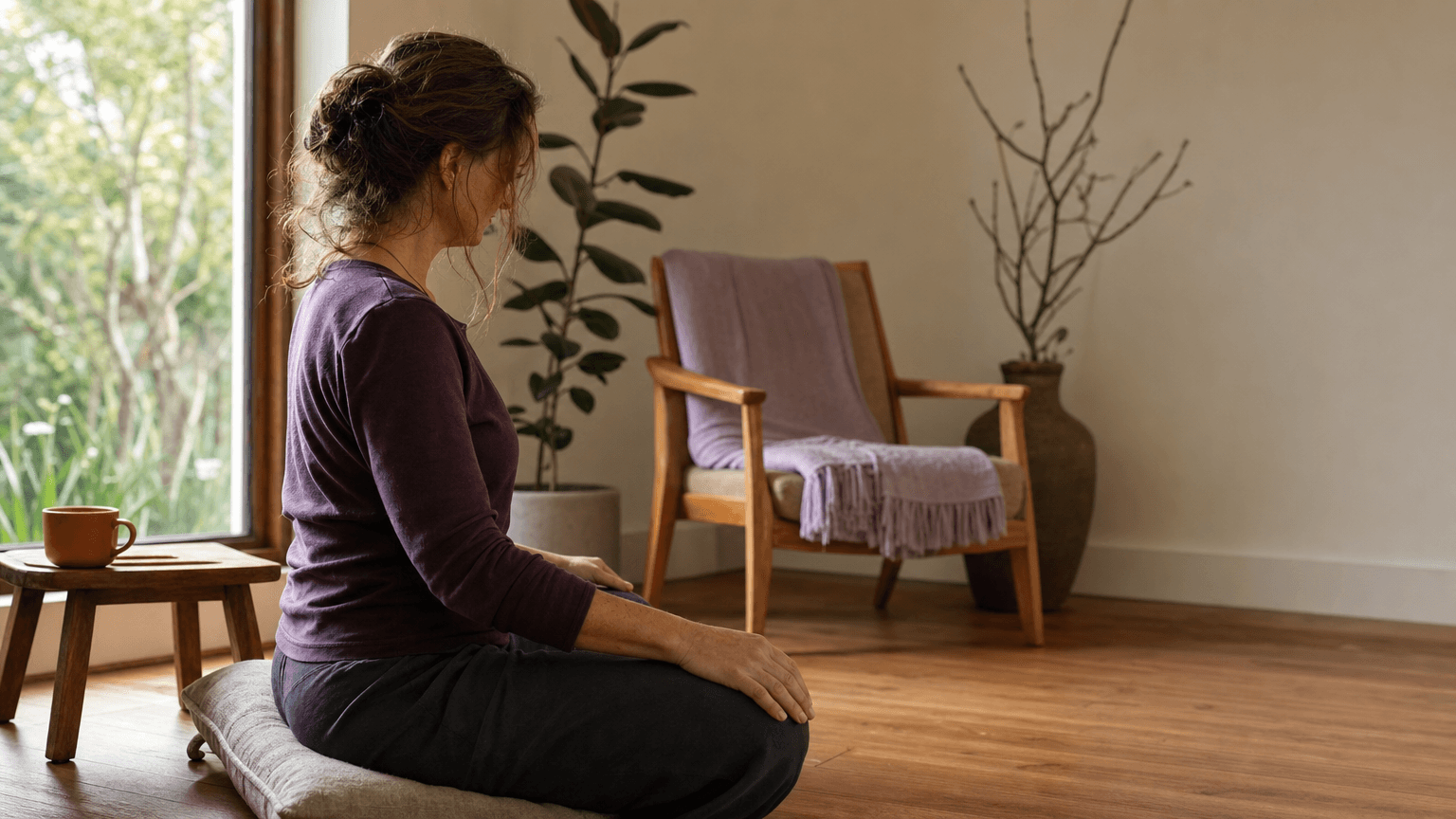
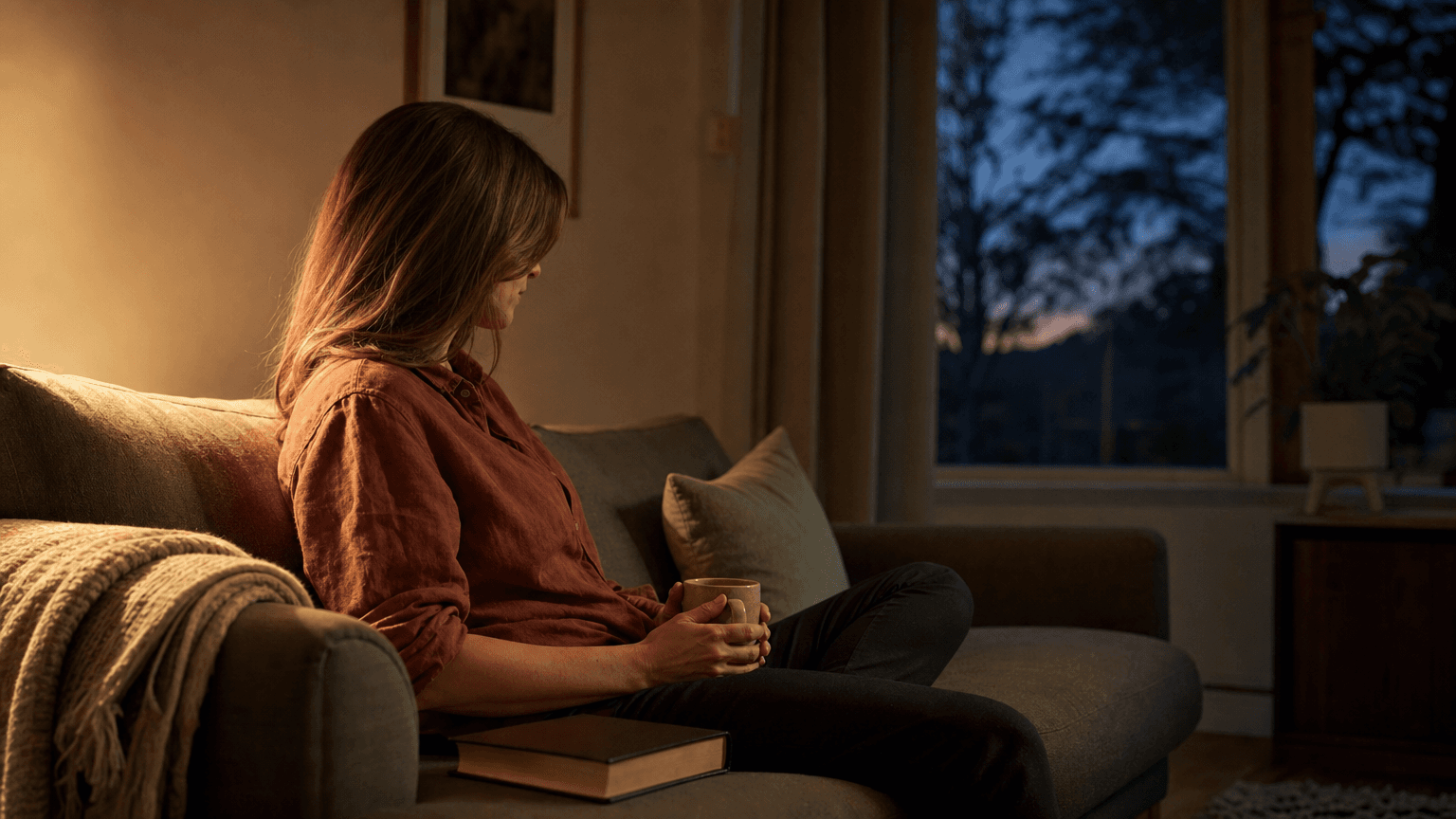
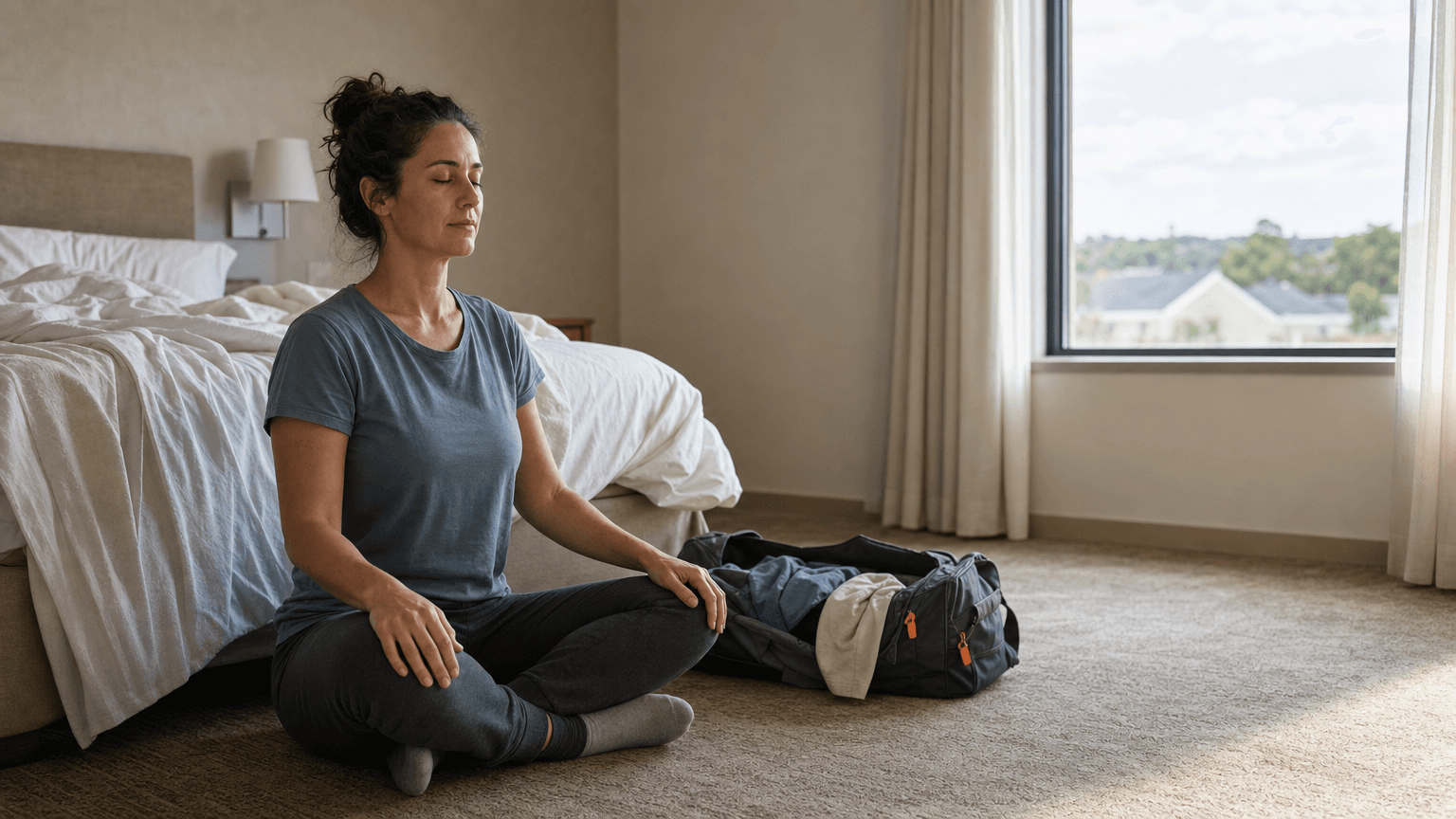



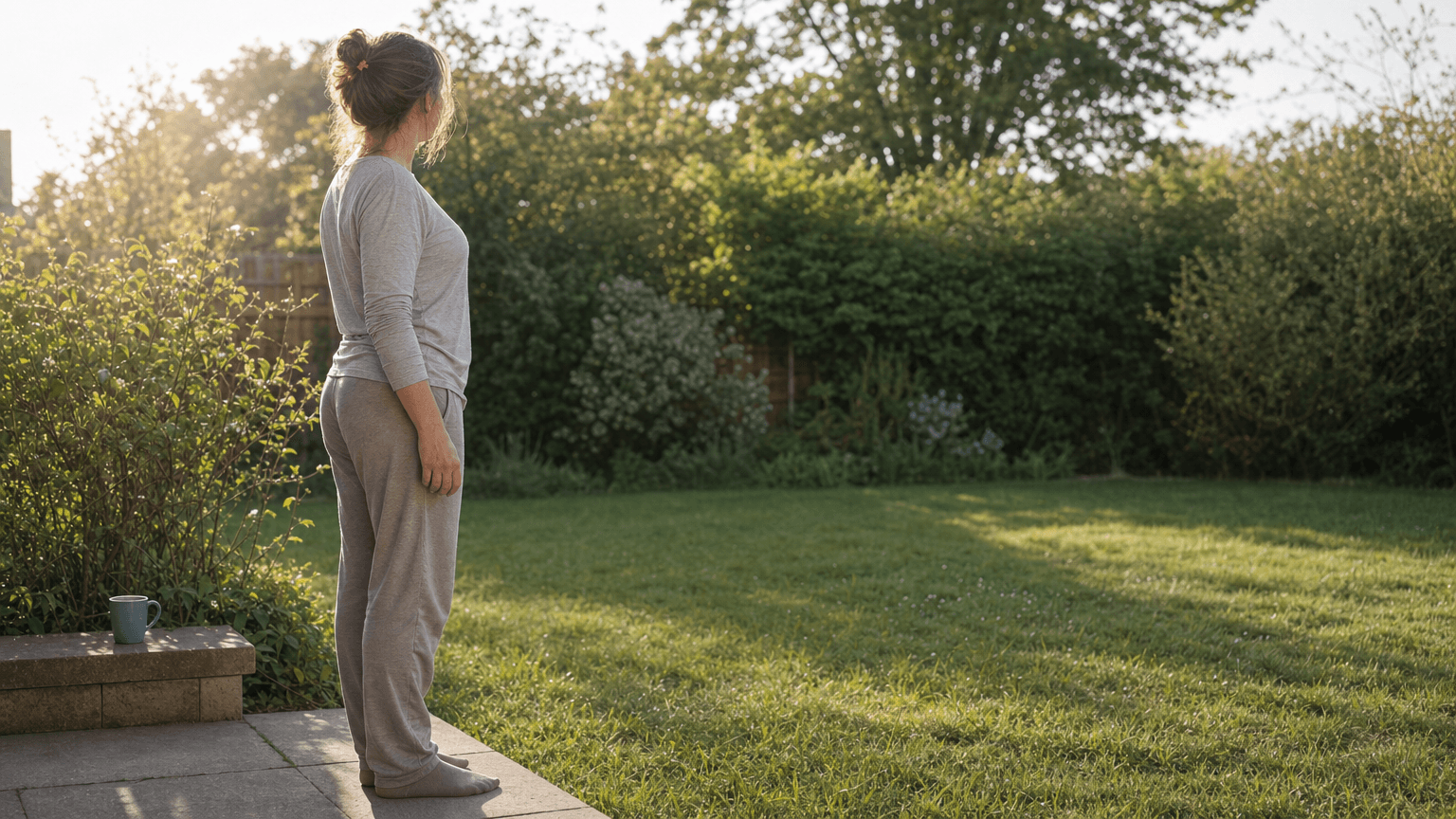
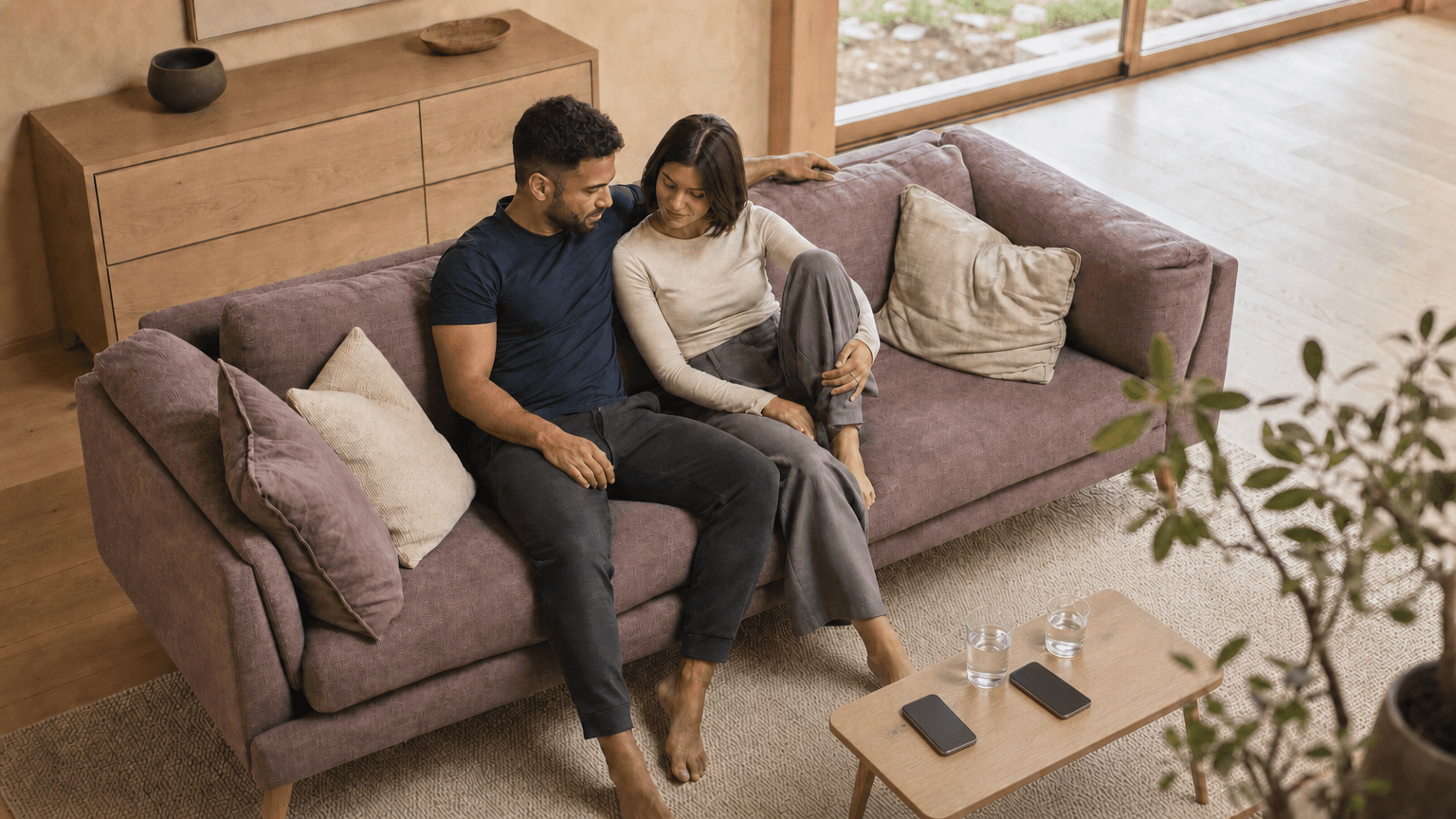
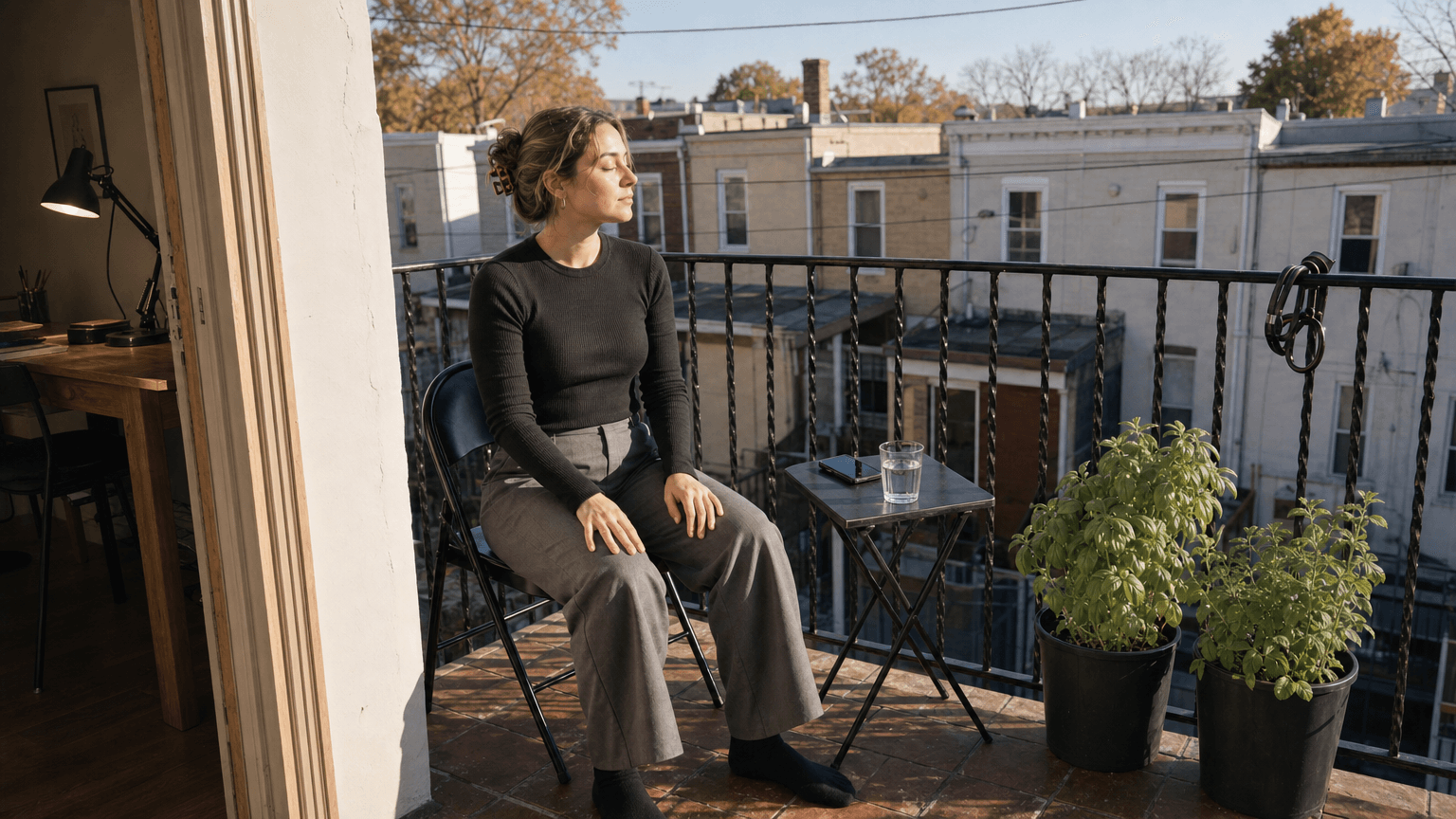
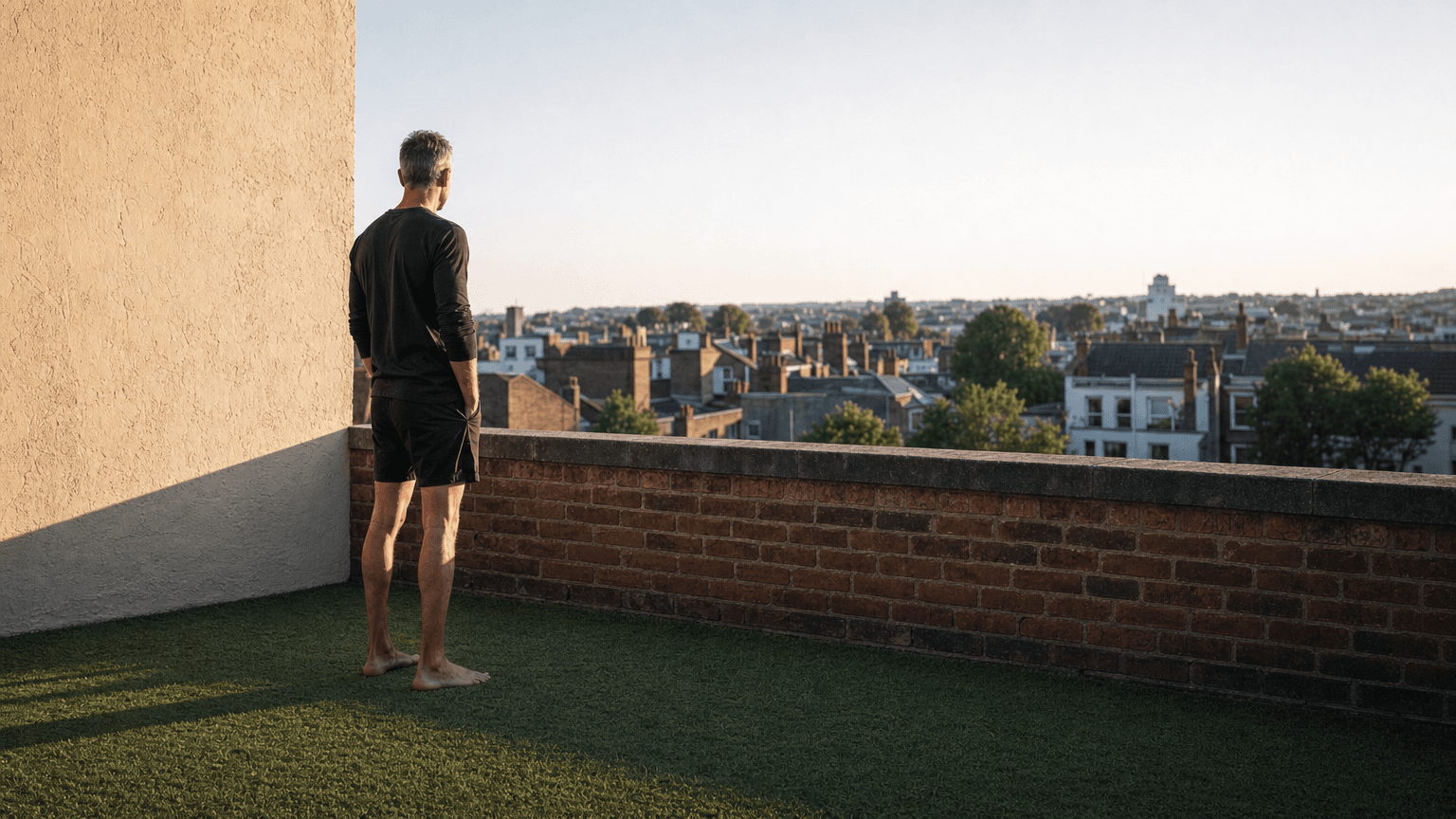



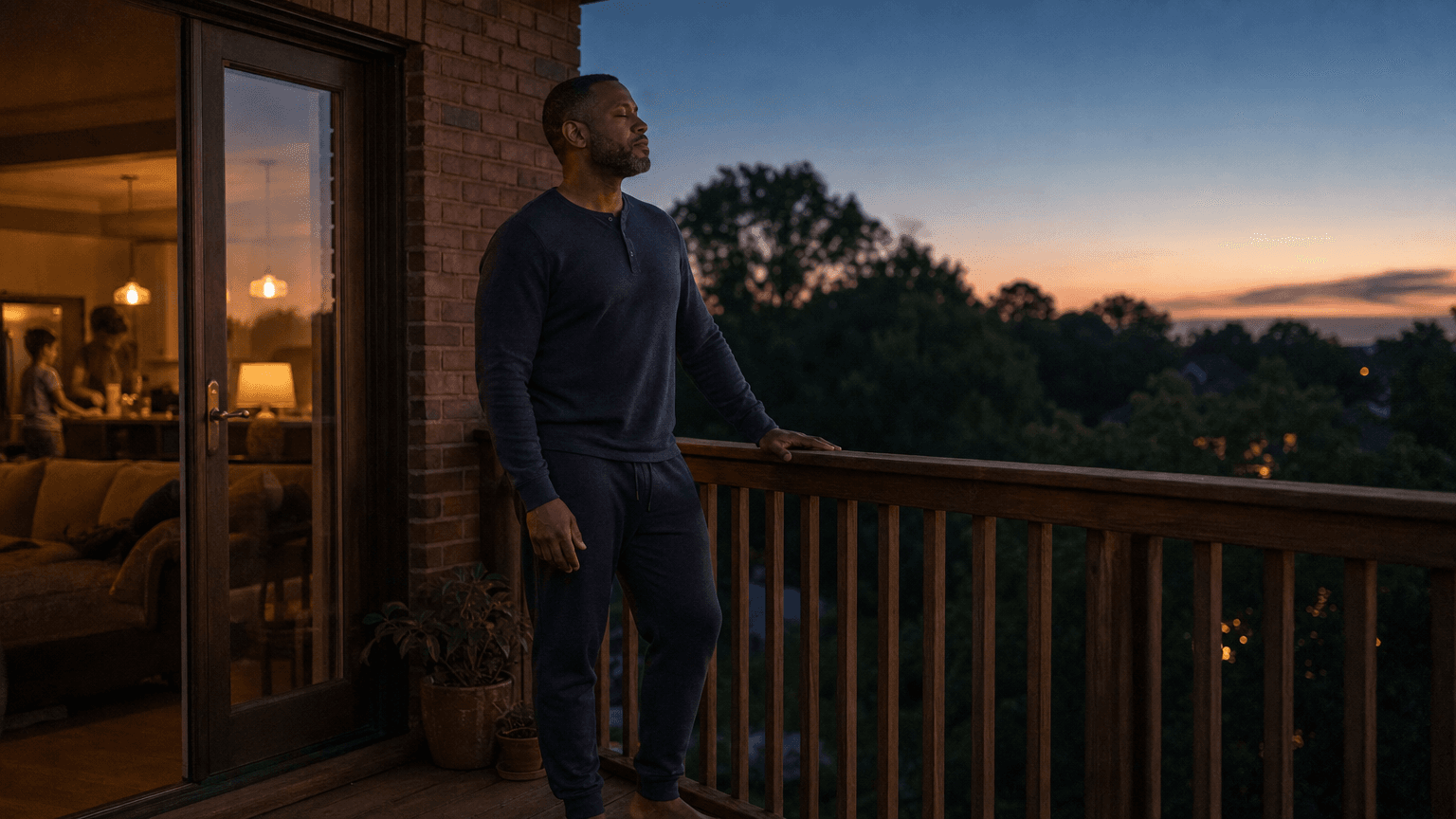
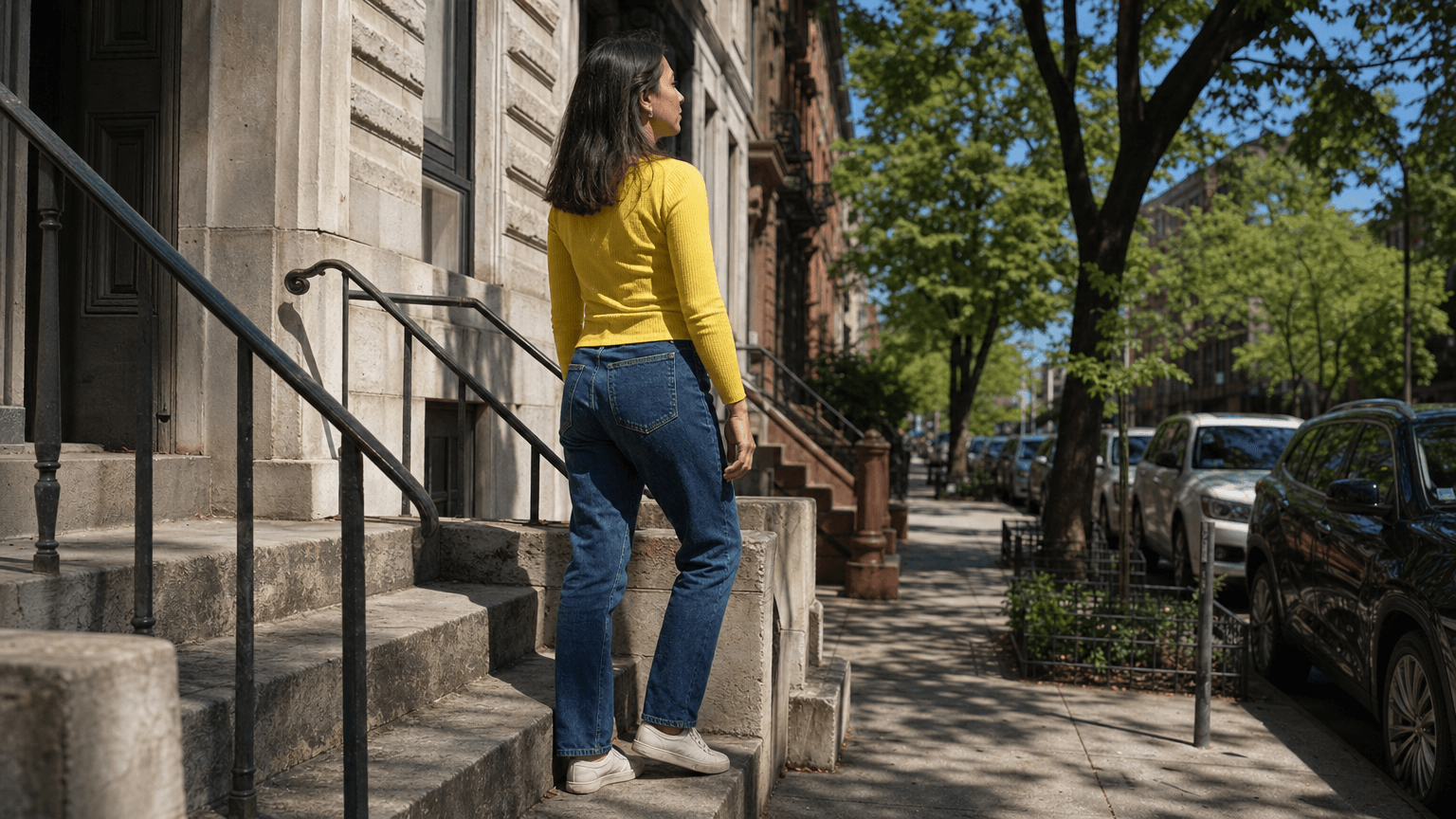


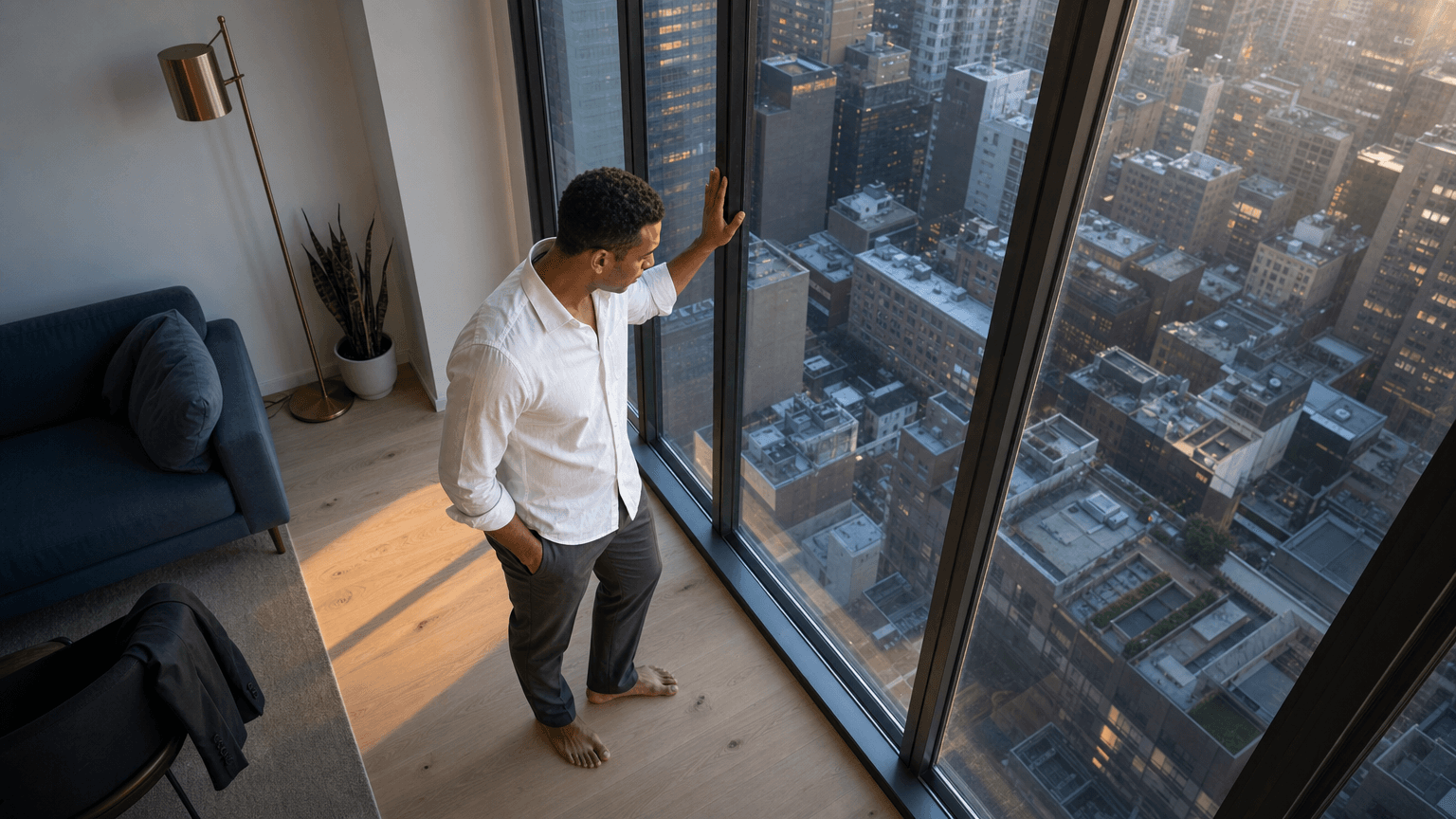
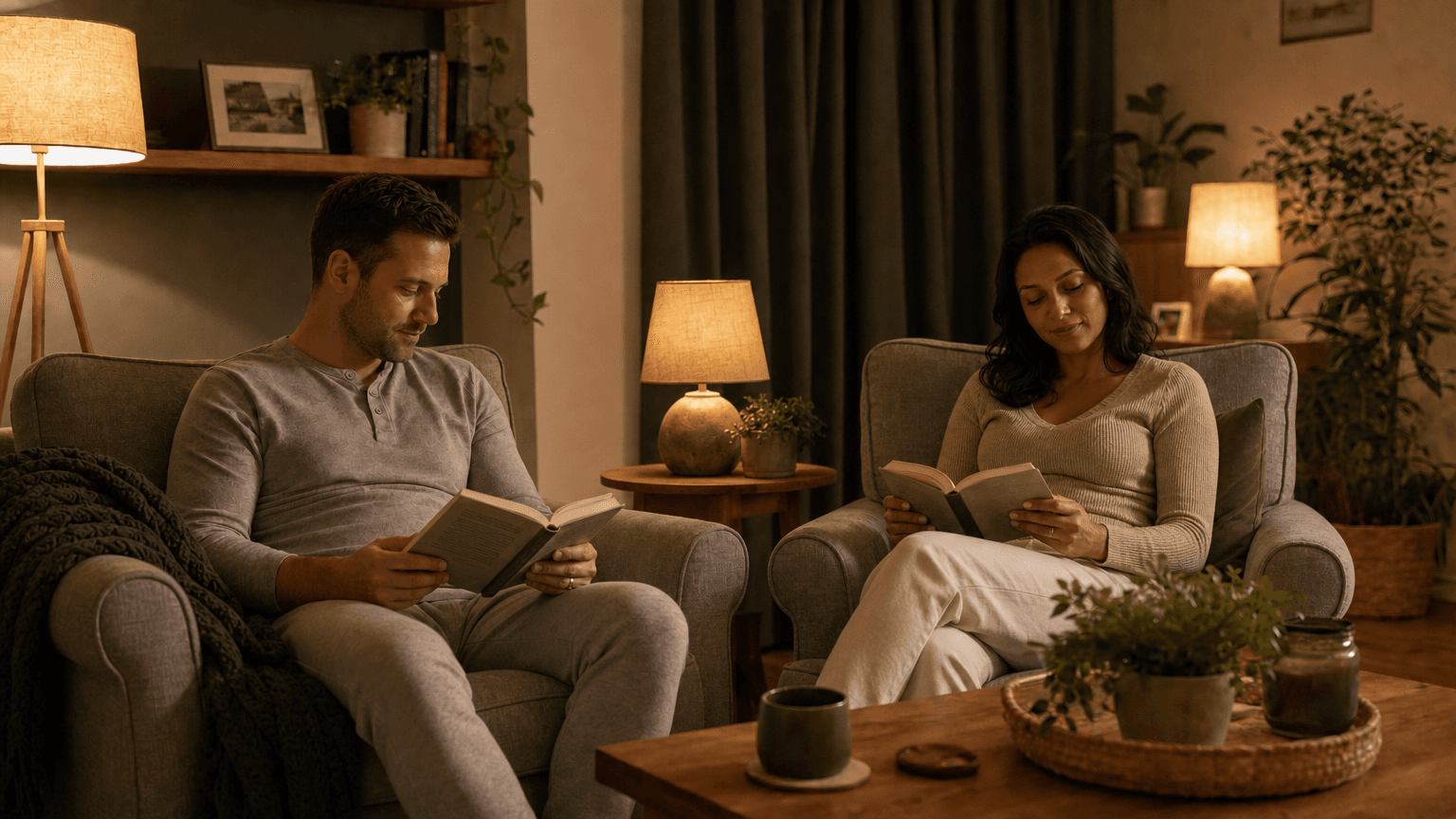
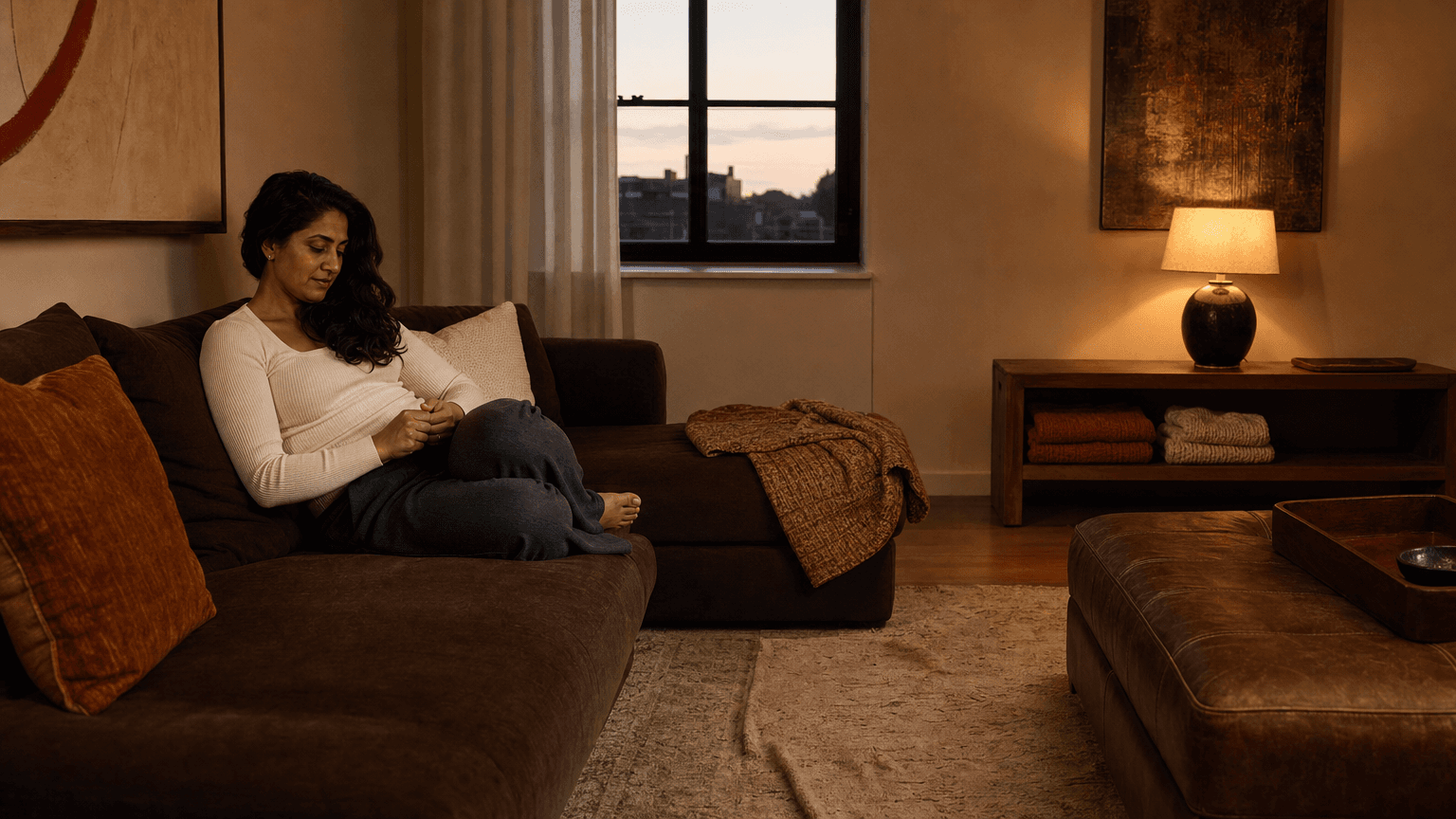
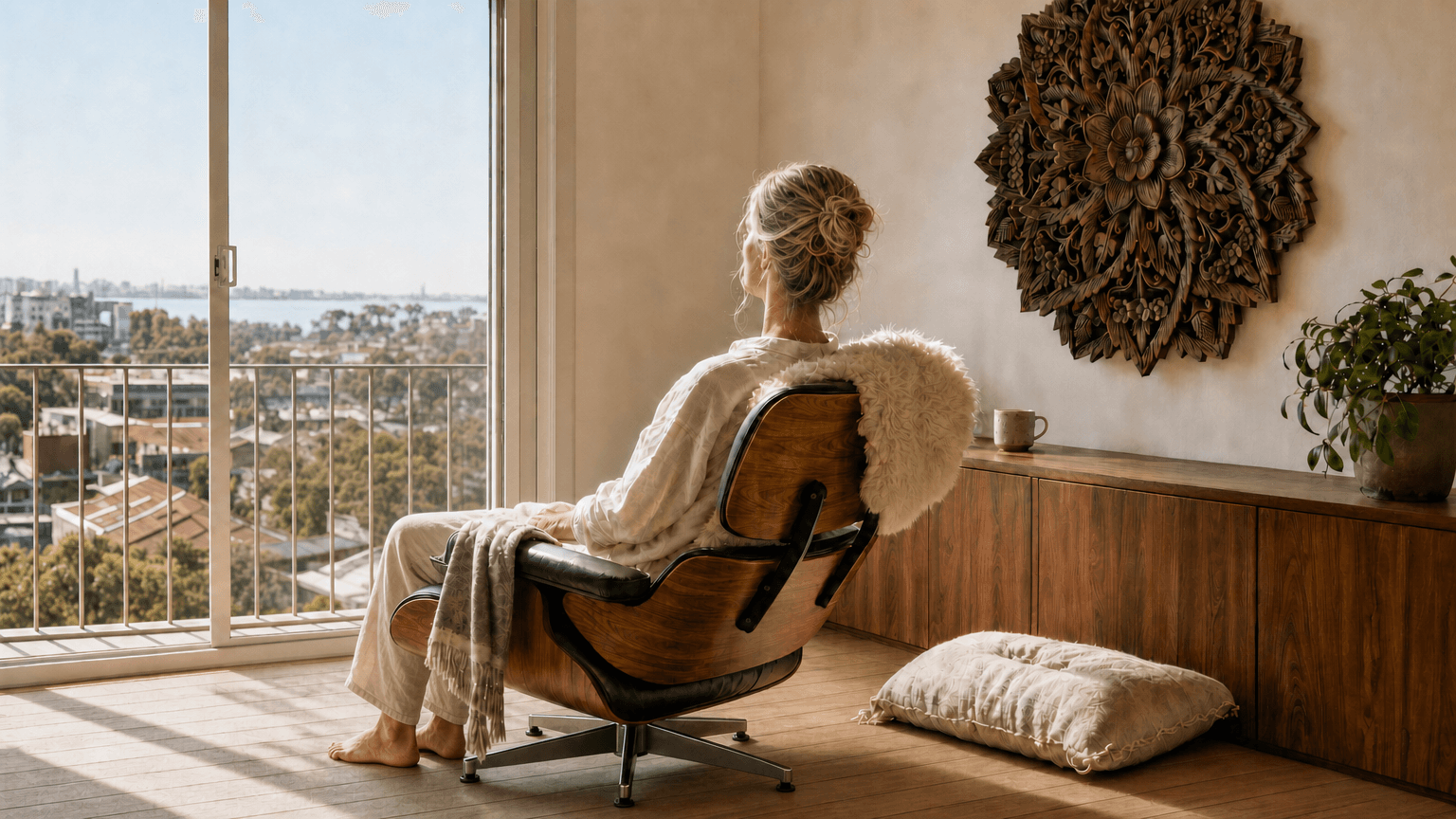
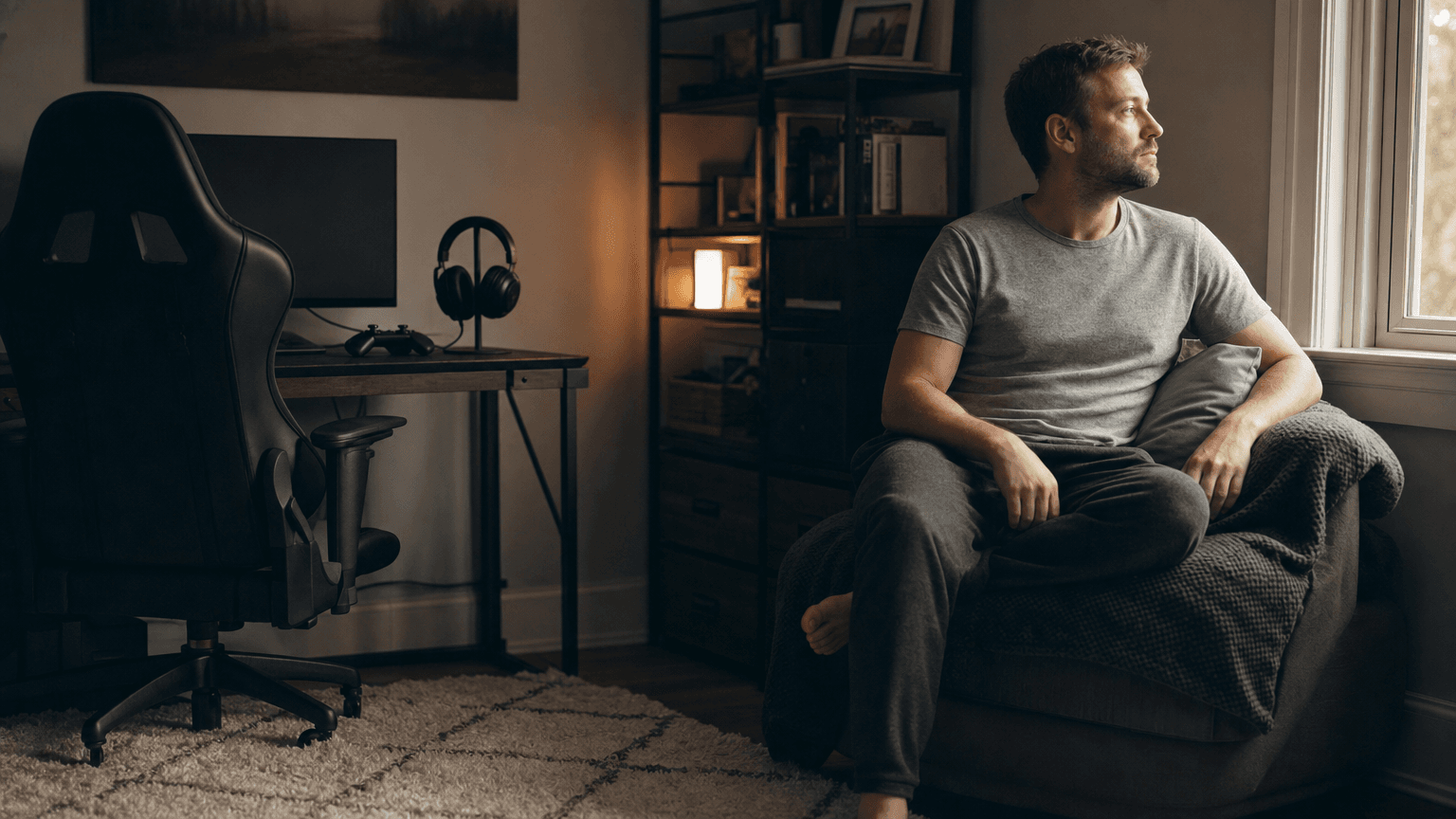



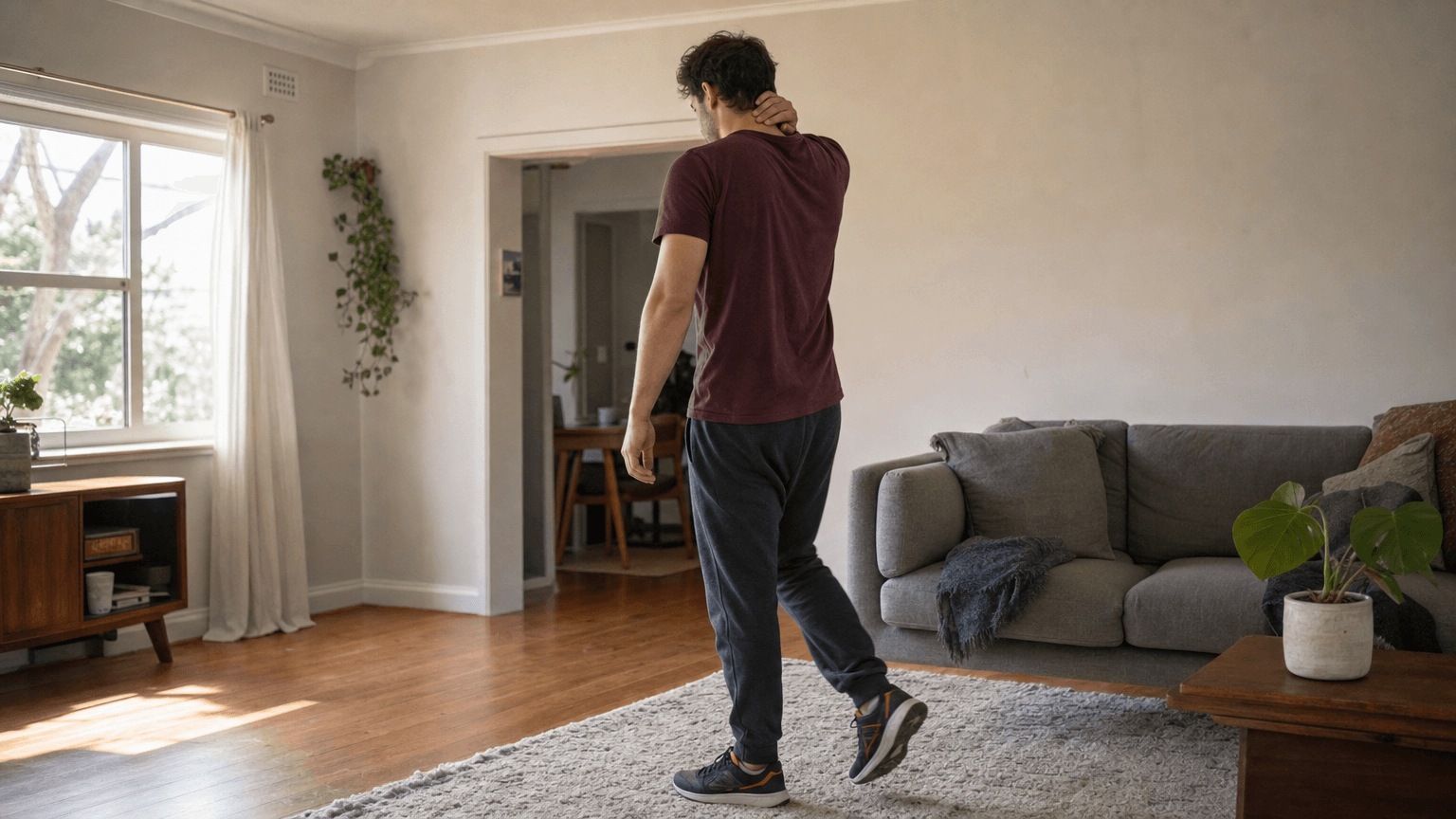
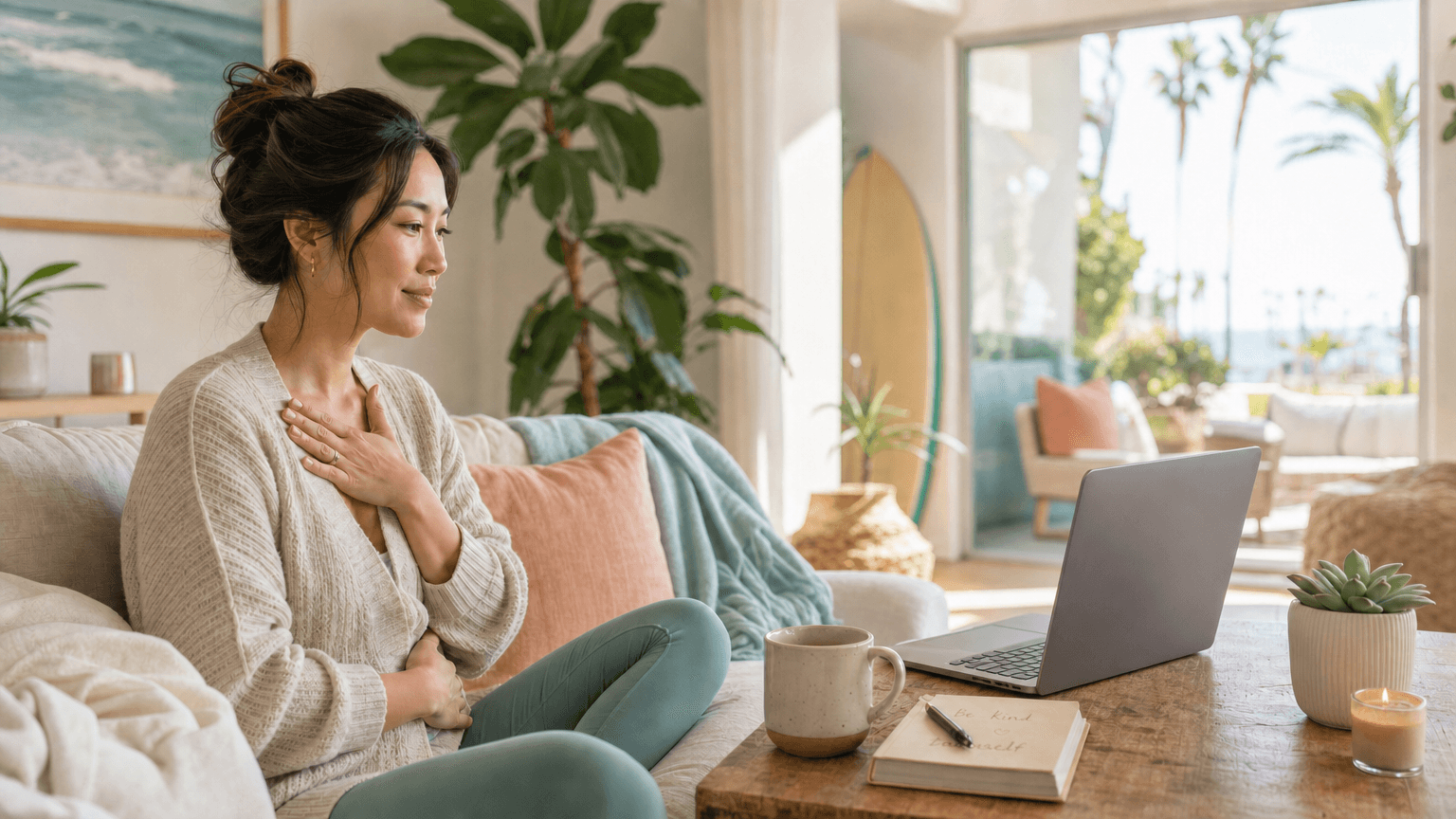
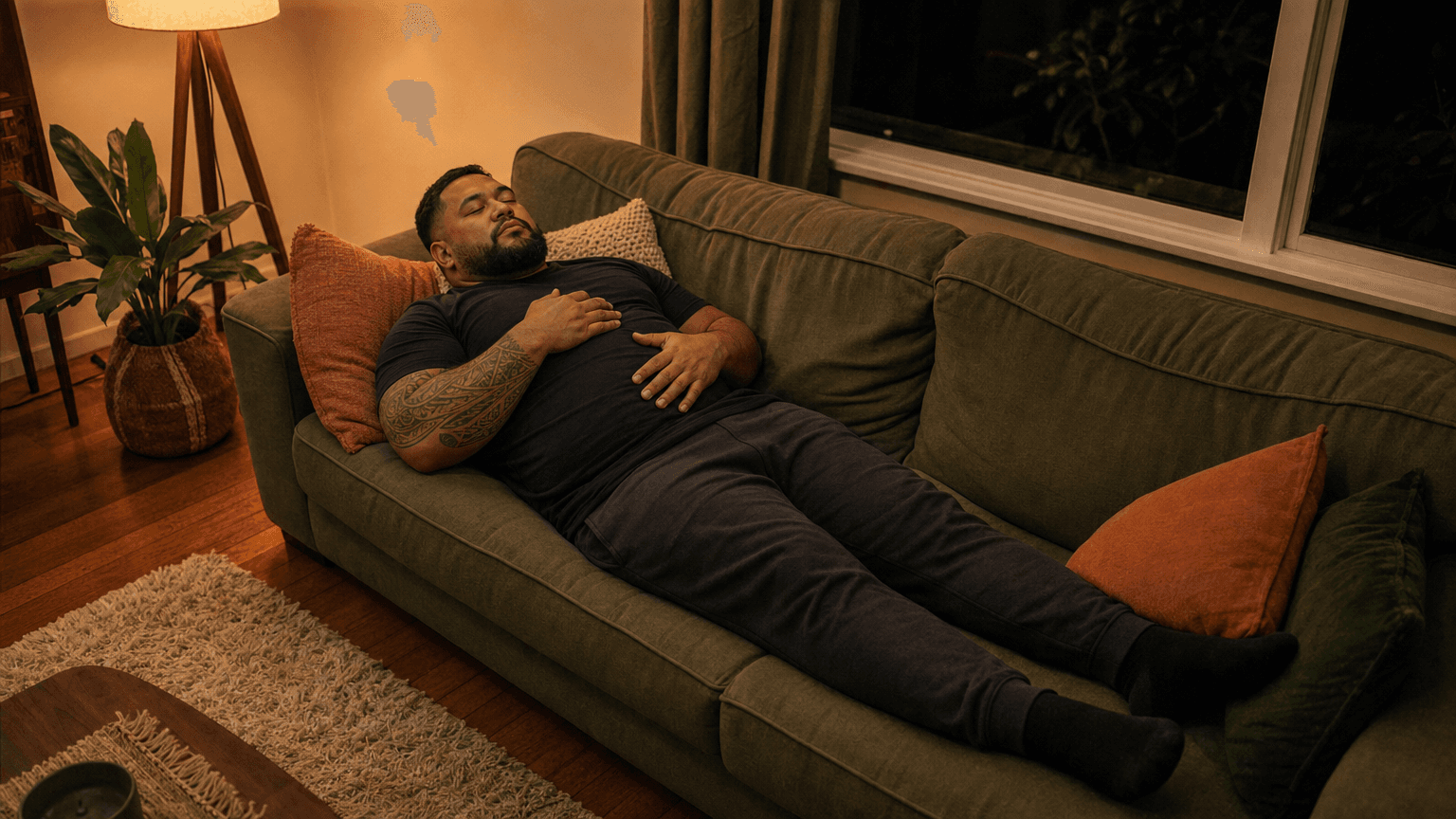




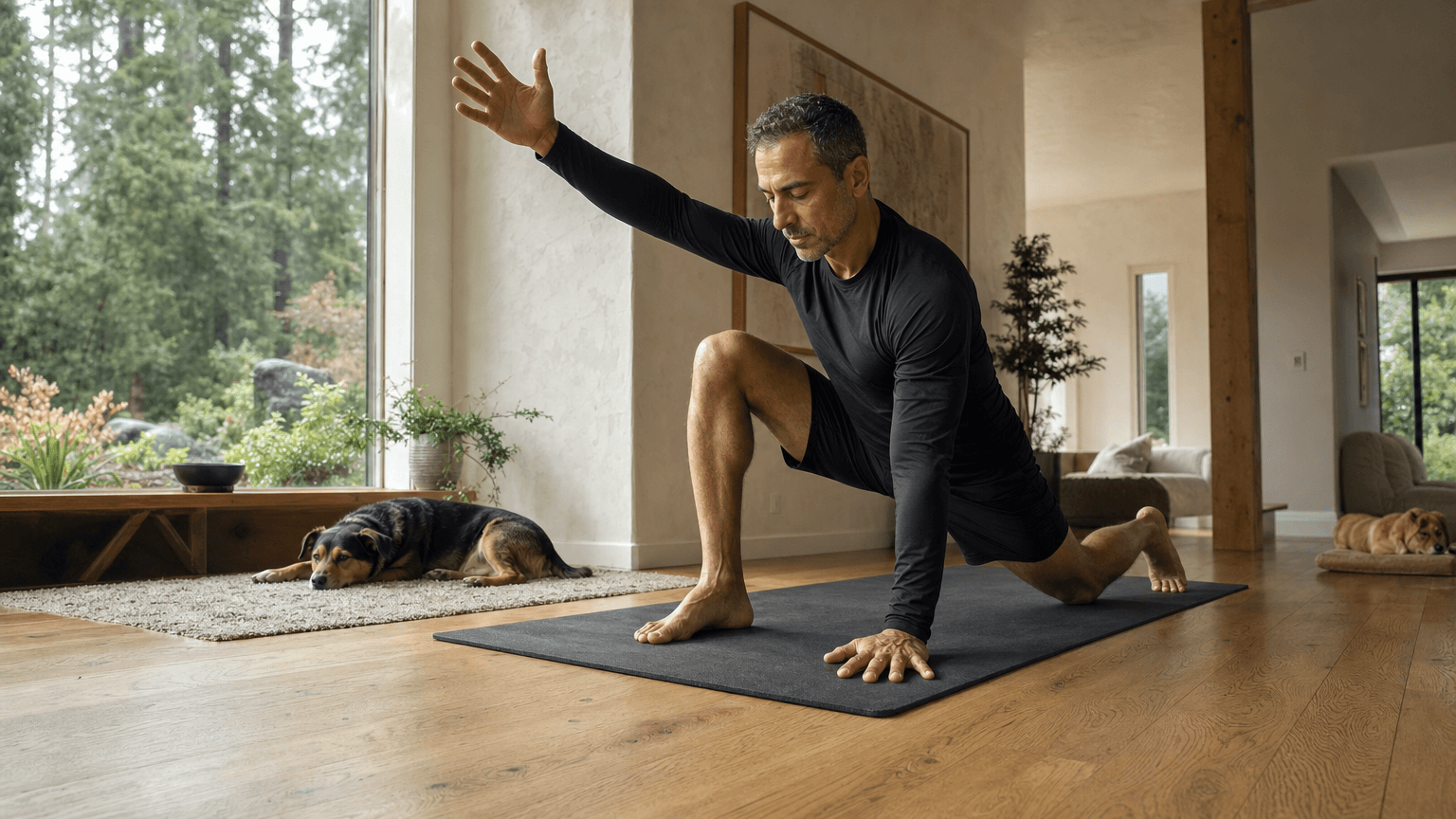


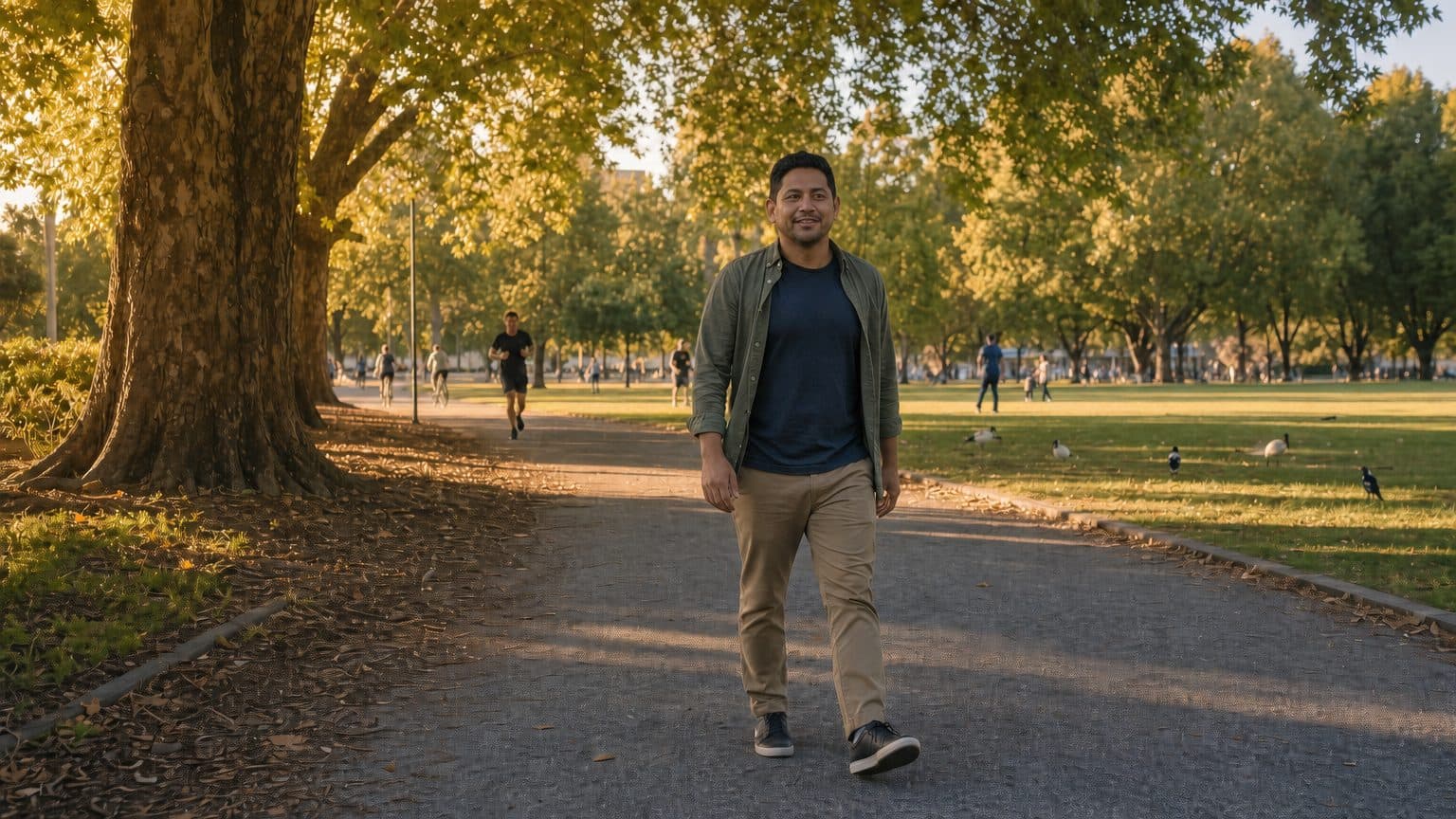





Wellbeing benefits
Why breath work is good for you
Breath work steadies emotions and builds self-control. Regular practice enhances body awareness, reduces stress effectively and improves emotional regulation.
Breath work has been shown to significantly reduce anxiety symptoms in adults with clinically diagnosed anxiety disorders (Banushi et al., 2023). Incorporating breath work into your routine can be a practical and accessible way to alleviate feelings of overwhelm.
Diaphragmatic breathing has been found effective in reducing physiological stress, including lowering blood pressure and improving respiratory rate and cortisol levels (Hopper et al., 2019), and is an easy practice to improve your physical wellbeing.
Breath work techniques, such as pranayama, can improve meditation outcomes, contributing to an enhanced sense of overall wellbeing (Sultanoff, 2002).
In one study, breath work was used to enhance sports performance and recovery, and this had a positive impact on social interactions and teamwork among athletes (Sultanoff, 2002).
Regularly practising breath work can improve your cognitive functions by increasing the oxygen flow to your brain and by reducing your stress levels, which in turn will support your mental clarity and intellectual activities (Brown & Gerbarg, 2009).
Common styles
As you explore breath work and consider lining up your first session, you may want to consider which style of breath work you would like to try first, and how they differ:
This style focuses on regulating your breath to achieve a state of relaxation and calm. Techniques include deep breathing, where you take long, slow breaths to help reduce stress and anxiety. This method is often used in meditation and yoga.
Also known as nadi shodhana or alternate nostril breathing, this technique involves breathing through one nostril at a time while closing the other. It's believed to balance the body's capacity and enhance mental clarity. This practice is commonly used in pranayama or kundalini yoga.
Often called belly breathing, this style encourages you to breathe deeply into your diaphragm rather than shallowly into your chest. This technique can improve lung capacity, reduce tension and enhance overall relaxation. It's particularly useful for managing stress and anxiety.
Methods include box breathing, 4-7-8 breathing and triangle breathing (and more). These styles involve inhaling, holding the breath, exhaling and potentially holding the breath again for pre-determined counts to manage stress, enhance focus and promote relaxation.
Self-led, one-on-one, or in a group
Whether you go it alone, join a group, or work 1:1 with a teacher, we’ve laid out what each path can look like.
Recommendation for first-timer
1st pick
This option is great for individuals who prefer to learn at their own pace and/or have a busy schedule.
It offers flexibility and convenience, however it requires more self-discipline and may lack the immediate feedback and community support found in group or 1:1 settings.
3rd pick
A 1:1 is ideal for those who prefer personalised attention and tailored guidance.
This option allows you to receive specific instructions based on your individual needs and progress, ensuring you develop a solid foundation in breath work.
2nd pick
We recommend moving to a class environment when you are ready for a more advanced or more challenging practice.
The communal aspect also helps keep motivation high and allows for shared experiences and learning.
Availability
Widely
Streaming an online class or downloading a free breath work app is the quickest way to squeeze a practice in at home, and makes a self-led, home practice easily accessible.
Widely
1:1 classes can be arranged with a breath work coach, a yoga teacher, or a trained instructor either in-person or virtually, offering flexibility in scheduling based on mutual availability.
Widely
Breath work classes are usually found at yoga studios or at health hubs. Sessions are scheduled regularly, making it easy to find a time that works for you.
Average cost per session
Free or low cost
On a budget? Online breath work videos or breath work apps can be downloaded or streamed online for free, or for minimal cost, each month.
Expensive
1:1 classes usually cost between $50-$150 per session, depending on the personalised nature of the guidance and the instructor’s level of expertise.
Free or low cost
Group breath work classes usually cost between $10-$30 per class, depending on the location and the instructor's expertise.
Special equipment required
None or minimal
Got lungs and a bed or couch? Then get ready to start breathing, because all you really need is some space where you'll be undisturbed and a comfortable place to sit or lie down.
No special equipment is required to get started.
None or minimal
Usually no special equipment is required, unless specified by the instructor for specific techniques.
None or minimal
Typically no special equipment required, though some venues may provide mats, cushions or bolsters for comfort.
Potential for socialisation & community
Mostly solo
Limited, unless you sign up to online forums or social media groups dedicated to breath work.
Mostly solo
Low, as the focus will be on your individual progress, but you will have deeper, more personalised interactions with your instructor.
Highly social
In a class environment there is high potential for social interaction, providing opportunities to meet like-minded individuals and share experiences.
Safety & skill building
Consider risks
There will be a need to self-monitor and progress gradually to ensure proper technique.
Safe & fast
Your instructor will provide personalised feedback and tailored instruction to ensure a safe practice.
A private session is tailored to you, so your progress will improve at a greater rate than if on your own or in a group setting.
Mixed results
Your instructor will guide your practice and ensure the proper techniques are followed for safety and skill building.
Space or privacy required
Minimal
All you need is a space to practice without distractions.
Lots required
A 1:1 session will be conducted in a private setting, ensuring your privacy and comfort.
Minimal
Your practice will be conducted in a shared space, with a focus on the collective practice.
Ease of scheduling
Very flexible
Extremely flexible, fitting into any schedule as you can practice whenever you find time.
Need to plan
Private instructors offer flexibility, however you may still have to choose from particular days and times available that suit you both.
Quite rigid
Class days and times are pre-scheduled so you may have to hunt around for a class and time that suits you.
Setup time
Little to none
Minimal. Just find a distraction free spot and start your practice.
Up to 30 mins
Doing a virtual session?
Pull out your phone (or device of choice) and get started.
Doing it privately in a studio?
Consider:
- Driving to and from the studio.
- How long it will take to pay and discuss any needs with the instructor.
Over 30 mins
Consider:
- Driving to and from the studio.
- How long it will take to pay and discuss any needs with the instructor.
- How long it will take to grab any props required and settle in.
Active practice time
Under 20 mins
Sessions can range from 10-30 minutes per session, so simply search online or your breath work app for a practice that will suit how much time you have available.
Up to an hour
A private breath work session usually runs for between 30 to 60 minutes depending on the instructor and your goals.
Up to an hour
Most classes run for between 30 to 60 minutes for a full practice.
Unexpected advantages
Random
You might end up with enhanced sound awareness, and realise just how loud your refrigerator hums or your dishwasher gurgles.
Wholesome
Getting tips tailored to your specific needs might make you feel like a breath work superstar!
Random
Breath work classes will provide you with a cool conversation starter… "Hey, remember that time we all did that weird breathing thing together?”
Academic research we rate
- How Breath-Control Can Change Your Life: A Systematic Review on Psycho-Physiological Correlates of Slow Breathing
Full citationHide citation
- Brief structured respiration practices enhance mood and reduce physiological arousal
Full citationHide citation
- Slow breathing for reducing stress: The effect of extending exhale
Full citationHide citation
- The influence of breathing techniques on physical sport performance: a systematic review and meta-analysis
Full citationHide citation
- Effect of Breathing Exercises on Oxidative Stress Biomarkers in Humans: A Systematic Review and Meta-Analysis
Full citationHide citation
Show all 10 studiesShow fewer studies
- Effects of Yoga Respiratory Practice (Bhastrika pranayama) on Anxiety, Affect, and Brain Functional Connectivity and Activity: A Randomized Controlled Trial
Full citationHide citation
- Effects of Yoga Respiratory Practice (Bhastrika pranayama) on Anxiety, Affect, and Brain Functional Connectivity and Activity: A Randomized Controlled Trial
Full citationHide citation
- Effect of coherent breathing on mental health and wellbeing: a randomised placebo-controlled trial
Full citationHide citation
- The Effect of Slow-Paced Breathing on Cardiovascular and Emotion Functions: A Meta-Analysis and Systematic Review
Full citationHide citation
- The Effect of Diaphragmatic Breathing on Attention, Negative Affect and Stress in Healthy Adults
Full citationHide citation
Safety
Are you ready to breathe in the benefits? Before you do, there are some important things to keep in mind. Most controlled breath work exercises are safe for most people, these helpful tips can help ensure that your first breath work practice is the first of many.
- Listen to your body, start gradually and practise with care to minimise risks. If you are pregnant or have a health condition, we recommend consulting with your healthcare provider.
- If you experience dizziness, light-headedness, hyperventilation or discomfort, stop and resume normal breathing.
- Opt for a space where you can give your full attention to the practice.
- Do not do this practice in water.
What you might experience
At the start, you might feel a little awkward, questioning if you're even doing it right. Controlled breathwork can seem so simple, yet focusing solely on your breath can feel surprisingly unnatural at first. You might even catch your mind wandering, which is completely normal. The key is not to judge yourself—just breathe and relax into it!
As you continue, you'll start to feel a sense of calm slowly washing over you. The rhythm of your breath begins to take over, and you may find your body naturally relaxing. It’s like the stress from the day starts to fade with each inhale and exhale. You’ll likely feel a growing sense of ease as your breath becomes deeper and more controlled.
A few minutes in, you might suddenly become aware of how much tension your body has been holding onto. It’s like a lightbulb moment—you realize areas like your shoulders, neck, or even jaw have been clenched. With each breath, you start releasing that built-up tension, leaving you feeling lighter and more in tune with your body.
By the end, you might feel an overwhelming sense of balance and calmness that’s hard to describe. It’s as if your mind has cleared out all the clutter, and your body feels aligned. The calm you experience is profound, and you’ll probably want to sit with that feeling a little longer, soaking in the calm before returning to the world.
For some, deep relaxation can even lead to a surprising nap! Don’t be shocked if, during breathwork, you find yourself drifting off into a light sleep. This is a sign that your body is deeply relaxed, which is actually a good thing. It means you’ve successfully let go of stress, and your body feels safe enough to rest.
Check it out
Sit & breathe


Want to try breath work alongside some other activities?
You don't have to build a routine from scratch. Every Burst is a ready-made plan you can schedule in a couple of taps.