
Yoga Nidra
yogic sleep, conscious sleep, guided relaxation, deep relaxation
Yoga Nidra is a guided meditation practice that induces deep relaxation while keeping the mind awake and aware, helping reduce stress, improve sleep and enhance emotional wellbeing.
MoreLess
What is Yoga Nidra?
Yoga Nidra, sometimes referred to as "yogic sleep", is a deeply restorative practice designed to bring the mind and body into a state of profound relaxation. Unlike traditional yoga, which focuses on physical postures, Yoga Nidra is done lying down, making it accessible to almost everyone. Its popularity has surged in recent years, especially for stress relief and sleep support, with many turning to it for help with insomnia and anxiety. During a session, you'll be guided through breathwork, body scans and sometimes visualisation, bringing your mind into a quiet state of awareness or even sleep. If you're new to meditation or just looking for a simple way to unwind or rejuvenate, Yoga Nidra offers the perfect starting point for deep relaxation and mental clarity. Read on for more!
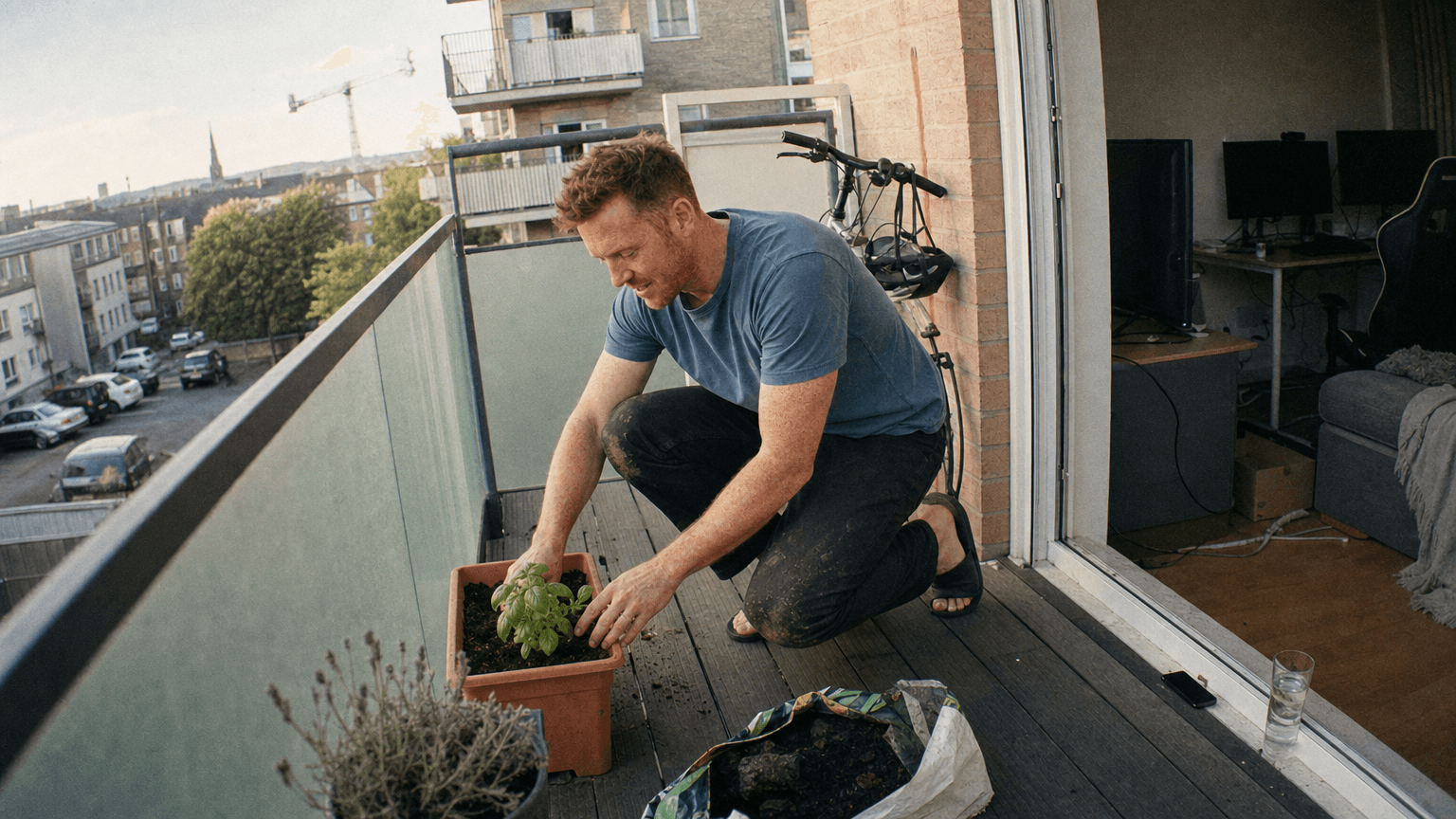
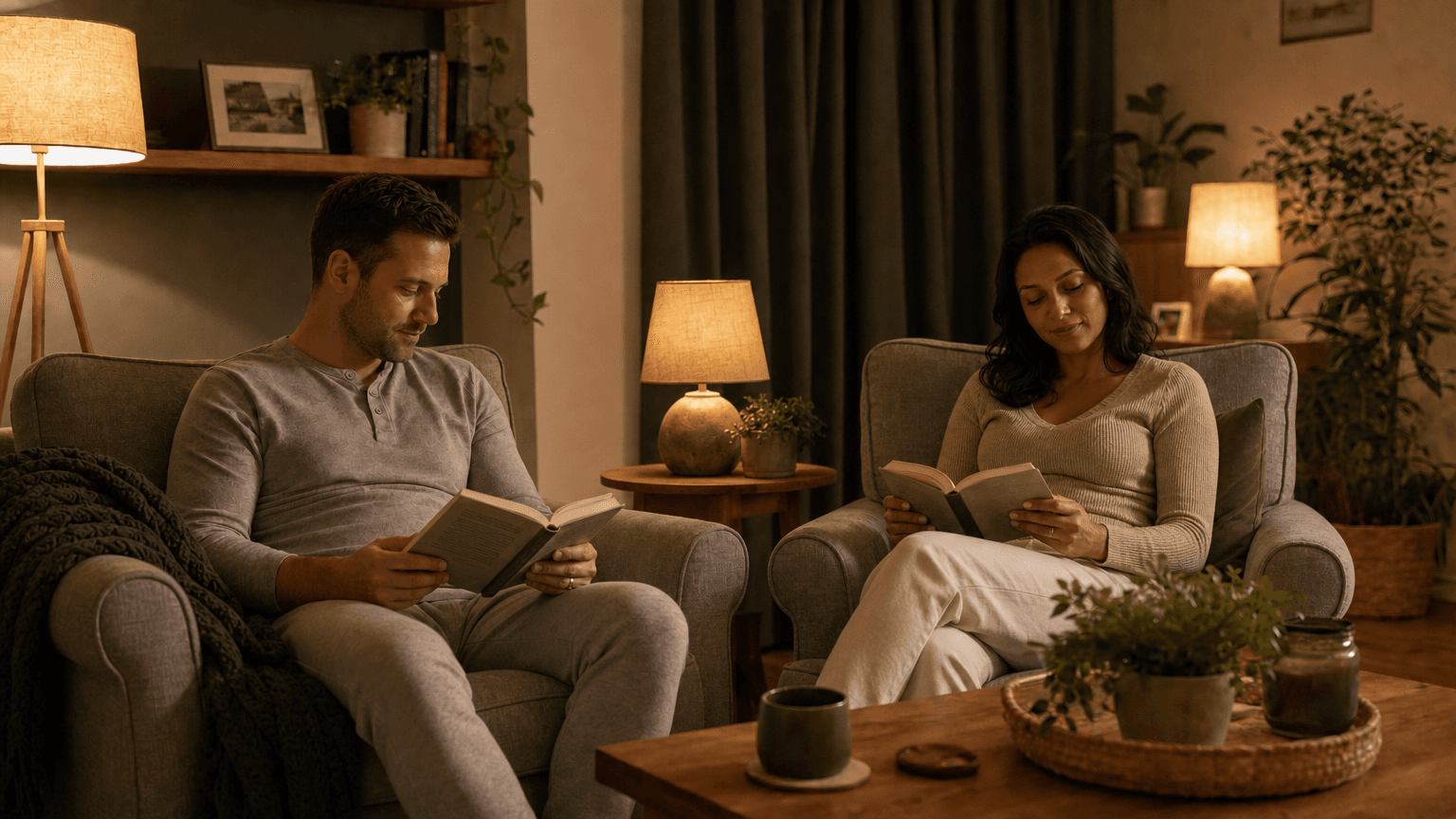
Bursts that feature yoga nidra



Wellbeing benefits
Why Yoga Nidra is good for you
Yoga Nidra sessions improve sleep and reduce stress. Regular practice enhances mental clarity and supports effective relaxation and recovery.
Yoga Nidra activates the parasympathetic nervous system, helping to lower cortisol levels and reduce overall stress. This leads to a profound sense of calm and relaxation, ideal for daily stress management (Halson, 2021).
Regular practice of Yoga Nidra has been shown to improve sleep onset and duration. It works by guiding the mind into a state of deep rest, reducing symptoms of insomnia and promoting healthier sleep patterns (Espie et al., 2020).
By encouraging introspection and emotional release, Yoga Nidra helps individuals process difficult emotions, fostering emotional resilience and improving mood stability. It’s particularly effective for those dealing with anxiety or emotional overwhelm (Price et al., 2021).
Yoga Nidra enhances cognitive function by training the mind to remain aware in deep relaxation. This can boost problem-solving skills, focus and memory retention during waking hours (Tang et al., 2015).
The deep relaxation achieved through Yoga Nidra supports the body’s natural restorative processes. This practice is beneficial for those recovering from physical strain, injury or illness by promoting deep rest and regeneration (Sarma et al., 2022).
Self-led, one-on-one, or in a group
Whether you go it alone, join a group, or work 1:1 with a teacher, we’ve laid out what each path can look like.
Recommendation for first-timer
1st pick
- This is our recommended way for a beginner to explore meditation, as it’s both private and flexible.
- Simply download an app or stream meditations online to get started with your practice.
- Well suited to those who enjoy self-paced learning.
3rd pick
- This option is still a great one if you need customized meditation tuition to help solve particular challenges.
- Personalized attention probably isn’t necessary for most beginners, as meditation (deep rest) is easy to practice independently with apps or group guidance.
2nd pick
- Coming in second place, this option is great for those who enjoy social settings and group support.
- Group classes are a great way to learn in a supportive environment. Classes for body scan or Yoga Nidra are often offered in meditation centers or online.
Availability
Widely
Apps and online YouTube videos make body scans or yoga nidras accessible anytime. Simply grab your phone or device of choice, and practice wherever and whenever suits you best.
Moderately
1:1 coaching is available through meditation instructors online or in person, but it’s not always focused on deep rest meditations like Yoga Nidra, so research may be required
Moderately
Group sessions for body scan and Yoga Nidra are available at meditation centers, yoga studios, and online platforms, though not always widely available.
Average cost per session
Free or low cost
On a budget? There are many free (or low-cost) apps or YouTube videos available, making your home meditation practice relatively inexpensive and budget-friendly.
Moderate costs
Private 1-1 classes can cost between $50-$100 per session, depending on the instructor and location.
Personalized sequences and 1-1 attention do come at a higher cost, but they also offer tailored benefits.
Free or low cost
Group sessions typically range from $10–$30 per session, depending on the teacher and location. Online classes are often more affordable than in-person ones.
Some community centers even offer discounts or sliding scale fees.
Special equipment required
None or minimal
Got a bed, a couch, or a patch of grass to sit on? Yes? Then you can do this meditation technique!
No special equipment is required. All you need is a quiet space and a comfortable place to sit or lie down.
You can use cushions, blankets, or other props to enhance your comfort if required.
None or minimal
No special equipment is required, though the instructor may suggest certain props based on your needs. Props will often be provided for you in a private in person session.
None or minimal
A mat or cushion can be helpful to add a little extra comfort to your practice. However, the class setting will usually provide any necessary items that will be needed.
Potential for socialisation & community
Mostly solo
Practicing on your own provides minimal social interaction. While this is ideal for those who prefer solo practice, those looking for community might miss the shared group energy.
Mostly solo
1:1 coaching is highly personalized but lacks the community element. It’s focused on your individual growth and doesn’t provide the social connection found in group practice.
Highly social
Group practice offers the chance to connect with others and share experiences, though the social aspect is usually limited to before or after the session. You’ll gain encouragement from the group setting.
Safety & skill building
Consider risks
- A self-led practice require is safe but will require self-discipline to initiate the practice.
- You’ll build skills at your own pace, though it can be harder to know if you’re doing it “right” without feedback.
Safe & fast
A coach provides detailed feedback, helping you fine-tune your practice for deeper relaxation. They’ll also help you overcome any challenges or resistance you may face during your sessions.
Mixed results
Group sessions offer real-time guidance, which helps ensure you’re using the proper technique. The instructor can help you adjust and answer questions, especially if it’s your first time practicing Yoga Nidra or body scan.
Space or privacy required
Minimal
You can practice in any quiet space where you can lie down comfortably. A corner of your home, bed, or even outdoors can work well.
Some required
For 1:1 coaching, you’ll need a quiet, private space free from distractions. This is especially important for online coaching to ensure focus and a deeper experience during sessions.
Minimal
Group classes are typically held in shared spaces like studios or online. You’ll practice in a communal setting, though privacy isn’t a major concern. You can relax alongside others.
Ease of scheduling
Very flexible
Self-led sessions can be done whenever it fits your schedule. Apps and guides offer flexible session lengths, so you can practice at any time of the day or night.
Need to plan
Scheduling 1:1 coaching requires coordinating with the instructor’s availability. While flexible, it may take more planning than self-led or group practices to find a suitable time for both parties.
Need to plan
Group sessions are scheduled at specific times, so you’ll need to fit them into your routine. Online classes often offer more timing flexibility than in-person sessions.
Setup time
Little to none
Simply grab your phone or device, find a comfortable spot to lie down, and make sure you will be warm or cool enough. Then press play. The setup is minimal, and you can begin within minutes.
Up to 30 mins
Preparing for a 1:1 session requires either travel or ensuring you have a quiet, distraction-free environment. Scheduling and setup take a bit more time, but once set, it’s straightforward.
Up to 30 mins
Group practice requires traveling to a studio or logging in at a set time. Some preparation is needed, but once you’re in the routine, it becomes easy.
Active practice time
Up to an hour
You control the length of your session. Body scan and Yoga Nidra practices range from short 5-10 minute sessions to longer 30-40 minute practices. You decide what works best for your schedule.
Up to an hour
An individual coached session will usually run 45–60 minutes, with dedicated time for personalized guidance and relaxation techniques. You’ll work closely with your coach to fine-tune your practice.
Up to an hour
Group sessions typically last between 45–60 minutes, offering more structured, in-depth practice than shorter, self-led sessions. It’s ideal for those seeking deeper relaxation.
Unexpected advantages
Actually useful
You will perfect the art of sitting still, which will prepare you for those long meetings at work (which should have been an email).
Actually useful
You might notice that shared silence can be more comforting than shared small talk, making the uncomfortable more comfortable for you.
Random
Realizing that a group of people trying not to snore together is oddly inspiring.
Academic research we rate
- Efficacy of Progressive Muscle Relaxation in Adults for Stress, Anxiety, and Depression: A Systematic Review
Full citationHide citation
- The Effects of Mind-Body Interventions on Sleep Quality: A Systematic Review
Full citationHide citation
- An 8-Week Relaxation Program Consisting of Progressive Muscle Relaxation and Mindfulness Meditation to Reduce Stress and Attenuate Stress-Driven Eating.
Full citationHide citation
- Analysis of Progressive Muscle Relaxation on Psychophysiological Variables in Basketball Athletes
Full citationHide citation
- Psychological effects of yoga nidra in women with menstrual disorders: A systematic review of randomized controlled trials.
Full citationHide citation
Show all 10 studiesShow fewer studies
- Differential effects of mindful breathing, progressive muscle relaxation, and loving-kindness meditation on decentering and negative reactions to repetitive thoughts.
Full citationHide citation
- Exploring the uses of yoga nidra: An integrative review
Full citationHide citation
- Efficacy of Abbreviated Progressive Muscle Relaxation in a High-Stress College Sample
Full citationHide citation
- Differential Treatment Mechanisms in Mindfulness Meditation and Progressive Muscle Relaxation
Full citationHide citation
- Yoga Nidra relaxation increases heart rate variability and is unaffected by a prior bout of Hatha yoga.
Full citationHide citation
Safety
Excited to lie down and reap mind and body benefits simultaneously? We get it! While Yoga Nidra is safe for everyone, these helpful tips will ensure your first practice lays the foundation for many more to come.
- Opt for a space where you can give your full attention to the practice.
- Be prepared for the possibility of falling asleep.
What you might experience
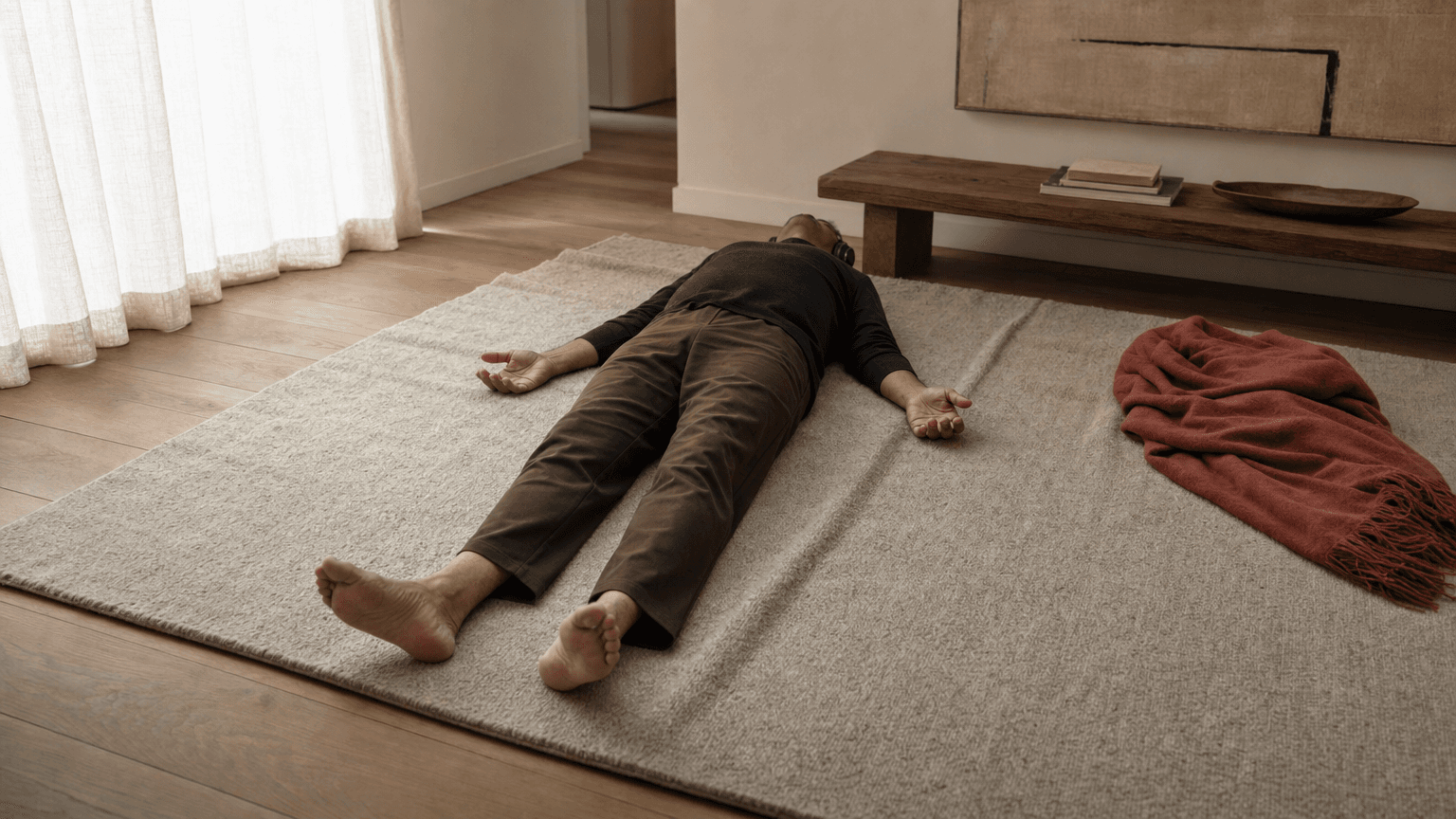
You’re about to try Yoga Nidra for the first time, lying comfortably on your back with a blanket. It feels almost too simple – no complicated poses or stretches, just stillness. You might wonder if something so enjoyable can actually be beneficial. Yoga Nidra is all about deep relaxation through guided awareness, and you’re about to experience it.
As the session begins, the guide talks you through gentle breathwork and a process similar to a body scan. You find yourself relaxing more than expected. It’s simple – just focusing on your breath and the sensation of your body on the floor. There’s no effort involved, and the ease of it makes you feel comfortable and almost sleepy.
Partway through, you realise you’ve lost track of the guide’s voice. Did you fall asleep? It’s completely normal to feel like you’re drifting in and out during Yoga Nidra. This practice often brings you to a state between wakefulness and sleep, so don’t worry if you feel like you’ve zoned out. That’s a sign of deep relaxation.
As the session progresses, you settle in. Your body feels heavy, yet your mind is quiet and clear. The combination of breathwork and body scanning brings you deeper into relaxation, helping you let go of tension. Yoga Nidra guides you into a deeply calm state, and you feel more rested than you have in a long time.
When the session ends and you open your eyes, there’s a sense of rejuvenation. Even though you were lying down the whole time, you feel refreshed, as if you’ve had a long rest. Yoga Nidra could leave you feeling lighter and more focused. It might also take you right off into sleep, so don’t worry at all if this is what happens for you.
Check it out
Sit & breathe


Want to try yoga nidra alongside some other activities?
You don't have to build a routine from scratch. Every Burst is a ready-made plan you can schedule in a couple of taps.