
Open awareness
open monitoring, non-judgmental observation, awareness meditation, mindfulness observation
Open awareness is a meditation technique that involves observing thoughts, sensations, emotions, and surroundings without judgment or attachment, fostering a calm and open state of mind.
MoreLess
What is open awareness?
Open awareness is a meditation technique that lets you sit back and observe everything happening in the present moment – without needing to control or focus on just one thing. Unlike other styles of meditation which have a single object only, this approach allows you to notice thoughts, feelings and sounds as they arise, creating a sense of freedom and spaciousness. It's gaining popularity because it feels flexible and relevant to everyday life.
Once you have learned the basics of the technique, you can easily guide yourself through it and ditch the device! During open awareness, you'll feel more open and relaxed, and afterward, there's often a sense of calm and mental clarity. If you're curious about a meditation style that doesn't require you to have to constantly listen to guided prompts, give open awareness meditation a try – it might just be the mental break you've been looking for.
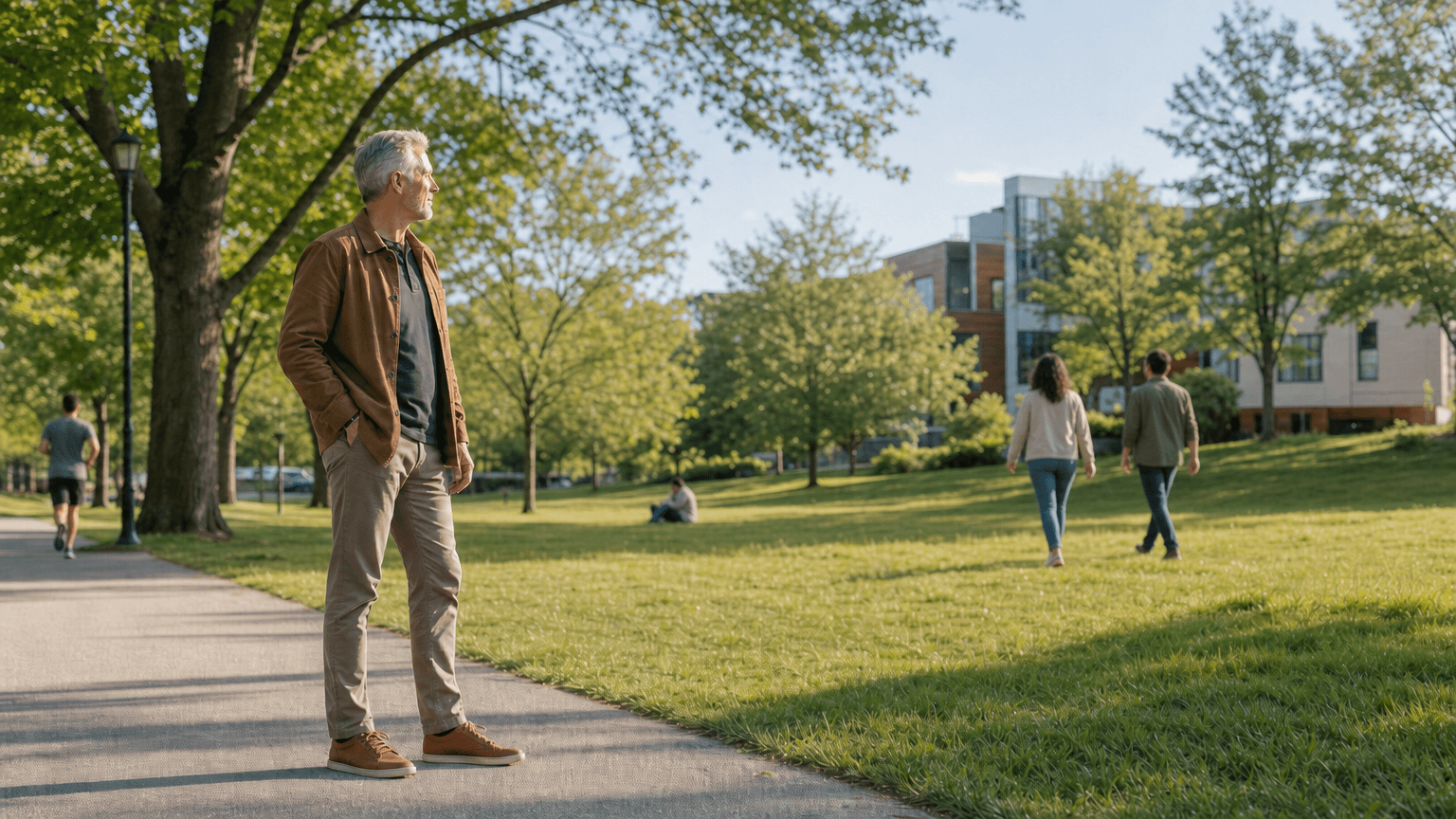
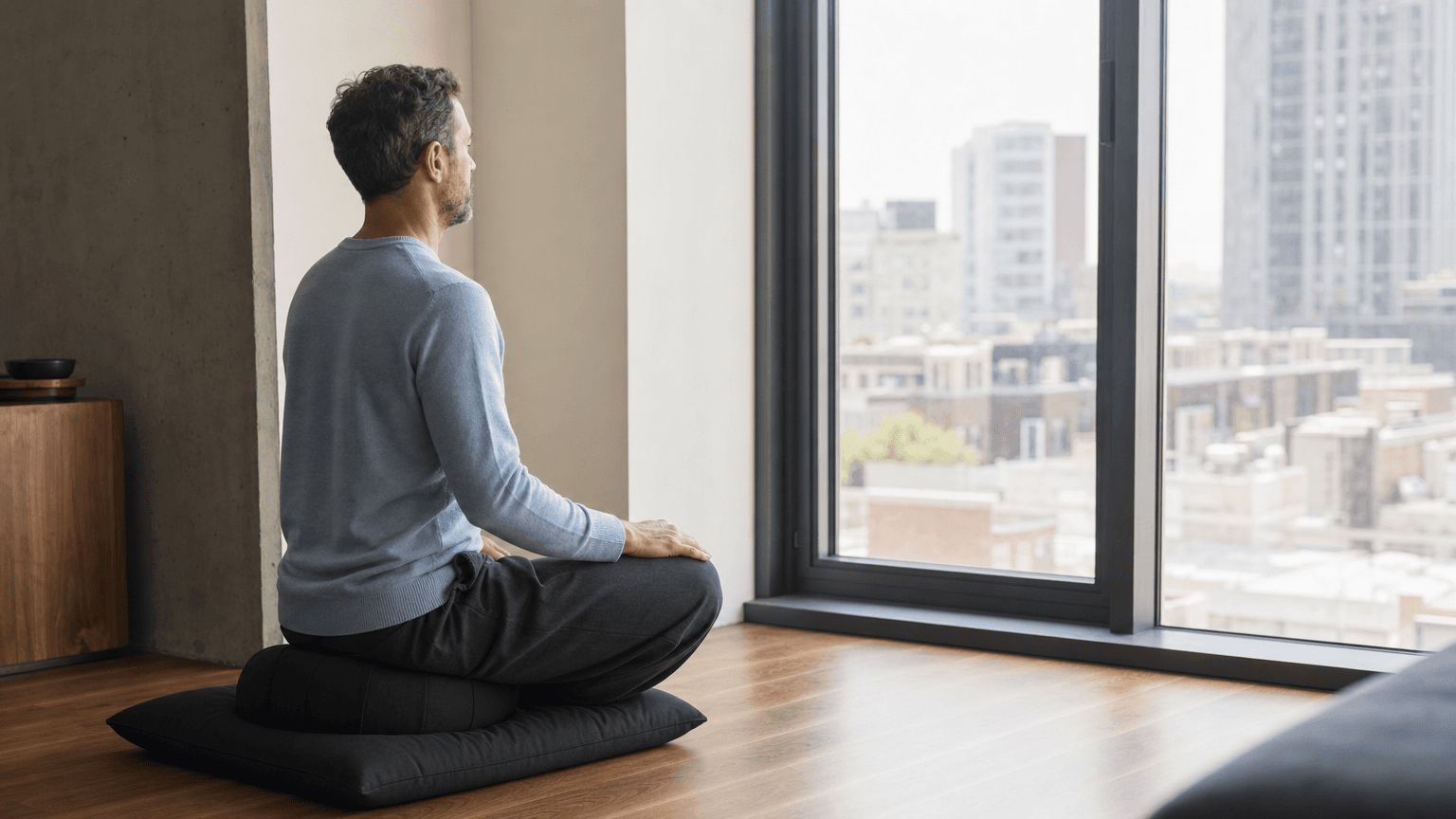
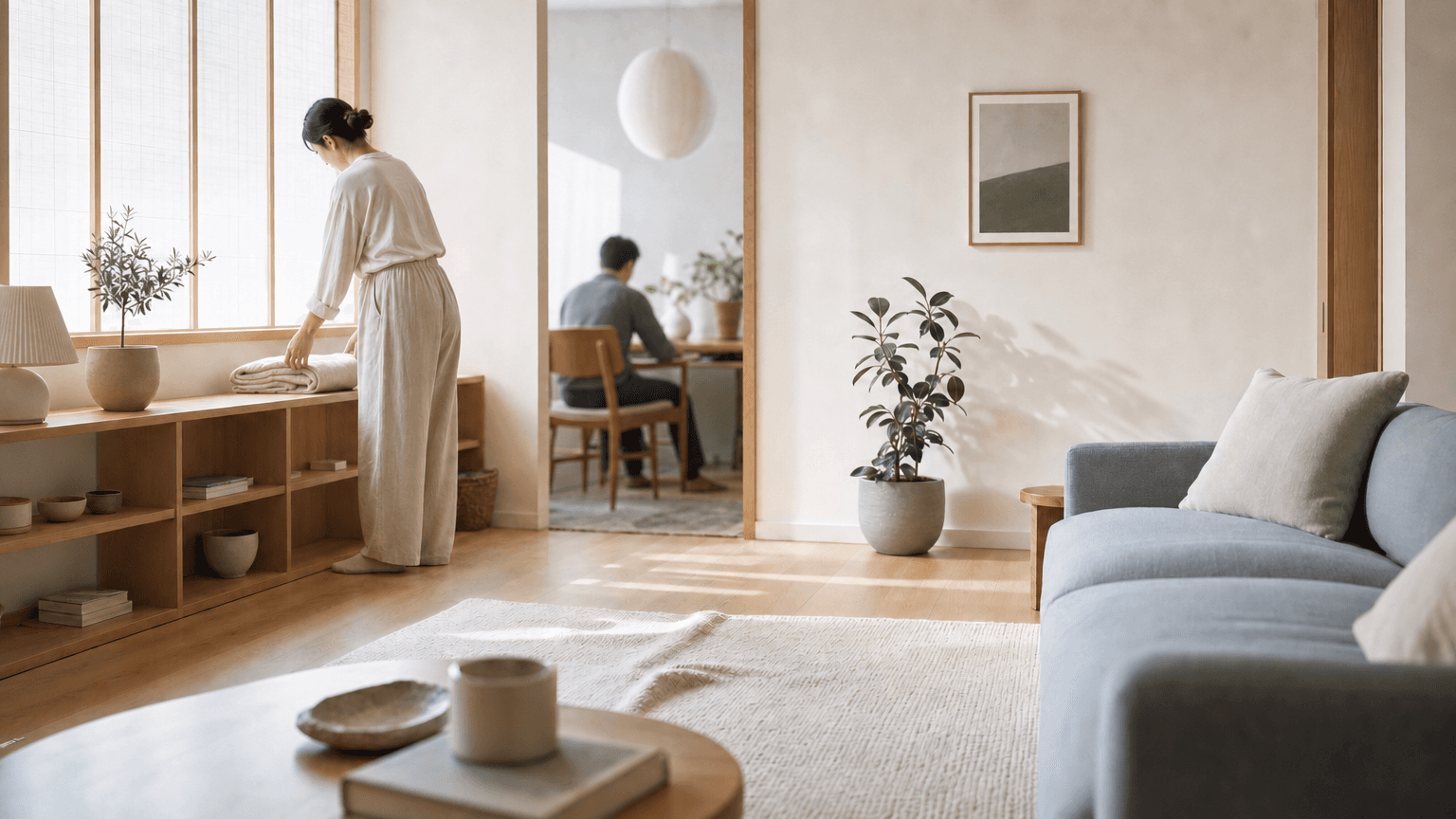
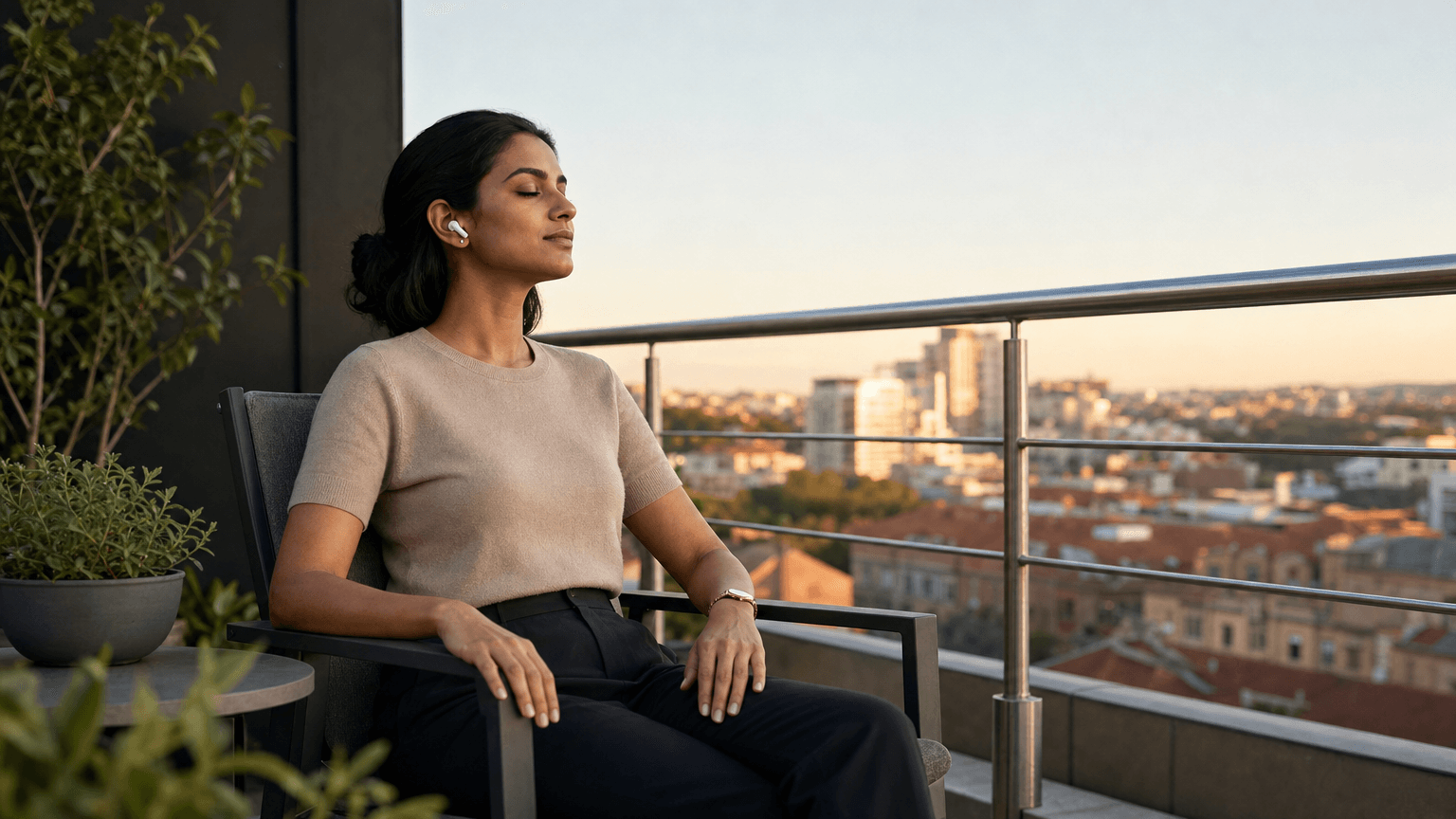
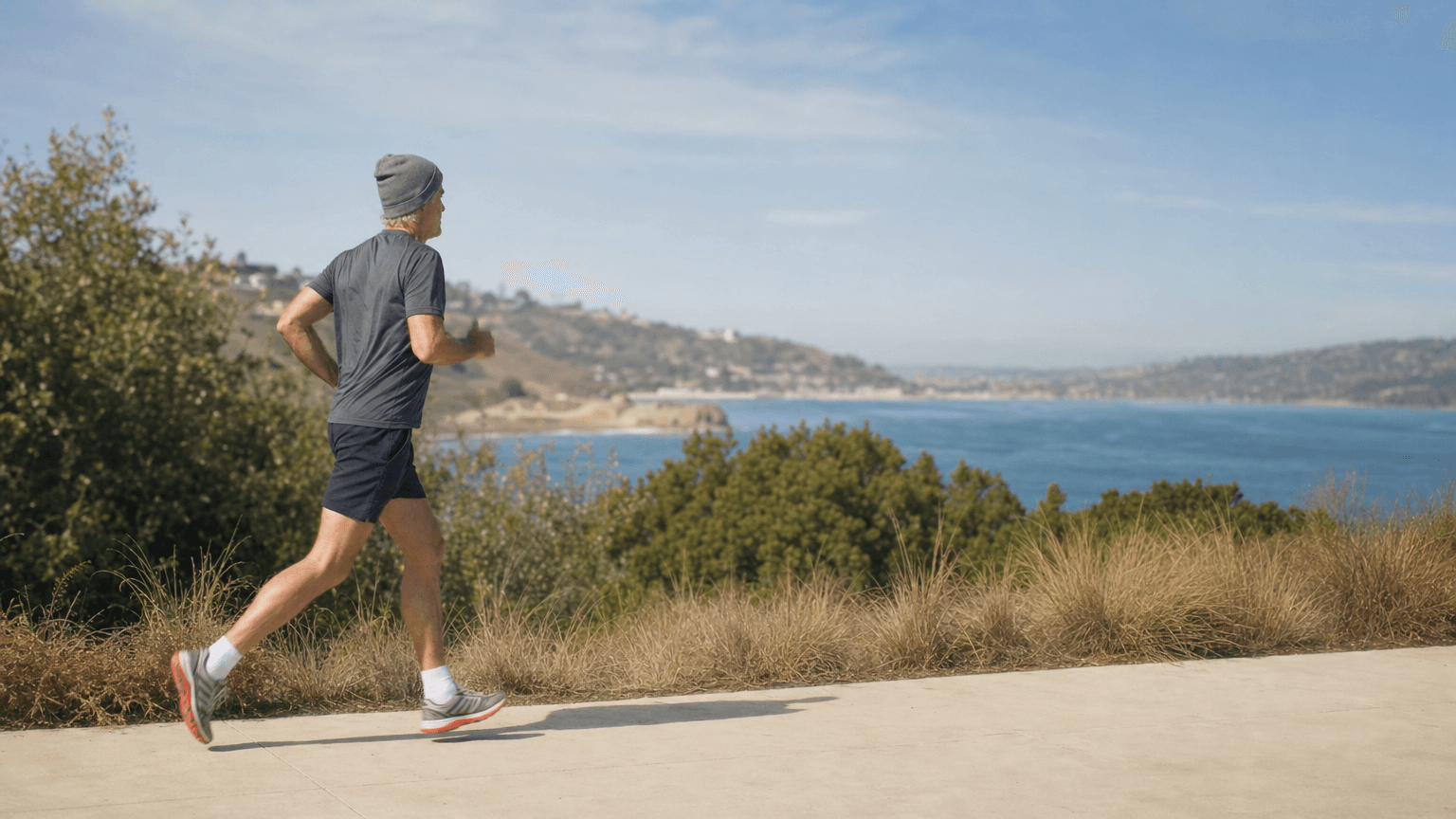
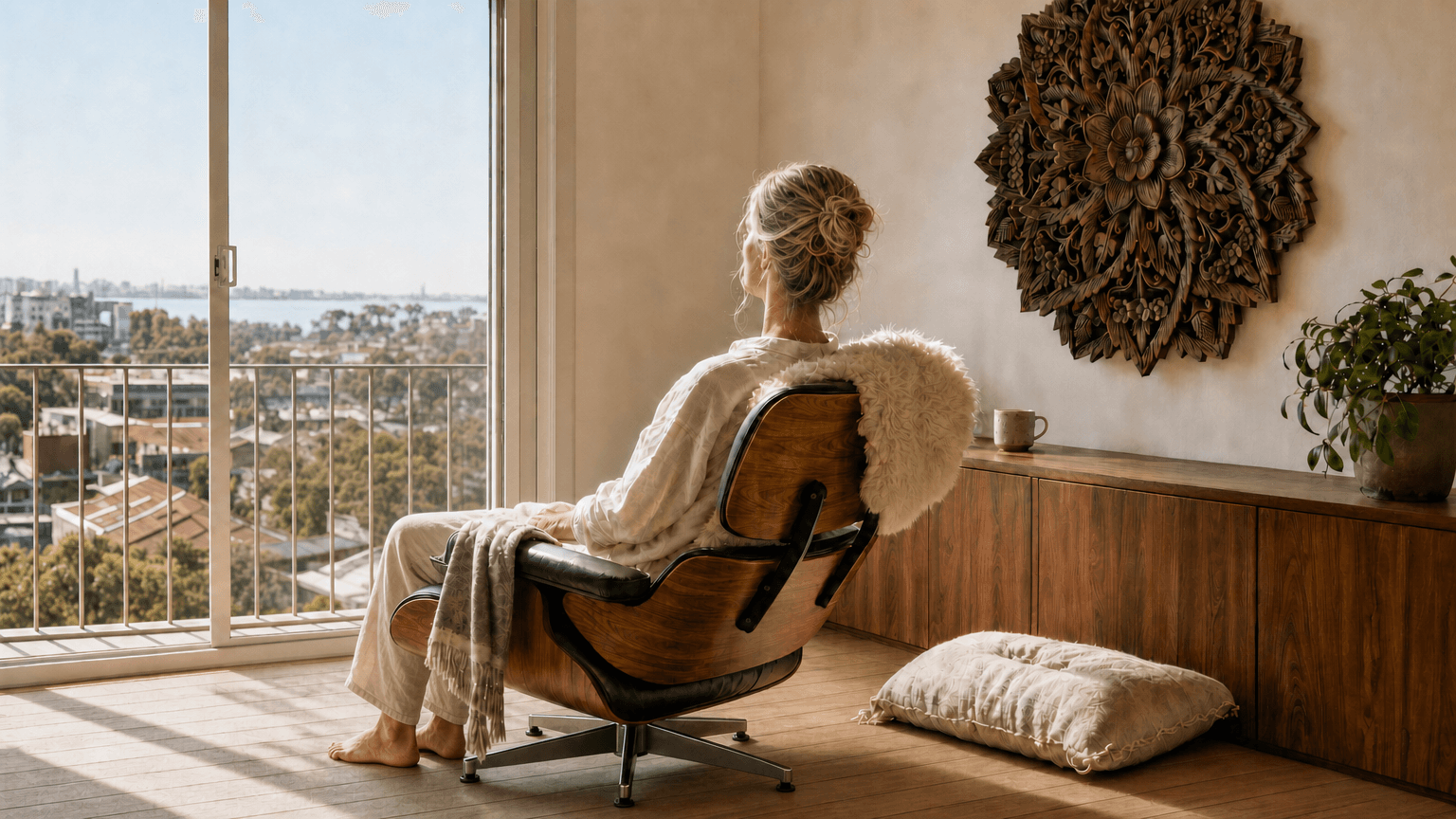
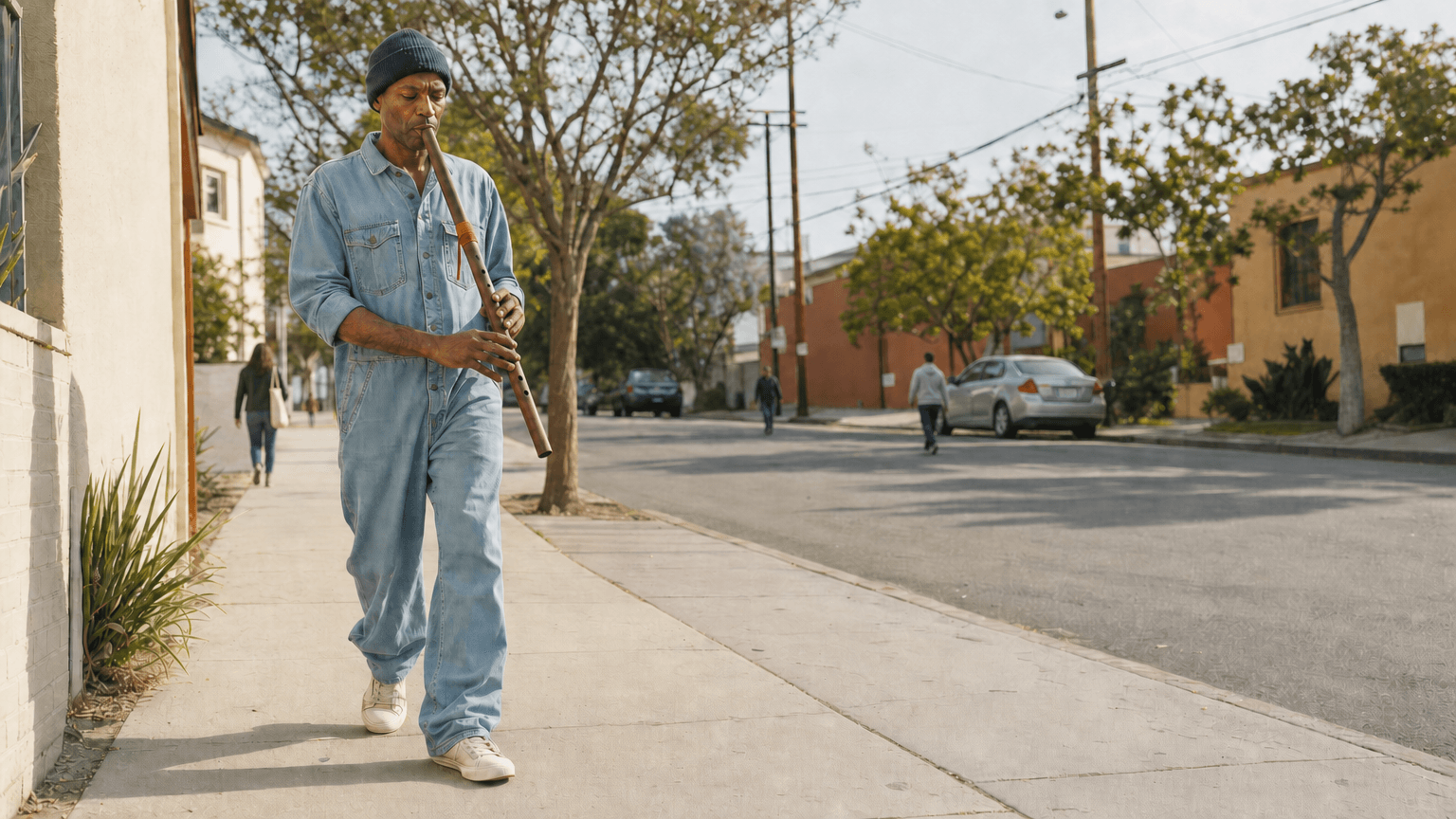
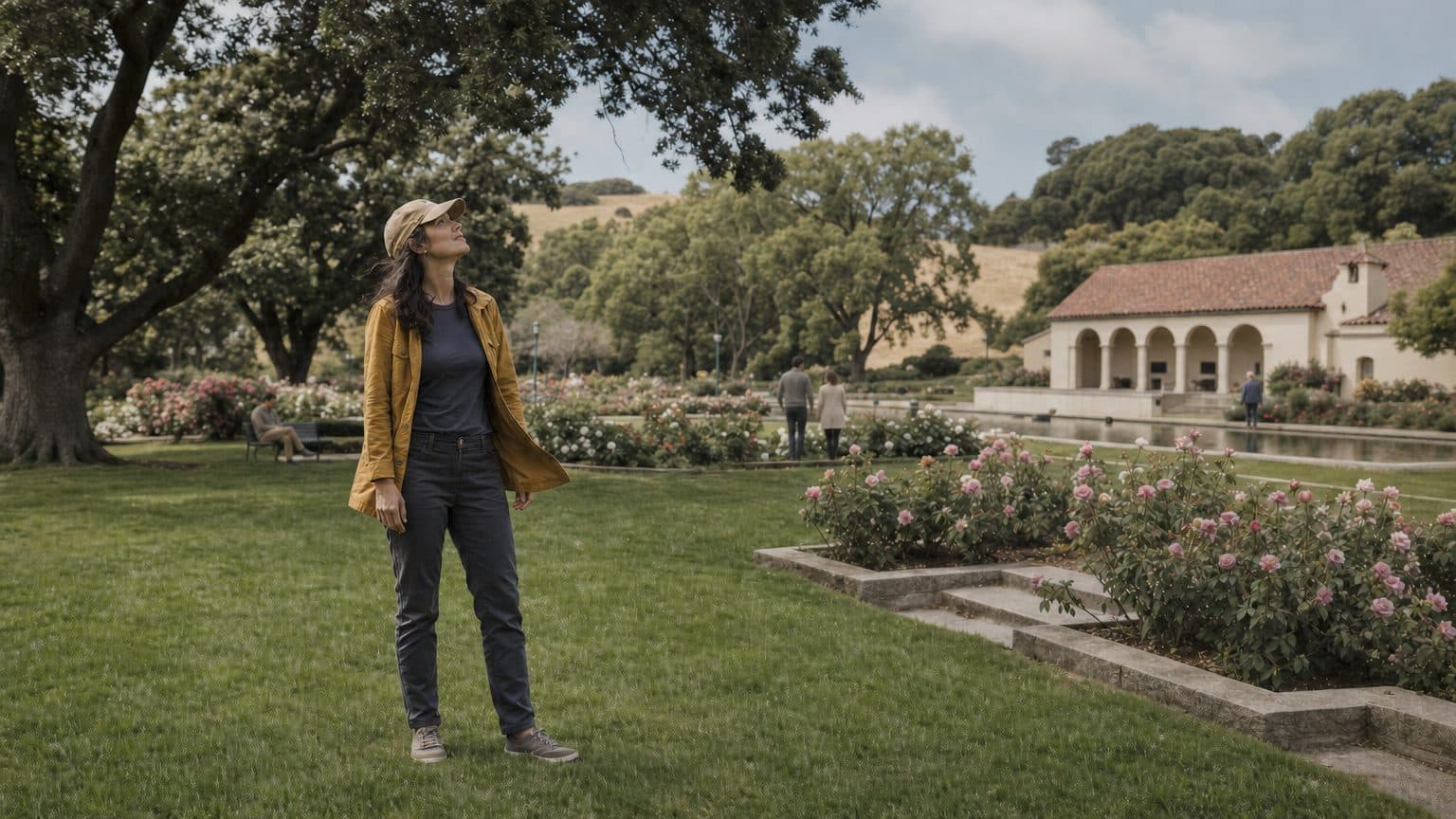
Bursts that feature open awareness







Wellbeing benefits
Why open awareness is good for you
Open awareness sharpens attention and steadies emotions. The practice enhances creativity and improves your ability to manage emotional reactions.
Open awareness helps train your mind to expand and adapt. By observing without judgment, you become less reactive to thoughts and emotions, fostering greater mental resilience and calm (Espeland et al., 2022).
This meditation style allows you to witness stress and tension without becoming entangled in it. Observing without judgment helps reduce the impact of daily stressors, creating space for relaxation (Baikie & Wilhelm, 2021).
Open awareness meditation strengthens your ability to stay present over time. By gently noticing distractions and returning to an open state, you cultivate greater concentration and mental clarity (Pennebaker & Smyth, 2019).
Regular practice of open awareness increases emotional intelligence. You become more attuned to subtle shifts in your mood, helping you process emotions more effectively and reducing emotional ups and downs (Adams, 2018).
This practice deepens your connection to the present, encouraging mindfulness throughout your day. Over time, you’ll notice a greater sense of peace, allowing life to flow without resistance (Bolton et al., 2020).
Self-led, one-on-one, or in a group
Whether you go it alone, join a group, or work 1:1 with a teacher, we’ve laid out what each path can look like.
Recommendation for first-timer
2nd pick
Best for those who prefer flexibility and independent learning. Start with apps or online guides. It may be challenging to stay motivated or avoid distractions, but it's a gentle introduction.
3rd pick
Excellent for personalised attention and rapid growth. A meditation coach can tailor sessions to your needs, offering specific guidance on open awareness. It’s ideal if you’re looking for deep, structured support.
1st pick
Group sessions offer guidance and shared learning experiences. While many teach different meditation styles, you may need to specifically look for open awareness. This setting helps with motivation and structure.
Availability
Widely
Easily accessible via apps and free online resources. Start whenever you like with minimal setup.
Moderately
Finding a meditation coach who specialises in open awareness may require research. Availability can vary depending on location and coach’s schedule, but many offer online sessions.
Moderately
Group practices are common, but open awareness may not always be taught. You'll need to ask or search for specific groups that focus on this technique, whether in-person or online.
Average cost per session
Free or low cost
Free or low cost when using apps or online videos. Premium content typically ranges from $10–$20. Ideal for those on a budget.
Expensive
Meditation coaches charge anywhere from $100 to $200 per session. The cost reflects personalised, focused sessions. Some coaches offer packages, which may lower the per-session price.
Moderate costs
Group sessions often cost between $10–$30 per session, with some free community groups available. Online groups are usually more affordable, though specialised workshops can be pricier.
Special equipment required
None or minimal
Just a quiet space and a device to access apps or videos. When you understand the technique, self-guiding without an app is realistic. You can practice anywhere you feel safe and comfortable – at home, in a park or even in a quiet office space at work.
None or minimal
A coach will guide you, so no special equipment is required beyond a comfortable place to practice, especially for online sessions. You’ll need a quiet space to ensure focus during 1:1 sessions.
None or minimal
Most group sessions only require a comfortable place to sit. Some studios provide mats or cushions, but no special tools are needed. You’ll just need to bring yourself and a willingness to try.
Potential for socialisation & community
Mostly solo
Practising alone may feel isolating for some as there’s little opportunity for connection or feedback. It’s great for independent learners but not for those seeking social support.
Social potential
Working with a meditation coach builds a supportive relationship, but it lacks the broader community aspect. The focus is highly personal, so it lacks the shared experience of group settings.
Highly social
Group meditation sessions offer social interaction and shared experiences, but finding open awareness-focused groups may take effort. Group sessions allow for some community building.
Safety & skill building
Mixed results
Safe if you follow trusted guides or apps, but there’s no immediate feedback if you encounter challenges or have questions. It’s a slower path to improving technique.
Safe & fast
One-on-one coaching offers personalised feedback and attention. Coaches help refine your technique and guide you through challenges, accelerating your skill development in a safe, focused way.
Safe & fast
Group sessions provide feedback from instructors or peers, helping to build skills in a supportive environment.
Space or privacy required
Minimal
You can practise anywhere with minimal privacy required. A quiet corner at home or even outdoors in a safe environment can work well for solo practice.
Some required
You’ll need a quiet, private space for your 1:1 sessions, especially for online meetings. Ensuring a distraction-free environment is important for focused, personal meditation practice.
Minimal
Groups usually meet in shared spaces, so privacy is not a major concern. You’ll be practising in a communal setting, either in-person or online, where personal space is respected.
Ease of scheduling
Very flexible
Completely flexible. You can practise whenever it suits you, making this option ideal for those with busy or unpredictable schedules.
Need to plan
Coaches typically offer flexible scheduling, but you’ll need to coordinate with their availability.
Need to plan
Group sessions are held at set times, which may not always align with your schedule. While many online groups offer more flexibility, finding one that teaches open awareness with the frequency you want may require extra effort.
Setup time
Little to none
Simply get yourself seated, open your app or website and begin. There’s very little setup time involved, and you can start your practice in just a few minutes.
Up to 30 mins
Setting up 1:1 sessions requires coordination with your coach. You’ll also need a distraction-free space for the session, which may take a bit of planning, but once set up, the practice is straightforward.
Up to 30 mins
Joining a group may require some setup, especially if you’re attending in person. Consider travel time.
If you are attending online, ensure your environment will be conducive to meditating for an extended period of time.
Active practice time
Under 20 mins
Self-led practice can be as short as 5-10 minutes or as long as you like. You set your own pace based on your availability and energy levels.
Up to an hour
Individual meditation sessions generally run 30–60 minutes, with time for personalised instruction and practice. These sessions offer a deep dive into open meditation, helping you refine your skills with expert guidance
Up to an hour
Group sessions typically last around 45–60 minutes, with structured time for learning and practising. You may need to be prepared to sit for the full sessions as some groups prefer people not to leave mid session.
Unexpected advantages
Actually useful
This meditation technique may make you so relaxed you slip into a mini nap. And while this is not the aim of meditation, it might be just what you needed.
Actually useful
The accountability of having to show up for an individual session may be just what you need to make your practice regular.
Actually useful
Group meditation sessions often include time for questions and answers. You might gain broader insights into meditation practices beyond just open awareness.
Academic research we rate
- Adverse events in meditation practices and meditation‐based therapies: a systematic review
Full citationHide citation
- Meditation programs for psychological stress and well-being: a systematic review and meta-analysis.
Full citationHide citation
- Does mindfulness training improve cognitive abilities? A systematic review of neuropsychological findings.
Full citationHide citation
- Review of the Neural Oscillations Underlying Meditation
Full citationHide citation
- The effect of mindfulness meditation on sleep quality: a systematic review and meta‐analysis of randomized controlled trials
Full citationHide citation
Show all 10 studiesShow fewer studies
- Meditation, Mindfulness, and Attention: a Meta-analysis
Full citationHide citation
- A Systematic Review and Meta-analysis of the Effects of Meditation on Empathy, Compassion, and Prosocial Behaviors
Full citationHide citation
- Comparing impacts of meditation training in focused attention, open monitoring, and mindfulness‐based cognitive therapy on emotion reactivity and regulation: Neural and subjective evidence from a dismantling study
Full citationHide citation
- Individual differences in meditation interventions: A meta‐analytic study
Full citationHide citation
- The Effects of Different Stages of Mindfulness Meditation Training on Emotion Regulation
Full citationHide citation
Safety
Ready for a meditation technique that can really make a difference? Before you settle in, there are some important considerations to explore. Take a look through the essential information on open awareness meditation technique so that you can fully enjoy this excellent activity.
- Opt for a space where you can give your full attention to the practice.
What you might experience
At first, open awareness meditation can feel strange. You might wonder if you’re doing it correctly because there’s no single point of focus. It’s normal to feel a bit lost in the beginning, but remember, the key is simply to observe whatever thoughts or sensations come up without forcing your attention.
As you settle into the practice, your mind might seem even busier than usual. Random thoughts, feelings or distractions pop up, and it's tempting to feel frustrated. But this is exactly what open awareness is about – observing these thoughts without judgment and letting them pass through naturally. You could well be surprised by the volume of thoughts going through your mind!
After a few minutes, it may start to feel easier. You notice the thoughts, sensations and sounds around you, aren’t quite as overwhelming. It’s great if you’re becoming more comfortable with just letting them be. Equally, it’s also okay if you are still feeling restless, unsure or even a little tense. This can change over time and it’s a practice you can continue to work on.
As you get deeper into the meditation, unexpected thoughts or emotions might rise to the surface. You may notice a feeling you hadn’t paid attention to before. This is a normal part of open awareness, allowing you to gently observe things that normally stay hidden beneath the surface.
After the session, you might feel a subtle but noticeable shift. Your mind is a little quieter, and there’s a sense of clarity. It’s not always dramatic, but there’s often a calmness that stays with you. Open awareness meditation offers a unique way to connect with your mind without forcing anything.
Check it out
Sit & breathe


Want to try open awareness alongside some other activities?
You don't have to build a routine from scratch. Every Burst is a ready-made plan you can schedule in a couple of taps.