
Gratitude
thankfulness, appreciation, gratefulness
Gratitude practice lifts mood and strengthens relationships. Regular thankfulness enhances sense of purpose, reduces stress and improves sleep quality.
MoreLess
What is gratitude?
In a world where it’s easy to get caught up in the hustle and the challenges of daily life, gratitude offers a powerful way to shift your perspective. By intentionally focusing on aspects of your life in a positive way – whether they’re big milestones or small, everyday moments – you can foster a deeper sense of contentment. Gratitude isn’t just about saying “thank you”; it’s about training your mind to see the good that’s already present, which can improve your mood and reduce stress. This simple yet profound practice is predominantly self-led, allowing you to reflect privately on what you appreciate most. However, gratitude can also be shared and amplified in group settings, creating a ripple effect of positivity. Ready to discover how this practice can enrich your life? Let’s dive into the world of gratitude and see how you can start today.
Bursts that feature gratitude

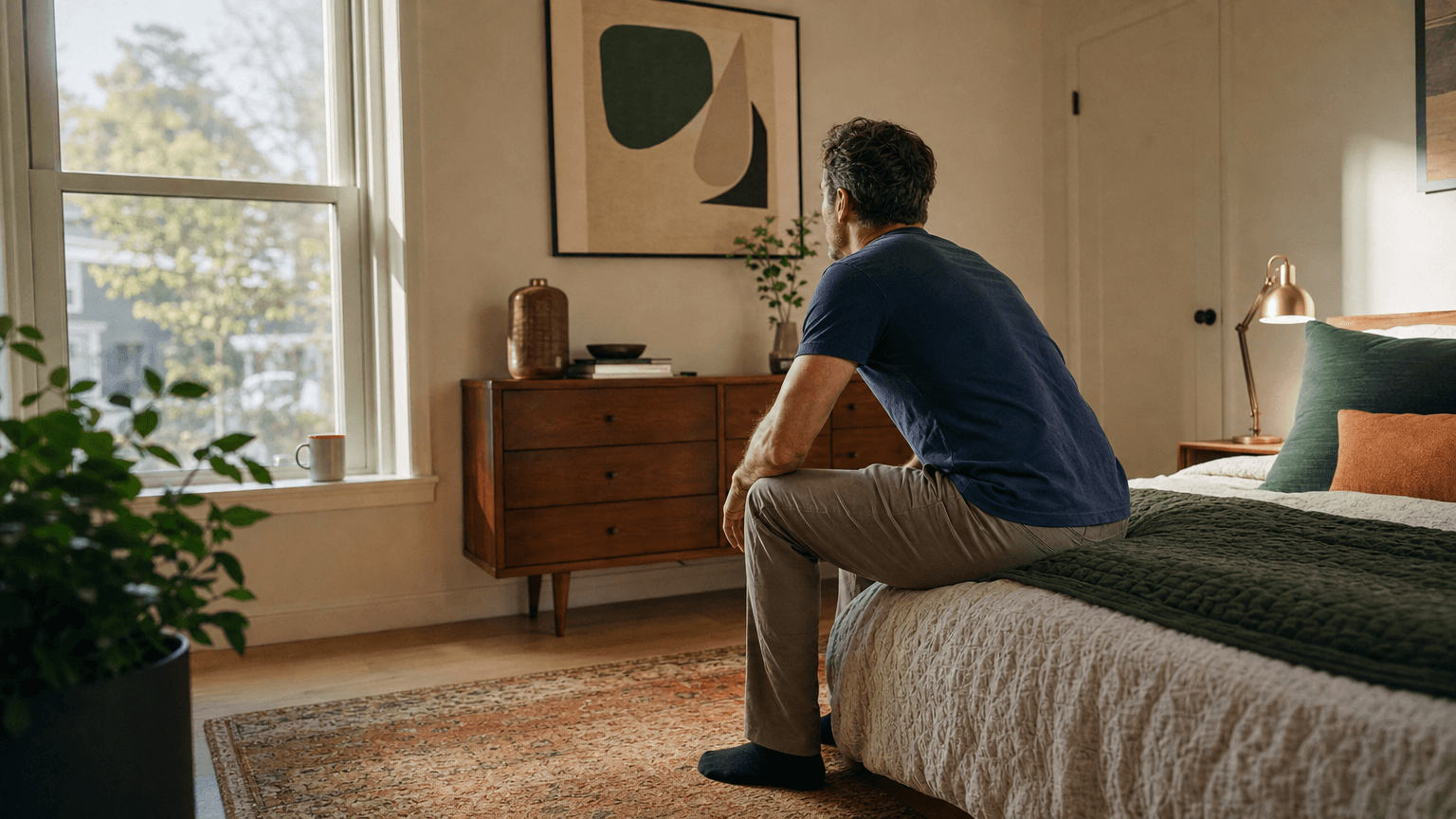

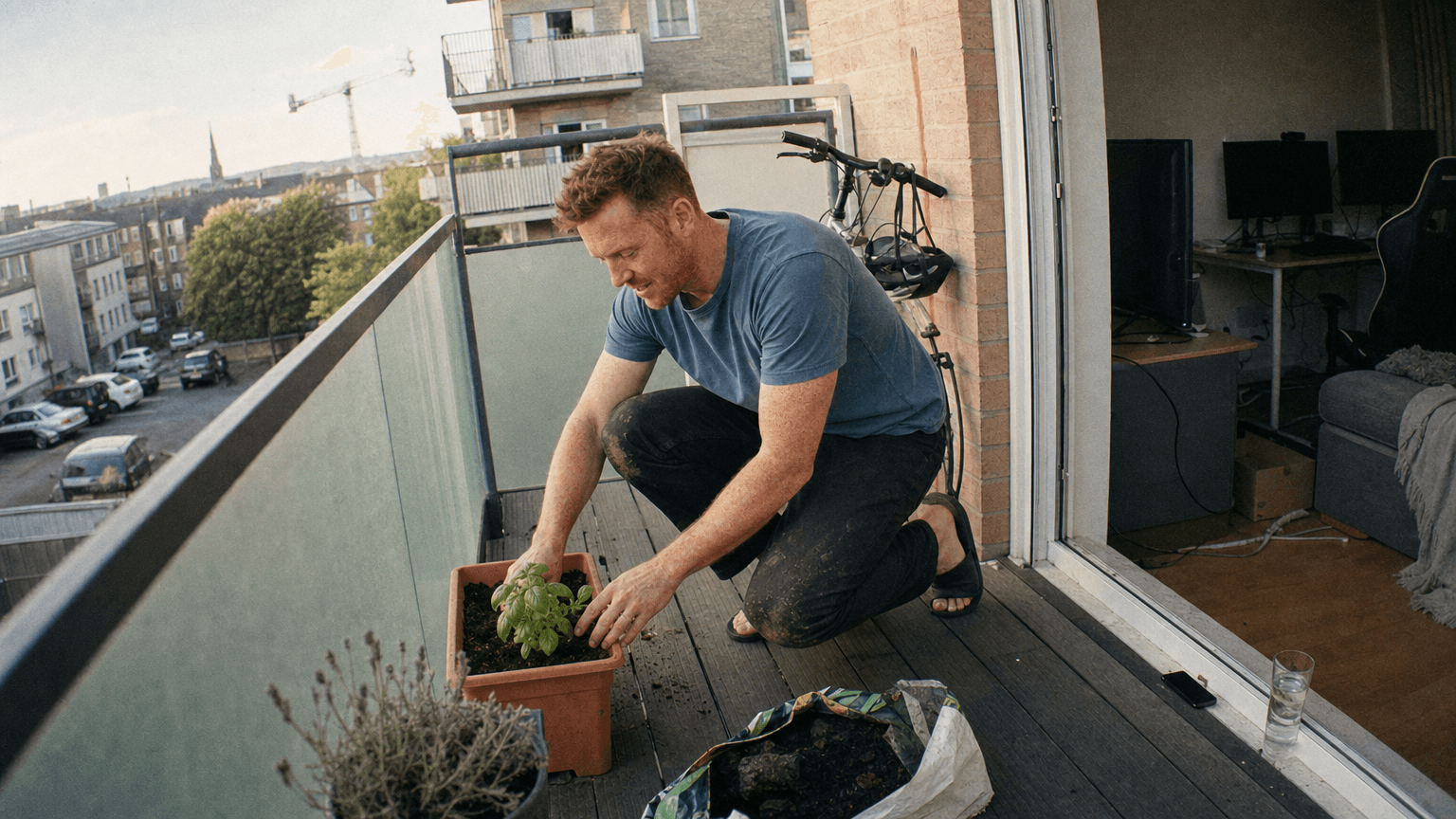
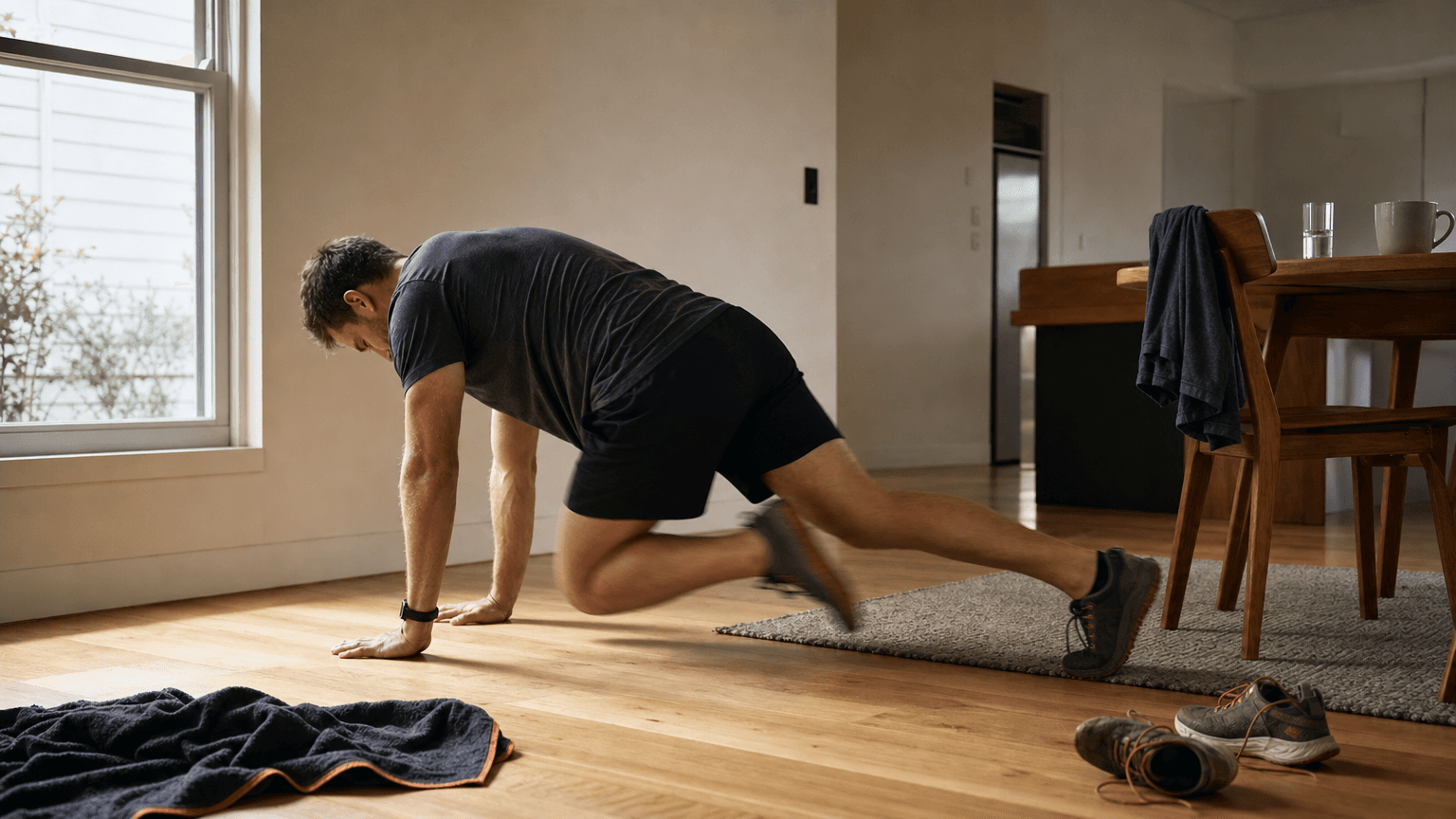

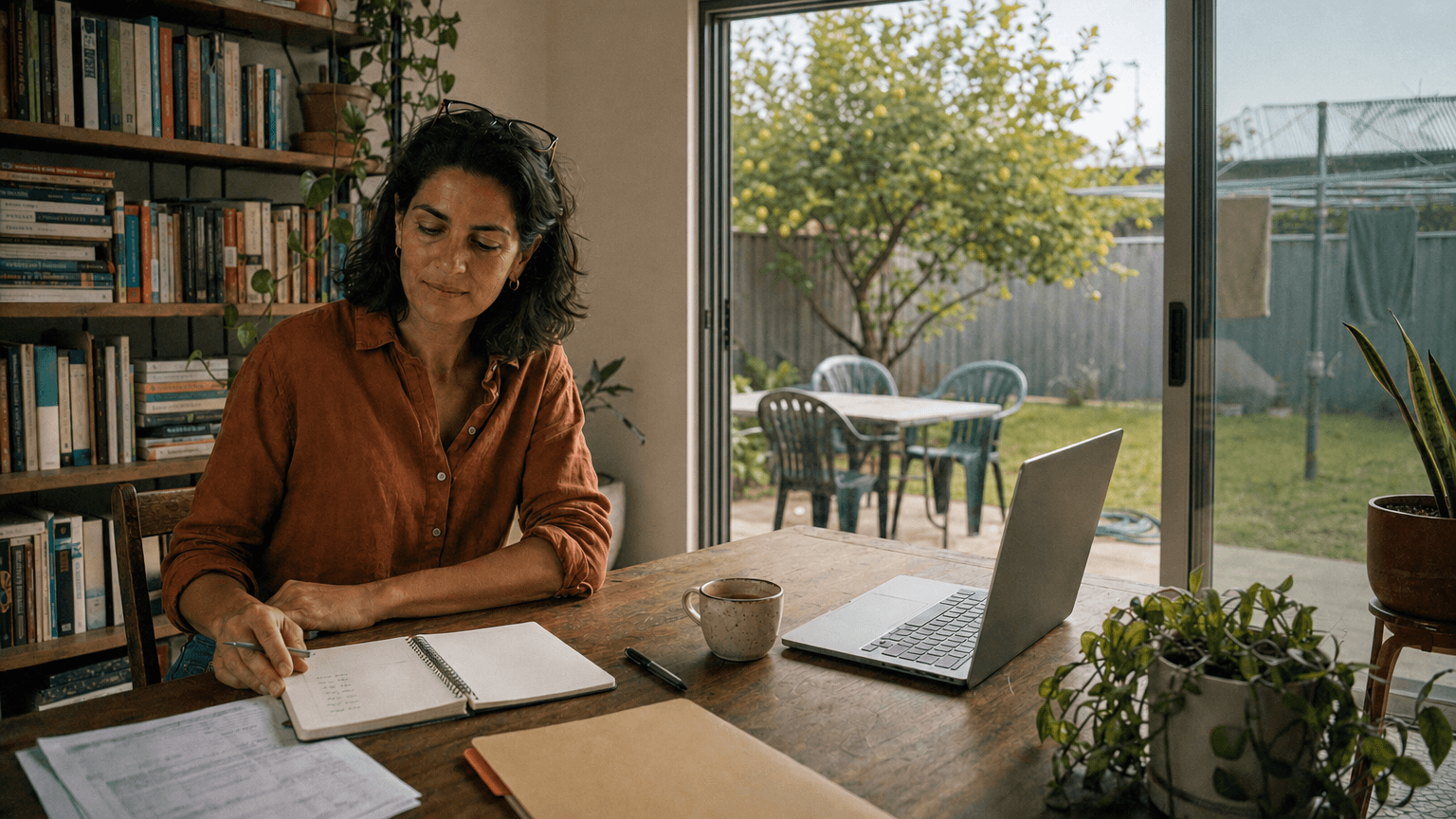




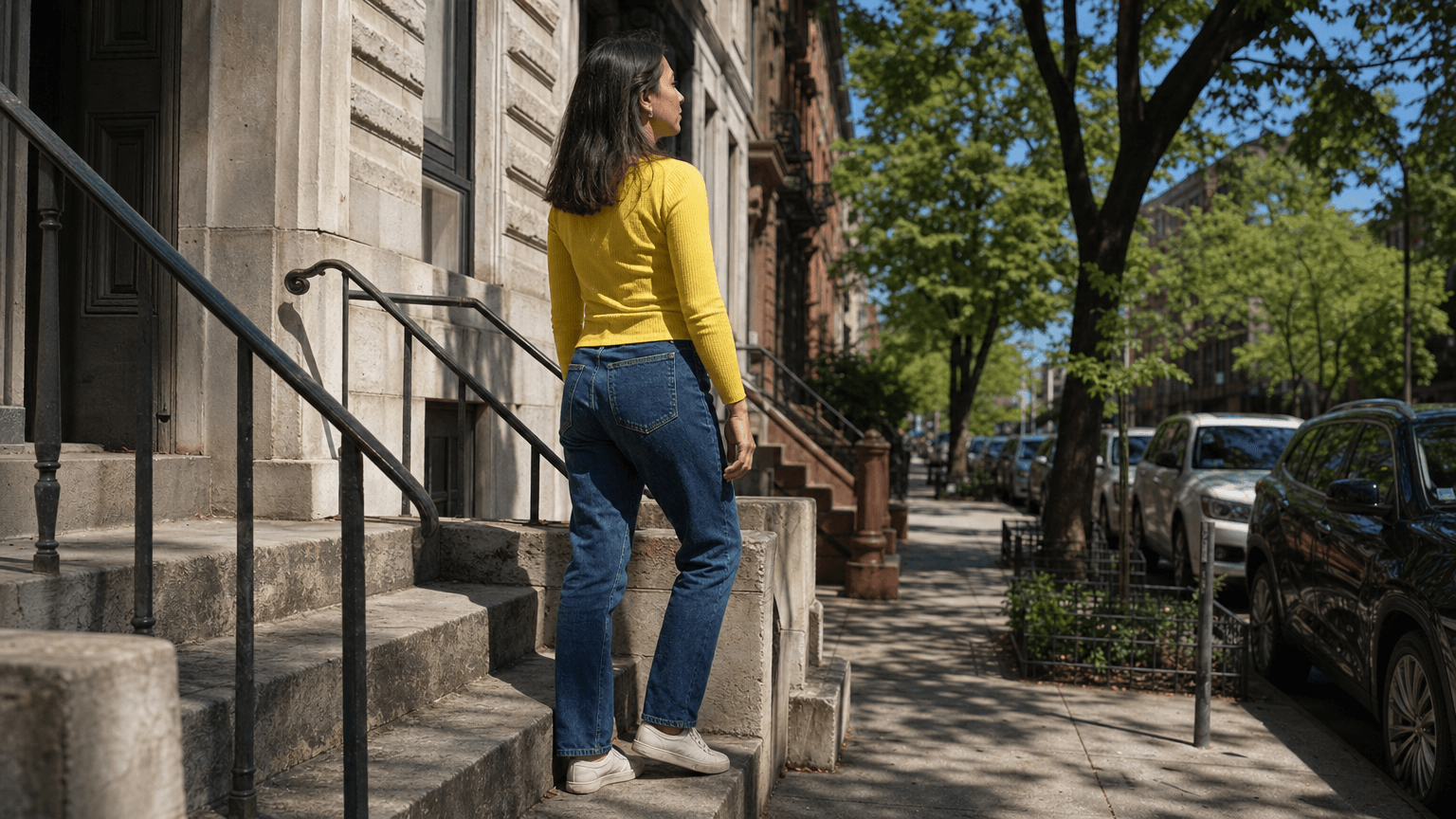




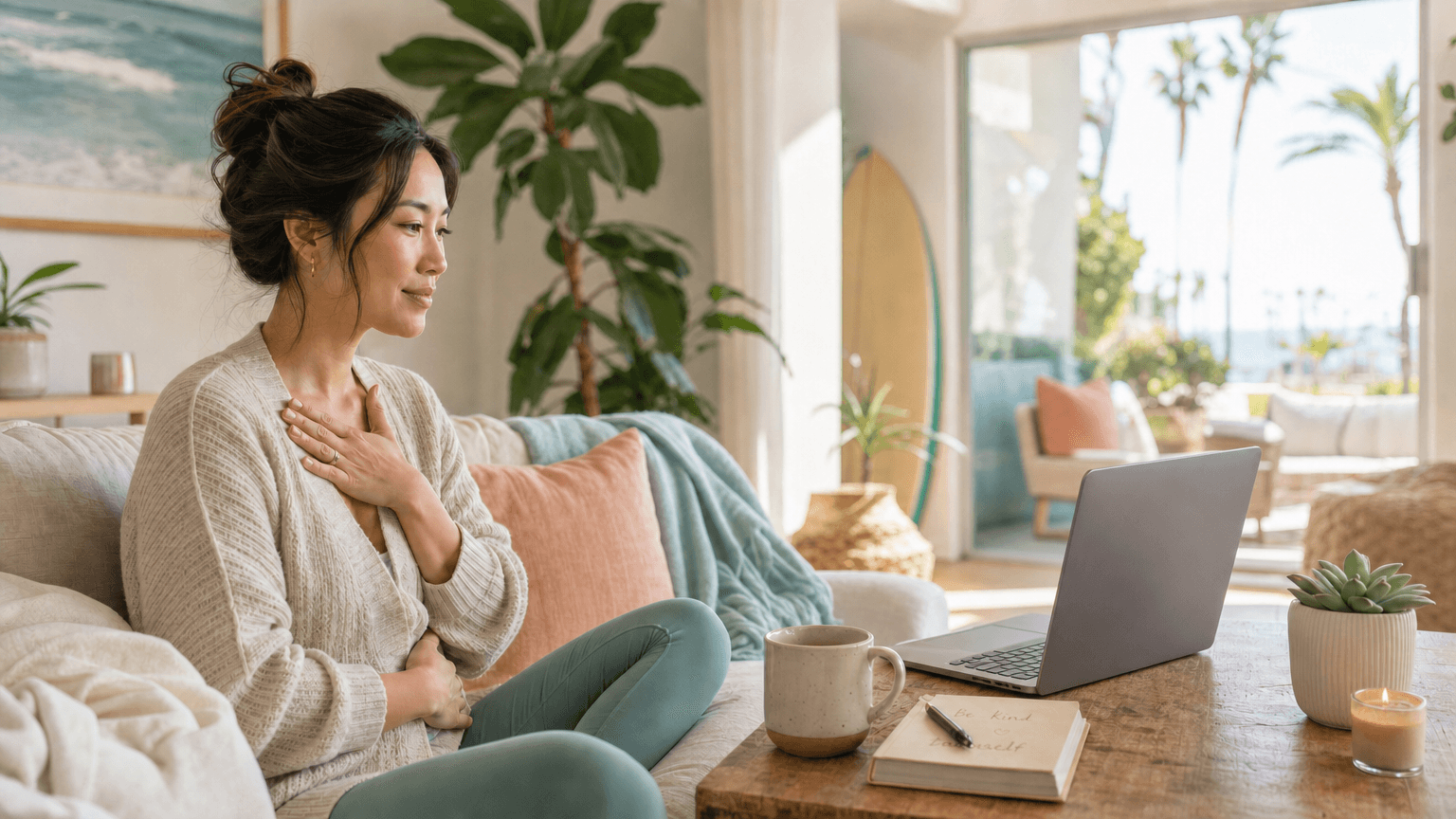



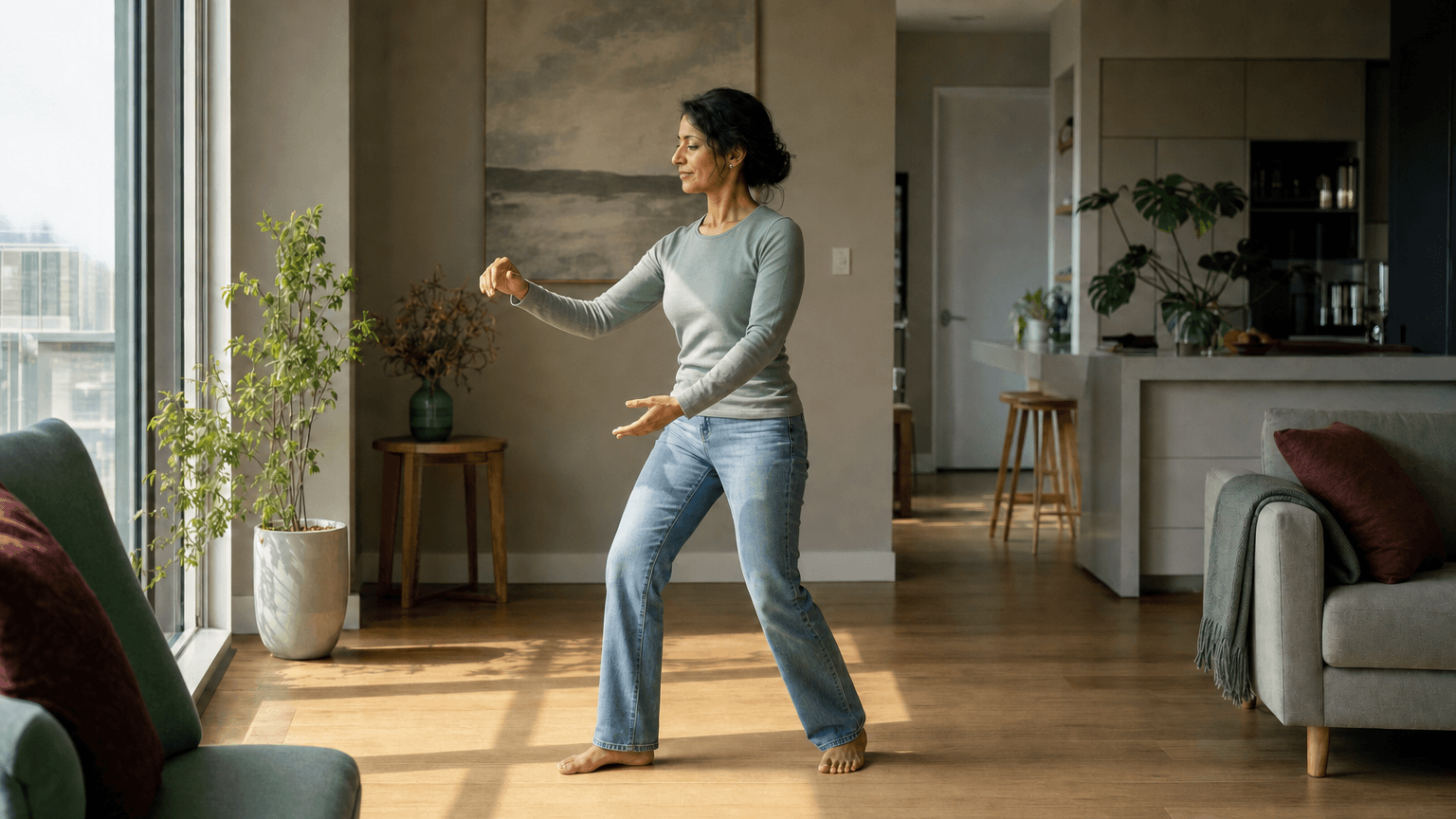

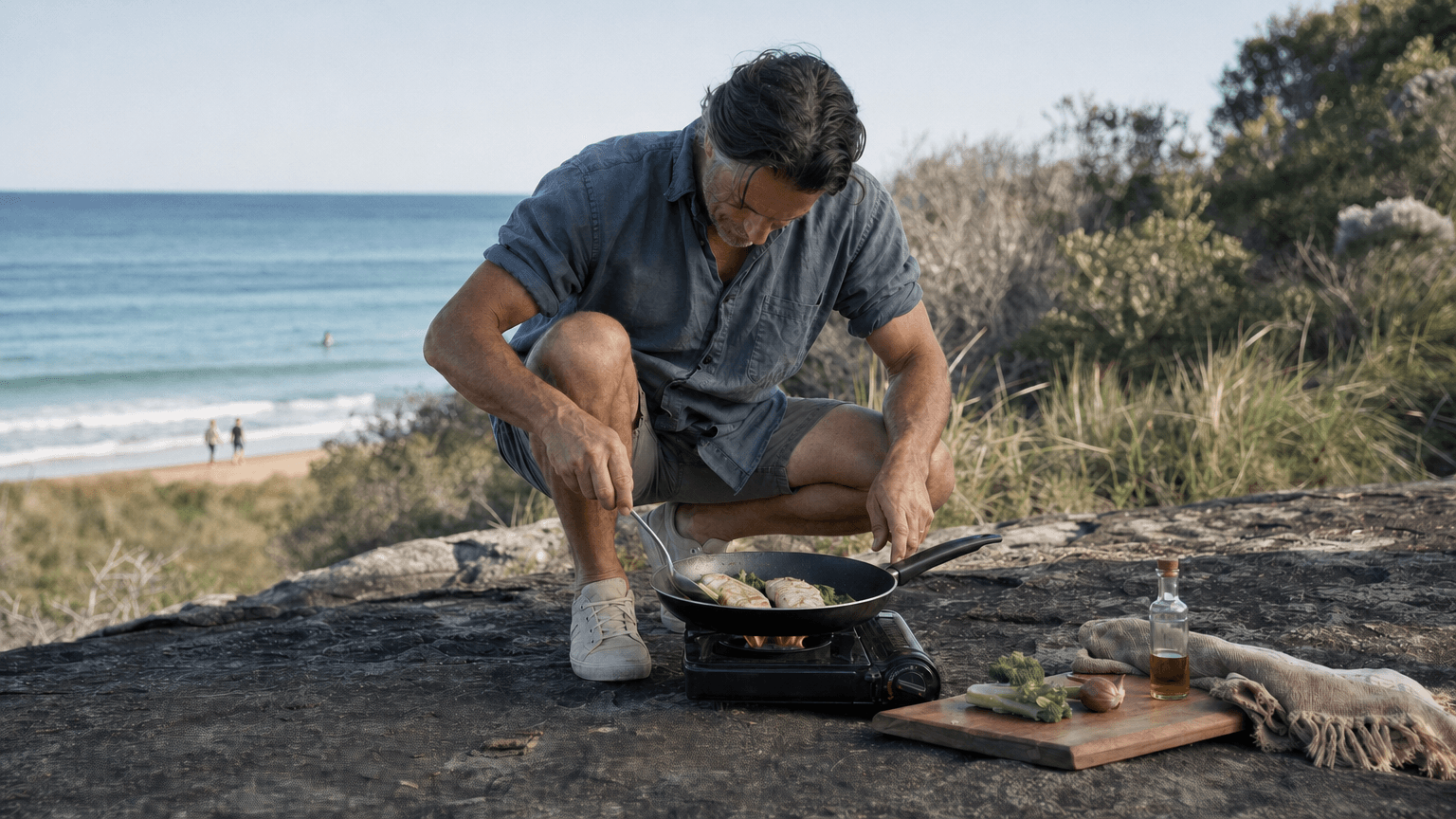


Wellbeing benefits
Why gratitude is good for you
Robust studies verify Gratitude lifts mood and strengthens relationships. Regular thankfulness enhances sense of purpose, reduces stress and improves sleep quality.
Regularly practising gratitude has been shown to reduce symptoms of depression and anxiety. By focusing on the positive aspects of life, you shift your attention away from negative thoughts, promoting a healthier, more balanced mindset (Wood, Froh, & Geraghty, 2010).
Gratitude helps build emotional resilience by encouraging you to recognise the good, even in difficult times. This practice strengthens your ability to cope with challenges, making you more adaptable and less overwhelmed by stress (Tugade & Fredrickson, 2004).
Expressing gratitude can improve your relationships by fostering feelings of appreciation and connection. When you regularly acknowledge the contributions of others, it strengthens bonds and promotes a more positive social environment (Algoe, Haidt, & Gable, 2008).
Gratitude is directly linked to increased happiness and life satisfaction. By regularly reflecting on what you’re thankful for, you cultivate a habit of positivity that enhances your overall sense of well-being (Emmons & McCullough, 2003).
Practising gratitude before bed can improve your sleep quality. By ending the day on a positive note, you create a more peaceful mind, leading to better rest and recovery (Wood et al., 2009).
Common styles
These styles offer simple ways to incorporate gratitude into your routine, whether solo or in a group.
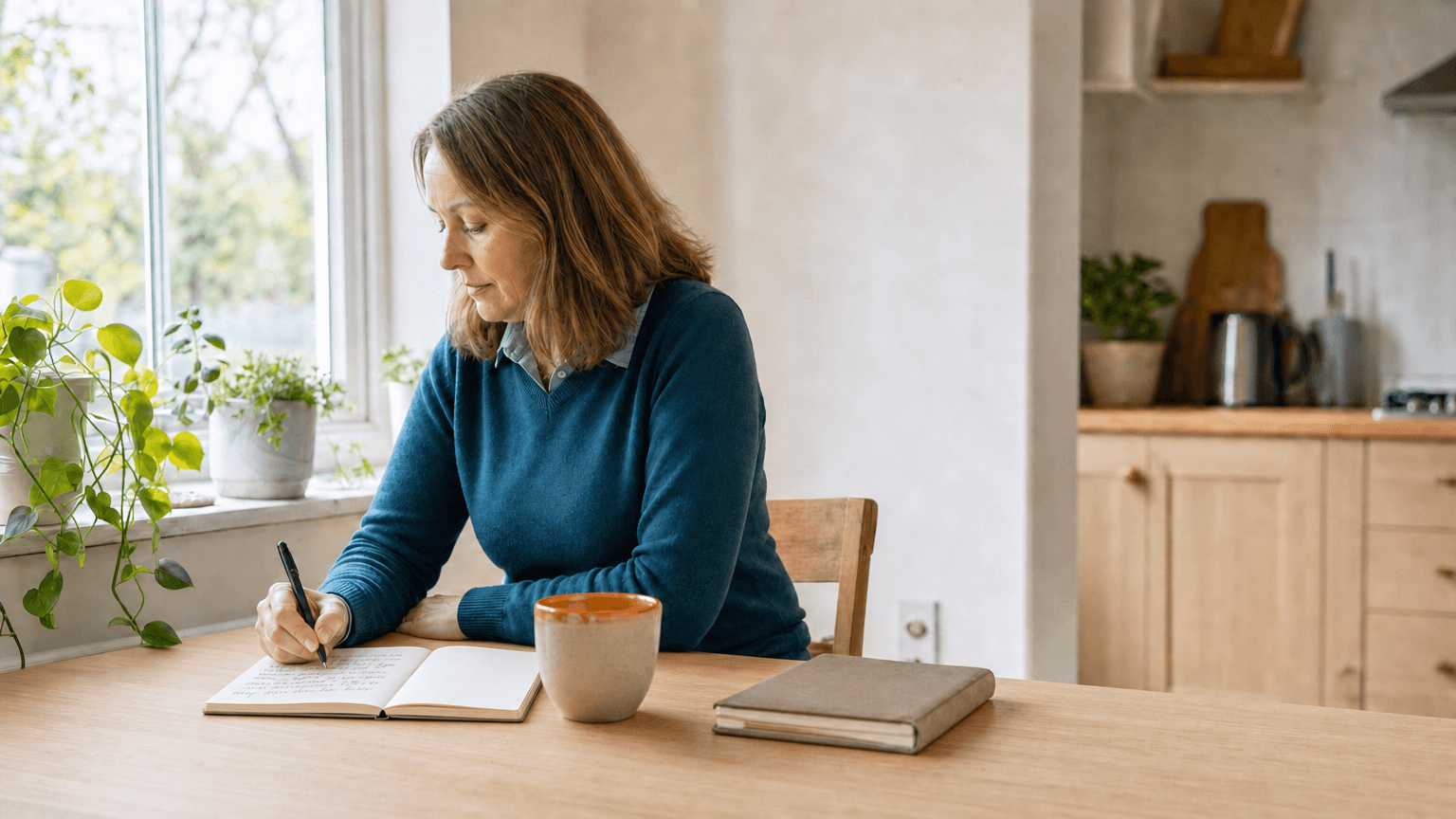
Write down things you’re grateful for each day in a journal, either in the morning or before bed. This flexible, self-directed practice helps you focus on the positives in your life.
Combine mindfulness with gratitude by focusing on what you’re thankful for during meditation. This can be done alone or with a guided meditation app.
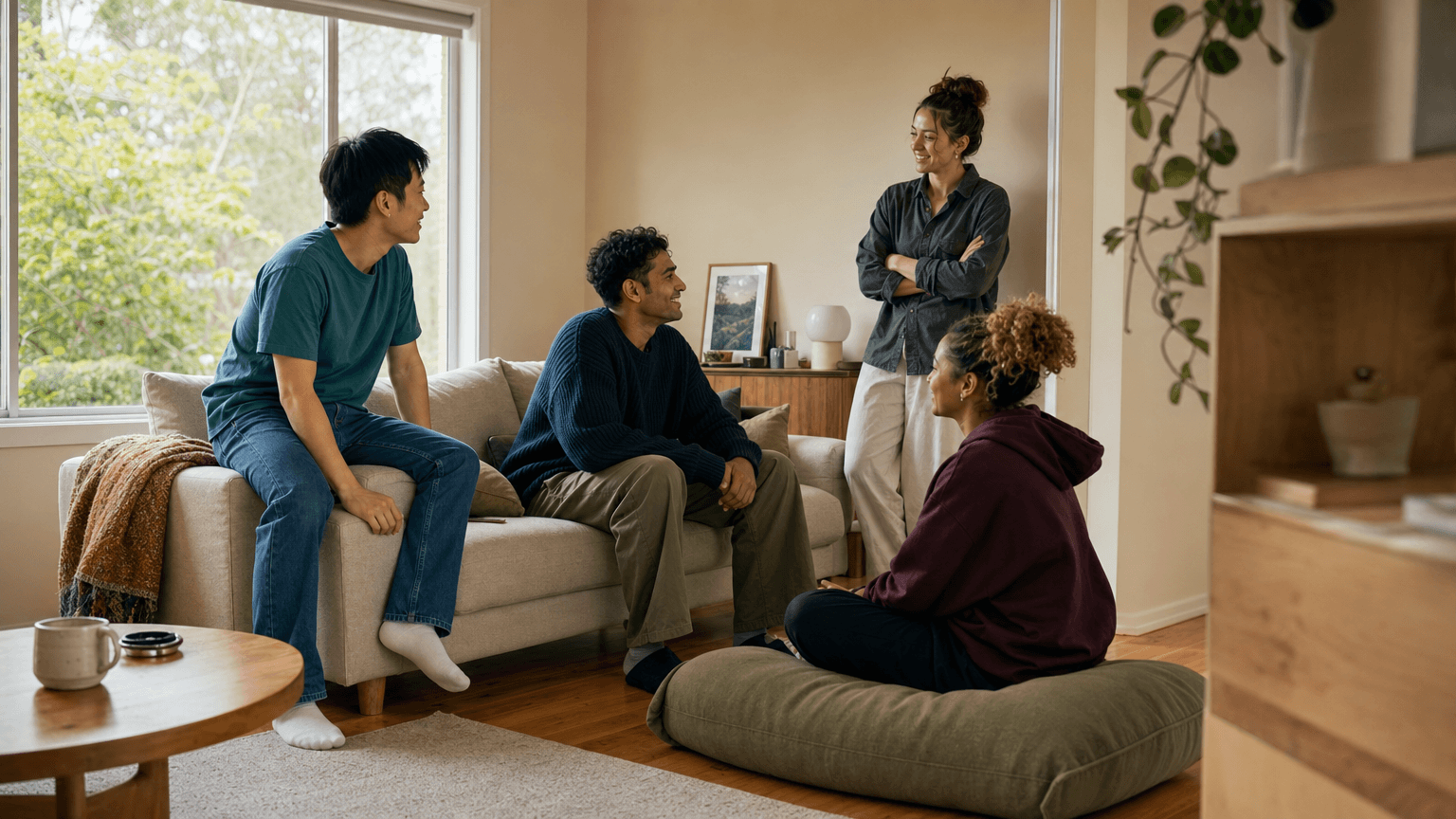
In a group setting, participants share what they’re grateful for, fostering a sense of community and collective positivity.
Write a letter to someone you appreciate, expressing your gratitude. You can send it or keep it as a personal exercise.
Self-led, one-on-one, or in a group
Whether you go it alone, join a group, or work 1:1 with a teacher, we’ve laid out what each path can look like.
Recommendation for first-timer
1st pick
This is ideal for beginners due to its flexibility and ease. You can start anytime, anywhere, making it an accessible and personal practice that requires no external scheduling.
3rd pick
Suitable for those seeking personalised, structured guidance. You may need to specifically request a focus on gratitude when working with a therapist, coach, or counsellor, as it’s not typically offered as a standalone service.
2nd pick
Gratitude circles are great for those who thrive in a group setting, but finding a regular group may be challenging. Workshops or retreats can include gratitude exercises but aren’t focused solely on this practice and it may only be a small portion of the program.
Availability
Widely
Practice anytime, anywhere. This method is completely self-directed, fitting easily into any schedule. You can reflect privately without needing to coordinate with others.
Limited
Availability depends on finding a professional willing to focus on gratitude practices. Some therapists or coaches may welcome this request, but others might suggest integrating it into broader goals.
Limited
Gratitude circles are available but may not be regularly scheduled or easy to find in your area. Workshops and retreats may include gratitude work as part of a broader program, but these are typically occasional events.
Average cost per session
Free or low cost
Generally free, requiring only a journal or app if desired. This makes it a cost-effective option for anyone looking to incorporate gratitude into their daily life.
Expensive
Costs are similar to standard coaching or therapy rates, typically ranging from $150 to $250+ per session. It’s important to discuss costs and expectations upfront.
Moderate costs
Costs will vary depending on the event. Gratitude circles might be free or low-cost, but workshops or retreats that include gratitude practices could be significantly higher.
Special equipment required
None or minimal
Just a journal, piece of paper or digital device. No special tools are needed, making it easy to begin without additional expenses.
None or minimal
Usually just a journal or note taking device. The focus is on structured guidance rather than additional tools.
None or minimal
You may need a journal for sharing in circles, but often no materials are required as the practice is primarily verbal.
Potential for socialisation & community
Mostly solo
Primarily a solo activity, focusing on personal reflection. It offers opportunity for self-paced deep introspection.
Social potential
Interaction is limited to the practitioner, offering personalised feedback and guidance. It provides deep, focused interaction tailored to your needs.
Highly social
Gratitude circles provide a strong sense of community and shared learning. Participants benefit from mutual support and the opportunity to express gratitude in a group setting.
Safety & skill building
Mixed results
Safe and straightforward, but without external feedback, it may be challenging to deepen the practice or build skills. Best for those who are comfortable with self-directed growth.
Safe & fast
Provides a safe, structured environment with personalised feedback and skill development. Best for those seeking focused guidance; be clear about your goals when selecting a practitioner.
Safe & fast
Group settings offer a safe space to explore and express gratitude, with the added benefit of shared insights and experiences that can inspire your practice.
Space or privacy required
Minimal
Can be done privately, in any comfortable space. This approach allows for complete privacy and personal comfort, ideal for those who prefer solitary reflection.
Minimal
Sessions are private, typically held in an office or virtual setting, ensuring confidentiality and a comfortable space for deep personal reflection.
Some required
Requires a shared or public space for gratitude circles or workshops, which may reduce privacy.
Ease of scheduling
Very flexible
Extremely flexible, allowing you to practice gratitude at your convenience without needing to coordinate with others or be in a specific location.
Need to plan
Scheduling depends on practitioner availability and may involve wait times. Be prepared to discuss availability when requesting a focus on gratitude.
Quite rigid
Dependent on the availability of gratitude circles, which may not be regularly scheduled. Workshops and retreats are occasional, requiring planning and commitment.
Setup time
Little to none
Minimal setup – just find a convenient space and start reflecting. The simplicity makes it easy to integrate into daily routines and other activities without any preparation.
Up to 30 mins
Preparation may involve discussing goals with the practitioner and gathering any materials they recommend.
Over 30 mins
Some preparation may be needed to participate in group sessions, such as finding a circle or signing up for a workshop. Travel may also be required.
Active practice time
Under 20 mins
Practice can range from a few minutes to a longer session, depending on personal preference.
A quality gratitude experience isn't necessarily a longer one.
Up to an hour
Sessions typically last 45 to 50 minutes.
Up to an hour
Typically involves a minimum 30-minute session when participating in Gratitude Circles. Workshops or retreats have longer programs, with the gratitude section ranging from 30 minutes upwards.
Unexpected advantages
Wholesome
You might find inspiration from many different everyday life moments.
Actually useful
You might like the practitioner’s approach so much you delve into some other aspects of their broader work with them and end up with an amazing life!
Actually useful
Some gratitude circles are held at the beach in the ocean, so you might double stack your activities and get some cold water exposure as well!
Academic research we rate
- Does Gratitude Enhance Prosociality?: A Meta-Analytic Review
Full citationHide citation
- Exploring neural mechanisms of the health benefits of gratitude in women: A randomized controlled trial
Full citationHide citation
- Gratitude at Work: Prospective Cohort Study of a Web-Based, Single-Exposure Well-Being Intervention for Health Care Workers
Full citationHide citation
- Counting blessings versus burdens: an experimental investigation of gratitude and subjective well-being in daily life.
Full citationHide citation
- Being Thankful for What You Have: A Systematic Review of Evidence for the Effect of Gratitude on Life Satisfaction
Full citationHide citation
Show all 10 studiesShow fewer studies
- Thankful for the little things: A meta-analysis of gratitude interventions.
Full citationHide citation
- Enhanced academic motivation in university students following a 2-week online gratitude journal intervention
Full citationHide citation
- Divergent effects of brief contemplative practices in response to an acute stressor: A randomized controlled trial of brief breath awareness, loving-kindness, gratitude or an attention control practice
Full citationHide citation
- Enhancing Meaning in Life and Psychological Well-Being Among a European Cohort of Young Adults via a Gratitude Intervention
Full citationHide citation
- Gratitude as Mood Mediates the Effects of a 6-Weeks Gratitude Intervention on Mental Well-Being
Full citationHide citation
Safety
We bet you're on board for gratitude! Before you dive in, there are a few different methods and details to consider so you can successfully practice gratitude. It's worth taking a more in-depth look to find what suits you best.
What you might experience
You sit down to practice gratitude for the first time, but it feels a bit strange. You start thinking, what exactly am I grateful for today? This initial hesitation is totally normal. Start small – think about something simple, like a good meal you had or someone who helped you today. It’s all about noticing the little things.
As you start reflecting, you notice that acknowledging even the small positive things feels surprisingly good. Whether it’s your morning coffee or the way someone smiled at you, these moments can bring a sense of warmth. Gratitude is all about realising that even on tough days, there are good things that deserve attention.
Some days, it feels harder than others to come up with things to be grateful for. Maybe nothing stands out, and you wonder if you’re missing something. That’s okay. Gratitude doesn’t always have to be about grand gestures or big moments. On those days, focus on the basics – like your health, safety or the people who care about you.
As you continue reflecting, you notice that the practice of gratitude is helping to reduce some anxiety. Focusing on what’s good in your life takes your mind off stress and worries. It’s like a small mental shift that leaves you feeling lighter. The more you do it, the easier it becomes to find things to appreciate, and this peace grows.
By the end of your gratitude practice, you'll likely notice a shift in your perspective. Even on imperfect days, you can discover moments worth appreciating. This practice helps you recognise that there's always something positive to acknowledge, potentially offering a fresh outlook on your day.
Check it out
Work things out


Want to try gratitude alongside some other activities?
You don't have to build a routine from scratch. Every Burst is a ready-made plan you can schedule in a couple of taps.