
Being in nature
unplugging, outdoor fix, getting outside
Being in nature is a simple, accessible way to recharge by spending time outdoors, whether it's hiking, sitting in a park or just taking a walk around the block to get a break from daily life.
MoreLess
What is being in nature?
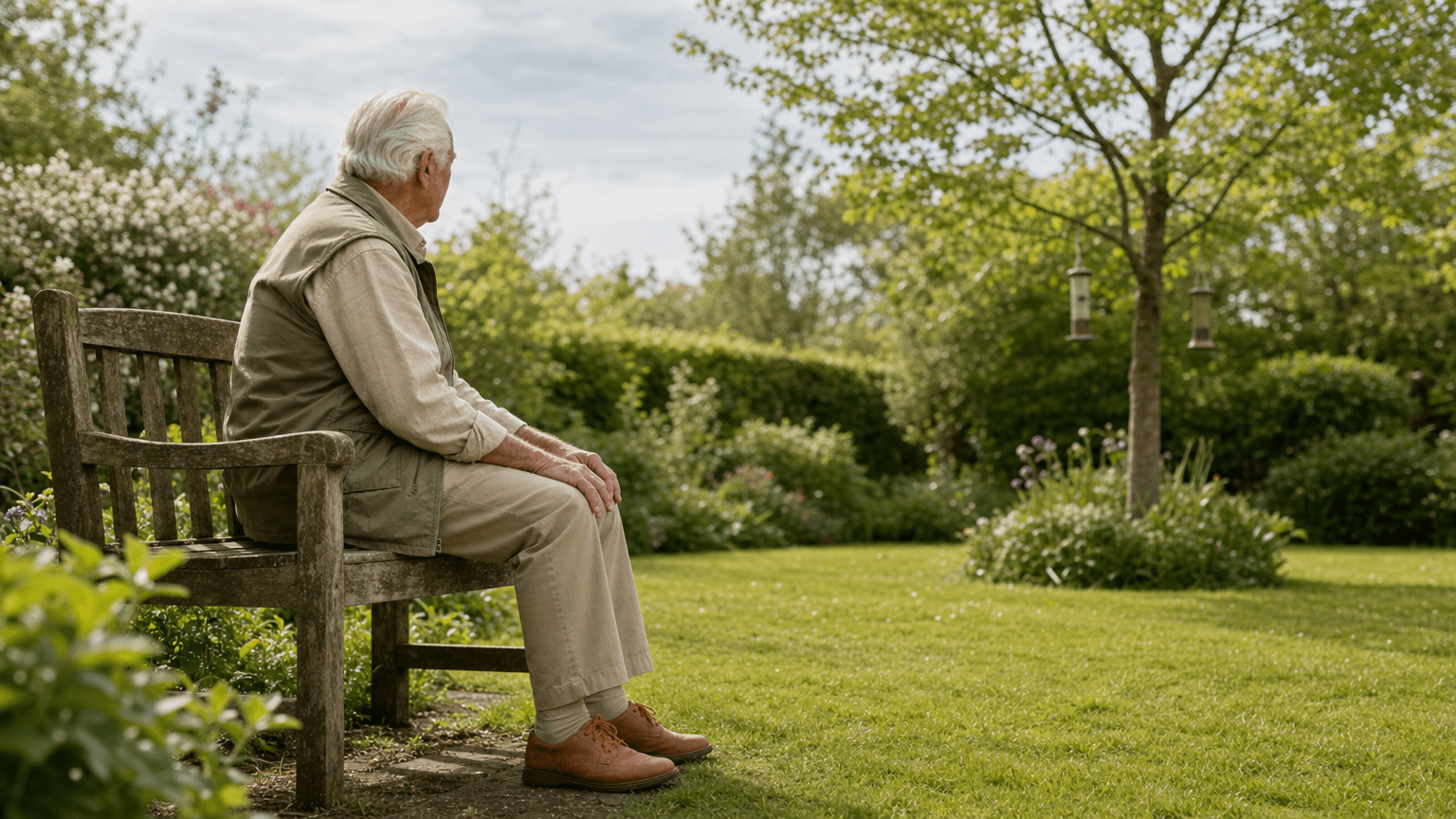
Spending time in nature is one of the easiest ways to refresh your mind and body. Whether you’re taking a stroll through a local park, hiking in the mountains or simply sitting in your backyard, nature offers a break from the daily grind. It’s about disconnecting from screens, getting some fresh air and enjoying the sights and sounds of the outdoors.
Many people find that even a short break outside helps them feel more revitalised and focused. If you’re feeling stuck indoors or overwhelmed, stepping outside can be a quick reset. Ready to get outside? Let's explore how you can easily incorporate more nature time into your daily routine!
Bursts that feature being in nature
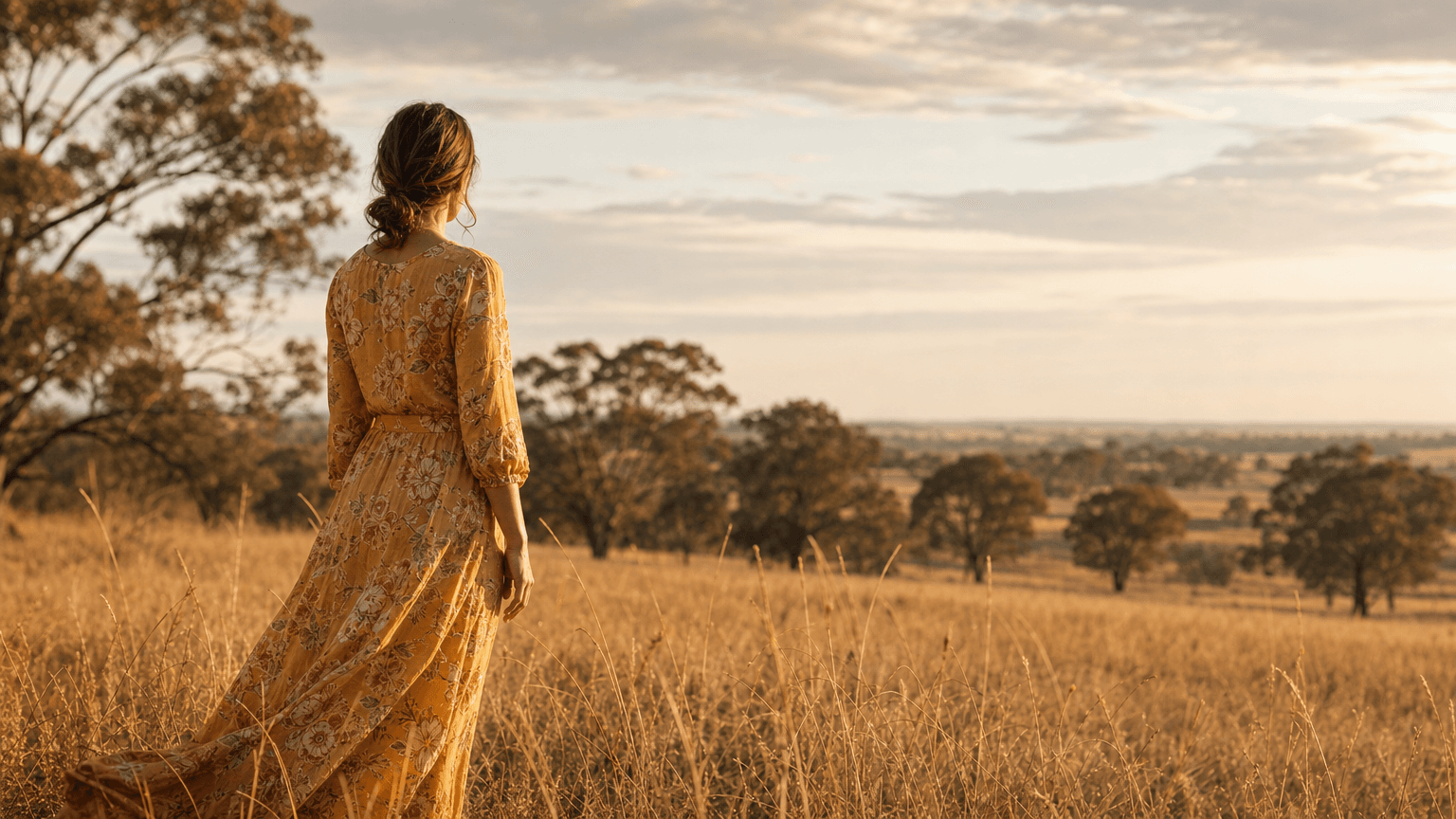
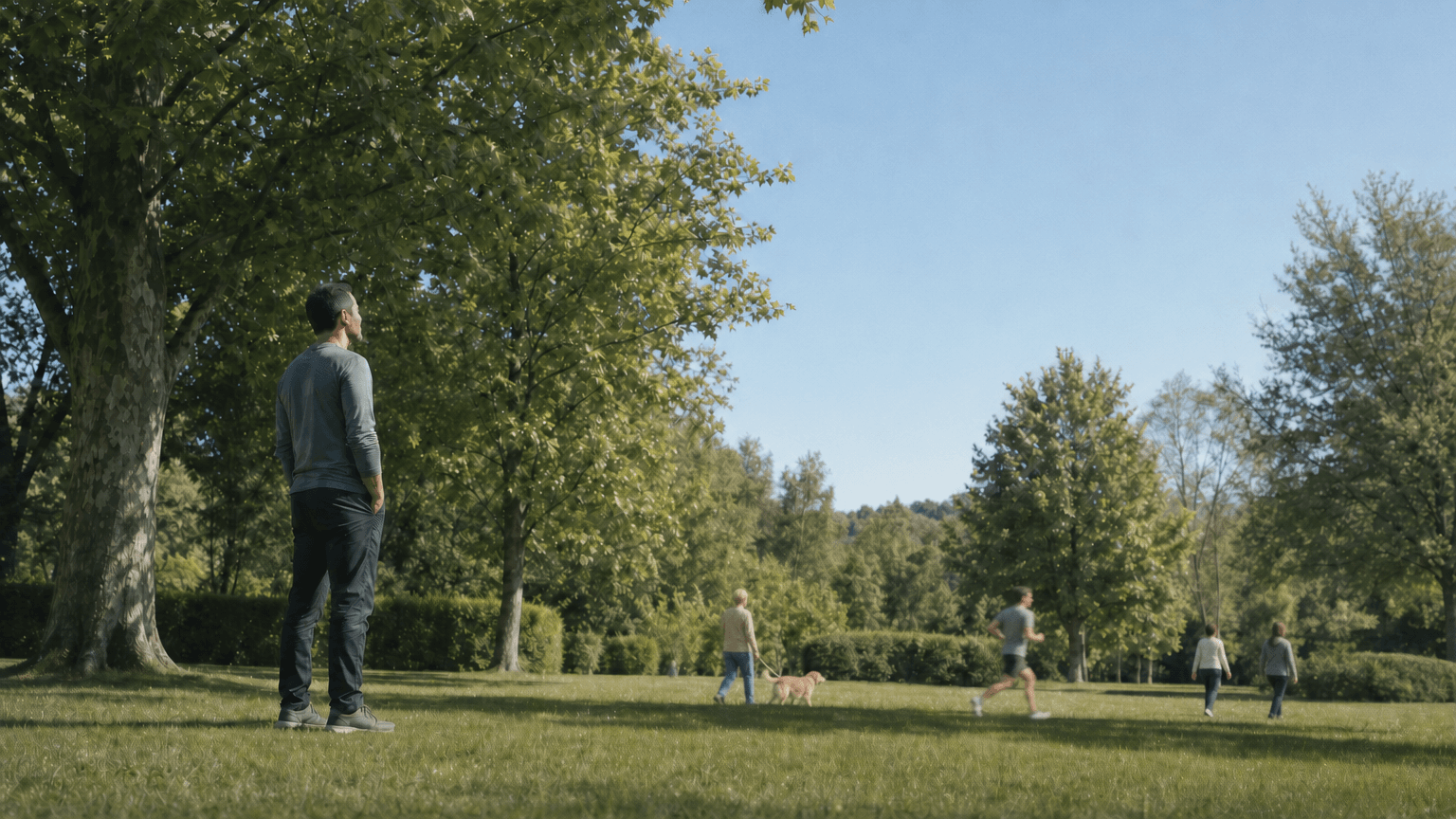



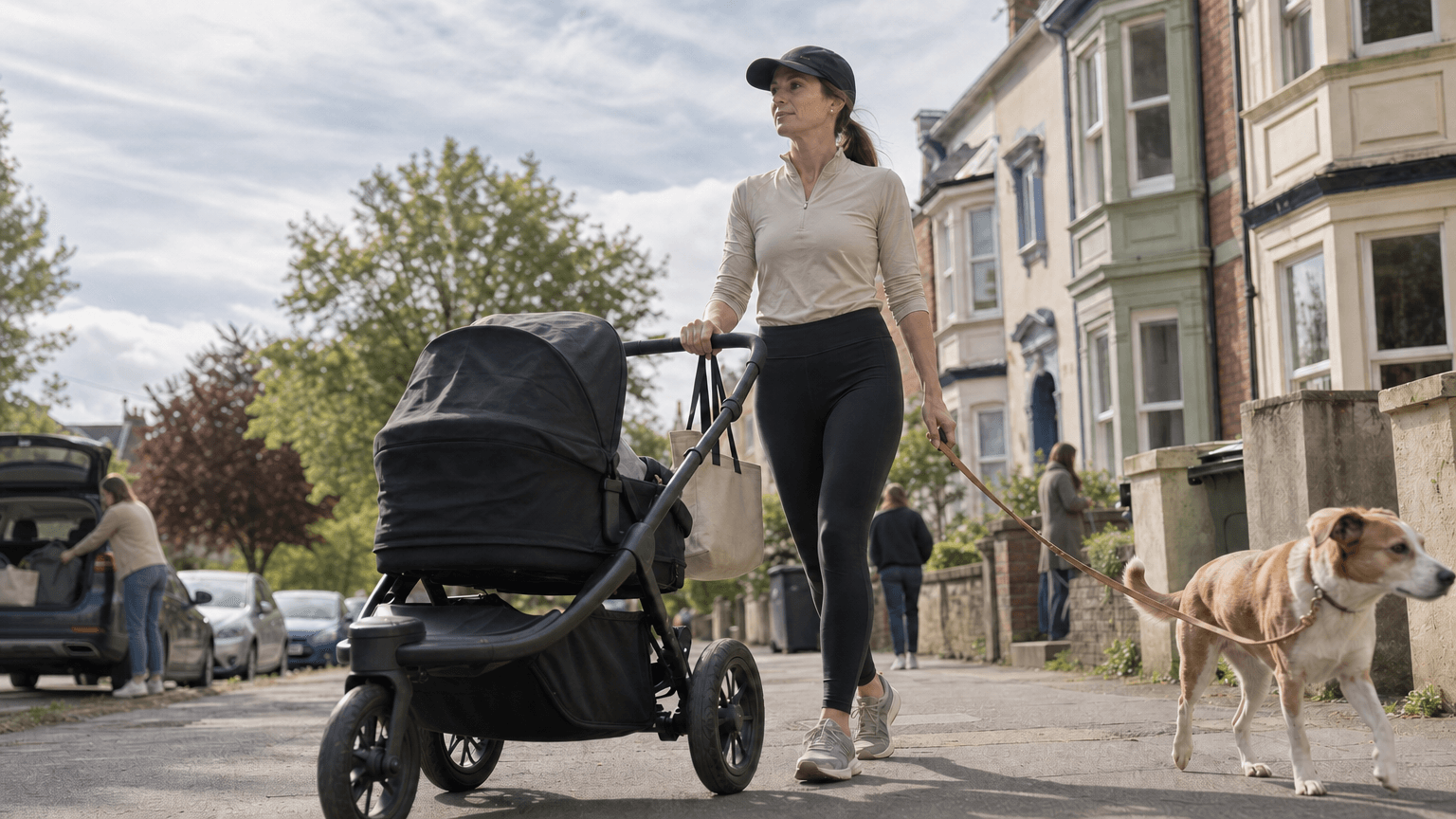


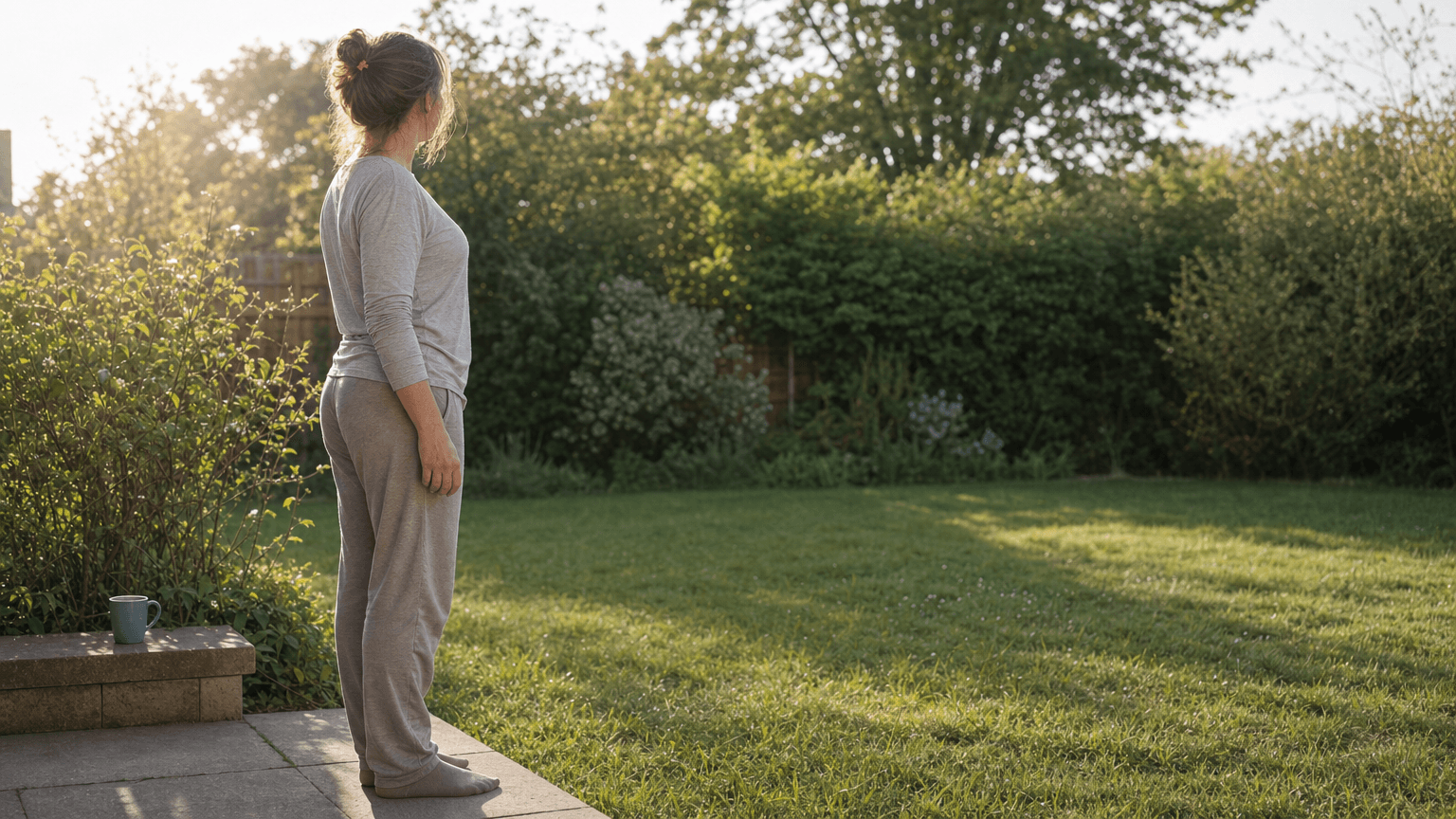
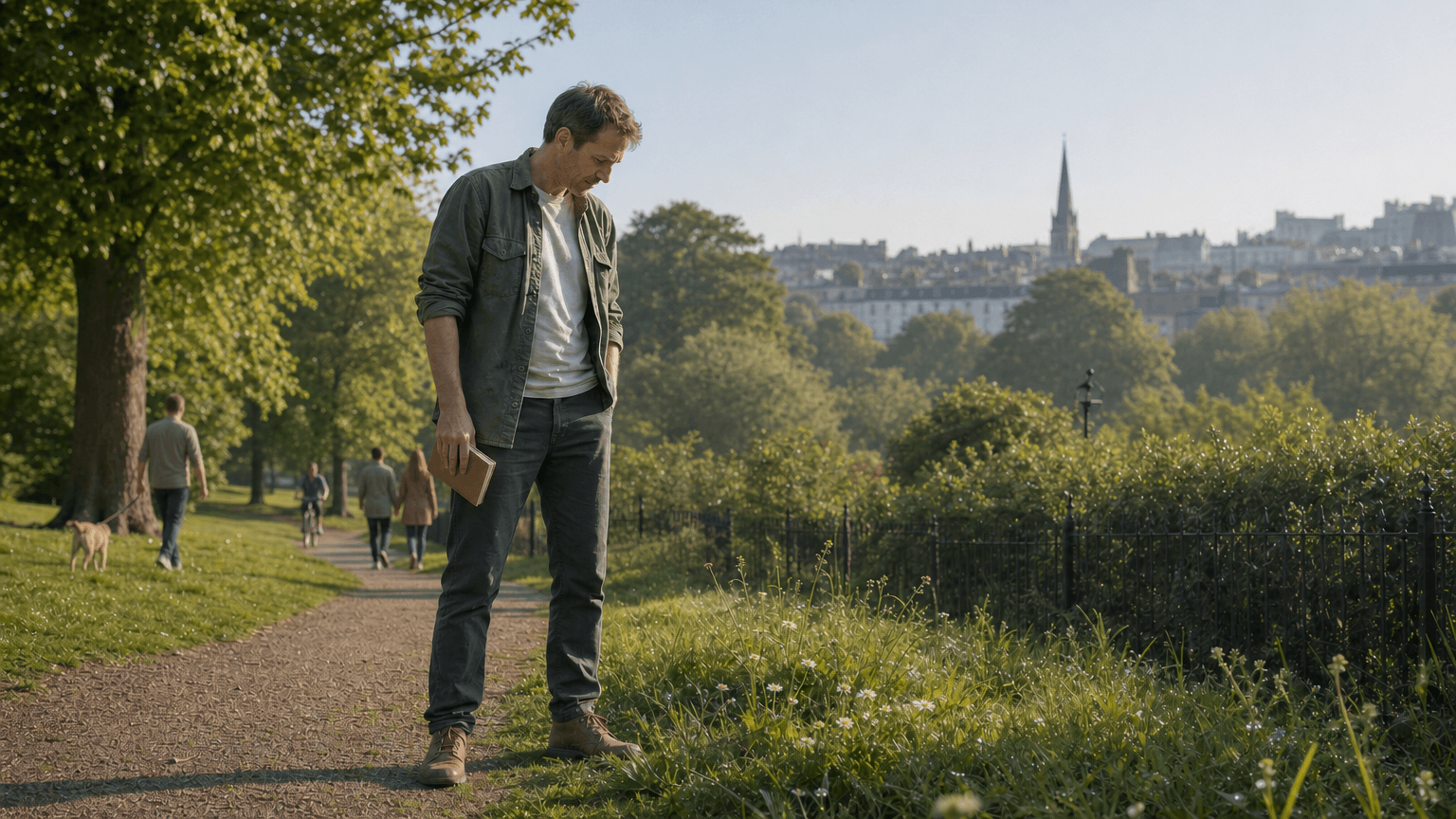

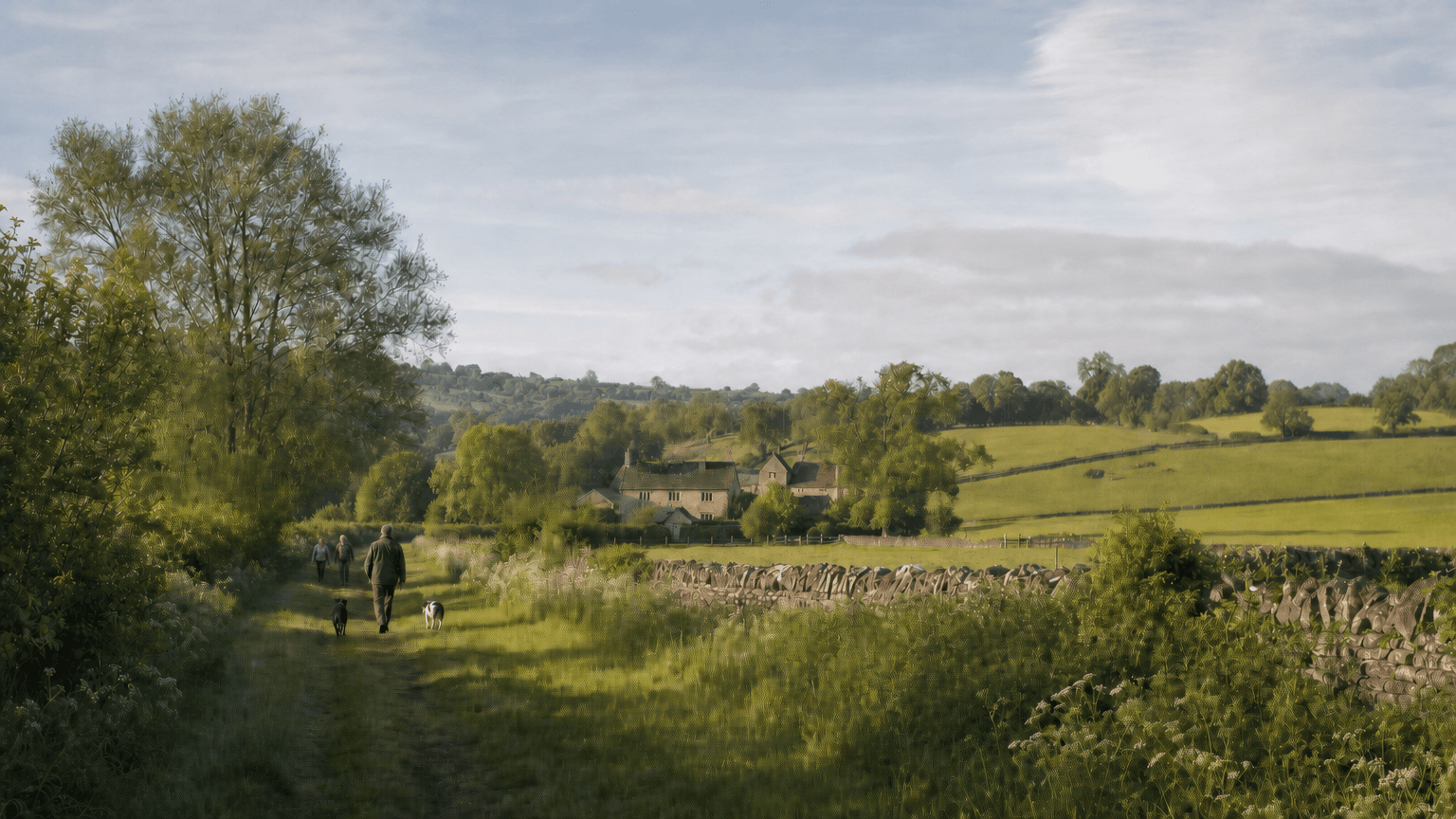
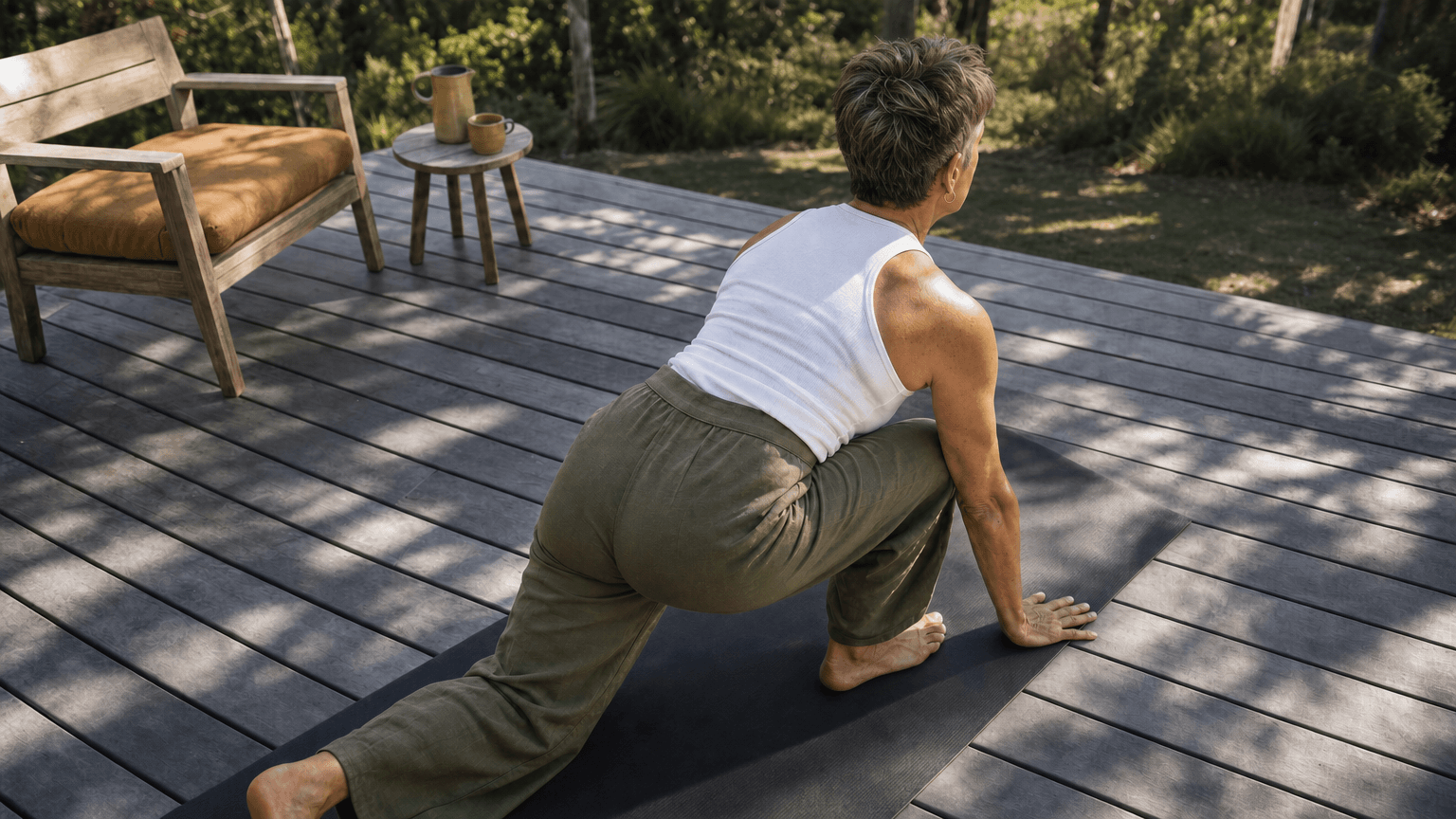










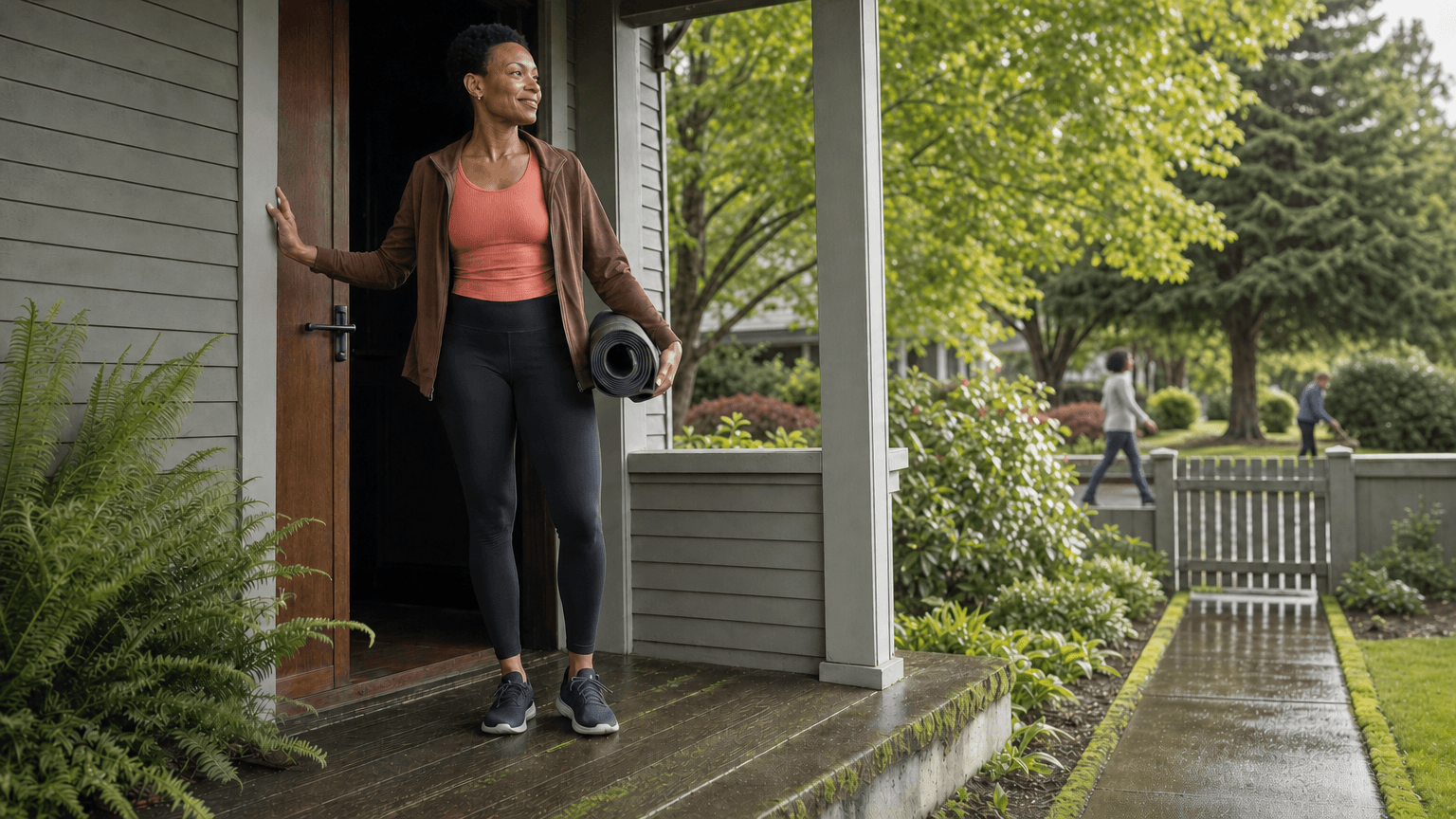

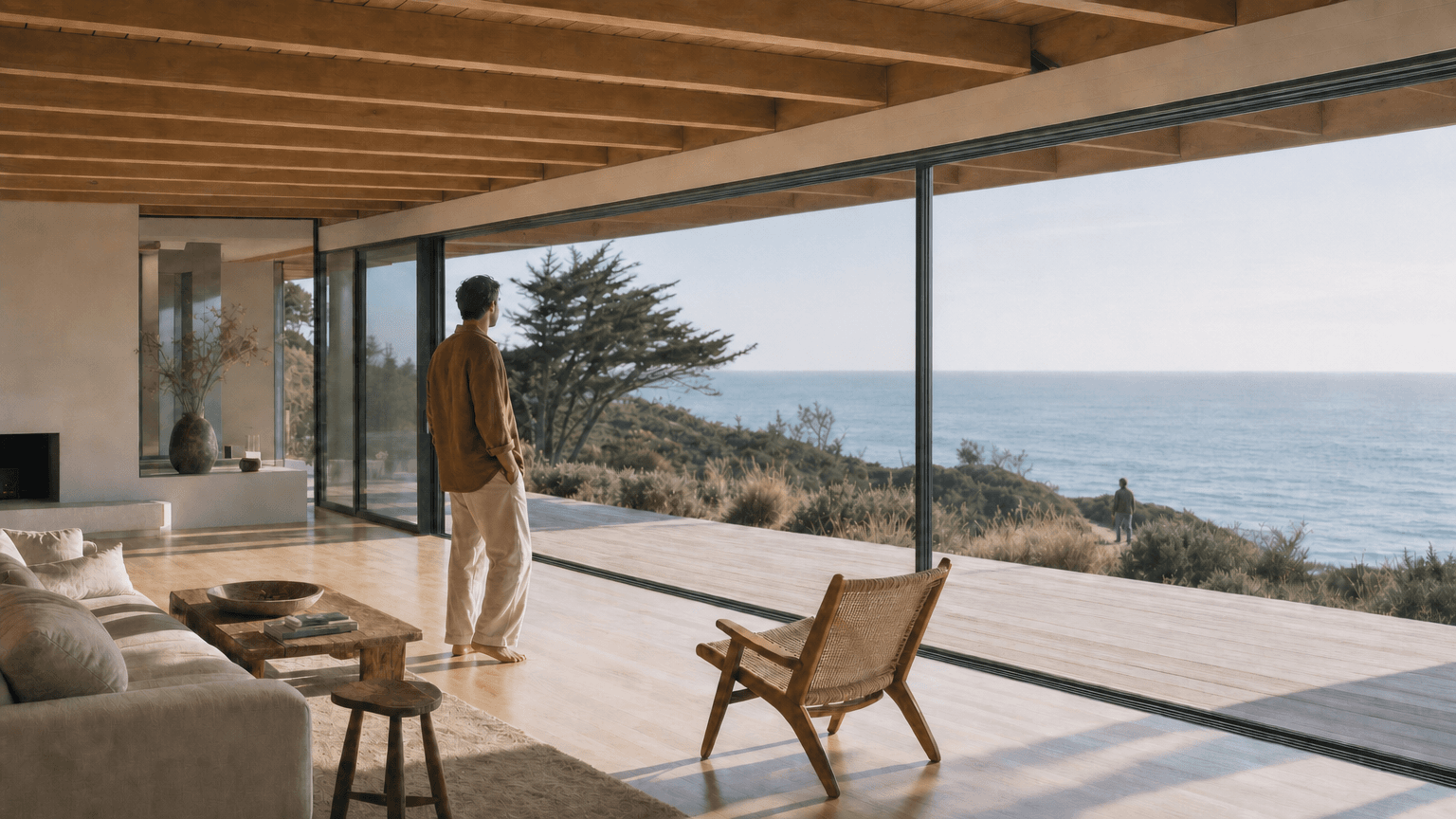

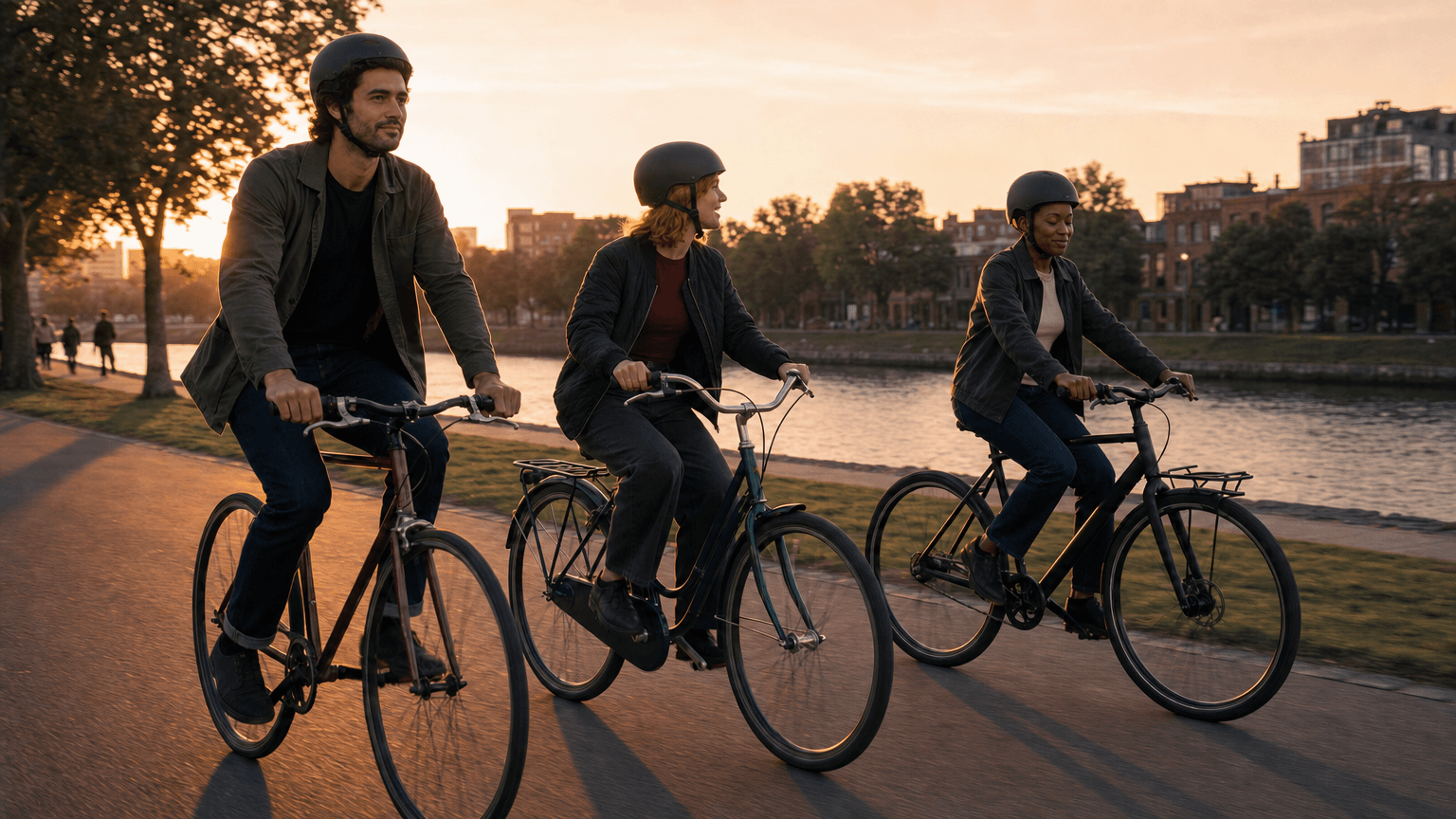






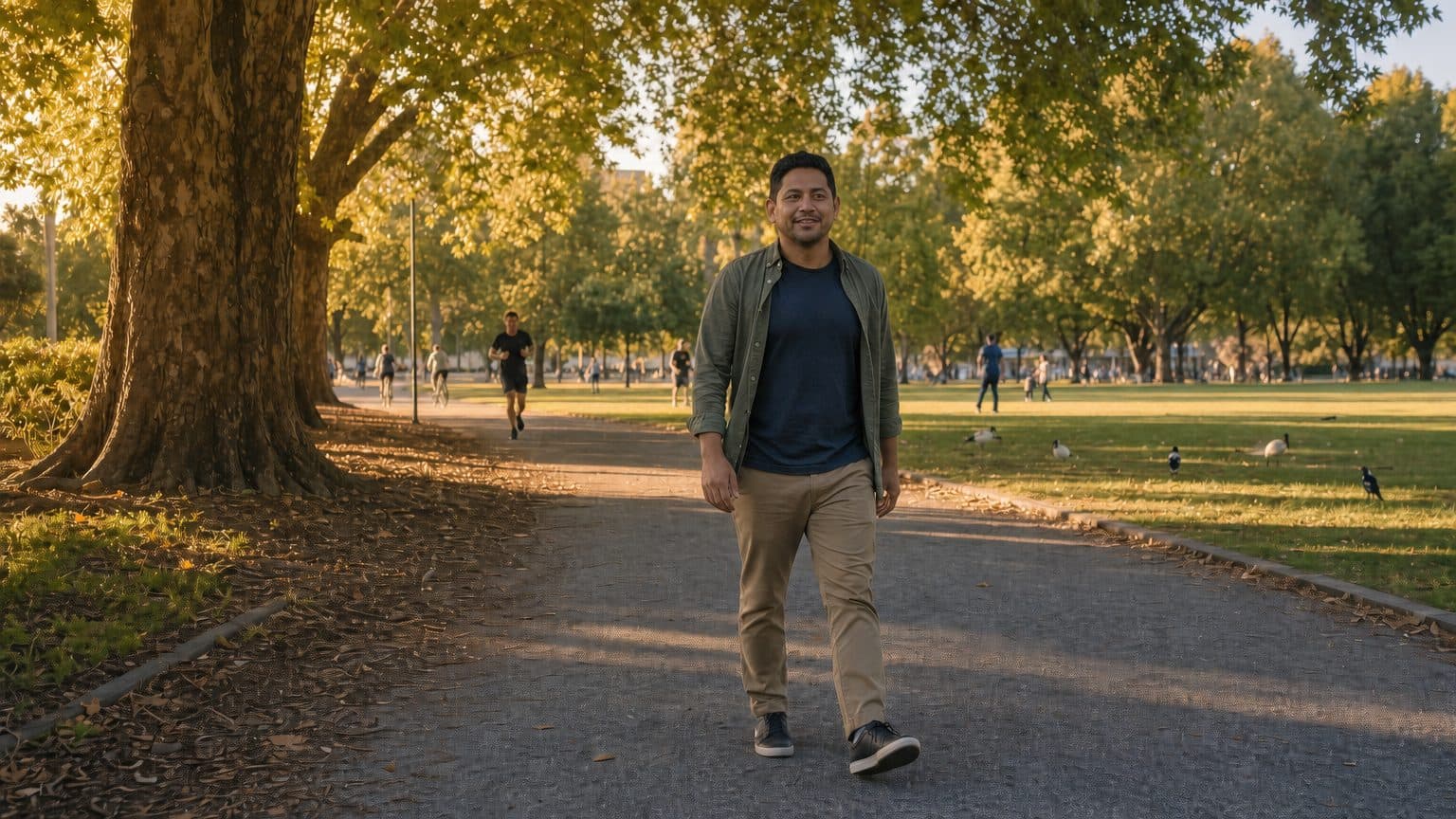
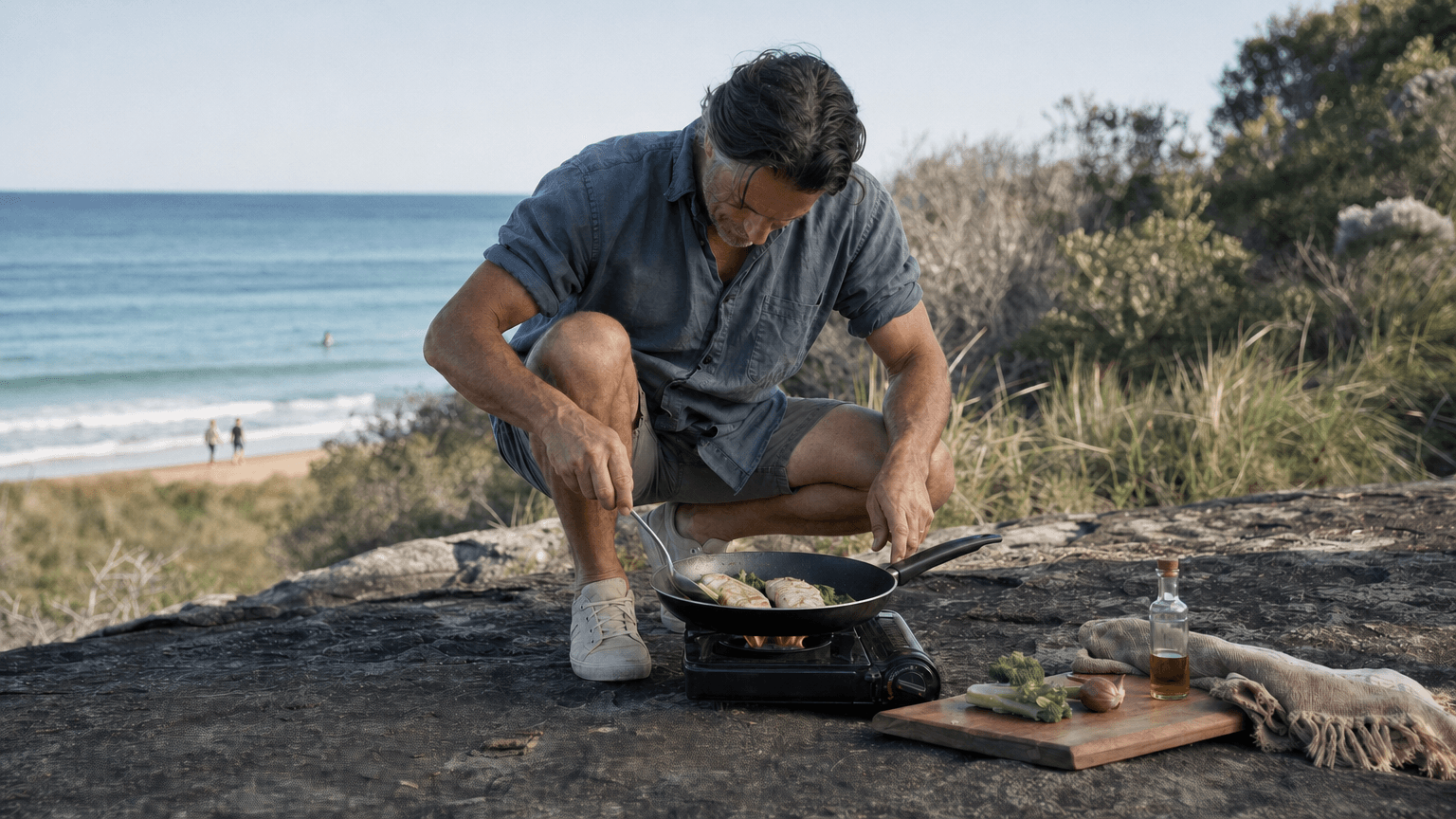
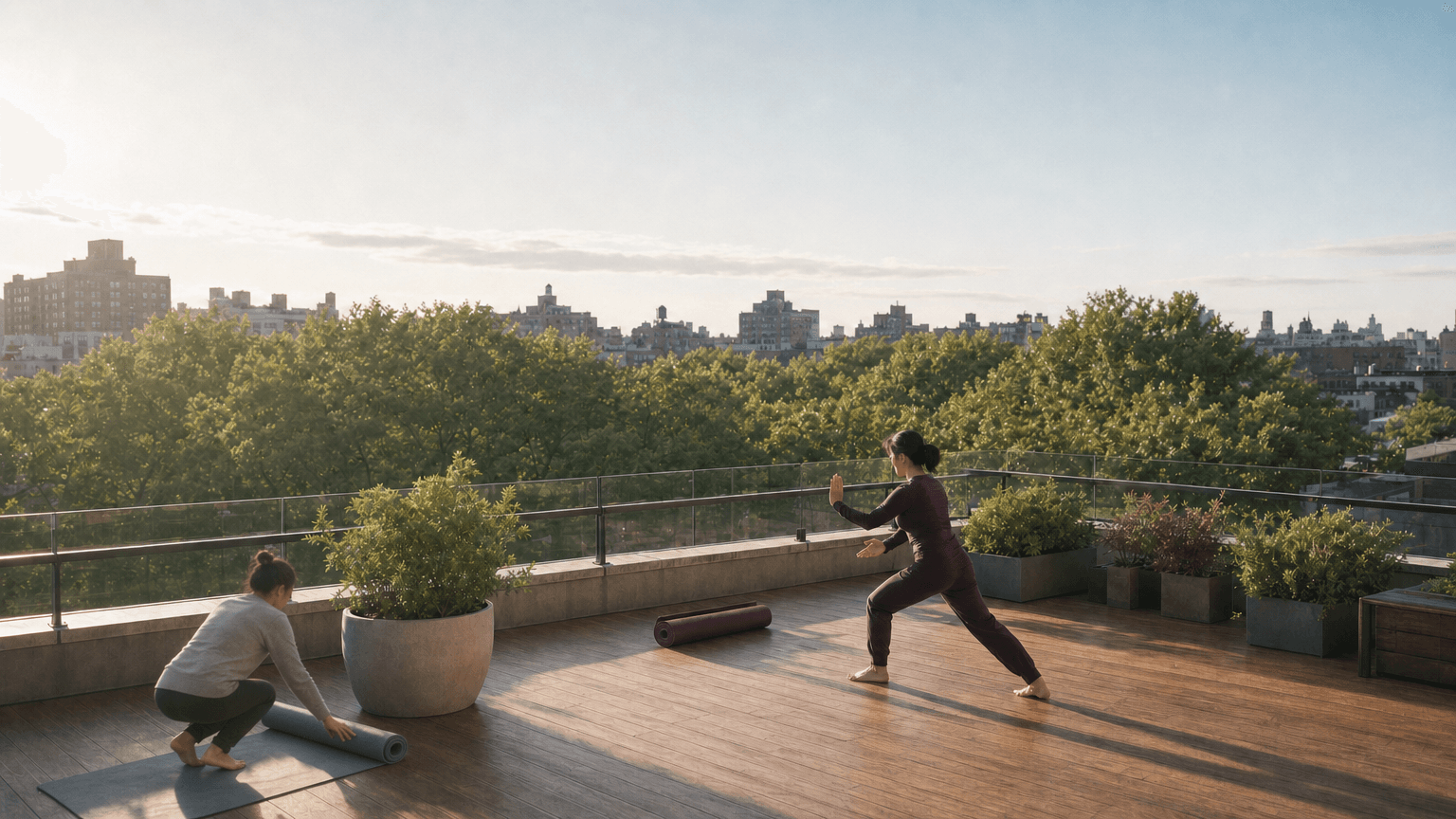



Wellbeing benefits
Why being in nature is good for you
Nature time reliably lifts mood, cuts stress and sharpens focus. You'll also experience enhanced creativity, curiosity and faster recovery from mental fatigue.
Being outdoors helps lower stress levels by reducing tension and promoting relaxation, which supports better overall health and makes it easier to cope with daily challenges (Kaplan & Kaplan, 1989).
Time spent in nature restores your attention, making it easier to concentrate, improve mental clarity and feel more mentally sharp throughout the day. This is especially helpful after long periods of work or screen time (Berman et al., 2008).
Regular exposure to natural environments can lift your mood, reduce feelings of anxiety and enhance emotional stability. Whether you’re walking through a forest or sitting in a park, nature provides a natural boost to your mental health (Ulrich et al., 1991).
Walking or exploring nature provides gentle exercise that improves fitness, strengthens muscles and supports heart health. Even a simple walk through a park offers physical benefits without the need for intense workouts (Pretty et al., 2005).
Spending time in green spaces gives your mind a much-needed break from constant digital stimulation. This mental rest helps you return to your daily tasks feeling refreshed, more focused and with a clearer perspective (Hartig et al., 2003).
Common styles
There are many ways to enjoy being in nature, depending on your preferences and surroundings. Here are some common styles of outdoor activities
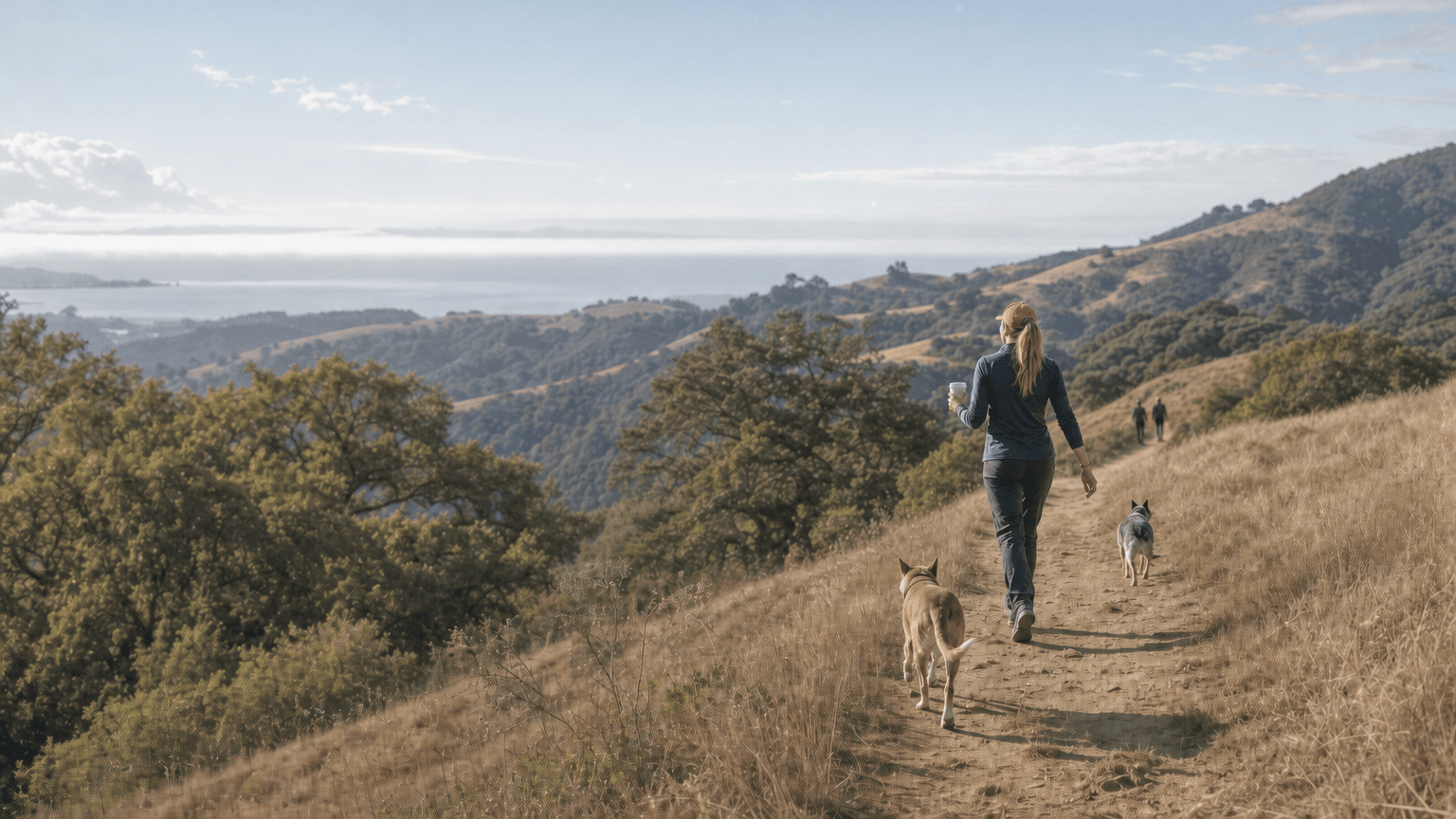
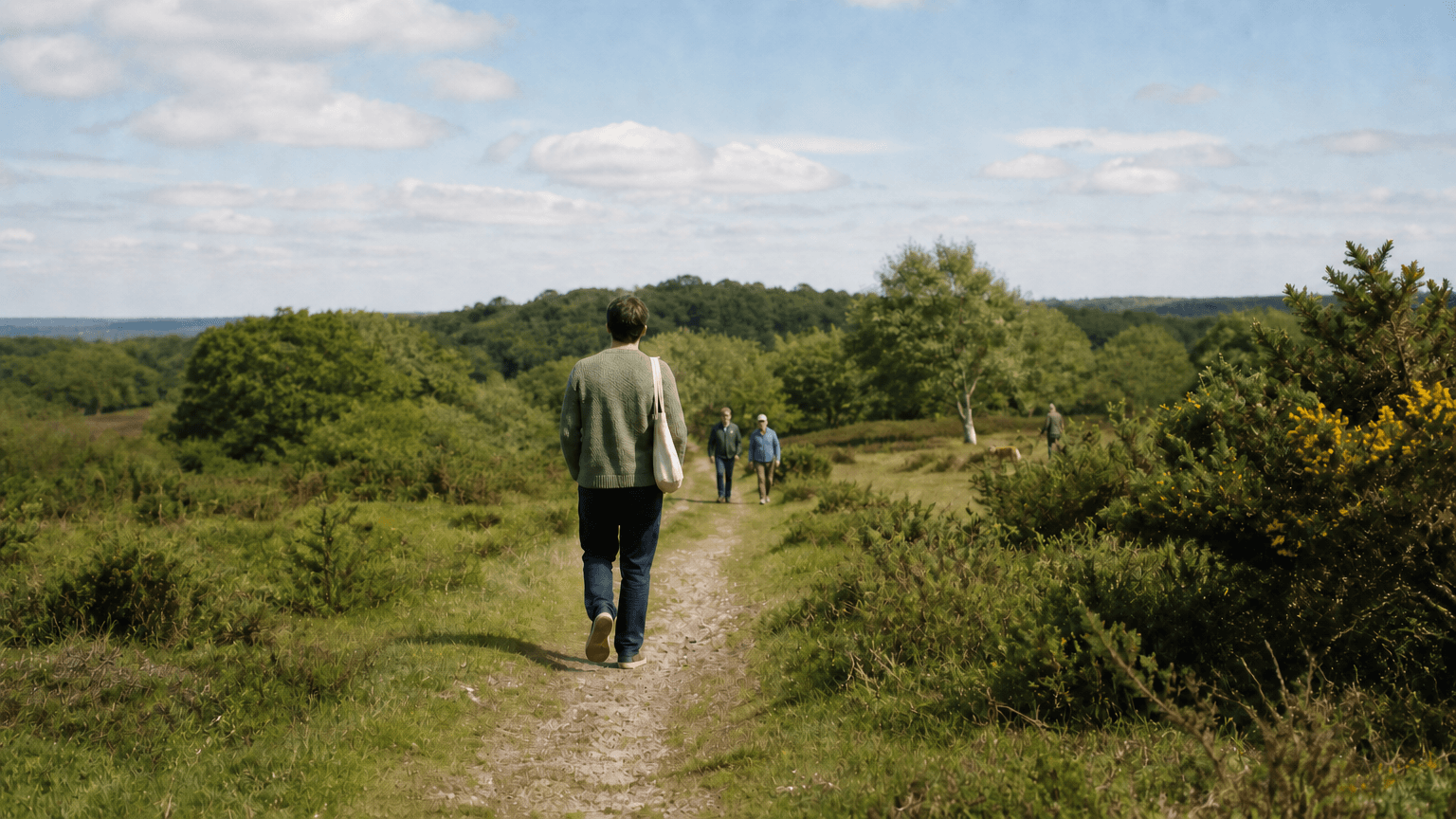
Whether on a mountain trail or a nature reserve, hiking is a popular way to explore landscapes and challenge yourself physically while enjoying the scenery.
Inspired by the Japanese practice of shinrin-yoku, this involves taking slow, mindful walks through forests to immerse yourself in the atmosphere of the woods.
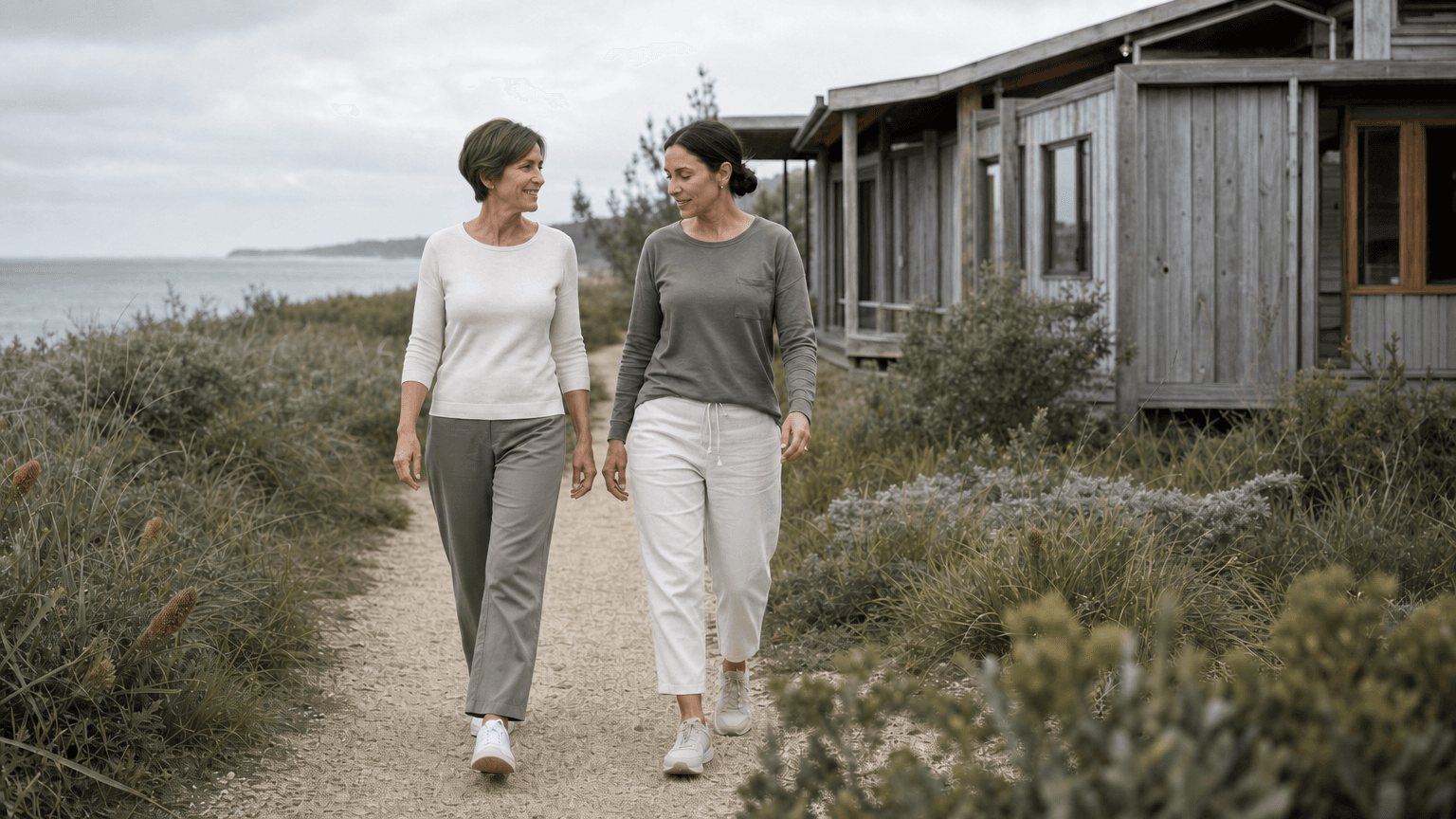
Perfect for those near coastal areas, beachcombing involves walking along the shore, exploring tide pools and checking out seashells or driftwood while enjoying the calming effect of the ocean.
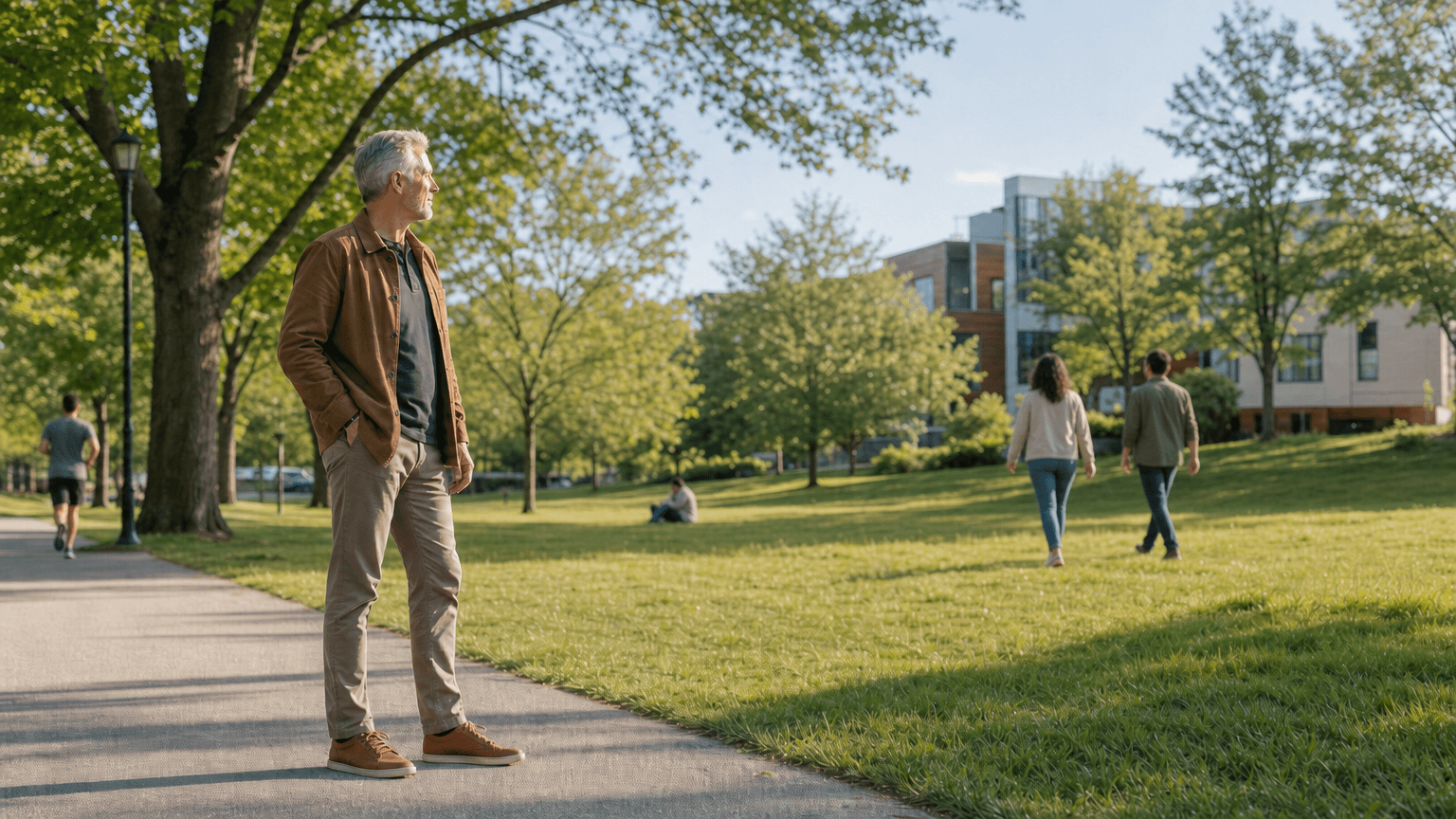
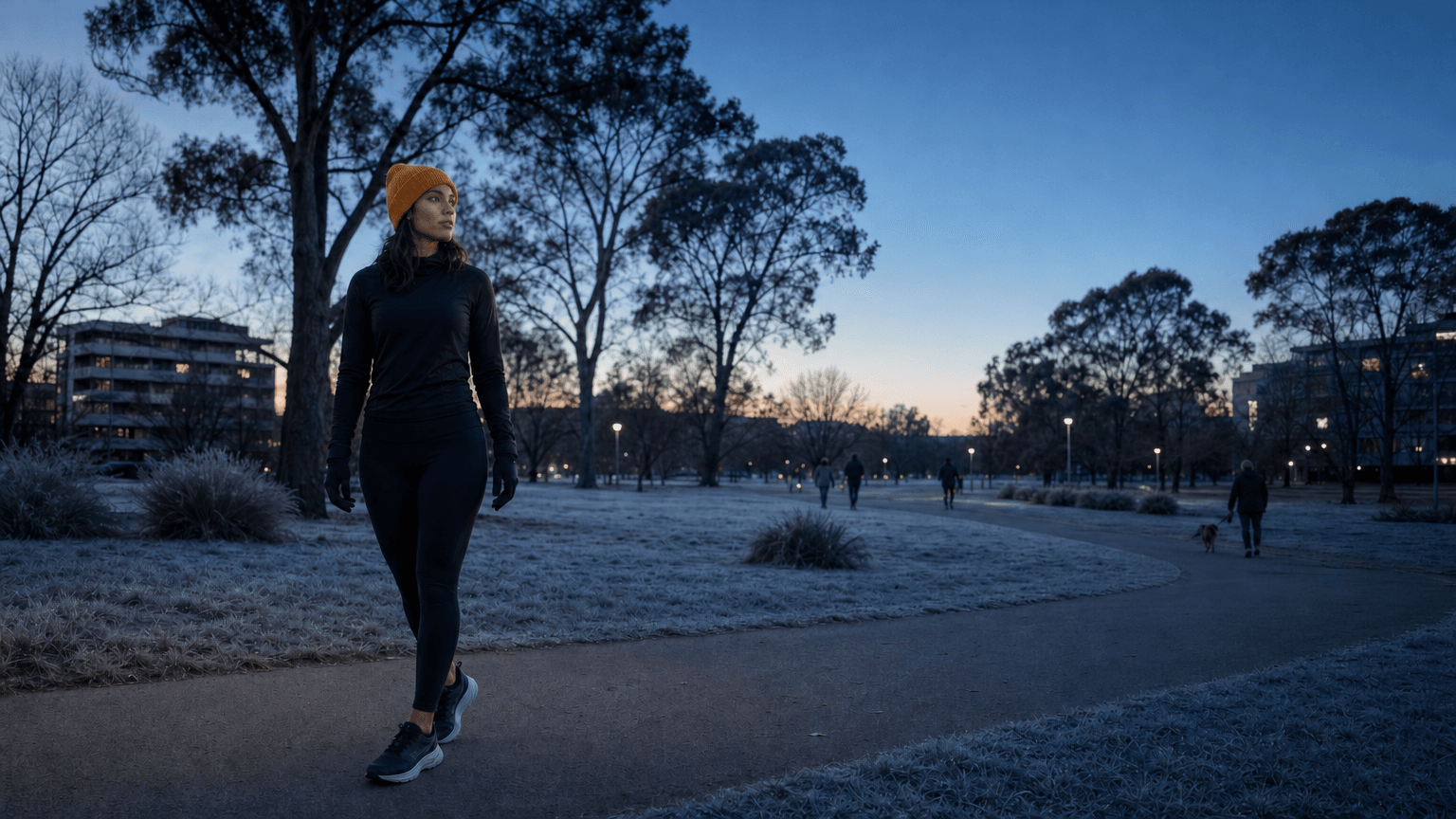
Even in busy neighbourhoods, walking around your area can offer a refreshing nature break. Taking a stroll through local parks, tree-lined streets or along riversides can provide a sense of connection with the outdoors, even in the heart of a city.
Self-led, one-on-one, or in a group
Whether you go it alone, join a group, or work 1:1 with a teacher, we’ve laid out what each path can look like.
Recommendation for first-timer
1st pick
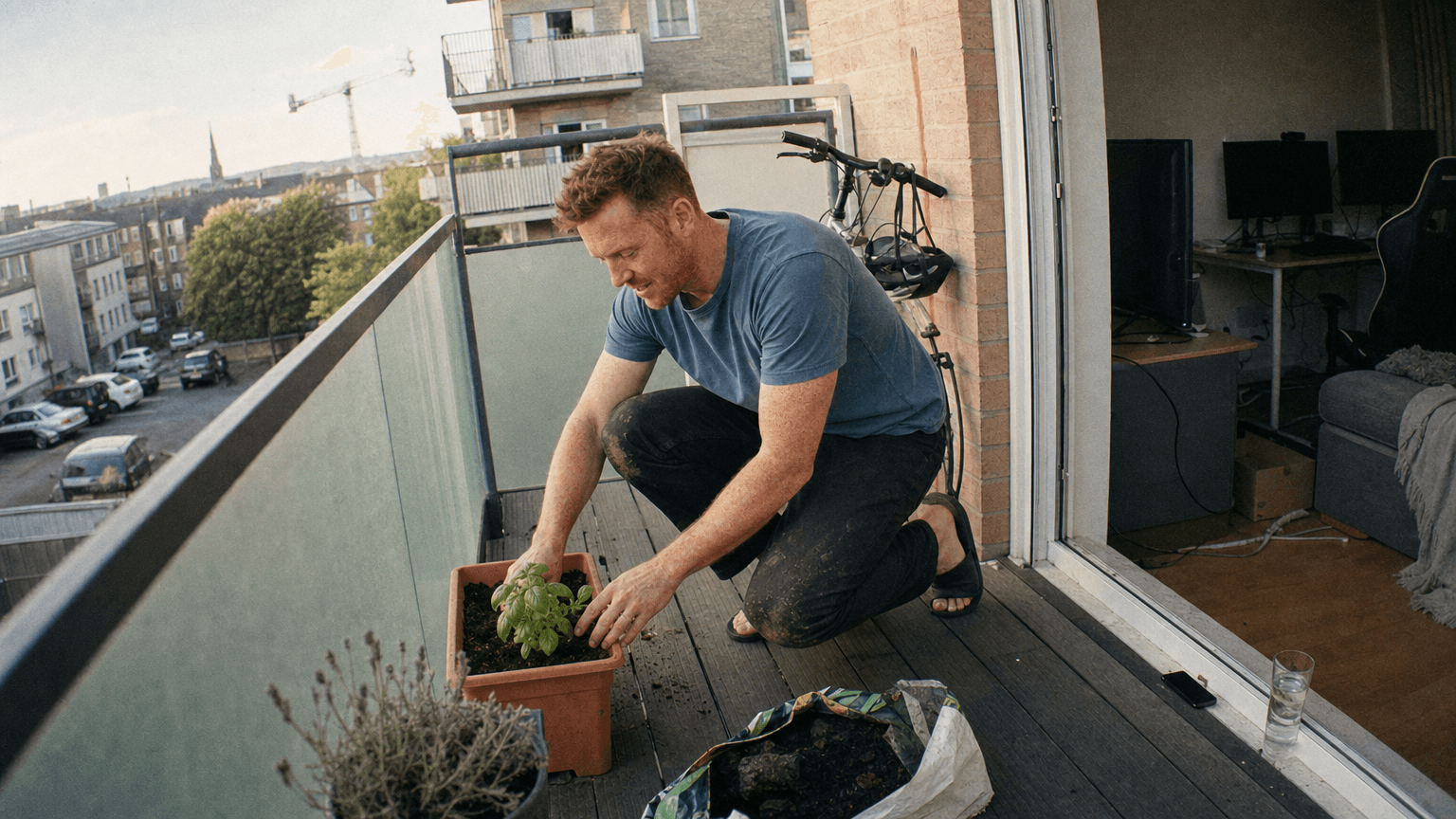
Best for those who want flexibility and ease. Simply step outside for a walk, relax in a park, or head to a beach. Even sitting in your own backyard or balcony can do the trick.
3rd pick
Perfect for first-timers who want personalised attention. Expert guides offer tailored experiences, focusing on safety and intimate knowledge of the area.
2nd pick
Ideal for beginners looking for structure and social interaction. Group picnics, walking groups or sightseeing opportunities offer guidance and the chance to learn from others.
Availability
Widely
Accessible anywhere, anytime. You can enjoy nature from your backyard, local park, or by walking around your neighborhood.
Moderately
Available through nature tours and guided experiences, but you’ll need to book in advance, especially for special locations.
Moderately
Many hiking and nature groups exist, but you’ll need to find and schedule group meetups, which may not be frequent.
Average cost per session
Free or low cost
There’s no cost involved in heading outside to enjoy nature, unless you choose to travel or invest in special gear.
Moderate costs
Guided nature experiences or personalised sessions often require payment, based on duration and location.
Free or low cost
Group hikes or walks can be free or involve a fee, depending on the group or destination.
Special equipment required
None or minimal
None. You can go outside without any special gear. Optional items like comfortable shoes, a jacket or a water bottle may improve your experience.
None or minimal
Most guided experiences will provide necessary equipment. You may need personal items like hats or sunscreen for comfort.
None or minimal
Typically, no special equipment is needed, though some group activities may suggest gear like appropriate shoes or water.
Potential for socialisation & community
Mostly solo
Self-led nature experiences tend to be more solitary, perfect for those who enjoy alone time or personal reflection.
You can always go with a friend, partner or the dog.
Social potential
1:1 experiences focus on learning with your guide. While not highly social, you may have a meaningful interaction with an expert.
Highly social
Group activities allow for social interaction, shared experiences, and community-building with like-minded individuals.
Safety & skill building
Consider risks
You’ll rely on your own awareness and resources. Safety is your responsibility, especially in unfamiliar environments.
Safe & fast
Personalised guidance ensures a safe experience, with a focus on teaching skills related to nature observation, navigation or wildlife awareness.
Mixed results
Group settings often include experienced leaders who provide safety tips and guidance, enhancing your skill set.
Space or privacy required
Minimal
You can enjoy nature in small spaces like your backyard, a park or a beach without needing much privacy.
Minimal
Guided experiences often take place in quieter, secluded areas, offering a bit more privacy while you explore.
Some required
Group activities are typically held in public spaces, so personal privacy may be limited.
Ease of scheduling
Very flexible
Nature is available whenever you want it, making it easy to fit into your day.
Need to plan
You’ll need to book tours or guided sessions in advance, though these can often be arranged to suit your schedule.
Need to plan
Group activities require coordination and scheduling, but options are generally available on weekends or evenings.
Setup time
Little to none
You can be outside quickly without needing much preparation, just grab your shoes and go.
Up to 30 mins
Guided experiences may involve travel to specific locations, but your guide will handle most logistics for you.
Up to 30 mins
Some group activities require meeting points and coordination, which may add travel or preparation time.
Active practice time
Under 20 mins
A nature walk or outdoor break can be as short or long as you like, with around 20-30 minutes being ideal.
An hour +
Guided sessions typically range from an hour to an hour and a half, allowing time for observation and learning.
Up to an hour
Most group walks or hikes last around an hour, though some excursions may be longer depending on the destination.
Unexpected advantages
Wholesome
If you're a dog lover without one of your own, don't worry! There's a good chance you'll encounter other people's dogs during walks in the park or at the beach. It's a great way to get your canine fix.
Random
The next time you see a video of David Attenborough, you might have some information of your own to add to his commentary.
Wholesome
You might discover cool areas close by that you didn't know existed. Then you can go back and visit on your own at a later time.
Academic research we rate
- The Effects of Workplace Nature-Based Interventions on the Mental Health and Well-Being of Employees: A Systematic Review
Full citationHide citation
- A systematic review of evidence for the added benefits to health of exposure to natural environments
Full citationHide citation
- A Systematic Review and Meta-Analysis of Nature Walk as an Intervention for Anxiety and Depression
Full citationHide citation
- Nature Exposure and Its Effects on Immune System Functioning: A Systematic Review
Full citationHide citation
- Nature-Based Interventions for Psychological Wellbeing in Long-Term Conditions: A Systematic Review
Full citationHide citation
Show all 10 studiesShow fewer studies
- Immersive Nature-Experiences as Health Promotion Interventions for Healthy, Vulnerable, and Sick Populations? A Systematic Review and Appraisal of Controlled Studies
Full citationHide citation
- Literature Review of Forest Healing Therapy on Korean Adults
Full citationHide citation
- Benefits for emotional regulation of contact with nature: a systematic review
Full citationHide citation
- The Restorative Effect of the Natural Environment on University Students' Psychological Health
Full citationHide citation
- Effects of Shinrin-Yoku (Forest Bathing) and Nature Therapy on Mental Health: a Systematic Review and Meta-analysis
Full citationHide citation
Safety
Ready to escape your desk and breathe in some fresh air? We get it! Nature's calling, and it's great for everyone. Before you head out though, we've gathered a few tips below to help make your outdoor experience even more enjoyable.
- Check the weather forecast and dress appropriately for the conditions.
- Consider the environment and prepare for any location specific requirements.
What you might experience
You’ve heard it over and over – being in nature reduces stress, boosts mood and helps you unwind. But as you step outside, you might wonder if this can really make a difference. With the hustle and bustle of life, it’s hard to imagine how something so simple could help. Still, you’re willing to give it a shot. Maybe it’s time to see what all the fuss is about.
After a few minutes outside, some tension releases. The fresh air fills your lungs, the sounds of birds and rustling leaves distract you from your usual worries, and your mood lifts, even though you’ve barely moved. It’s not dramatic, but you feel noticeably calmer. You didn’t expect it to happen this quickly, but nature has a way of sneaking up on you.
As you walk or sit quietly, your mind drifts back to your phone or things you need to do. It’s tempting to rush back to your usual distractions. But that’s the challenge of being in nature – slowing down. You might find yourself taking deeper breaths now and just focusing on your surroundings. The details will start to draw you in.
The more time you spend outside, the more you notice the rhythm of nature. The warmth of the sun, the cool breeze, the birdsong. You might not have realised how much you need this calm influence. With each passing moment, your might find your mind feeling lighter, and the sense of being fully present taking over.
As you finish your time outside walking, you may feel a renewed connection to both your surroundings and yourself. The tension you brought with you has melted away, leaving your thoughts clearer and more focused. Realising this rejuvenating experience is always accessible can be a powerful motivator. It's worth considering making nature breaks a regular part of your routine.
Check it out
In nature


Want to try being in nature alongside some other activities?
You don't have to build a routine from scratch. Every Burst is a ready-made plan you can schedule in a couple of taps.