
Wildlife observation
bird watching, animal watching, nature observation, bear cams
Wildlife observation can be done almost anywhere, from your backyard or balcony to local parks, spotting everything from insects to birds as you explore the natural world around you.
MoreLess
What is wildlife observation?
Wildlife observation is a rewarding and accessible activity that invites you to explore the natural beauty around you. Whether you’re in a bustling city or a quiet rural area, you can find opportunities to observe a diverse array of animals, from tiny insects crawling in your garden to colourful birds perched in trees.
This activity not only helps you connect with the environment but also encourages patience and attentiveness as you learn to notice the subtle movements and behaviours of the creatures around you. By simply slowing down and paying attention, you’ll discover a world that’s been there all along, just waiting to be seen. Ready to start observing who you share your world with? Let’s get into it and find out how you can begin!
Bursts that feature wildlife observation


Wellbeing benefits
Why wildlife observation is good for you
Wildlife watching can sharpen focus and spark curiosity. Regular nature connection reduces stress and restores attention effectively.
Observing wildlife in natural settings reduces stress by immersing you in calming environments, promoting relaxation and helping you disconnect from daily pressures, leading to a more balanced life (Kaplan & Kaplan, 1989).
Wildlife observation enhances mental clarity by offering a refreshing break from routine, allowing your mind to reset, improve focus and boost cognitive function, which can enhance your daily productivity (Berman et al., 2008).
Connecting with nature and observing wildlife can significantly boost your mood, reduce anxiety and foster a deeper sense of emotional stability and overall health, providing a natural lift to your spirits (Ulrich et al., 1991).
Exploring natural areas while observing wildlife adds light but consistent physical activity to your routine, contributing to overall fitness, improving cardiovascular health and encouraging a healthier lifestyle (Pretty et al., 2005).
Focusing on the movements and behaviours of animals helps you stay present and fully engaged in the moment, reducing mental distractions and enhancing your ability to savour life’s simple pleasures (Hartig et al., 2003).
Common styles
Wildlife observation can be enjoyed in different styles, depending on your interests and environment. Here are a few popular approaches
Perfect for beginners, this style involves observing birds, insects and small animals from the comfort of your home or garden. Setting up feeders or bird baths can attract a variety of species.
For those who enjoy being active, observing wildlife while hiking or walking through parks and nature reserves allows for a broader variety of animals, including mammals and larger birds.
A focused style of wildlife observation, bird watching is popular among enthusiasts who enjoy identifying and tracking different bird species, often using binoculars for a closer look at distant birds.
Self-led, one-on-one, or in a group
Whether you go it alone, join a group, or work 1:1 with a teacher, we’ve laid out what each path can look like.
Recommendation for first-timer
1st pick
Best for beginners who want a simple, no-fuss way to start. You can head outside anytime and explore nature at your own pace.
3rd pick
Ideal for those wanting expert guidance. Personalised instruction ensures you spot and understand wildlife, perfect for a deeper learning experience.
2nd pick
Great for those who enjoy learning alongside others. Group settings provide guidance and the chance to learn from more experienced observers.
Availability
Widely
You can observe wildlife from a window, your backyard, or any nearby park. Wildlife can often be found in both urban and rural areas, making it highly accessible.
Moderately
Tours and 1:1 experiences are available through organisations like wildlife eco groups and tourism operators.
You’ll need to book in advance and sessions may be limited to certain days or hours.
Moderately
Wildlife and birdwatching groups are available in many cities and rural areas. Scheduled meetups or events may vary in frequency and location
Average cost per session
Free or low cost
No cost unless you want to visit a park or area that requests an entrance or parking fee.
Expensive
$50-$150. Prices vary depending on the location and duration of the tour or private session.
Free or low cost
$20-$50. Some group activities may have a fee for events or meetups, especially if organised by wildlife groups.
Special equipment required
None or minimal
None. You can start with nothing but curiosity. Optional items like binoculars, field guides or cameras may enhance the experience.
None or minimal
Equipment like binoculars or scopes is often provided by the guide. Personal items like hats, sunscreen and water are recommended.
None or minimal
Low. Binoculars or guides may be recommended by the group, but particularly for urban settings, no special equipment is required.
Potential for socialisation & community
Mostly solo
Wildlife observation on your own can be a solitary activity, perfect for quiet reflection.
Easy to include a willing friend or family member.
Social potential
While 1:1 tours allow for personal engagement with your guide, the focus is more on learning than socialising.
Highly social
Group activities encourage interaction and shared learning experiences, helping you build a community of like-minded nature enthusiasts.
Safety & skill building
Consider risks
You’ll need to rely on online resources or apps for guidance, so there’s a chance of missing key safety tips or misidentifying species.
Safe & fast
An experienced guide ensures safety, helps you spot wildlife and teaches you key identification skills.
Safe & fast
In group settings, the group leader or experienced members can help with safety tips and you can learn from their observations.
Space or privacy required
Minimal
A small outdoor space, like a park or backyard, is enough to start.
Some required
Tours often take place in more secluded areas, offering some privacy while observing.
Minimal
Groups often travel together, meet in public spaces or parks, so space is not always guaranteed.
Ease of scheduling
Very flexible
You can observe wildlife at any time that suits you, making it flexible and easy to fit into your schedule.
Need to plan
Guided tours need to be booked in advance, but there’s often flexibility in selecting dates and times.
Need to plan
Group activities are typically scheduled in advance, so you’ll need to align your availability with group events.
Setup time
Little to none
Step outside or glance out a window – it's that simple. There’s no elaborate setup required.
Up to 30 mins
Depending on the tour location, travel and preparation time may vary, but guides usually handle most logistics.
Over 30 mins
Travel to group meeting points is often necessary. Some preparation beforehand is also required to pack essential items.
Active practice time
Under 20 mins
Wildlife observation on your own can be flexible, but effective sessions would run around 20- 30 minutes.
An hour +
Most tours last between 1-2 hours, providing ample time for observation and learning.
Up to an hour
Group sessions typically last about an hour, though some may extend depending on the location and species involved.
Unexpected advantages
Random
You might finally discover where those ants have been entering your home and find a way to redirect them.
Actually useful
You'll likely end up doing a bit of walking, so you might get to tick off some physical activity for the day too.
Random
If you're lucky, you'll see some prehistoric or weird animal, and it can become a story for your grandchildren in later years.
Academic research we rate
- A Meta-Analysis of Emotional Evidence for the Biophilia Hypothesis and Implications for Biophilic Design
Full citationHide citation
- Restorative Effects of Biophilic Workplace and Nature Exposure during Working Time: A Systematic Review
Full citationHide citation
- Non-material contributions of wildlife to human well-being: a systematic review
Full citationHide citation
- Viewing Nature Scenes Positively Affects Recovery of Autonomic Function Following Acute-Mental Stress
Full citationHide citation
- Biophilia Upscaling: A Systematic Literature Review Based on a Three-Metric Approach
Full citationHide citation
Show all 10 studiesShow fewer studies
- Effects of soothing images and soothing sounds on mood and well-being
Full citationHide citation
- Effects on Wellbeing of Exposure to Dog Videos Before a Stressor
Full citationHide citation
- Examining the Effects of Nature and Animal Videos on Stress
Full citationHide citation
- The phantom chorus: birdsong boosts human well-being in protected areas
Full citationHide citation
- Appraisals of Wildlife During Restorative Opportunities in Local Natural Settings
Full citationHide citation
Safety
Got your khakis on, binoculars around your neck and keen to get in touch with the natural world? Wildlife observation is safe for everyone, but if you're going out into nature, it's worthwhile taking a look at a few more details we have put together for you.
- Check the weather forecast and dress appropriately for the conditions.
- Consider the environment and prepare for any location specific requirements.
- Stay on marked paths and maintain a safe distance from wildlife.
What you might experience
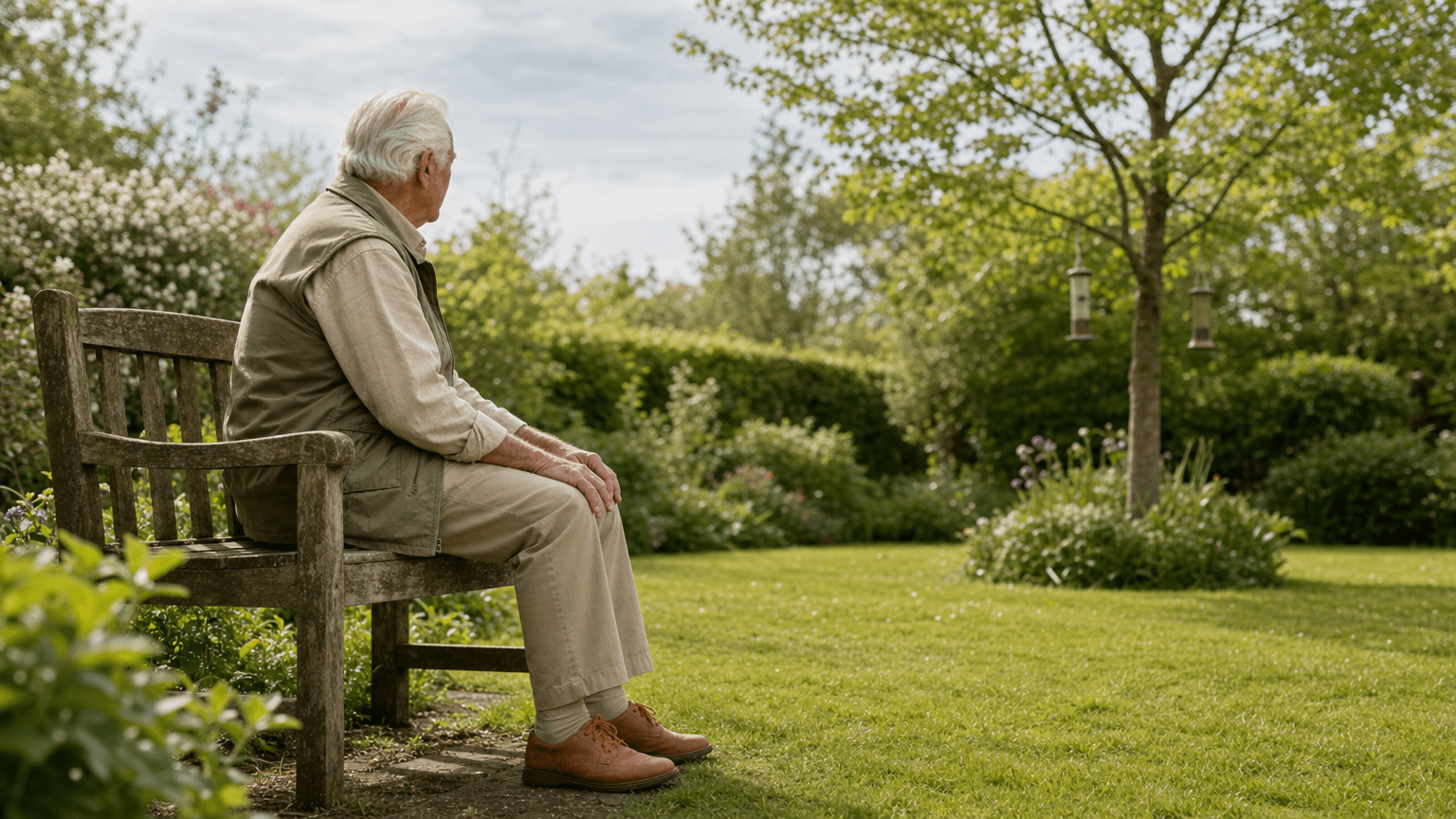
You step outside, ready to observe wildlife, but at first glance, nothing seems to be happening. Don’t worry! Wildlife observation often requires patience. Start by finding a quiet spot and focusing on one area – a tree, a patch of flowers or a water source. Animals and insects are always around; it just takes a bit of time for them to reveal themselves.
As you sit quietly and tune into your surroundings, you begin to notice small movements – a bird hopping from branch to branch, a cat darting along a fence or even an insect crawling on a leaf. These tiny details, which you might normally overlook, suddenly feel exciting. You realise how much life is happening right in front of you.
At some point, you might wonder if you’re scaring the animals away. It’s normal to be concerned about your presence. Try to stay as quiet and still as possible. Wildlife is often cautious of humans, but with patience and a gentle approach, animals will become more comfortable and you’ll get to witness their natural behaviour.
As time passes, you might start to feel more connected to your surroundings. The calmness of simply watching and waiting can be a soothing experience. The subtle rustling of leaves, the songs of birds or the gentle buzz of insects can be a very enjoyable atmosphere. Wildlife observation offers a sense of quietness, allowing you to slow down and immerse yourself in nature.
By the end of your observation, you might be amazed at how much wildlife you've noticed. From tiny insects to larger animals, the experience can give you a new appreciation for the natural world. Even in areas you thought were quiet, life is thriving. All you need to do is step outside and be patient to welcome in a world of natural wonders.
Check it out
In nature


Want to try wildlife observation alongside some other activities?
You don't have to build a routine from scratch. Every Burst is a ready-made plan you can schedule in a couple of taps.