
Gardening
horticulture, urban gardening, plant parenting
Gardening is a fulfilling and accessible way to connect with nature, whether you're growing flowers, vegetables or simply tending to houseplants.
MoreLess
What is gardening?
Gardening is a rewarding activity that anyone can try, whether you have a big backyard or a small apartment balcony. It’s more than just planting flowers – it’s about nurturing life, creating beauty and even growing your own food. Gardening can be as simple or as complex as you like, from easy indoor plants to fully landscaped gardens. It offers a perfect opportunity to step outside, unwind and watch things grow. Plus, there’s a sense of pride and accomplishment when you see, share or eat the results of your hard work. Ready to dig in and start your gardening journey? Let’s get growing!
Bursts that feature gardening
Wellbeing benefits
Why gardening is good for you
Gardening lifts mood and reduces stress. Tending plants also encourages physical activity, fosters creativity, and builds purpose.
Gardening is known to lower stress levels by allowing you to focus on simple, hands-on tasks, helping to clear your mind and reduce tension. The repetitive motions of planting, weeding and tending to plants provide a calming rhythm that promotes relaxation (Kaplan & Kaplan, 1989).
Digging, planting and weeding all provide light exercise, helping improve strength, flexibility and overall fitness. Whether you're working on flower beds or tending to vegetables, gardening keeps you moving and active without the intensity of a structured workout (Pretty et al., 2005).
Spending time around plants and in the fresh air has been shown to boost mood and reduce symptoms of anxiety. The simple act of nurturing a garden and watching it flourish creates a sense of accomplishment and joy, contributing to better emotional wellbeing (Ulrich et al., 1991).
Tending to plants and watching them grow encourages concentration and brings you into the present moment. Whether you're planning your garden layout or caring for seedlings, gardening improves mental clarity and helps you stay focused in everyday tasks (Berman et al., 2008).
Gardening offers a direct way to engage with the natural world. By caring for plants, you connect with the cycles of growth, soil, and seasons, fostering a deeper appreciation for nature and the environment around you (Hartig et al., 2003).
Common styles
For those with outdoor space, backyard gardening is a traditional way to grow vegetables, flowers, or herbs directly in the ground, creating a personal, green sanctuary.
These shared spaces allow individuals to cultivate their own plots while fostering a sense of community. Ideal for urban dwellers without access to private gardens, community gardens promote collaboration and sustainable practices.
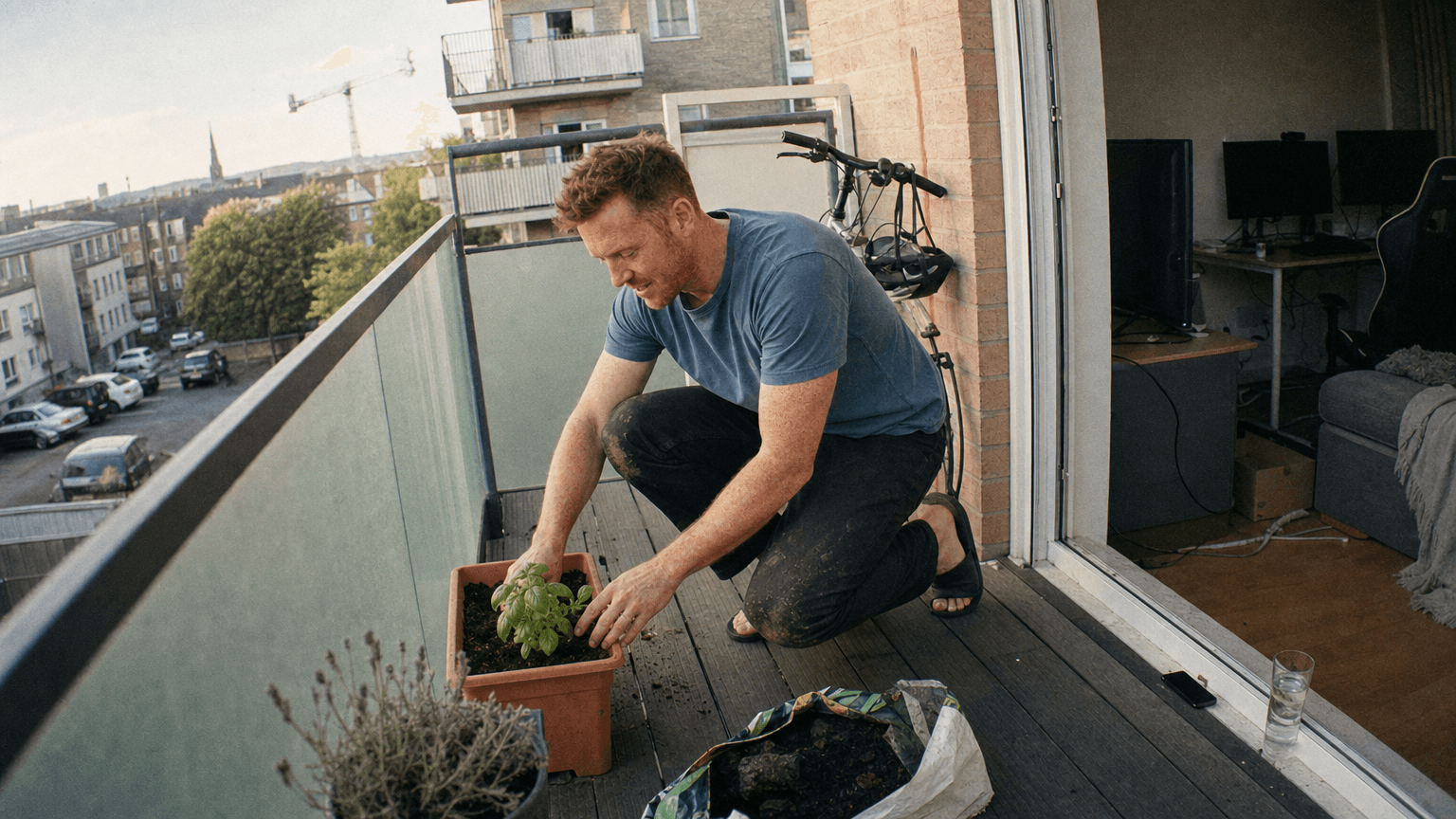
Perfect for balconies, patios, or small spaces, container gardening involves growing plants in pots or planters. It’s a versatile option, letting you cultivate everything from flowers to vegetables in limited areas.
For those without outdoor space, indoor gardening with pot plants brings nature inside. From small succulents to large leafy plants, indoor gardening improves air quality and adds greenery to your home.
Self-led, one-on-one, or in a group
Whether you go it alone, join a group, or work 1:1 with a teacher, we’ve laid out what each path can look like.
Recommendation for first-timer
1st pick
Ideal for beginners seeking flexibility and simplicity. Start with a few plants at home and gradually build your skills, expanding your garden indoors or outdoors over time.
3rd pick
Perfect for those who have a complex project in mind or prefer personalised guidance. A consultant or instructor helps with garden design, plant care and troubleshooting.
2nd pick
Great for those who want to learn from others and work in a shared space. Ideal for people who enjoy social interaction while gardening.
Availability
Widely
You can start gardening at any time, whether indoors with pot plants or outdoors in your yard or balcony. Even small spaces like balconies can host herb gardens, or you can grow greens, tomatoes or flowers in containers.
Moderately
Garden consultants or instructors are available, but you’ll need to schedule in advance. Availability may vary by location.
Moderately
Community gardens are common in urban areas but require coordination and there may be long waiting times for availability of plots. You may need to join a local group.
Average cost per session
Free or low cost
Low. After the initial setup, ongoing costs can be kept to a minimum.
Basic gardening tools (trowel, watering can) are enough to maintain small gardens on balconies. You can add more as needed, depending on your goals.
Expensive
Private consultations or gardening lessons can vary in cost depending on location, experience and session length.
Moderate costs
$20-$100 – Community gardening requires annual plot rentals and basic tools may be able to be shared.
Special equipment required
Costly equipment
Initial setup costs can range from low to hundreds of dollars, depending on how many plants, pots and bags of soil you need. While some basic setups are inexpensive, larger projects or high-quality materials can add up.
None or minimal
Consultants often bring specialised equipment and will guide you on what you need. Personal items like gloves may be recommended.
None or minimal
You may need to invest in personal gloves, trowels, snips and watering cans.
Potential for socialisation & community
Mostly solo
Gardening on your own can be a solitary activity, perfect for those who prefer quiet reflection.
Social potential
One-on-one consultations are focused on learning, but light conversation and education can be enjoyable.
Highly social
Community gardening is great for building friendships and learning from experienced gardeners while working together on shared goals.
Safety & skill building
Mixed results
You'll rely on your own research, but resources like online guides and books can help. Mistakes may be discouraging.
Safe & fast
An instructor or consultant provides personalised advice, ensuring safe gardening practices and faster skill development, whether you're growing simple herbs or designing a full backyard garden.
Safe & fast
In community gardening, experienced members offer tips, guidance, and safety practices, making it easier to learn and build your skills.
Space or privacy required
Minimal
You can garden in a small space like a windowsill or balcony. Perfect for those with limited outdoor areas.
Minimal
Consultants often work with you in your own garden, giving you the privacy of home while helping with larger projects like landscaping or creating vegetable gardens.
Some required
Group gardening or community gardens are in shared spaces, so privacy is limited, but it offers more space than most home gardens.
Ease of scheduling
Very flexible
Gardening is flexible and can be done anytime that fits your schedule, from morning to evening.
Need to plan
You’ll need to book appointments in advance for consultations or lessons, but they can probably accommodate your schedule.
Need to plan
Group activities like community gardening are scheduled, requiring you to fit into the group's timeline.
Community gardens may offer personal keys for greater ease of access.
Setup time
Little to none
Gardening at home requires minimal setup. You can pot plants, water and tend to your garden quickly and easily.
Up to 30 mins
Setting up for a consultation or lesson will take time, but the instructor will guide you through the process.
Up to 30 mins
Travel to the community garden and preparing your plot may take additional time, along with coordination with others.
Active practice time
Under 20 mins
You can spend as much or as little time as you like gardening at home. Just watering and tending to pot plants may be 10-20 minutes.
An hour +
A typical consultation or lesson can last from one to one and a half hours, allowing for focused learning and practice.
Up to an hour
Group gardening sessions are usually around an hour, but larger projects may take more time.
In a community garden you may have the luxury to secure your own individual plot in which case you can decide on your own duration.
Unexpected advantages
Random
Plants are cheaper to look after than kids or pets and they won’t talk back.
Wholesome
You might actually start to produce some food and feel encouraged by your self-sufficiency.
Wholesome
You might meet more people in your neighbourhood and expand your social circle through community gardening activities.
Academic research we rate
- The impact of gardening on well-being, mental health, and quality of life: an umbrella review and meta-analysis
Full citationHide citation
- Indoor Nature Interventions for Health and Wellbeing of Older Adults in Residential Settings: A Systematic Review
Full citationHide citation
- The effectiveness of group-based gardening interventions for improving wellbeing and reducing symptoms of mental ill-health in adults: a systematic review and meta-analysis
Full citationHide citation
- Community Garden Initiatives Addressing Health and Well-Being Outcomes: A Systematic Review of Infodemiology Aspects, Outcomes, and Target Populations
Full citationHide citation
- Evidence on the contribution of community gardens to promote physical and mental health and well-being of non-institutionalized individuals: A systematic review
Full citationHide citation
Show all 10 studiesShow fewer studies
- Horticultural therapy for general health in the older adults: A systematic review and meta-analysis
Full citationHide citation
- A Systematic Review Protocol Investigating Community Gardening Impact Measures
Full citationHide citation
- What is the evidence for the impact of gardens and gardening on health and well-being: a scoping review and evidence-based logic model to guide healthcare strategy decision making on the use of gardening approaches as a social prescription
Full citationHide citation
- Gardening is beneficial for health: A meta-analysis
Full citationHide citation
- Nature-based outdoor activities for mental and physical health: Systematic review and meta-analysis
Full citationHide citation
Safety
Is it finally time for the world to see that you have a green thumb? We know you're eager to get your supplies together and start your growing adventure. Gardening can be a beneficial activity for everyone, but before you head out, read through the following details.
- Wear protective clothing, a hat and sunscreen where required.
- Use correct lifting techniques.
- Follow instructions on pesticides and fertilisers.
- Stay hydrated.
What you might experience
You’ve gathered your tools, soil and seeds, and you’re standing at the edge of your garden or looking into an empty pot, unsure where to start. It’s common to feel a little uncertain when you first begin. Start by preparing the soil – whether in the ground or in pots, make sure it’s loose and ready to nourish your seeds. Once you begin, you’ll find a rhythm.
You dig the first hole or fill the first pot, placing the seeds gently into the soil. There’s something unexpectedly enjoyable about working with your hands, feeling the earth and carefully setting things in place. The process of planting can feel rewarding as you begin to create something for your home.
You water the seeds and wonder if you’ve added too much or too little. It’s natural to question your first attempts, but most seeds are more resilient than they look. As long as you’ve followed basic instructions – moist, but not soaked, soil – you’re on the right track. Gardening is all about small adjustments and learning as you go.
As you step back and admire your work, a sense of enjoyment starts to wash over you. The simple act of tending to the soil and planting the seeds brings a quiet satisfaction. Many beginners find that gardening offers a surprising sense of relaxation, drawing them into the moment.
With everything planted, you feel a sense of accomplishment and curiosity. You may not see immediate results today, but the anticipation of what will grow is exciting. It’s perfectly normal to feel eager for those first signs of life. You’ve started your own small garden, and the journey of watching your plants grow has just begun.
Check it out
In nature


Want to try gardening alongside some other activities?
You don't have to build a routine from scratch. Every Burst is a ready-made plan you can schedule in a couple of taps.