
Cooking (mindful)
mindful cooking, intentional cooking, mindful meal prep, cooking with care, food mindfulness
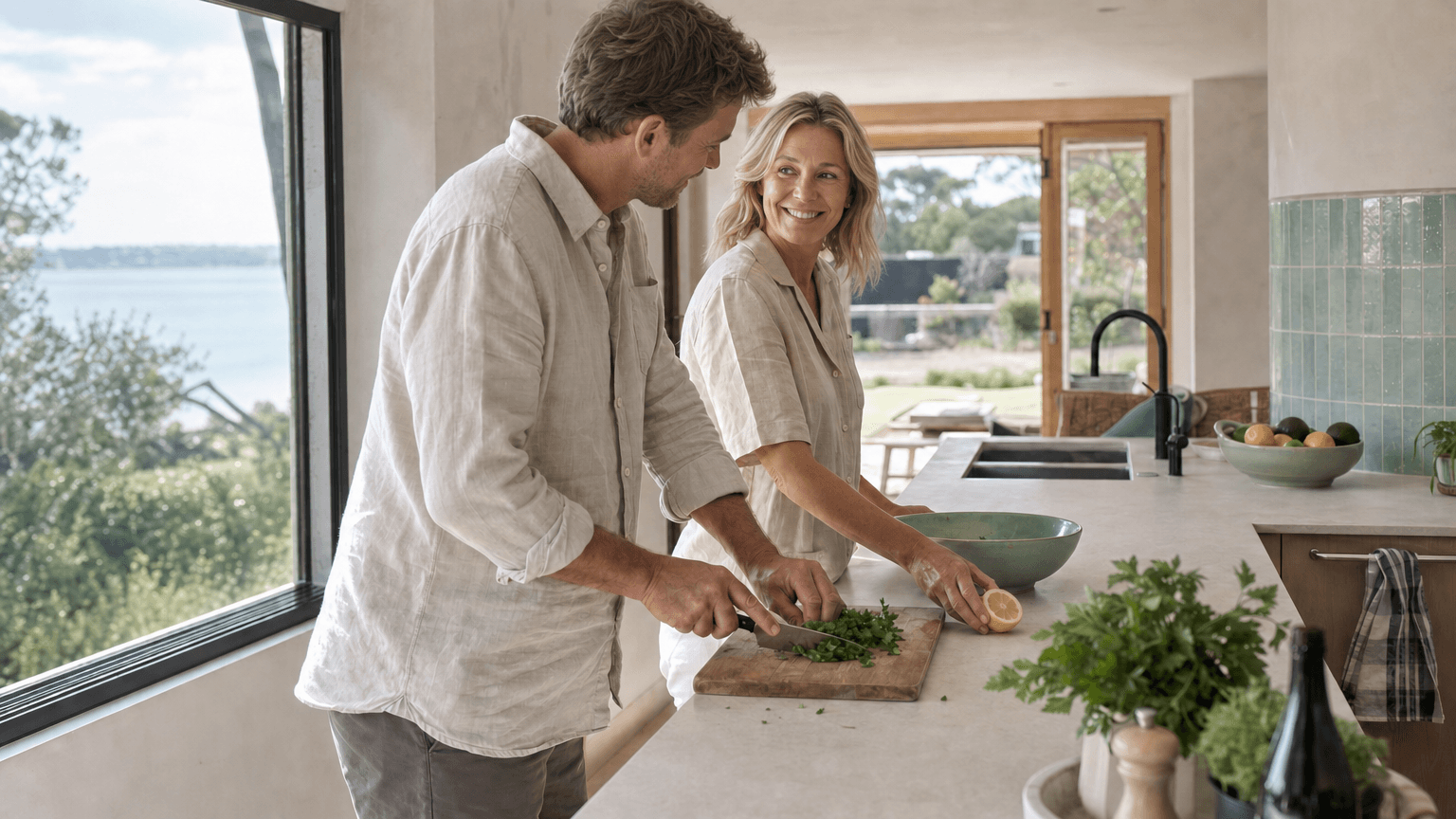
Cooking mindfully is about fully engaging with the process of preparing meals. It emphasises awareness, intentionality and enjoyment, turning cooking into a deep sensory experience.
MoreLess
What is mindful cooking?
Mindful cooking is more than just preparing food – it’s about being present and connected throughout the entire process. From choosing a dish, finding a recipe and selecting ingredients to stirring, chopping and tasting, each step offers an opportunity to slow down and engage with your senses. By paying attention to the smells, sounds and textures, you transform cooking from a routine task into an enjoyable and fulfilling experience. This approach encourages you to cook with intention, recognising the nourishment and care you’re providing to yourself and others.
Whether you're creating a simple dish or an elaborate meal, conscious cooking can elevate the experience, allowing you to appreciate each moment. Ready to turn your kitchen into a space for creativity and reflection? Let’s dive into the essentials of mindful cooking.
Bursts that feature cooking (mindful)



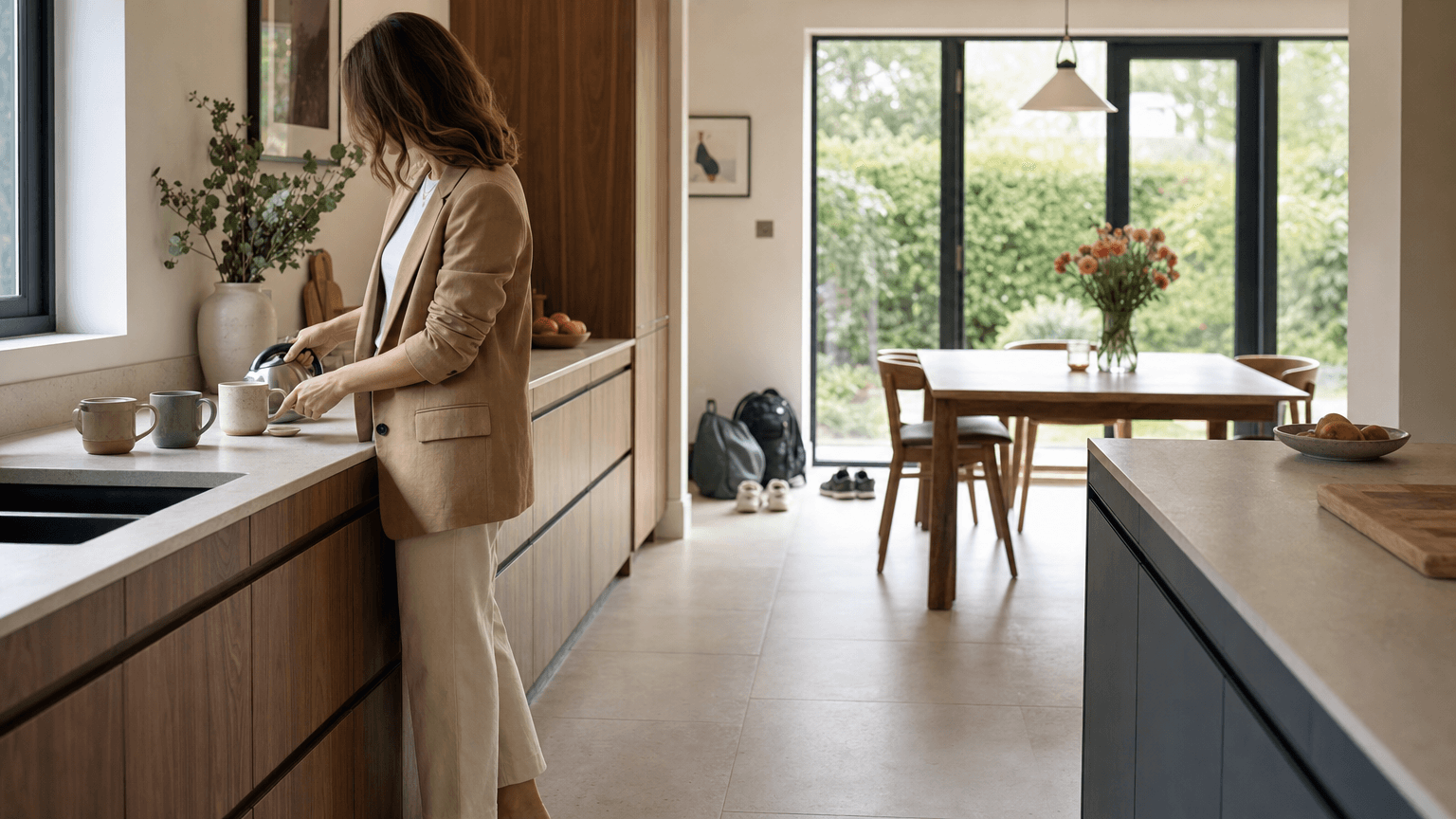






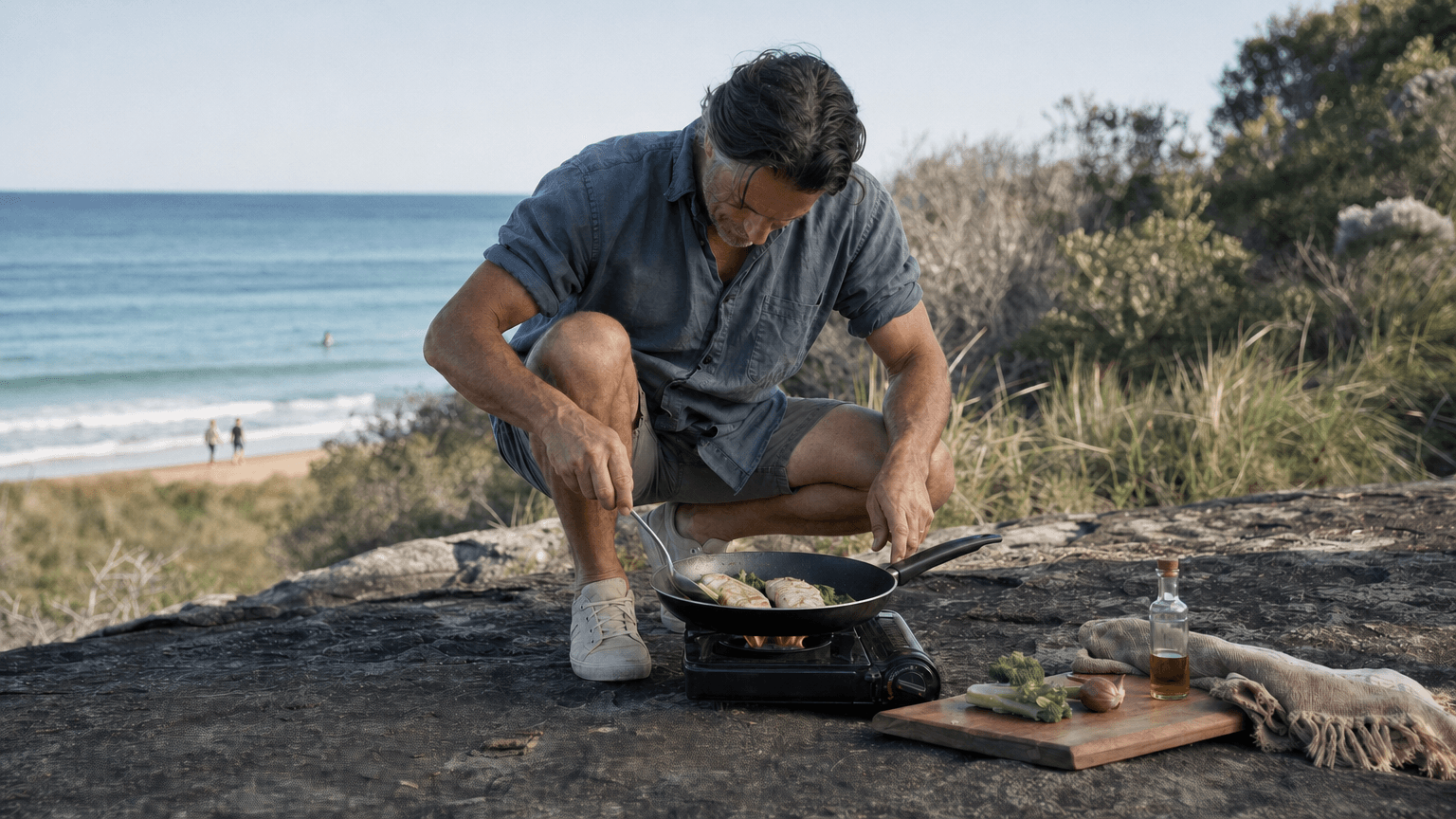
Wellbeing benefits
Why cooking mindfully is good for you
Mindful cooking builds creativity and self-esteem. It places you in control of what you eat, can foster social bonds and helps reduce daily stress.
Conscious cooking encourages you to slow down and focus your attention on the task at hand, helping to relieve stress. Concentrating on each step creates a calm environment, allowing you to disconnect from daily pressures (Johnson et al., 2020).
By giving full attention to cooking, you naturally heighten your appreciation for flavours, textures and aromas. This awareness extends to eating, where focused attention to each bite enhances satisfaction and reduces overeating (Doe et al., 2021).
Focusing on the quality of ingredients during cooking leads to healthier food decisions. You’re more likely to choose nutritious, whole foods that nourish both body and mind when you pay attention to the process (Smith et al., 2022).
Engaging fully in meal preparation fosters a sense of accomplishment and emotional satisfaction. Cooking with intention promotes self-care and strengthens your connection with those you may be cooking for (Lee et al., 2021).
Conscious cooking stimulates creativity in the kitchen. By slowing down and focusing on ingredients, you may find new inspiration to experiment with flavours and techniques (Brown et al., 2023).
Self-led, one-on-one, or in a group
Whether you go it alone, join a group, or work 1:1 with a teacher, we’ve laid out what each path can look like.
Recommendation for first-timer
1st pick
Ideal for beginners who prefer flexibility and personal exploration. Self-led approaches allow you to fully engage with each task at your own pace, making it a practical and accessible option for most.
Plus, you can experiment freely without feeling self-conscious.
3rd pick
1:1 guidance is a more specialised offering, with fewer coaches focusing exclusively on conscious cooking. Finding a private instructor may be challenging, but for those who do, it offers a tailored, deeply engaging experience.
2nd pick
While group settings can offer a unique experience, these options are not always easy to find. Health hubs, health retreats or occasional cooking circles may offer conscious cooking workshops, but they’re less common and might be part of a larger program.
Availability
Widely
Available anytime, anywhere. Any meal you prepare has the potential to be turned into a conscious cooking experience. In addition recipes, apps and guides are widely accessible online, providing inspiration for you whenever you can dedicate time to the experience. This makes self-led mindful cooking the most flexible option.
Limited
1:1 guidance requires scheduling with a private instructor, but there are relatively few coaches focusing specifically on mindful cooking. You may need to seek out specialised wellness coaches or instructors offering this service.
Limited
Group sessions, such as those at health hubs or retreats, follow set schedules. However, finding these opportunities can be difficult, as they are not frequently available in every location.
They may be run as a one time special course or feature of a course.
Average cost per session
Free or low cost
This is easily a zero-cost activity. Access to numerous online resources for mindful cooking is widely available, with many free apps and guides focusing on sensory engagement.
Almost any recipe can be found online too (for free) so you won’t need to purchase a cookbook unless you choose to.
Expensive
Private guidance costs range from $100 to $300 per session, but instructors specialising in conscious cooking are rare, meaning you might pay a premium for this specialised service if you can find it.
Expensive
Group sessions can cost between $30 and $100 per class where they can be found as part of a mindfulness course, slow movement or community course. But where they are part of a health retreat, costs may expand to many hundreds of dollars.
Special equipment required
None or minimal
None. You can use the kitchen tools and ingredients you already have at home. Mindful cooking doesn’t require special equipment, just the intention to engage fully with the process and the tools at hand.
None or minimal
None. In private sessions, the instructor will work with whatever equipment you have at home. No special tools are required for conscious cooking—just a focus on being present with the tools you already own.
None or minimal
None. Group workshops and classes provide or suggest basic cooking tools, but there’s no need for special equipment. Participants use what is available or bring their own standard kitchen utensils.
Potential for socialisation & community
Social potential
Moderate socialisation.
Cooking alone is a solitary activity with minimal socialisation, but conscious cooking can easily be done with friends and family.
Mostly solo
Low. 1:1 guidance focuses entirely on your personal experience, with little social interaction. However, this offers a highly personalised, intensive connection to the cooking process.
Social potential
Moderate. While group settings like cooking circles, mindfulness course or health retreats can provide social interaction and shared experiences, they may be a one off only experience.
Safety & skill building
Mixed results
- Safe if approached with care and attention.
- Mindful cooking does not require complicated recipes or techniques to be effective.
Safe & fast
Extremely safe. A personal instructor provides real-time feedback, correcting techniques and helping you stay focused on sensory engagement.
Safe & fast
Group sessions, when available, provide a safe environment with live feedback from instructors, helping you build confidence in the cooking process part of the activity and encouraging you to stay present.
Space or privacy required
Minimal
Minimal space required. Cooking in your own kitchen gives you full privacy, allowing for deeper engagement with the sensory and intentional aspects of the cooking process.
Minimal
Full privacy in 1:1 sessions, typically in your home or a designated quiet space. This allows for undistracted attention to the process and the instructor’s guidance, enhancing your connection with the act of cooking.
Some required
Limited privacy in group settings, which usually take place in shared spaces like workshops or health centres.
Ease of scheduling
Very flexible
Extremely flexible. You can practice cooking mindfully whenever it fits into your schedule. Self-led cooking provides total control over your time and environment.
Quite rigid
You will be scheduling your practice directly with the chef or instructor so it will depend on their availability, however, you should be able to choose from times that fit your schedule.
Quite rigid
Group workshops follow set schedules, and finding sessions focused on mindful cooking can be tricky. You may need to plan in advance and travel to participate in these more niche offerings.
Setup time
Little to none
Minimal. You control the setup, environment, and pace. Mindful cooking can begin as soon as you are ready to immerse yourself in the process.
Up to 30 mins
1:1 guidance allows the instructor to handle most of the setup, so you can focus on the sensory aspects of cooking.
Over 30 mins
Moderate. Group sessions require planning and timely attendance, and you may need to bring your own ingredients. Instructors typically guide the setup.
Consider required travel time.
Active practice time
Under 20 mins
Completely flexible. You control the pace and duration, allowing you to spend as much or as little time as you need to fully immerse yourself in the cooking experience.
An hour +
Private sessions may typically be between 1 to 2 hours long, offering personalised pacing.
An hour +
Group sessions when being run as a course or a one off opportunity usually last 1 to 2 hours, providing enough time for full engagement.
When this is part of a retreat, a much greater time commitment may be required.
Unexpected advantages
Random
You might accidentally and unexpectedly create a gourmet dish, turning an ordinary dinner into a culinary masterpiece.
Actually useful
With such high attention to your sensory awareness, you might start to develop a very refined palate.
Wholesome
After the mindful cooking you can practice mindful eating and that can be a lot of fun when shared with others.
Academic research we rate
- The effect of culinary interventions (cooking classes) on dietary intake and behavioral change: a systematic review and evidence map
Full citationHide citation
- Psychosocial Benefits of Cooking Interventions: A Systematic Review
Full citationHide citation
- Impact of Cooking and Home Food Preparation Interventions Among Adults: A Systematic Review (2011–2016)
Full citationHide citation
- Perceptions of ‘Home Cooking’: A Qualitative Analysis from the United Kingdom and United States
Full citationHide citation
- A Dyadic Cooking-Based Intervention for Improving Subjective Health and Well-Being of Older Adults with Subjective Cognitive Decline and Their Caregivers: A Randomized Controlled Trial
Full citationHide citation
Show all 10 studiesShow fewer studies
- Culinary Comfort: Understanding the Connection between Food and Well-Being
Full citationHide citation
- More frequent cooking at home is associated with higher Healthy Eating Index-2015 score
Full citationHide citation
- Positive Psychological Impacts of Cooking During the COVID-19 Lockdown Period: A Qualitative Study
Full citationHide citation
- How a 7-Week Food Literacy Cooking Program Affects Cooking Confidence and Mental Health: Findings of a Quasi-Experimental Controlled Intervention Trial
Full citationHide citation
- The interaction between the community food environment and cooking skills in association with diet-related outcomes in Dutch adults
Full citationHide citation
Safety
Ready to start searching for recipes? Hold on! Before you dive in, there are a few important things to consider. While cooking consciously is quite straightforward, the following info will ensure your first mindful cooking moment is just the beginning of many more great experiences to come.
- Maintain a well-ventilated and organised cooking area.
What you might experience
You’ve set up your ingredients, but now you’re unsure where to start. It’s tempting to rush, but conscious cooking is all about slowing down. Focus on your first task – perhaps chopping vegetables. Notice the sounds, textures, and the way your hands move. The key is to be fully engaged in what you're doing, step by step.
As you begin cooking, you might experience your mind drifting – to work, plans for tomorrow, or other worries. This is completely normal, especially at the start. Gently bring your focus back to the task. Watch how the ingredients change as they cook. It won’t always be easy, but each moment of attention makes the process more enjoyable.
Halfway through, you could expect to notice this is taking longer than regular cooking. Cooking consciously takes time, and that’s part of the experience. You may even feel a little uneasy with that, but focusing on small details – like stirring, seasoning or watching the food change – can help you stay engaged.
As you near the end, you might wonder if this slower, more intentional approach is worth it. It’s natural to question it, especially if you're used to rushing through cooking. But paying attention to how the dish comes together, even if it’s not perfect, builds a stronger connection with your food and with people, if you are cooking for others. At the time the benefits may be subtle, and that’s fine.
You've completed the meal, and while you might have felt mixed emotions, there's a sense of accomplishment. You didn't just rush through it – you engaged with the process, and that adds value. Sitting down to eat, you realise that while not every step was easy, there's something rewarding in this approach and you’re feeling pretty proud of yourself! It's a good starting point for more thoughtful cooking.
Check it out
Life basics


Want to try cooking (mindful) alongside some other activities?
You don't have to build a routine from scratch. Every Burst is a ready-made plan you can schedule in a couple of taps.