
Tidying & cleaning (mindful)
organizing, home care, space maintenance
Mindfully tidying and cleaning promotes full attention on the task at hand. This focused approach helps reduce distractions, lowers stress and fosters a greater sense of clarity and accomplishment.
MoreLess
What is mindful tidying & cleaning?
Mindful tidying and cleaning aren’t just about organising your space – they’re about being fully engaged in the process. Rather than rushing or letting your mind wander, this practice encourages you to focus entirely on each step, whether it's wiping surfaces or folding clothes. By concentrating solely on the task, you’ll notice your thoughts and emotions more clearly, allowing them to settle naturally without distraction.
As you clean, you might find a sense of relief as clutter disappears, along with feelings of satisfaction and accomplishment. Tidying can also foster a deeper appreciation for your environment, creating a space that feels more supportive. Slowing down helps ease the pressure of multitasking and promotes a sense of order. Ready to experience cleaning in a new light? Let’s explore mindful tidying together.
Bursts that feature tidying & cleaning (mindful)


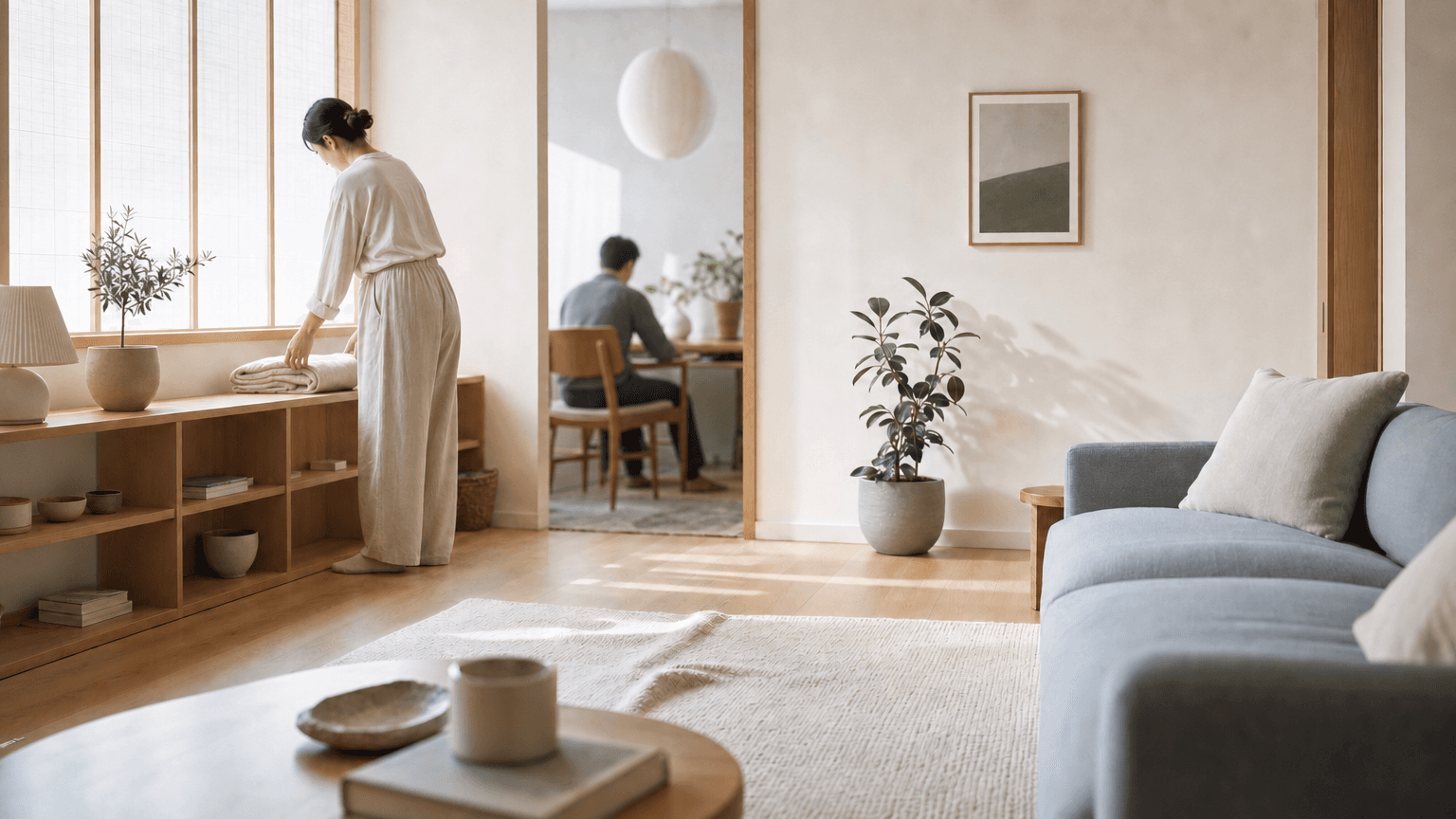
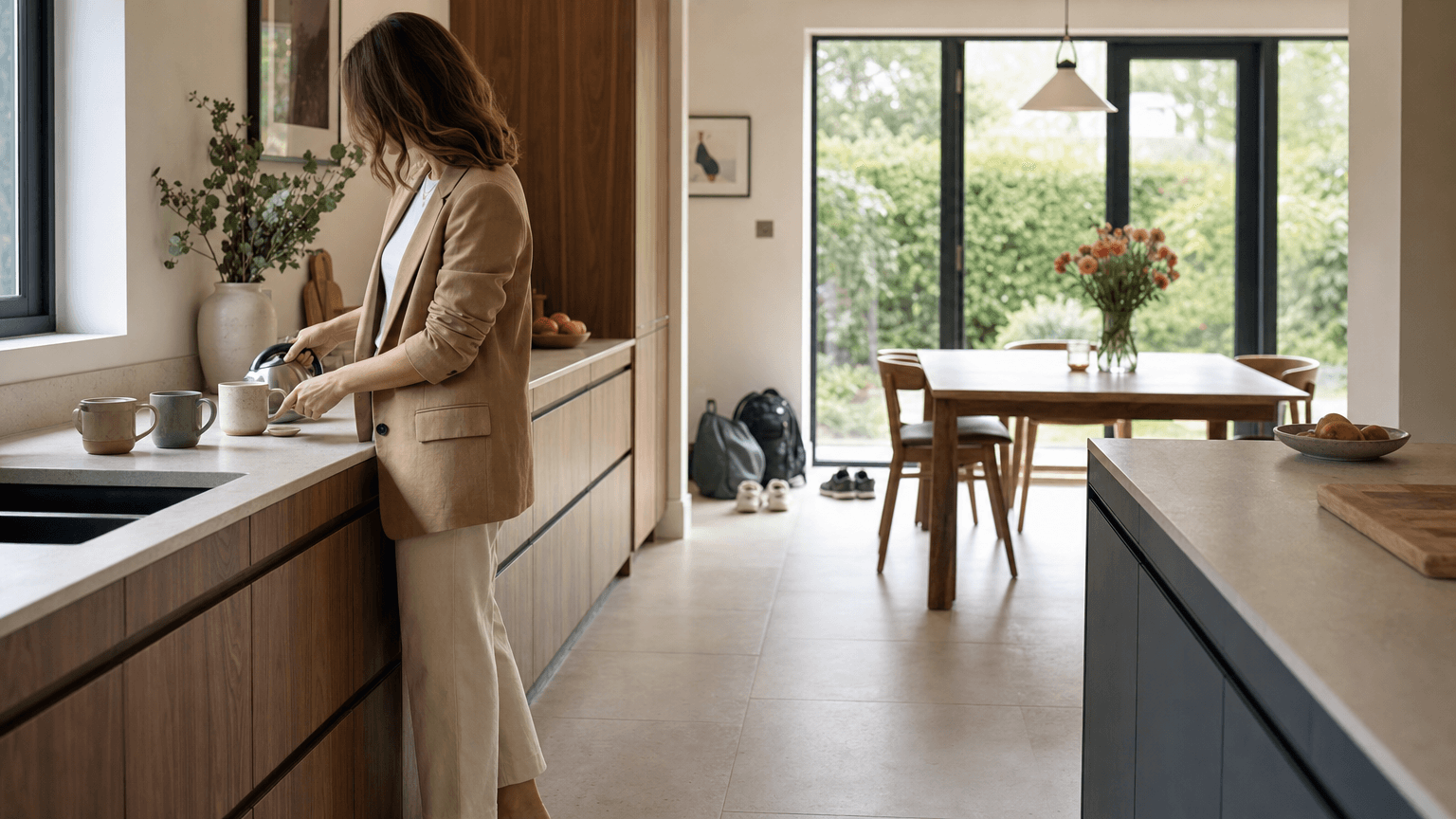






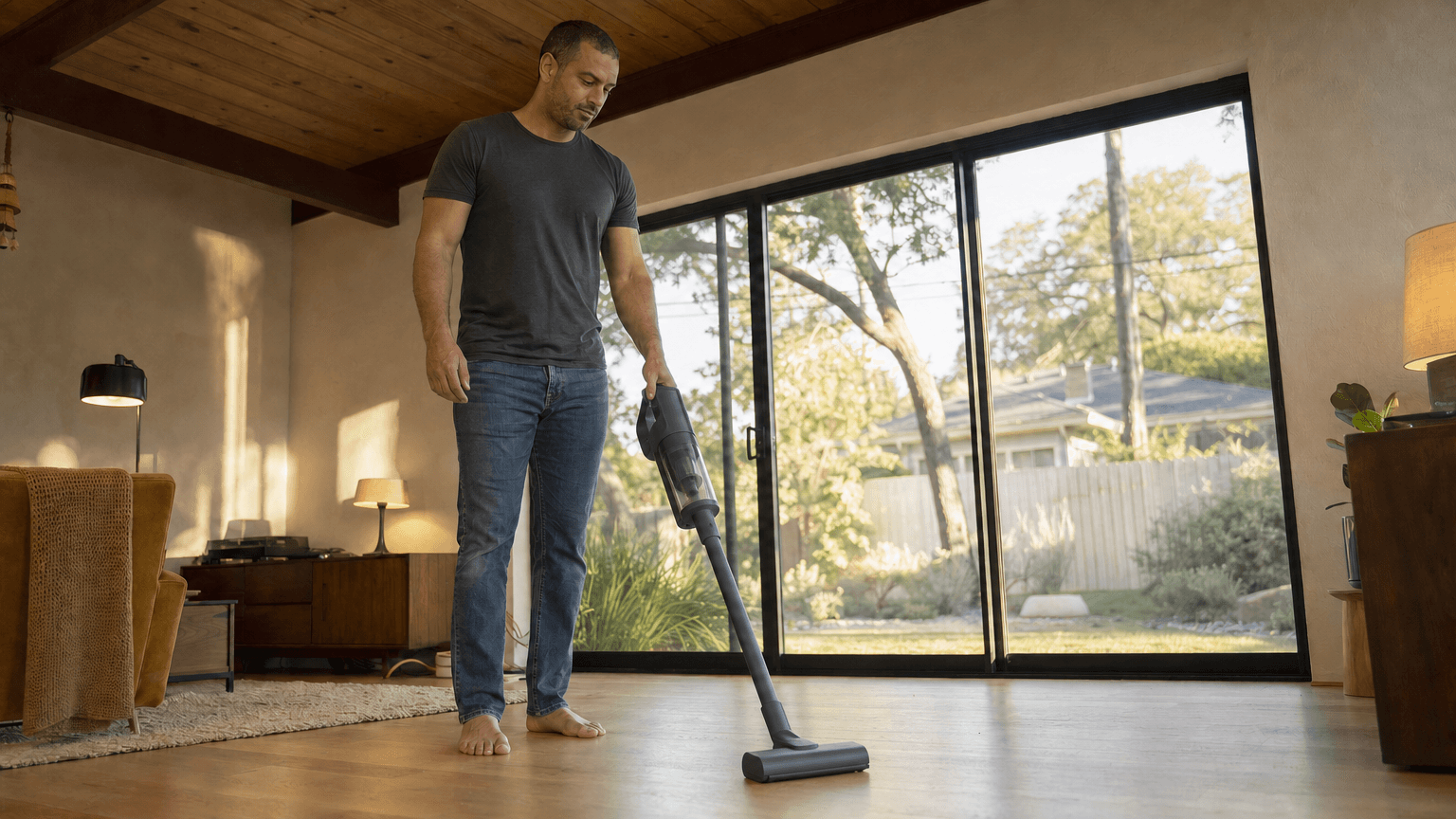







Wellbeing benefits
Why mindful tidying & cleaning is good for you
Early findings suggest mindful tidying lifts mood and sharpens focus. Organizing your space increases sense of control, reduces visual distractions and lightens emotional burden.
Focusing solely on cleaning tasks helps to slow the mind, offering relief from the chaos of multitasking. This dedicated attention naturally reduces stress by easing the pressure of juggling multiple tasks at once (Smith et al., 2022).
Cleaning can evoke feelings of achievement, especially when you see a cluttered space transformed into something orderly. The physical result provides a tangible sense of satisfaction, reinforcing a feeling of accomplishment (Doe et al., 2021).
Tidying your surroundings often mirrors decluttering your mind. As physical mess is cleared, emotional and mental clarity often follows, bringing a sense of relief and emotional balance (Johnson, 2020).
By dedicating full attention to tidying, you cultivate focus. This practice helps reduce mind-wandering and enhances your ability to stay present in the moment, promoting greater concentration (Lee et al., 2023).
Taking care of your living space fosters gratitude. Paying attention to small details, like organising belongings or cleaning surfaces, increases appreciation for the comfort and value of your home (Brown et al., 2021).
Self-led, one-on-one, or in a group
Whether you go it alone, join a group, or work 1:1 with a teacher, we’ve laid out what each path can look like.
Recommendation for first-timer
1st pick
Ideal for anyone starting conscious cleaning. Self-led cleaning allows you to practice at your own pace and deepen your focus. Begin with small tasks and gradually build your way up.
You can tidy up and clean in one session at a time, or in chunks of time to suit your busy schedule.
Not picked
Note: 1:1 mindful cleaning guidance is rare. Instructors may offer personal coaching in some retreat or course settings, where it would likely be a small part of a larger program. This is not widely available in everyday contexts and so we are not including it as an option here.
Not picked
-
Availability
Widely
Available anytime. You can engage in mindful cleaning at home whenever you can set aside time to focus. Many resources like books, videos and online guides can provide insight into the practice.
-
-
-
-
Average cost per session
Free or low cost
Free or low-cost. Conscious cleaning doesn’t require any special tools or expensive programs. Most resources are available online for free, or for minimal cost through apps and workshops.
-
-
-
-
Special equipment required
None or minimal
None. You only need your usual cleaning supplies and a willingness to engage fully in the process. No additional tools are necessary for cleaning mindfully.
-
-
-
-
Potential for socialisation & community
Mostly solo
Since mindful cleaning is typically a personal, solo activity, socialisation is minimal. However, you may find online communities or forums to share your experiences.
-
-
-
-
Safety & skill building
Safe & fast
Safe and simple. Consciously cleaning focuses on intentional movements and thoughtful engagement, so it doesn’t involve physical strain or risk. It builds personal discipline and focus over time.
-
-
-
-
Space or privacy required
Minimal
Minimal. You can practice mindful cleaning in your own home with complete privacy, allowing you to focus fully on the task.
-
-
-
-
Ease of scheduling
Very flexible
Extremely flexible. You can practise cleaning at any time that suits you, with no pressure to adhere to a particular schedule. You can tidy up or clean anytime you like!
-
-
-
-
Setup time
Little to none
Minimal. You simply gather your regular cleaning tools and set an intention to focus fully on the task at hand. There’s no need for extra preparation.
-
-
-
-
Active practice time
Up to an hour
Completely flexible. You can adjust your practice time based on how long you wish to engage with the task, from a few minutes to a full hour or more.
-
-
-
-
Unexpected advantages
Actually useful
Moving furniture, carrying bags, and vacuuming can turn into a low-key workout, giving you unexpected biceps.
-
-
-
-
Academic research we rate
- No Place Like Home: Home Tours Correlate With Daily Patterns of Mood and Cortisol
Full citationHide citation
- Time spent in housework and leisure: Links with parents' physiological recovery from work
Full citationHide citation
- The Influence of Living Conditions on Self-Rated Health: Evidence from China
Full citationHide citation
- Washing Dishes to Wash the Dishes: Brief Instruction in an Informal Mindfulness Practice
Full citationHide citation
- Housework, Health, and Well-Being in Older Adults: The Role of Socioeconomic Status
Full citationHide citation
Show all 7 studiesShow fewer studies
- Less indoor cleaning is associated with poor health and unhappiness in adults: Japanese General Social Survey, 2010
Full citationHide citation
- Tidying Up: Good for the Aging Brain
Full citationHide citation
Safety
Ready to tidy your space and clear your mind? We call this a win-win! Before you dive in, keep these helpful tips in mind to ensure a successful and satisfying first conscious cleaning experience.
- Use protective gear, and adequate ventilation where required.
- Avoid toxic exposure and maintain a safe cleaning environment.
What you might experience
Standing in a cluttered room, the mess can feel overwhelming, and you may be tempted to rush through it. But conscious cleaning isn’t about speed. Start small – choose one area to focus on, like a countertop or shelf. Give it your full attention, noticing your movements, how your body feels and any emotions that arise. It’s okay to start slow and steady.
As you start, you might feel distracted or impatient. Your mind may wander to other tasks, or your to-do list might nag at you. It’s normal to struggle with focus at first. When that happens, gently return your attention to the task – whether it’s wiping, folding or organising. Let each action keep you grounded and help you feel more centred in the moment.
After a little while, you might notice it starts to become a little more enjoyable. You could notice a sense of ease as your movements become more fluid. The repetitive actions of cleaning – dusting, wiping, arranging – can quiet your mind. The space starts to look clearer, and as you settle into the process, you might even feel more focused and calm, allowing yourself to enjoy the moment.
At some point, you might question if your efforts are paying off. Maybe the room still feels cluttered, or you just keep seeing more things that need to be done. That’s normal. Consciously cleaning isn’t about reaching perfection. It’s about the process. As you tidy, take note of the small improvements and shifts in both your environment and how you feel.
Finishing a mindful cleaning session feels different from rushing through chores. There’s a sense of accomplishment – not just because the space is tidier, but because you were fully engaged in each step. You notice a sense of ease and satisfaction in your surroundings, and even in yourself. It wasn’t about speed, but giving full attention to the task at hand.
Check it out
Life basics


Want to try tidying & cleaning (mindful) alongside some other activities?
You don't have to build a routine from scratch. Every Burst is a ready-made plan you can schedule in a couple of taps.