
Decluttering (mindful)
organising, simplifying, minimalism, clearing space, downsizing
Mindfully decluttering is about more than just clearing space. It’s a thoughtful process that invites you to slow down, reflect and decide whether to let go, store or keep and use each item.
MoreLess
What is mindful decluttering?
Decluttering mindfully goes beyond simply clearing out a closet or tidying a room – it’s an intentional practice that invites you to give full attention to the process. Rather than rushing to get it done, conscious decluttering asks you to slow down, notice your emotions and reflect on the meaning of each item. As you engage with each object, you’ll decide whether to let it go, store it or keep and use it.
This process is not just about creating physical space, but also about bringing emotional clarity. You may feel nostalgia, relief or even anxiety as you declutter. By fully engaging in the process, you create a living space that aligns with your needs and values, making room for what truly matters.
So, are you ready to start decluttering your life and make your space (and your mind) a haven of order and calm?
Let us show you how!
Bursts that feature decluttering (mindful)
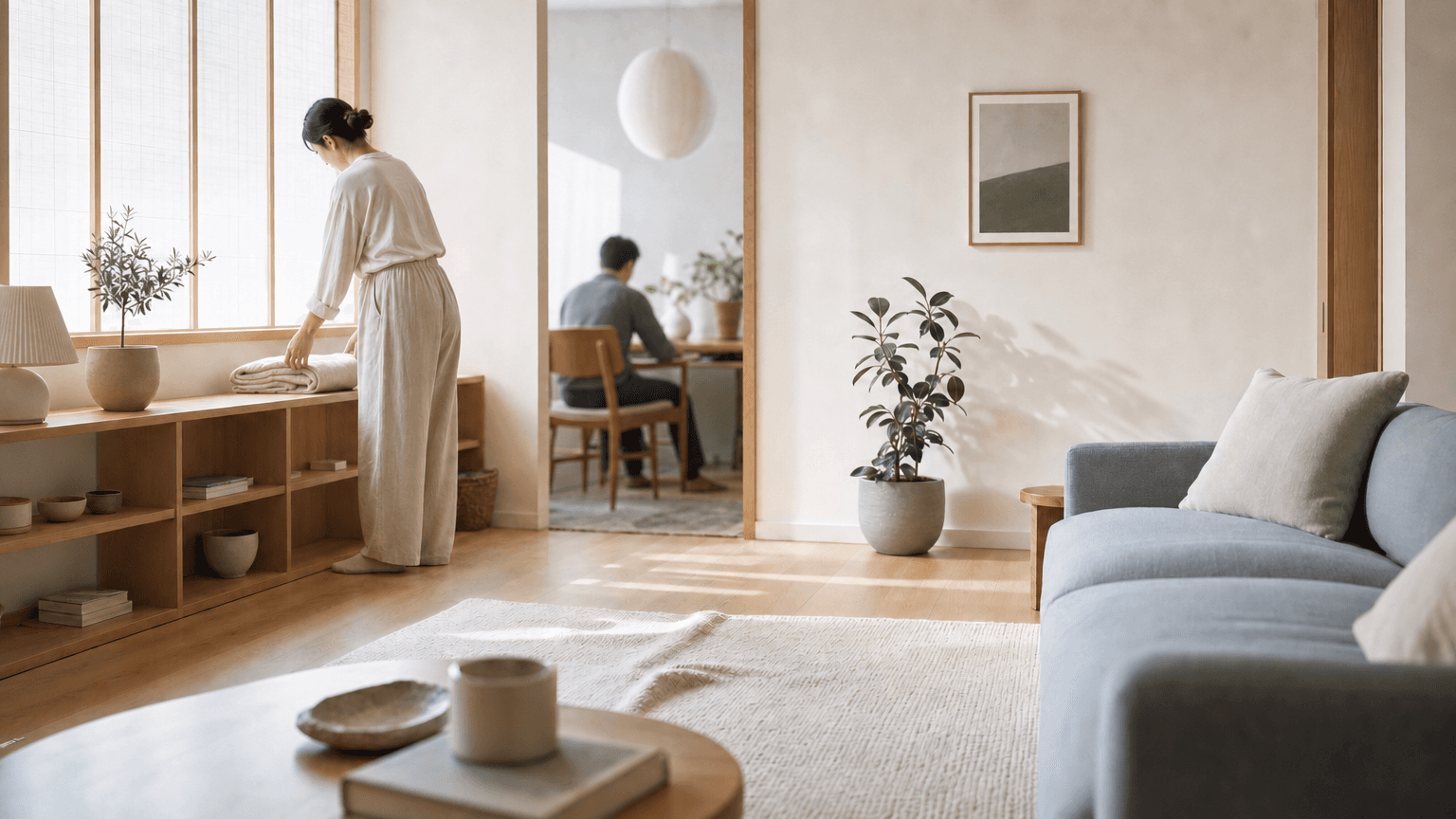
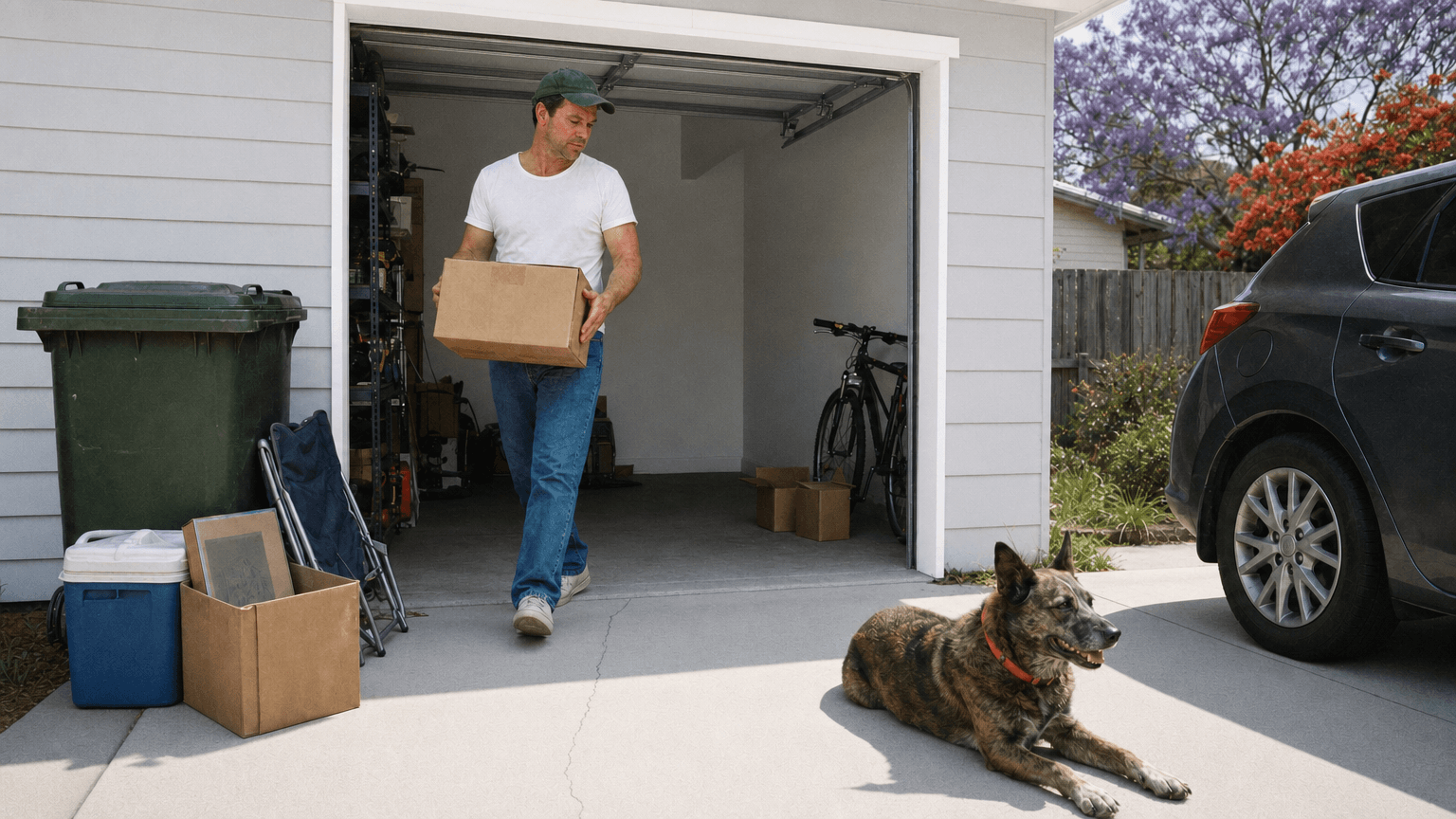

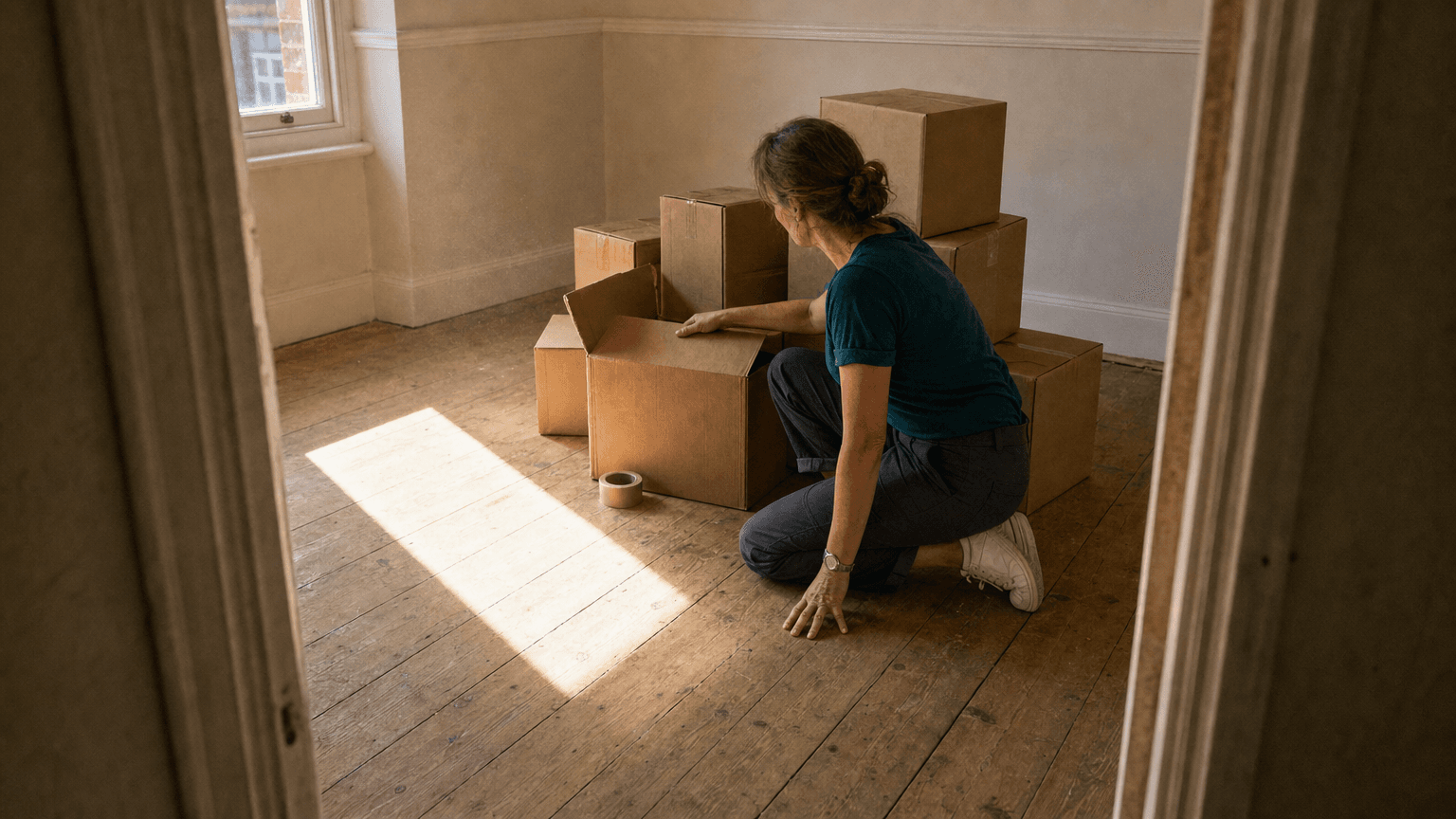
Wellbeing benefits
Why decluttering mindfully is good for you
Preliminary findings suggest mindful decluttering lifts mood and sharpens focus. Clearing your space can increase your sense of control, reduce visual distractions and lighten emotional burden.
Decluttering with intention can reduce feelings of overwhelm. By focusing on each item and making conscious decisions, you create a more organised and calming environment, which in turn reduces stress and anxiety (Smith et al., 2022).
As you engage with each item during the decluttering process, you gain emotional clarity. Letting go of “stuff” and things you no longer need can provide a sense of mental relief, creating space for more important aspects of your life (Johnson, 2020).
Consciously decluttering a space, no matter how small, brings a feeling of achievement. Seeing a once-cluttered area become orderly reinforces the positive emotions that come from thoughtful, focused action (Doe et al., 2021).
A decluttered space can lead to improved concentration and mental clarity. When the physical environment is clearer, it’s easier to focus on tasks without being distracted by visual clutter (Lee et al., 2023).
Consciously considering what to keep helps foster gratitude for the items that truly serve you. This practice encourages appreciation for what you own and how those items contribute to your life (Brown et al., 2021).
Common styles
Decluttering can be approached in various ways to suit your different needs or preferences. We have explored the most popular methods below so you can choose which approach will suit you best
Popularised by Marie Kondo, this method involves decluttering by category (clothes, books, etc.) and keeping only items that spark joy.
Focuses on reducing possessions to the bare essentials, emphasising quality over quantity.
Use four boxes labelled "Keep", "Donate", "Trash" and "Relocate" to sort items efficiently.
Self-led, one-on-one, or in a group
Whether you go it alone, join a group, or work 1:1 with a teacher, we’ve laid out what each path can look like.
Recommendation for first-timer
1st pick
This is our recommended choice for beginners, as decluttering mindfully is usually a personalised at-home practice, and most people can easily start without guidance.
You can declutter in one long session at a time, or in smaller chunks of time to suit your busy schedule.
2nd pick
1:1 guidance is highly recommended if you need direct support. A coach can provide tailored advice, helping you navigate emotional or practical challenges. This option ensures structure and motivation, making it easier to stay focused and work through challenging decisions with the support of a professional.
Not picked
Group settings for conscious decluttering are rare and typically only seen in occasional volunteer or community situations.
Availability
Widely
Self-led decluttering is always available, allowing you to choose your own schedule. Free online resources such as videos, articles and apps offer guidance, making it easy to start decluttering whenever you feel ready. You can adapt the process to fit your lifestyle, energy, and pace.
Moderately
1:1 decluttering coaches are available, but they can be costly. Scheduling depends on the coach’s availability, and sessions can be held either virtually or in-person. Many coaches offer flexible appointment times, so you can usually find a slot that works with your schedule.
-
-
Average cost per session
Free or low cost
Self-led decluttering is free with plenty of information available online free of cost.
Expensive
1:1 coaching is more expensive, with sessions typically costing between $100 and $300 per session. The price depends on the coach’s experience, location and whether the session is virtual or in-person. Some coaches offer package deals for multiple sessions, which can reduce the overall cost.
-
-
Special equipment required
Some with costs
You might need boxes, bins, labels and trash bags as well as basic cleaning supplies, but you may already have these on hand.
Otherwise, you can purchase storage box sets for between $20-$70AU, and labels for $15-$40AU.
Costly equipment
No special equipment is needed for 1:1 coaching either. Your coach will guide you using the items you already have, focusing on the process rather than recommending any specific tools. However, they may suggest basic organisational tools like baskets or shelves if necessary.
-
-
Potential for socialisation & community
Mostly solo
Limited socialisation. Decluttering is mostly a solo activity, but you could always team up with a friend.
Mostly solo
Socialisation is limited in 1:1 sessions, as they are private and focused on your individual process. However, you benefit from one-on-one guidance and personalised feedback, which can be highly valuable for emotional support and motivation. Coaches can provide empathy and encouragement throughout the process.
-
-
Safety & skill building
Safe & fast
Self-led decluttering done mindfully is generally safe as long as you don’t rush and approach it with intention. Over time, you’ll build decision-making skills and emotional resilience, learning to let go of items with more confidence. The key is to go at your own pace and listen to your emotional needs.
Safe & fast
1:1 coaching offers a very safe and supportive environment. Coaches help you work through emotional attachments and offer professional insight on how to handle more challenging aspects of decluttering. Their support ensures you don’t feel overwhelmed or stuck, making the process smoother and more efficient.
-
-
Space or privacy required
Minimal
Self-led decluttering gives you full control over your space and privacy. You can choose to work in any room, without the pressure of others watching or judging. You also have the freedom to stop or pause the process whenever you need a break.
Minimal
1:1 coaching is typically done in the privacy of your own home or via virtual sessions, ensuring full confidentiality and comfort. This allows you to work in a safe, non-judgmental space, while receiving professional support tailored to your needs.
-
-
Ease of scheduling
Very flexible
Self-led decluttering offers complete flexibility. You can schedule sessions at any time that works for you, fitting it into your day whenever you have the time and energy. There’s no pressure or deadlines, allowing you to take breaks and return to the task when you’re ready.
Need to plan
You will be scheduling your practice directly with the coach so it will depend on their availability, however, you should be able to choose from times that fit your schedule.
-
-
Setup time
Little to none
Minimal setup is required. You’ll likely need some basic items like boxes or bags for sorting items into categories (keep, donate, trash, relocate). Other than that, you just need a clear space and the intention to focus. It’s a low-effort setup that makes getting started easy.
Little to none
Minimal setup is required for 1:1 coaching as well. Your coach will guide you through the preparation process, but most of the focus will be on the actual decluttering, so you won’t need to spend much time setting up. Coaches may recommend you choose specific areas to focus on before starting.
-
-
Active practice time
Under 20 mins
Completely flexible. Whether you declutter for 15 minutes or spend a few hours, the amount of time you dedicate to the practice is entirely up to you.
Up to an hour
1:1 coaching sessions are usually structured to last 1-2 hours, giving you dedicated time to focus on specific areas of your home. The coach will help keep you on task and engaged, making sure that the time is used effectively for maximum results.
-
-
Unexpected advantages
Random
You might find long-lost items, like that forgotten gift card from last year.
Actually useful
The professional you’ve chosen to work with will handle the tough decisions, reducing your stress and making the process smoother and more enjoyable.
-
-
Academic research we rate
- Evaluation of an educational programme for people who have difficulty decluttering and organising: A randomised controlled trial in Japan.
Full citationHide citation
- The dark side of home: Assessing possession ‘clutter’ on subjective well-being
Full citationHide citation
- Having Less: A Personal Project Taxonomy of Consumers’ Decluttering Orientations, Motives and Emotions
Full citationHide citation
- The “Joy of Letting Go”: Decluttering and Apparel
Full citationHide citation
- Spark Joy and Slow Consumption: An Empirical Study of the Impact of the KonMari Method on Acquisition and Wellbeing
Full citationHide citation
Show all 6 studiesShow fewer studies
- Decluttering for enhanced workplace performance: The 5S solution
Full citationHide citation
Safety
You are probably ready to start making your home a clutter free zone. But before you do, there are some important things to keep in mind. Decluttering mindfully is safe for everyone, but these helpful tips will make sure that your first experience is the first of many.
- Use proper lifting techniques and maintain a safe environment.
- Wear gloves, ensure ventilation and take breaks to avoid injuries.
What you might experience
Looking at a cluttered space can feel overwhelming, and the sheer number of items may make you feel stuck. You might not know where to start or feel tempted to rush just to get through it. Take a breath and choose one small area – a shelf, a drawer or a surface. Focus entirely on that space, giving yourself permission to start slow. It's not about speed; it's about intention, awareness and care. You could expect to feel some tension at this point.
As you begin, emotions may surface – nostalgia, anxiety or even frustration. Deciding what to keep or let go can stir up memories and attachments. This is completely normal. Try to stay present with the process. When difficult emotions arise, pause, acknowledge them without judgment and return to your task with kindness. Know that decluttering requires patience, self-compassion and consistent effort.
After some time, you may start to feel as if you are getting somewhere. As the clutter clears, you might feel a growing sense of mental and emotional clarity. With each item you choose to remove or keep, you’re creating a space that reflects your intentions. This process may help you regain control over your surroundings and cultivate a more balanced, thoughtful environment that brings calm.
As you start to make progress in one area it might highlight your attention on other areas which also need doing! Seeing more clutter could have you feeling momentarily overwhelmed. But remember, conscious decluttering isn’t about reaching perfection instantly. Small shifts – a tidier shelf or a cleared drawer – are victories. Your space and mind will gradually feel lighter with each deliberate step.
As you finish your session, you could reasonably expect to feel a deep sense of satisfaction, as if a small weight has been lifted. Even if you didn’t declutter the whole space, the progress feels tangible. You've not only created physical space but also gained emotional clarity. Decluttering now feels like more than just cleaning – it has become an intentional practice that nurtures self-care, helping you feel more grounded and refreshed.
Check it out
Life basics


Want to try decluttering (mindful) alongside some other activities?
You don't have to build a routine from scratch. Every Burst is a ready-made plan you can schedule in a couple of taps.