
Acts of kindness
good deeds, altruism, charitable acts
Acts of kindness involve selflessly helping others, making a positive impact and creating real connections through small, thoughtful actions.
MoreLess
What are acts of kindness?
Acts of kindness are about more than just being nice – they’re about making real, meaningful connections and being a kind person in your community. Whether it’s helping a neighbour, offering a few encouraging words or supporting a cause you care about, these small, thoughtful actions can truly make a difference. Each act of kindness has the power to lift someone’s spirits, foster a sense of community and even bring a bit of light to someone’s hard day. Ready to start making a difference, one small act at a time? Let’s explore how you can begin your journey of kindness today.
Bursts that feature acts of kindness

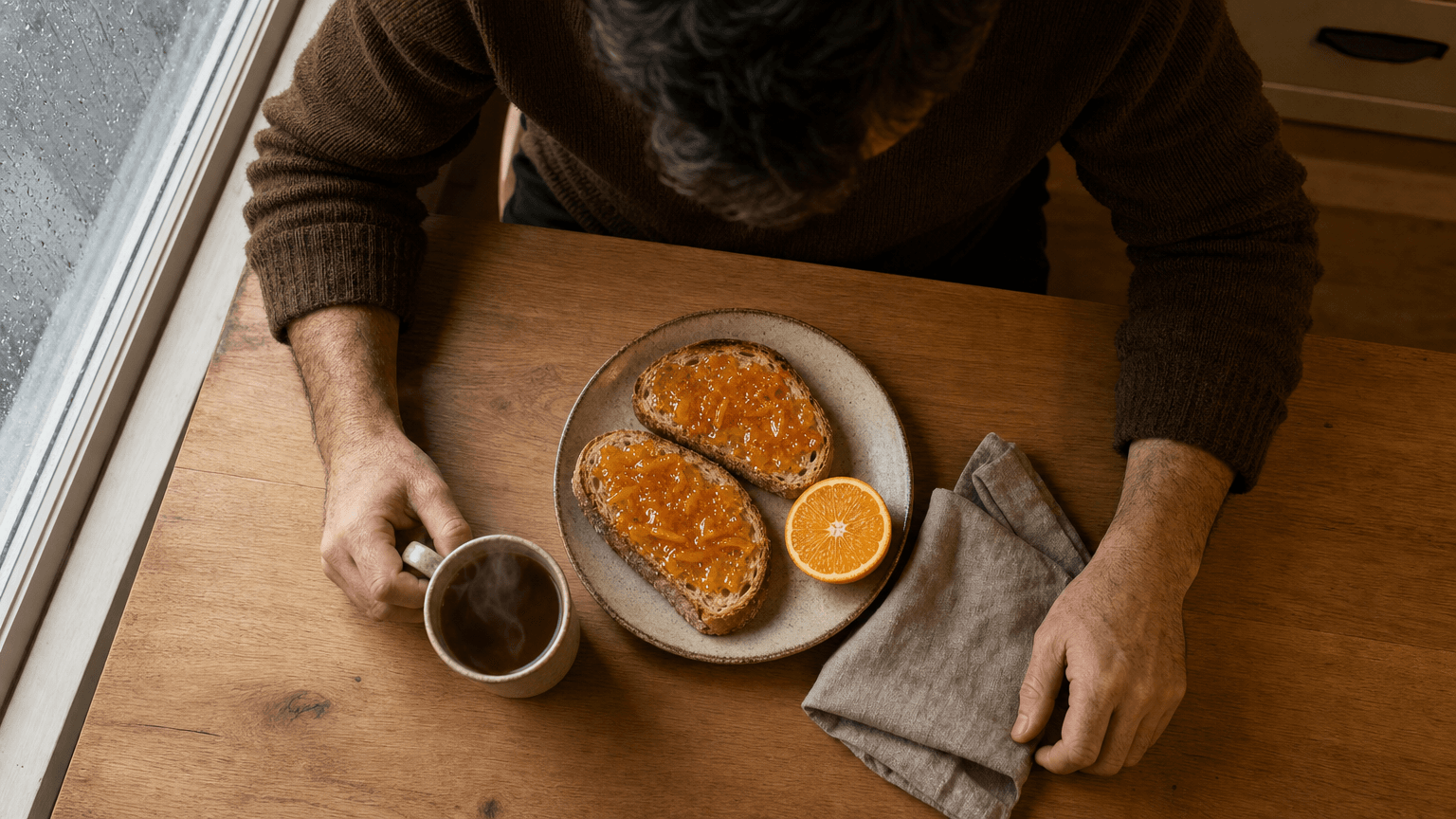




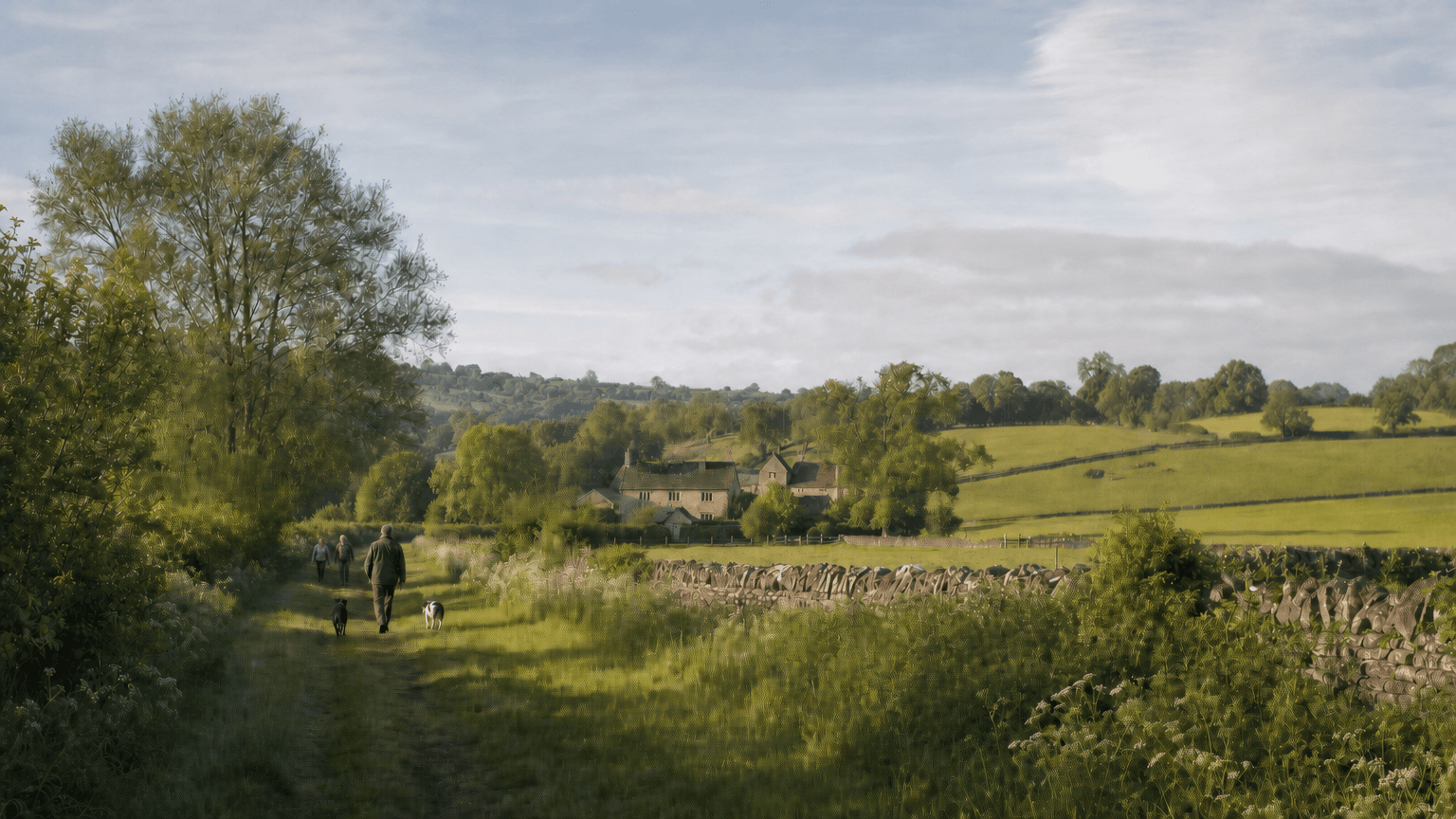

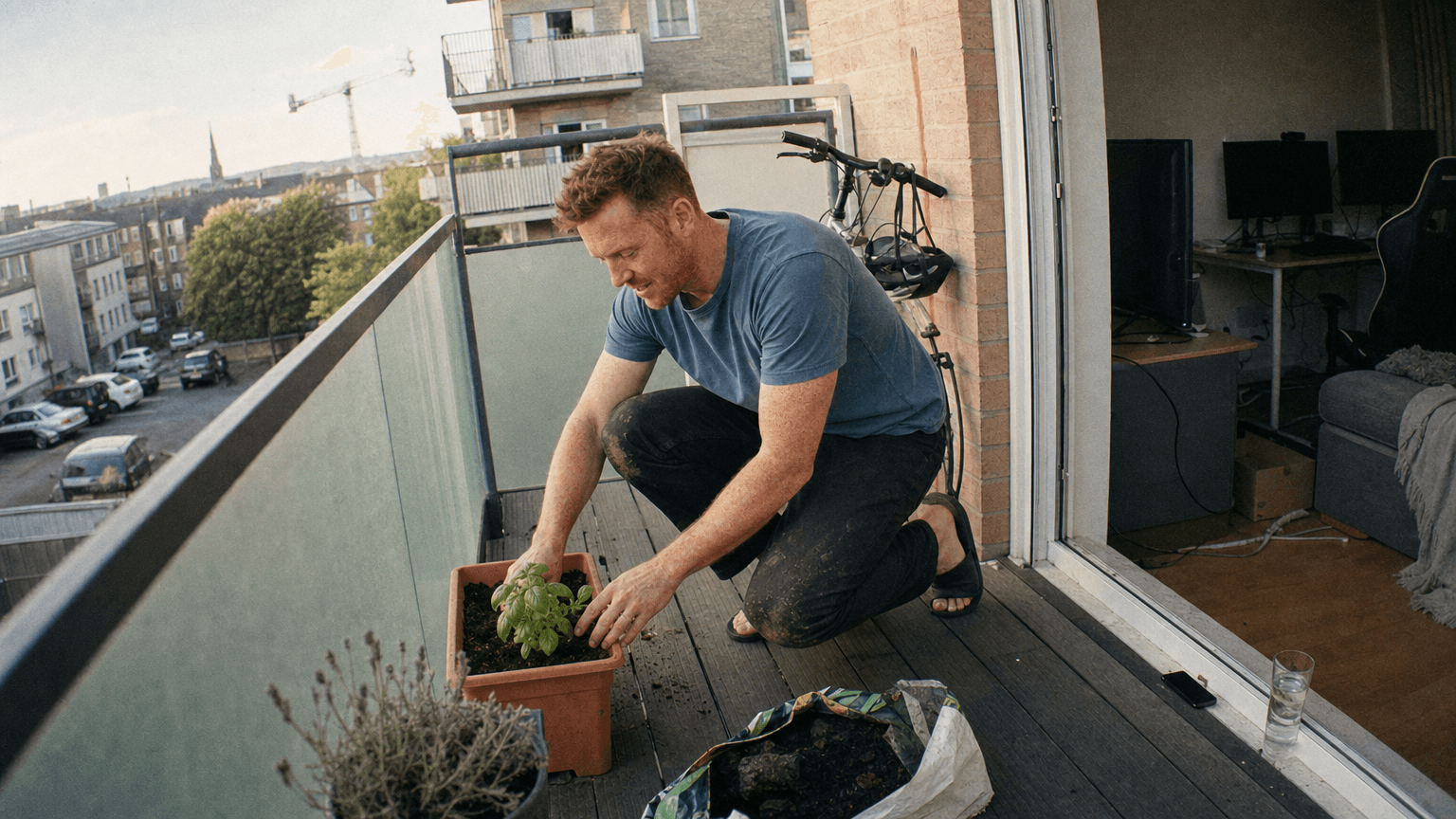






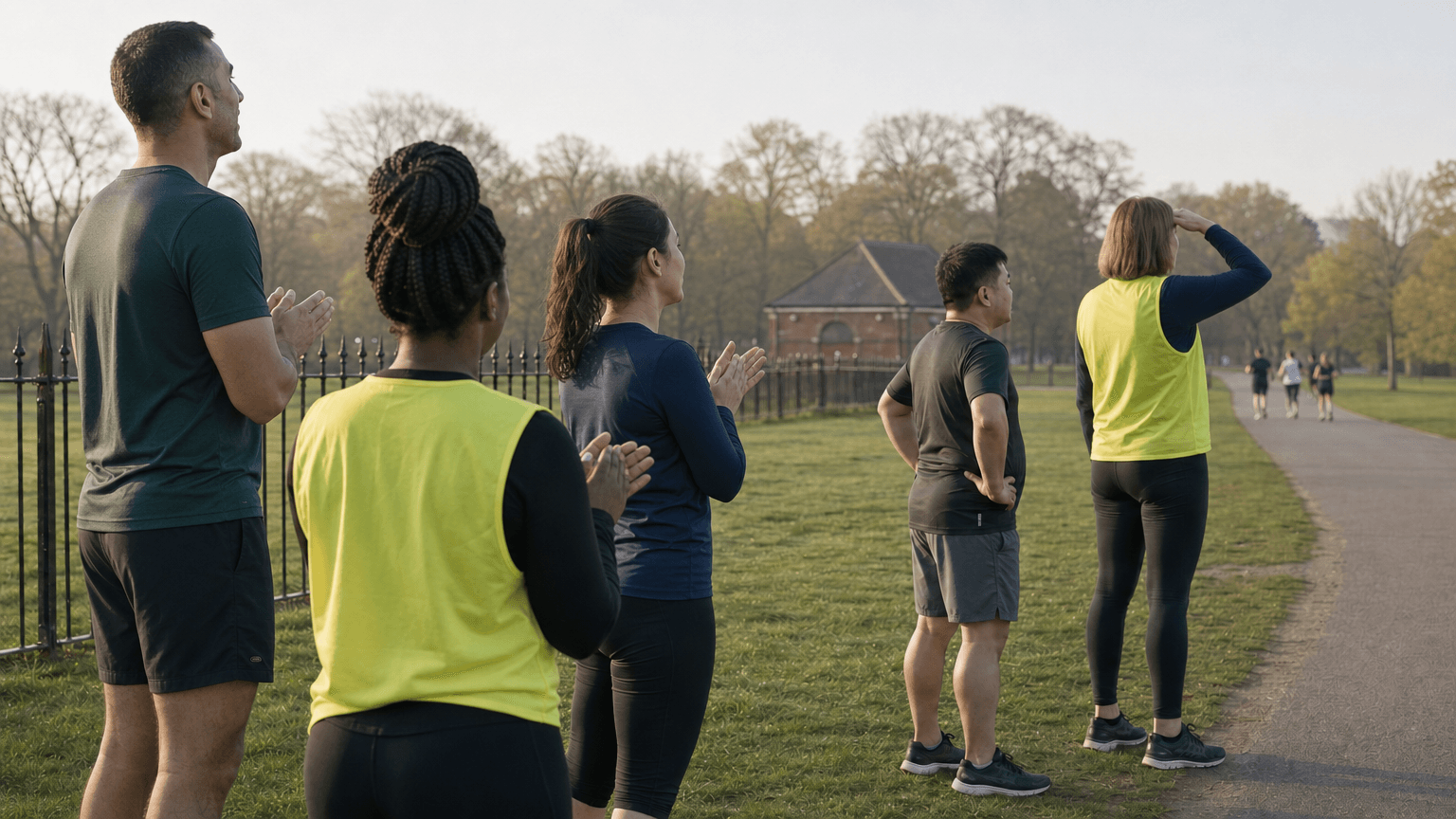

Wellbeing benefits
Why acts of kindness are good for you
Kind acts boost mood and social bonds while enhancing self-belief. You'll likely experience reduced stress, greater emotional clarity and a stronger sense of purpose.
Engaging in kind acts can boost your mood and increase feelings of happiness, creating a positive feedback loop that enhances emotional well-being (Lyubomirsky et al., 2005).
Performing good deeds can lower stress by shifting your focus from personal worries to the needs of others, promoting a sense of calm (Pressman et al., 2005).
Acts of kindness help build and maintain relationships, fostering a sense of belonging and community, which is crucial for mental and emotional health (Cohen & Wills, 1985).
Helping others contributes to a deeper sense of purpose and fulfillment, leading to greater overall life satisfaction (Dunn et al., 2008).
Kindness can even improve physical health by reducing blood pressure and promoting a healthier heart, thanks to the stress relief it provides (Brown et al., 2003).
Common styles
Spontaneous, unplanned gestures such as buying a stranger's coffee, leaving an encouraging note, or holding the door for someone. These simple, impromptu actions spread goodwill in everyday life, brightening people's days in unexpected ways.
Powerful acts performed without seeking recognition, such as anonymously donating money or resources, focus purely on the joy of giving.
In today’s digital world, kindness can be shared online by leaving positive comments, sharing helpful resources or supporting others in online communities.
Self-led, one-on-one, or in a group
Whether you go it alone, join a group, or work 1:1 with a teacher, we’ve laid out what each path can look like.
Recommendation for first-timer
1st pick
Highly recommended for beginners as it allows you to start small and seize spontaneous opportunities to help others in everyday life.
Not picked
-
2nd pick
Great for those who enjoy collaboration; group settings can amplify the impact of kindness, though they require coordination.
Availability
Widely
Opportunities for self-led kindness are everywhere – at home, work or out in the community, with no scheduling needed.
-
-
Moderately
Informal group acts can happen spontaneously but may require organising with friends or neighbours. Availability depends on group willingness and timing.
Average cost per session
Free or low cost
Generally free; any costs are usually minimal, like buying a coffee for someone or writing a note.
-
-
Free or low cost
Often free or low cost, as group acts can involve shared resources or donations, such as contributing to a community clean-up or a kindness project.
Special equipment required
None or minimal
No special equipment is required – just a kind motivation and good communication skills.
-
-
None or minimal
Varies depending on the activity –could be as simple as giving some of your time or buying supplies for care packages. Typically, costs are shared among the group.
Potential for socialisation & community
Social potential
This can vary from private, reflective moments of kindness, though to interactions which can be meaningful and more in-depth.
-
-
Highly social
Excellent for building community bonds and socialising, as these acts are often done with friends, neighbours, or community groups, fostering a sense of togetherness.
Safety & skill building
Safe & fast
Safe and straightforward, focusing on empathy and consideration for others, with no need for supervision.
-
-
Safe & fast
Group settings offer support and collective safety, with opportunities to develop organisational skills, teamwork and community engagement.
Space or privacy required
Minimal
Can be done anywhere, offering flexibility in how and where you show kindness.
-
-
Some required
Typically done in public spaces like parks or neighbourhoods, where privacy is less of a concern but space for group activities might be needed.
Ease of scheduling
Very flexible
Extremely flexible, allowing you to perform acts of kindness when the opportunity arises.
-
-
Need to plan
Requires coordination with others, which might involve scheduling a time that works for the group, making it slightly less flexible than self-led acts.
Setup time
Little to none
Little to no setup time –just act on everyday moments as they are happening.
-
-
Up to 30 mins
May require some preparation, such as gathering supplies or coordinating meeting points for the group activity, but generally minimal setup.
Active practice time
Under 20 mins
Can be as quick as a few seconds or a slightly longer interaction, depending on the act.
-
-
Up to an hour
Group activities may last longer, ranging from half an hour to several hours, depending on the scope of the project or event.
Unexpected advantages
Wholesome
One small act could change the trajectory of your day in an interesting and happy way. You might be surprised to find that it’s a memory you revisit frequently.
-
-
Wholesome
It may just help to bolster your faith in humanity!
Academic research we rate
- Rewards of kindness? A meta-analysis of the link between prosociality and well-being.
Full citationHide citation
- A randomised controlled trial of the Nextdoor Kind Challenge: a study protocol
Full citationHide citation
- Happy to help? A systematic review and meta-analysis of the effects of performing acts of kindness on the well-being of the actor
Full citationHide citation
- Practicing Other-Focused Kindness and Self-Focused Kindness Among Those at Risk for Mental Illness: Results of a Randomized Controlled Trial
Full citationHide citation
- A Longitudinal Experimental Study Examining How and Whether Practicing Acts of Kindness Affects Materialism
Full citationHide citation
Show all 10 studiesShow fewer studies
- Can we increase the subjective well-being of the general population? An umbrella review of the evidence.
Full citationHide citation
- Comparing the effects of performing and recalling acts of kindness
Full citationHide citation
- Good for self or good for others? The well-being benefits of kindness in two cultures depend on how the kindness is framed
Full citationHide citation
- To whom should I be kind? A randomized trial about kindness for strong and weak social ties on mental wellbeing and its specific mechanisms of change
Full citationHide citation
- Kindness and cellular aging: A pre-registered experiment testing the effects of prosocial behavior on telomere length and well-being
Full citationHide citation
Safety
We bet you’re itching to get some kindness out into the world, but it’s worth thinking about it a bit more deeply first and considering how you might go about it. Acts of kindness can be done in different ways, allowing you to choose a style that aligns with your personality and resources. To get the most out of this activity, these tips will help ensure you're set up for success.
- Avoid situations where performing an act of kindness could put you or others in harm's way.
What you might experience
You're about to try your first intentional act of kindness, and there's a tiny voice of doubt. It's natural to wonder if your action will be received well or make any kind of difference. But here's the truth: kindness – no matter how small – can create a ripple effect, often in ways you'd never expect. Even the tiniest gesture can spark a chain reaction of goodwill, brightening someone's day and inspiring them to pass it on.
You might find yourself imagining different scenarios for stepping forward with a kind gesture. Don't be surprised if you feel mildly anxious – it's normal. Take a deep breath and reconnect with your intention. Remember why you're doing this act of kindness.
You offer a smile or a simple compliment, and immediately, there’s a lightness in the air. The other person smiles back, and you feel an unexpected rush of warmth. The small gesture didn’t take much effort, but the effect is real. Kindness feels good for both the giver and the receiver. It’s definitely okay to ask for permission first too, if you are still feeling uncertain.
After performing an act of kindness, you might feel a positive shift in your own mood. It’s surprising how doing something small for someone else can lift your spirits, too. It’s a reminder that kindness isn’t just about others – it also brings joy and fulfillment into your own life.
Now that you’ve experienced how easy and rewarding it is, you might start thinking of more ways to incorporate small acts of kindness into your routine. Whether it’s a kind word, helping a stranger or surprising a friend, kindness can become a habit you want to continue to cultivate.
Check it out
Create & help


Want to try acts of kindness alongside some other activities?
You don't have to build a routine from scratch. Every Burst is a ready-made plan you can schedule in a couple of taps.