
Creating music
music composition, songwriting, music production, writing music
Creating music is accessible to everyone. Start simple, explore your interests and enjoy the process of expressing yourself creatively.
MoreLess
What is creating music?
Creating music is something anyone can try, regardless of background or experience. It’s about expressing yourself and having fun. Start with simple tools and concepts – there’s no need for expensive equipment or formal training. Consider different genres and what styles resonate with you.
You can use various mediums, from your voice, to instruments like guitar, drums or piano, and there are many online apps to help create all kinds of music. These online tools let you experiment with making music without needing to learn complex instruments right away. To mix it up, find some people to collaborate with and combine your ideas, skills – and sounds.
Let us show you how!
Bursts that feature creating music


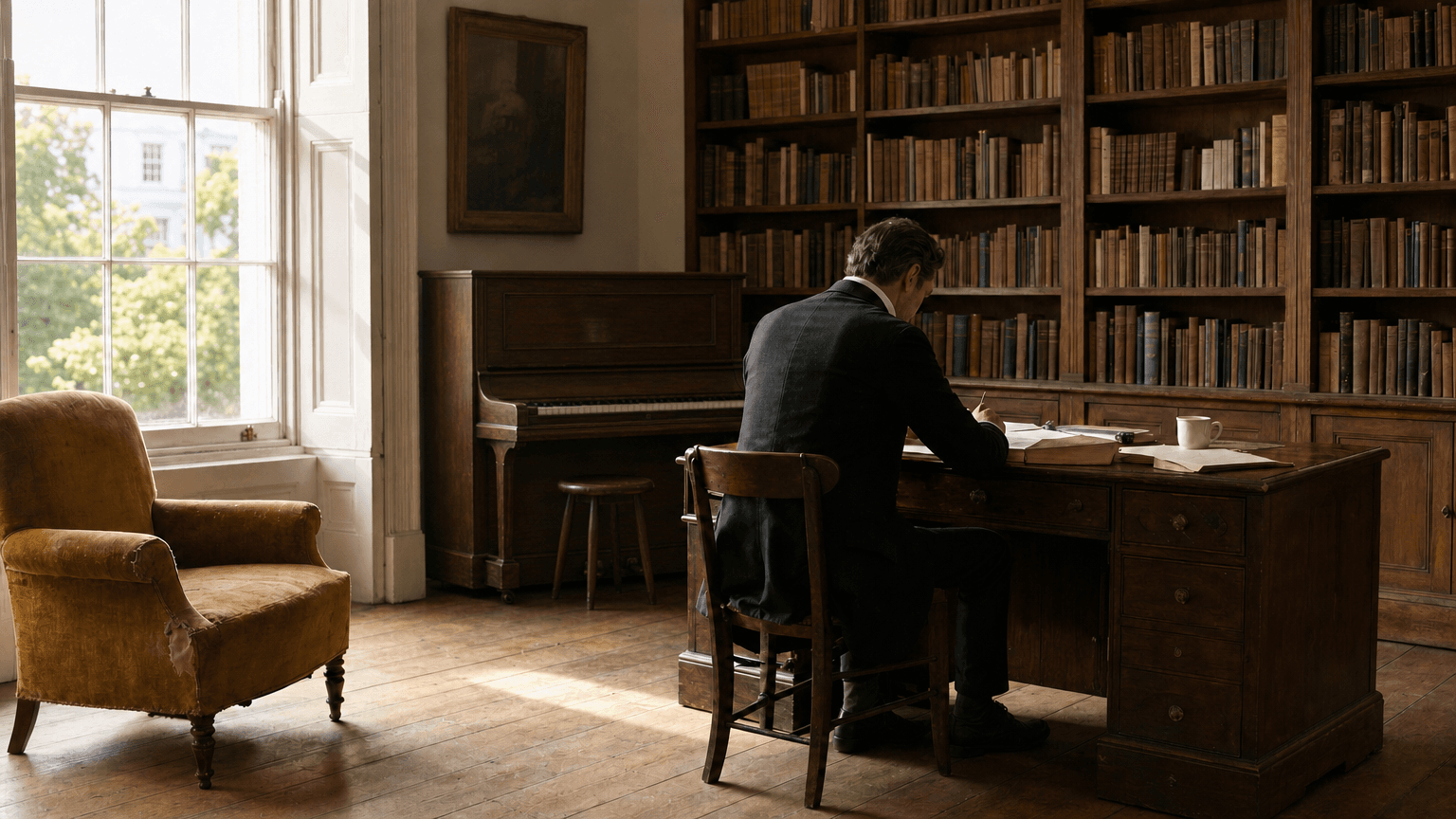

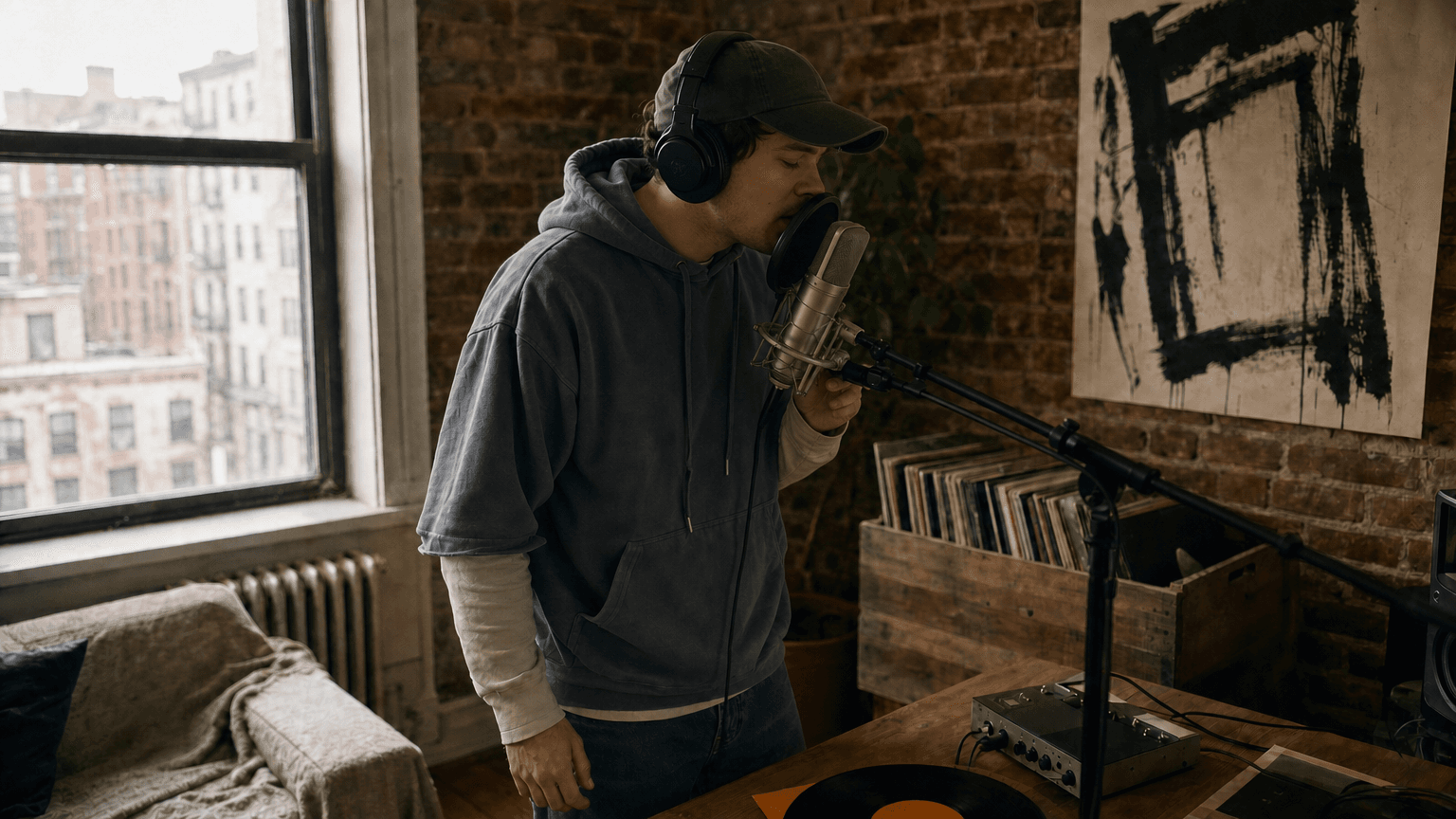
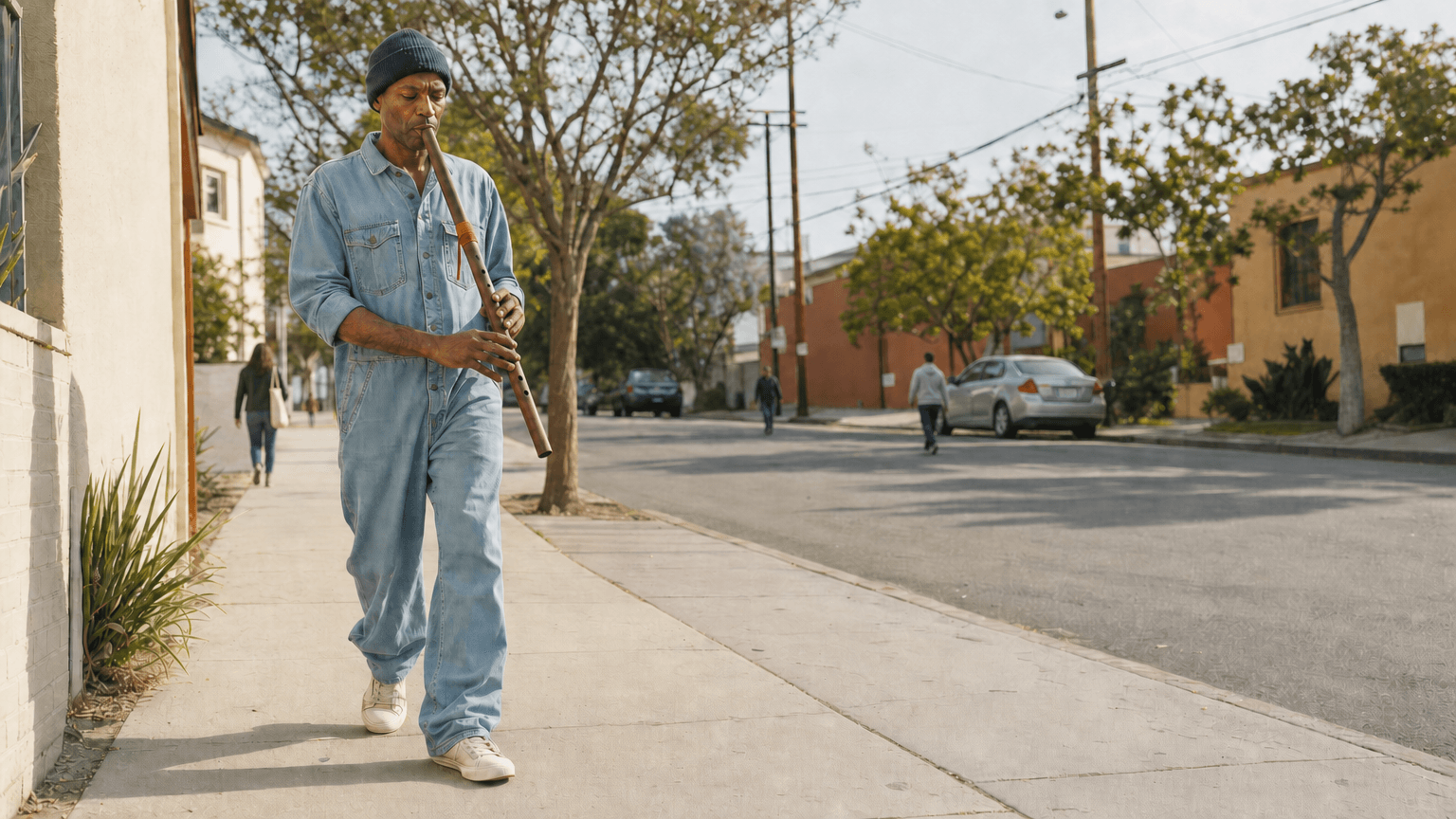
Wellbeing benefits
Why creating music is good for you
Creating music builds self-control and sharpens emotional insight. The creative process enhances creativity, strengthens identity and deepens sense of purpose.
Creating music allows you to channel stress into something positive, offering a productive way to manage and reduce anxiety. The act of composing can be a meditative process, helping to clear your mind and focus on the present moment (Smith et al., 2022).
The process of writing and arranging music requires deep concentration, which can translate into improved focus in other areas of life. By regularly engaging in music creation, you can train your brain to sustain attention for longer periods (Johnson, 2021).
Music is a universal language that transcends words. Through composing, you can explore and express complex emotions, helping to process feelings and achieve emotional clarity (Brown, 2023).
Learning to create music engages multiple brain areas, boosting cognitive abilities such as memory, problem-solving and critical thinking. It’s a workout for your brain that can keep your mind sharp (Doe, 2020).
The act of creating something beautiful and personal, like music, releases dopamine, a neurotransmitter associated with pleasure and satisfaction. This can lead to a greater sense of joy and fulfillment in your daily life (Lee et al., 2019).
Common styles
Music creation offers a variety of approaches, each with its unique flair and possibilities:
involves creating music using instruments like the piano, guitar or violin. It’s perfect for those who enjoy hands-on interaction with their music, allowing for a deep connection with the sound and a tactile experience.
on the other hand utilises tools like DAWs (Digital Audio Workstations) to create music entirely on a computer. This style is popular for electronic, hip-hop and pop music, enabling you to experiment with endless sounds, loops and effects without needing physical instruments.
combines lyrics with melody, focusing on crafting the narrative and emotional content of music. Whether you write for yourself or for others, this style emphasises storytelling and personal expression through words and tunes.
is a more contemporary style, where layers of music are created in real-time using a loop station or software. It’s an exciting way to build complex tracks on the fly (kinda like DJs spinning vinyl back in the day) and is often used in live performances to showcase creativity and improvisation.
Self-led, one-on-one, or in a group
Whether you go it alone, join a group, or work 1:1 with a teacher, we’ve laid out what each path can look like.
Recommendation for first-timer
1st pick
Ideal for tech-savvy beginners who prefer learning at their own pace. Online tutorials or apps offer user-friendly interfaces and step-by-step tutorials, making it easy to experiment and create music from home.
At the very least you can use your own voice or a drum substitute and see what you can come up with.
3rd pick
Best suited for those who want personalised guidance. 1:1 instruction offers tailored feedback and a structured approach, perfect for beginners who need more support and direction.
2nd pick
Great for those who thrive in social settings and learn best through interaction. Group classes provide structure, feedback and a sense of community, which can be motivating for beginners.
Availability
Widely
Available anytime with an instrument or an internet connection. There are many excellent apps, accessible on most devices. This offers flexibility in when and where you create music.
Available any time if you are singing or writing lyrics.
Moderately
Private music teachers can be found online or locally, but scheduling will depend on mutual availability. Offers more flexibility than group classes but less than self-led options.
Moderately
Availability depends on location. Music schools and community centres often offer classes, but schedules and locations may limit access.
Average cost per session
Free or low cost
Most likely free depending on the app. Many apps offer free versions or affordable subscriptions, making this an economical choice for beginners.
Free if you are singing or have access to an instrument.
Expensive
One-on-one instruction tends to be more expensive, but the personalised attention can justify the cost for receiving tailored guidance.
Moderate costs
Costs can vary based on the location and expertise of the instructor, but group rates are generally more affordable than private lessons.
Special equipment required
None or minimal
A computer or tablet with the app installed is typically all you need. You can also use your voice or any other instrument you have access to. Optional extras like headphones or MIDI keyboards can enhance your experience.
None or minimal
You may need to purchase or rent instruments, and possibly other equipment like microphones or interfaces, especially for online lessons. Your instructor will guide you on what’s essential.
None or minimal
Depending on the class, instruments may be provided, but you might need your own if practising at home. Basic accessories like notebooks or sheet music might be required.
Potential for socialisation & community
Social potential
Creating music alone allows for deep focus, but lacks direct social interaction. Online forums and communities can provide some connection. Or get some other people involved and make it collaborative.
Social potential
The one-on-one setting allows for a close relationship with your instructor, but limits broader social interaction. Some online platforms may offer community forums for added connection.
Highly social
Group classes offer built-in opportunities for socialisation and networking. You’ll meet others at your skill level, which can lead to collaborative projects and mutual support.
Safety & skill building
Mixed results
Safe.
Without external feedback, you may develop bad habits or miss out on skill-building opportunities that require a trained ear.
Safe & fast
Personalised instruction focuses on your specific needs, allowing for solid practice and faster skill development. The direct feedback ensures you’re building a strong foundation.
Safe & fast
Instructors can correct mistakes in real-time, ensuring safe practices and helping you build skills efficiently. The structure of classes also supports steady progress.
Space or privacy required
Minimal
This option is flexible and can be done in any private space where you can focus, use an instrument or computer without interruption.
Minimal
If online, you’ll need a private space with a reliable internet connection. For in-person lessons, a dedicated music room or quiet area at home may be required.
Some required
You’ll need to attend a physical location, which may not offer much privacy. However, classes are typically held in environments conducive to learning, like music studios or classrooms.
Ease of scheduling
Very flexible
Extremely flexible. You can practise whenever it suits you, making it ideal for those with irregular schedules or who prefer spontaneous creativity.
Need to plan
Offers more flexibility than group classes, but still requires scheduling with your instructor. Some online platforms offer more adaptable lesson times.
Quite rigid
Classes are scheduled at fixed times, which might not always align with your availability. You’ll need to commit to regular sessions, which could be challenging.
Setup time
Little to none
Quick setup. Simply open your app, tune your instrument or warm up your voice and you’re ready to start creating. Perfect for those who want to jump into music-making without a lot of preparation.
Up to 30 mins
Depending on whether the lesson is online or in-person, setup may involve travel, preparing instruments and materials, or connecting with your instructor via a platform.
Over 30 mins
Includes travel time to the class location and setting up instruments once there. The extra effort is balanced by the structured environment.
Active practice time
Under 20 mins
You can spend as little or as much time as you like. Short sessions are possible, making it easy to fit music creation into a busy day.
An hour +
One-on-one lessons usually last about an hour, allowing for focused practice with direct feedback. This setup is ideal for making steady progress.
An hour +
Classes typically last between 45 minutes to an hour, providing enough time to learn and practise but requiring a more significant time commitment.
Unexpected advantages
Random
Privacy might allow you to be braver and experiment with sounds you normally wouldn't.
You might meet new neighbours who want to know what you’re up to.
Actually useful
You’ll get tailored advice that addresses your strengths and weaknesses, often resulting in quicker mastery of musical concepts.
Actually useful
Group classes provide not just education but also inspiration from others. You might be introduced to new genres, instruments or techniques you wouldn’t explore on your own.
Academic research we rate
- Association of Music Interventions With Health-Related Quality of Life
Full citationHide citation
- How Do Music Activities Affect Health and Well-Being? A Scoping Review of Studies Examining Psychosocial Mechanisms
Full citationHide citation
- Creativity, music, and quality of later life: A systematic review
Full citationHide citation
- The role of music in promoting health and wellbeing: a systematic review and meta-analysis
Full citationHide citation
- The impact of musicking on emotion regulation: A systematic review and meta-analysis
Full citationHide citation
Show all 10 studiesShow fewer studies
- The role of music participation in positive health and wellbeing outcomes for migrant populations: A systematic review
Full citationHide citation
- Examining arts and creativity in later life and its impact on older people's health and wellbeing: a systematic review of the evidence
Full citationHide citation
- What works for wellbeing? A systematic review of wellbeing outcomes for music and singing in adults
Full citationHide citation
- What works for wellbeing? A systematic review of wellbeing outcomes for music and singing in adults
Full citationHide citation
- Why do we enjoy creative tasks? Results from a multigroup randomized controlled study
Full citationHide citation
Safety
You are probably eager to get started and see what you can create. But before you do, there are some important things to keep in mind. Creating music could be a life long endeavour, and these tips will ensure that the sounds you create are just the beginning.
What you might experience
Opening the app for the first time, you’ll be raring to go, filled with hope and enthusiasm, ready to hear how good your music sounds. You may soon realise though there’s a lot to explore, and while it’s easy to get started, you might take a few minutes just figuring out where everything is. Don’t worry – getting familiar with the layout is part of the process.
As you dive into the instruments, you’ll find yourself experimenting with different sounds. Some will click right away, while others might make you cringe. It’s normal to feel a bit of confusion at this point about what sound you are actually going for. But that’s a common feeling even for seasoned creators and also what makes it interesting – finding the combinations that start to feel right.
When you hit record, it’s a bit nerve-wracking. Your first attempt might have sounded better in your head, and that’s okay. Maybe you miss a note or the rhythm isn’t quite right, but with a few adjustments and another take, you might even get something you’re proud of. It’s all about trial and error.
Mixing your track can be tricky, but it’s where the magic starts to happen. Adjusting volumes, panning and adding effects might feel a bit clunky at first, but with some patience, you’ll notice your music beginning to come together. It’s not perfect, but it’s your creation, and you’re learning how to work through a creative process.
After some time tweaking and playing back your track, you finally have something to listen to. It might not be a hit single, but it’s a start. The process had its ups and downs, but there’s something incredibly satisfying about hearing your own music come to life. Use this as a learning process and know that every artist and musician has many attempts to find their own style.
Check it out
Create & help


Want to try creating music alongside some other activities?
You don't have to build a routine from scratch. Every Burst is a ready-made plan you can schedule in a couple of taps.