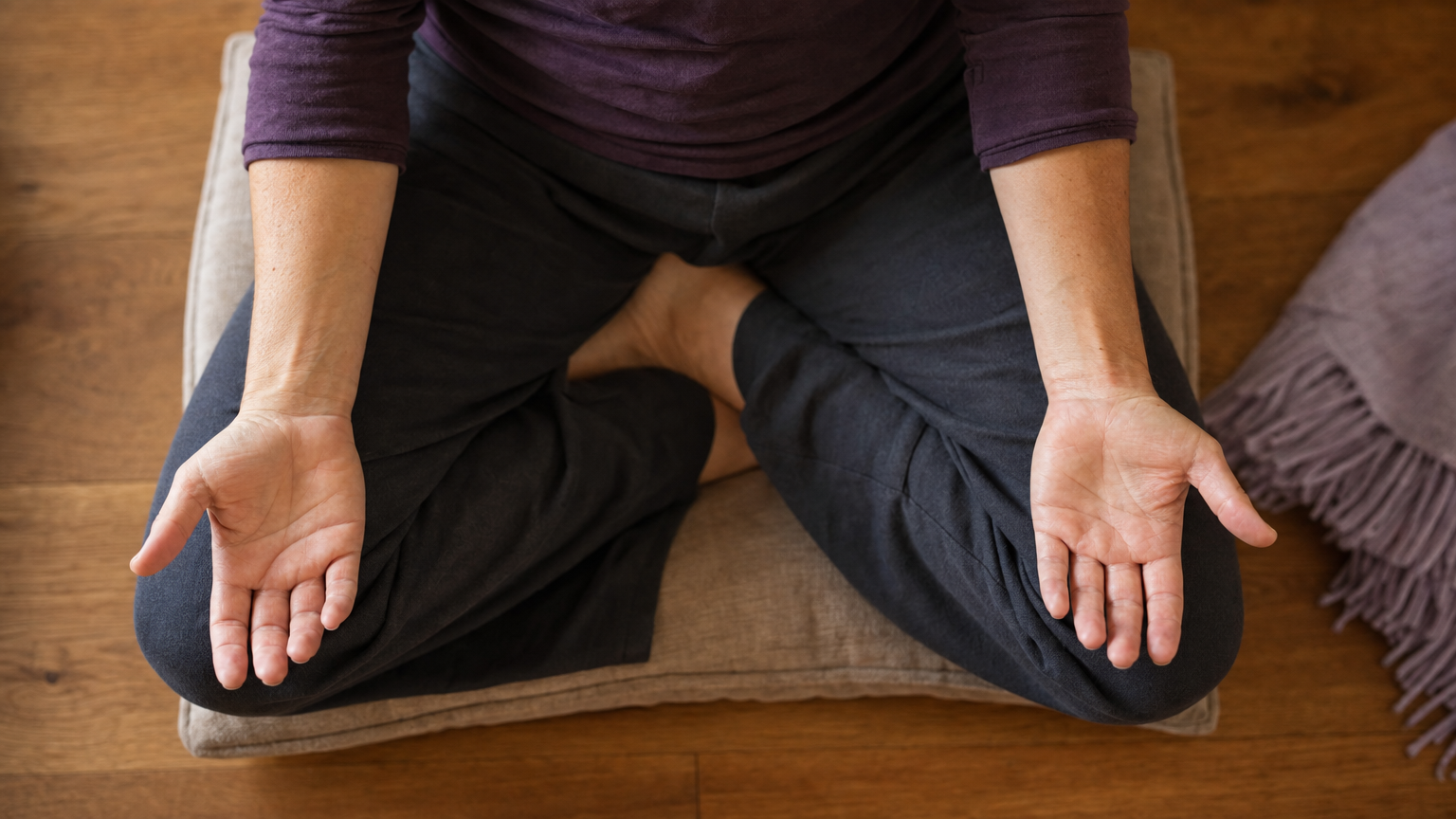
Slow exhale
Breath work

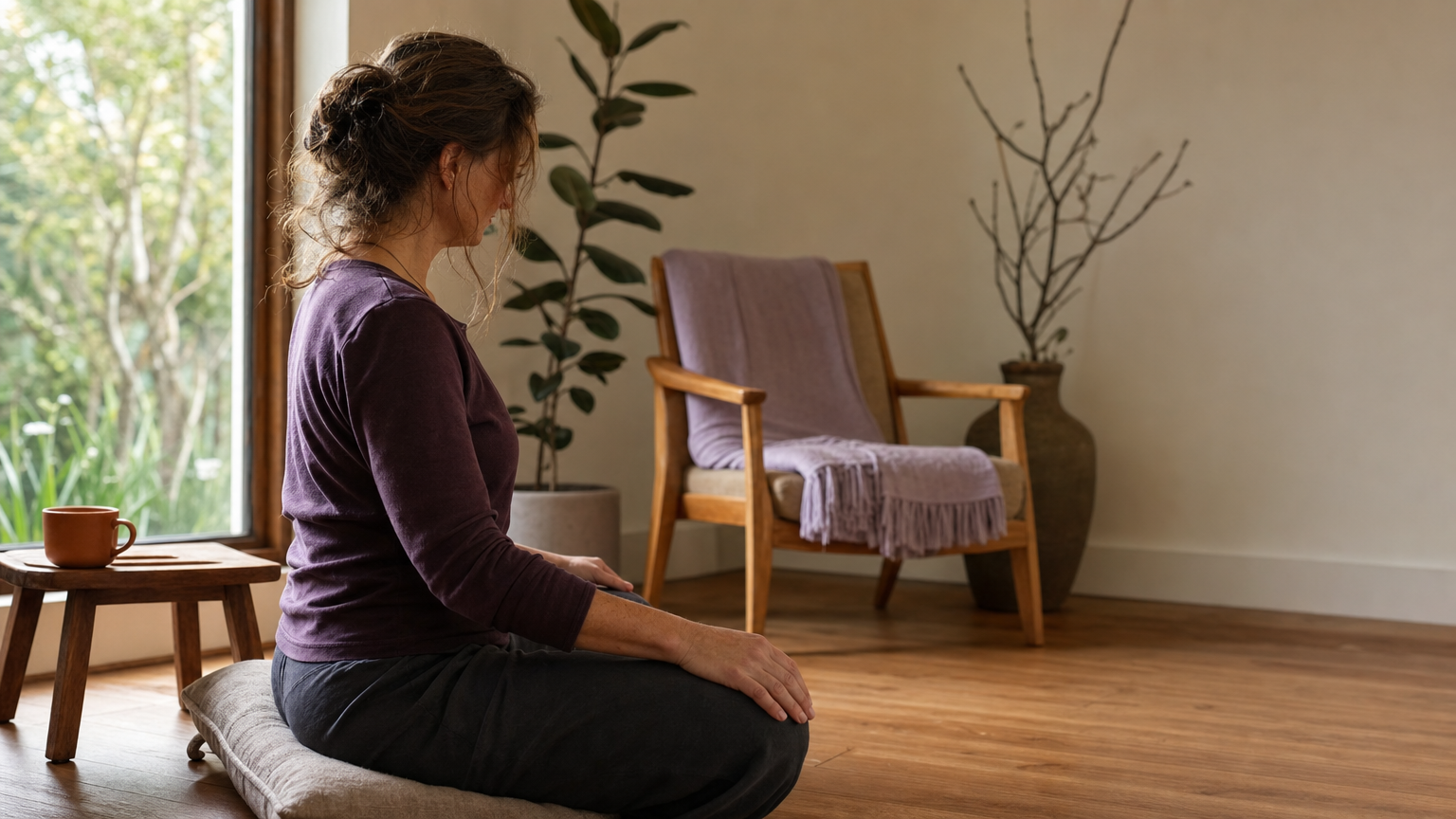
Jessica teaches the slow exhale as the entry point to the parasympathetic system. Fifteen minutes of nasal breath with longer exhales than inhales. No counting required; the breath is doing the work, not the maths.

You can do this Burst for free in the Bearmore app. It walks you through each activity, step by step. Pick a time and we'll get it ready for you.

Breath work
Jessica teaches the slow exhale as the entry point to the parasympathetic system. Fifteen minutes of nasal breath with longer exhales than inhales. No counting required; the breath is doing the work, not the maths.
This is a strong combination because controlled breathing primes you to meet cold water with composure instead of a gasp, making the shower invigorating.

Cold showers
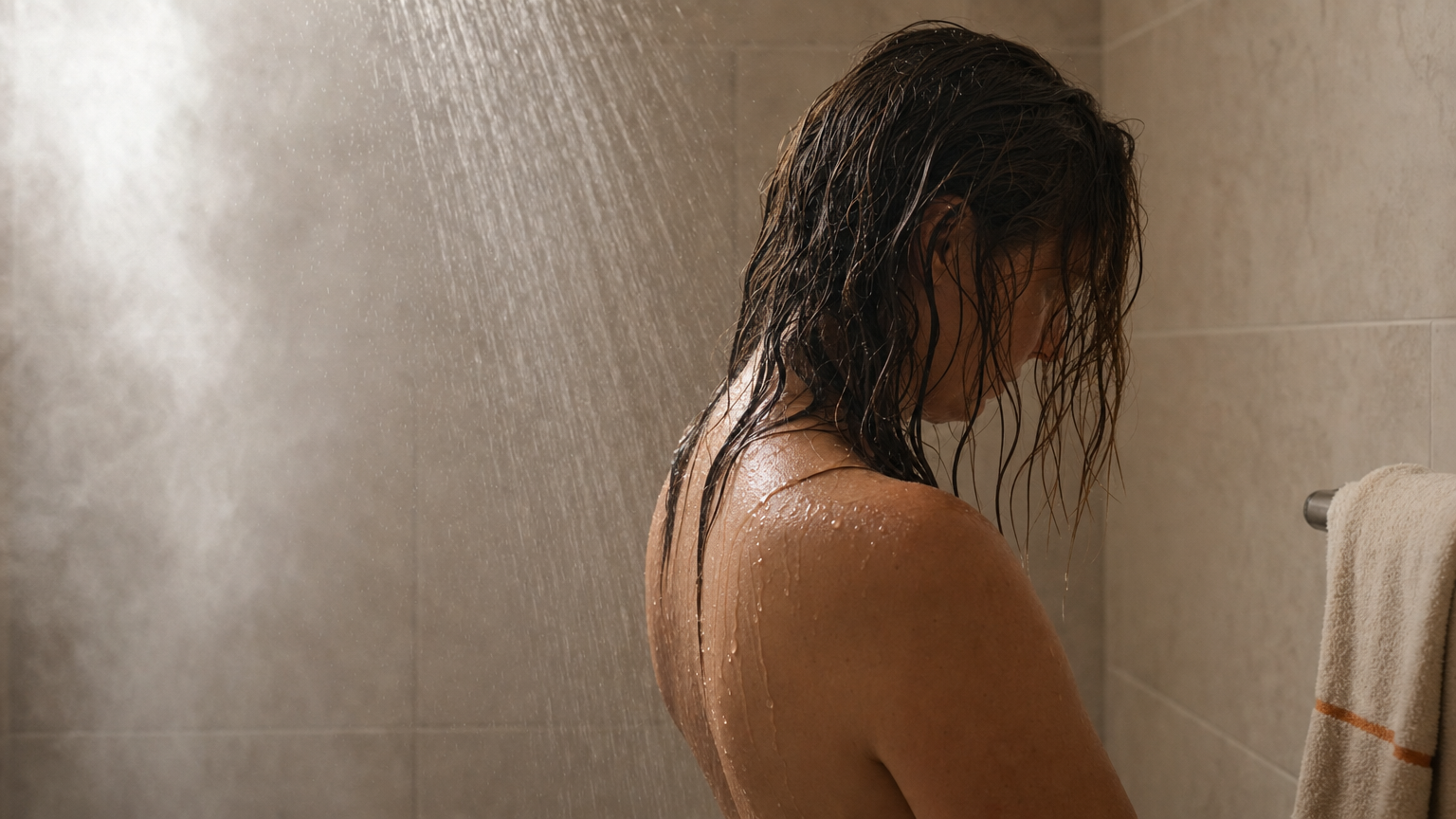
Jessica names brief cold exposure as one of the fastest vagus-nerve interventions you can run. Two to three minutes cold at the end of an otherwise normal shower.
This can be a good pairing because the heightened body awareness from cold could carry over into vivid, attentive scanning.

Body scan
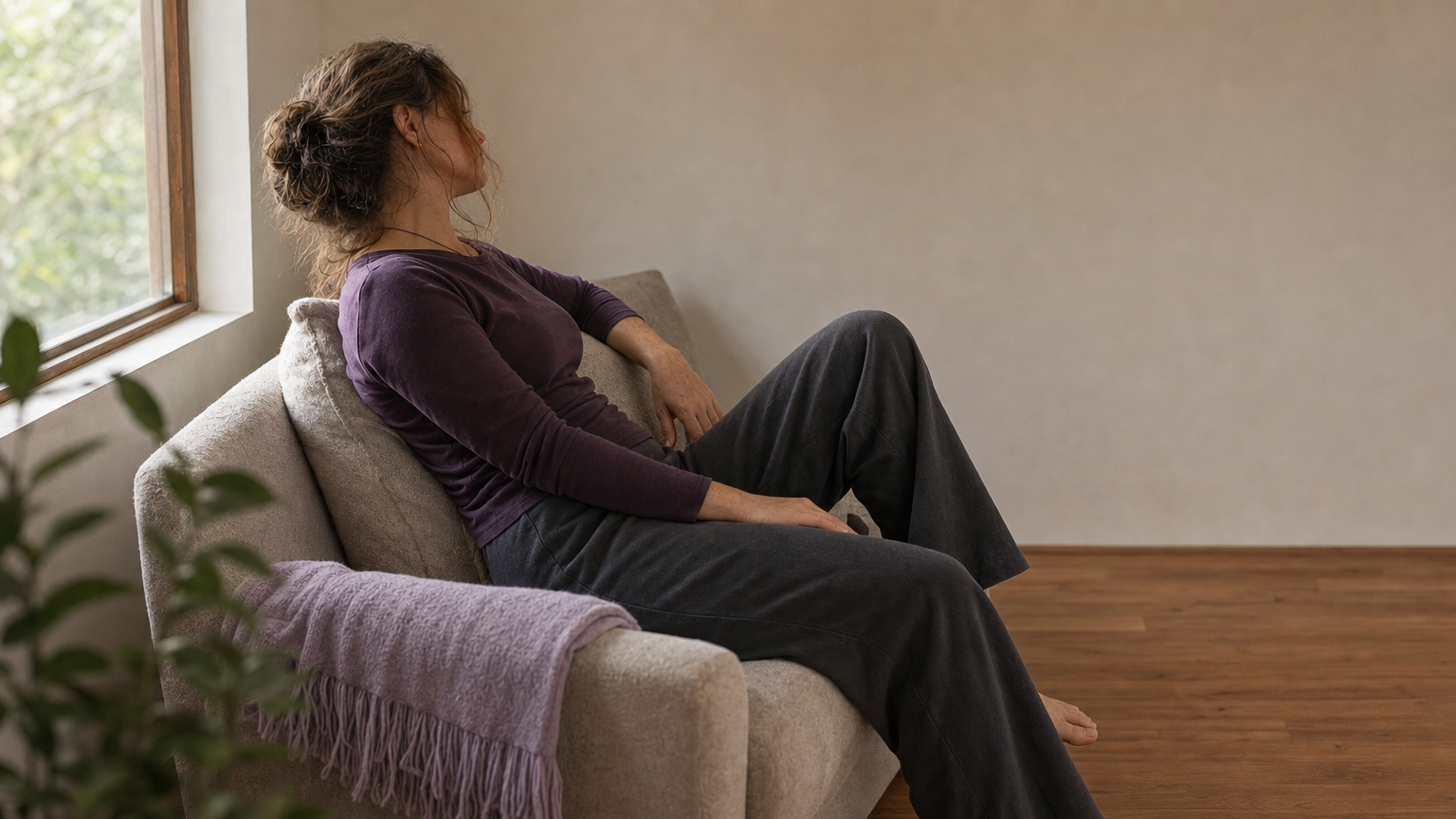
Jessica's body scan is witnessing what is already there rather than an attempt to fix it. Fifteen minutes moving attention through the body, naming sensations without trying to change them. The noticing is the practice.
This is a strong combination because the scan tells you which spots actually need attention, so stretching lands where it matters and stops short of strain.

Stretching
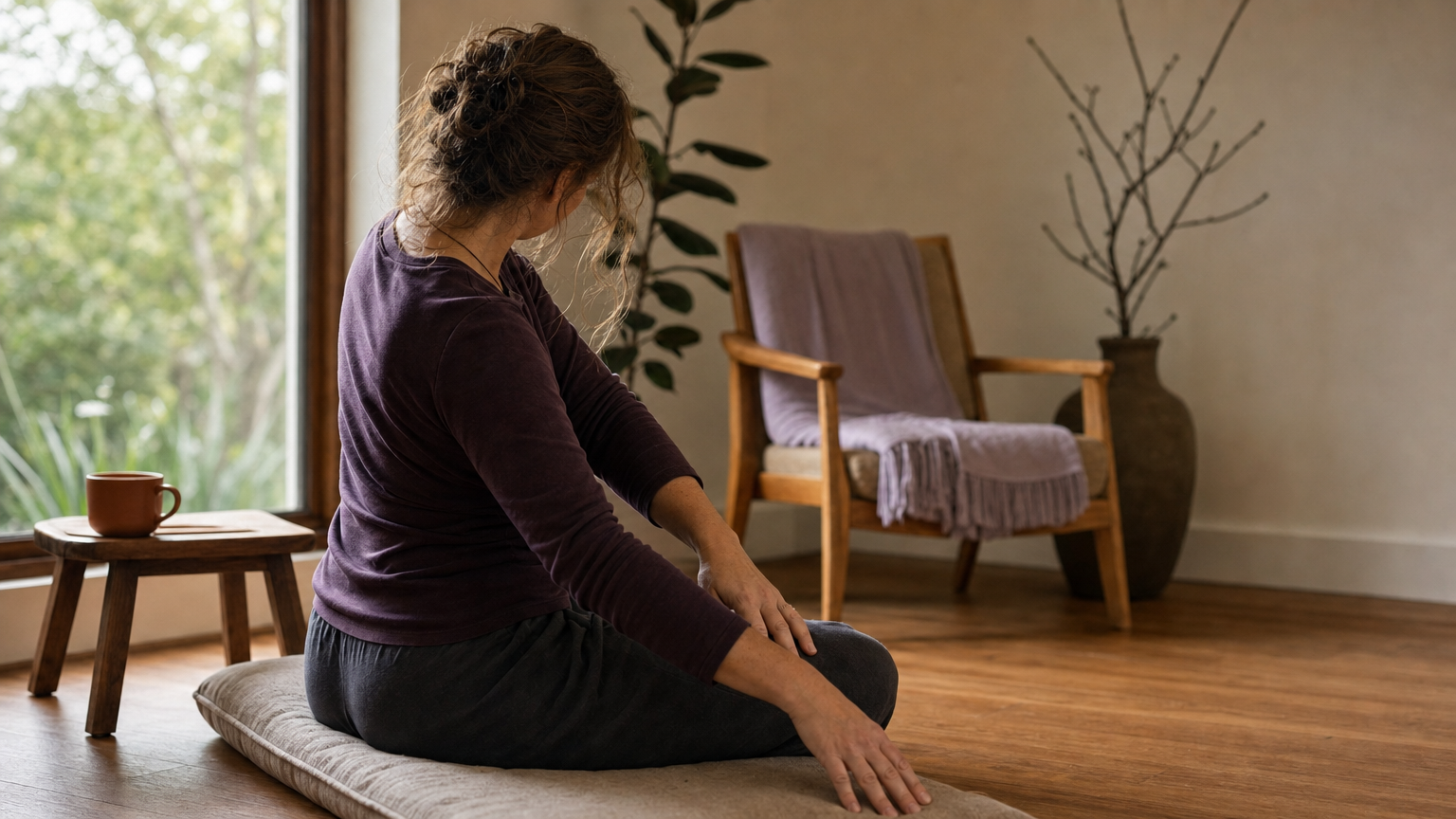
Her mobility work is more about felt presence than range. Ten minutes moving through positions slowly enough that the body actually shows up. Hips, shoulders, jaw. Notice the tension and work with it, don’t try and get rid of it.