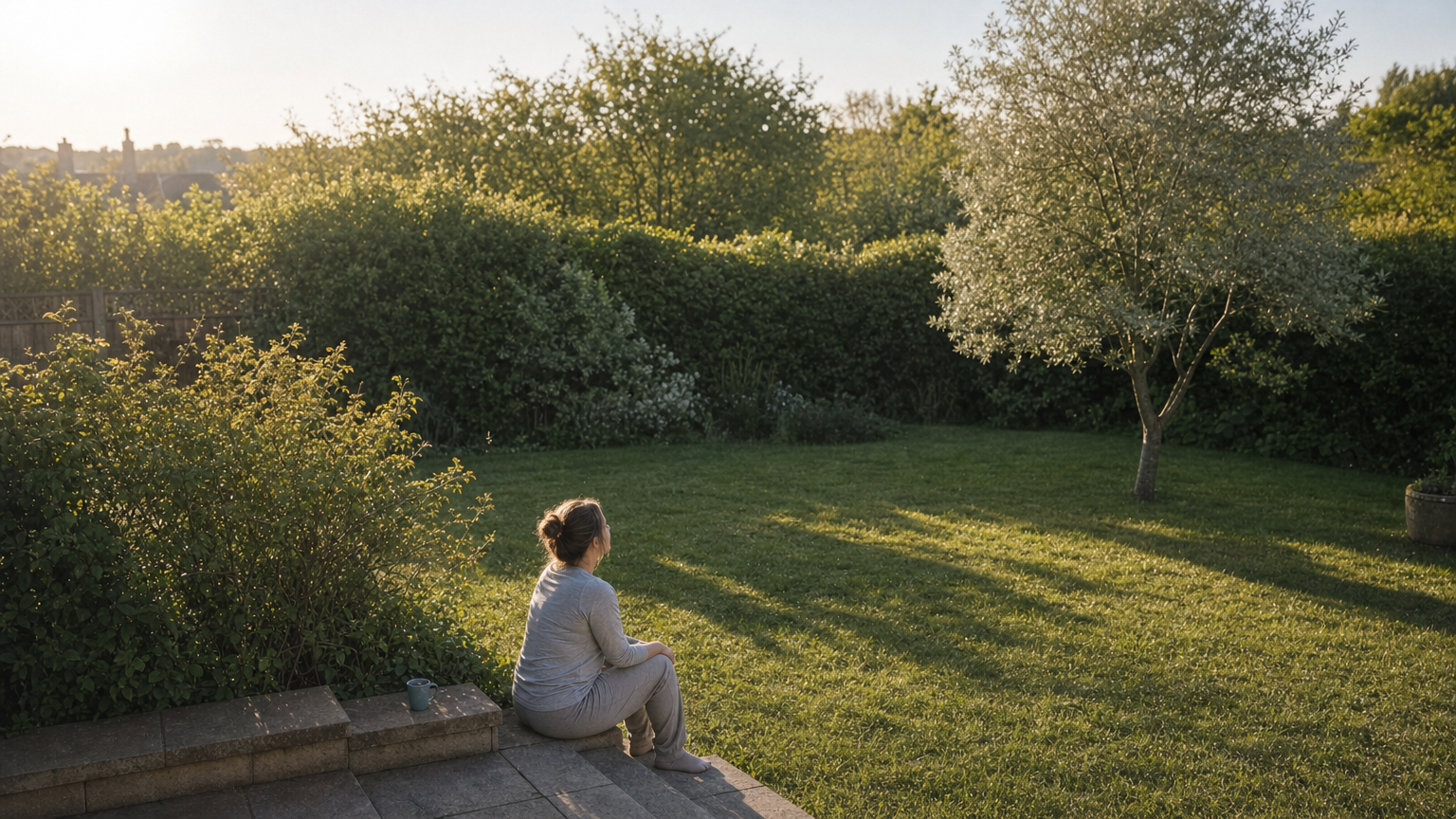
Out for the light
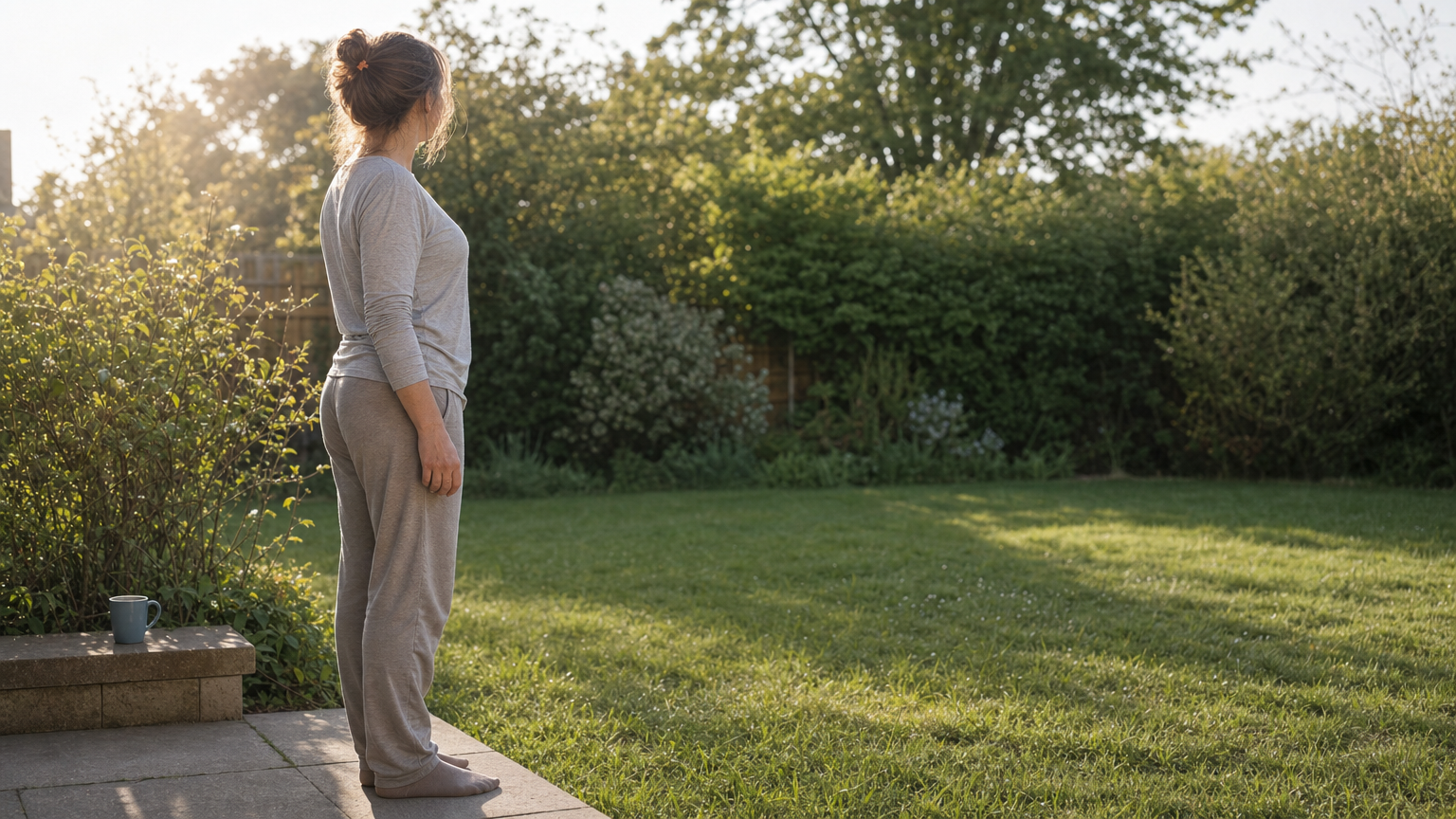
Being in nature

Twenty minutes in early sunlight is one of her most-repeated prescriptions. The sun, the air, your eyes uncovered. Hormonal rhythm and circadian timing are connected; she treats them as the same lever.

You can do this Burst for free in the Bearmore app. It walks you through each activity, step by step. Pick a time and we'll get it ready for you.

Being in nature
Twenty minutes in early sunlight is one of her most-repeated prescriptions. The sun, the air, your eyes uncovered. Hormonal rhythm and circadian timing are connected; she treats them as the same lever.
There's a useful connection here because stretching can feel especially good after walking or sitting outdoors.

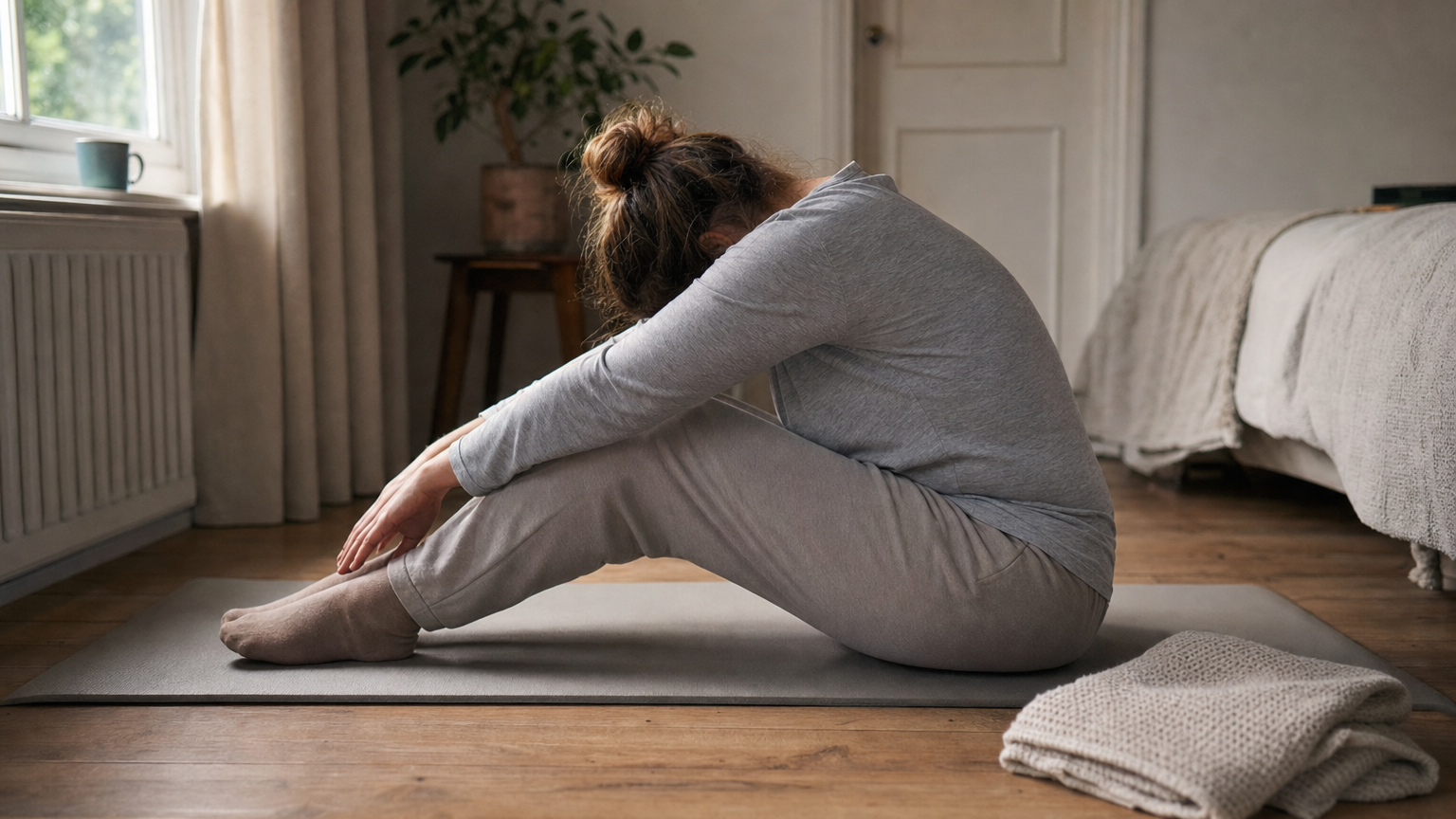
Stretching
A short stretch to wake the body up without spiking it. Naji's framing on stretching is somatic rather than performance: ten minutes of slow movement so your body can come online.
This can help because body awareness and any relaxation can enhance more complex breathing practices.

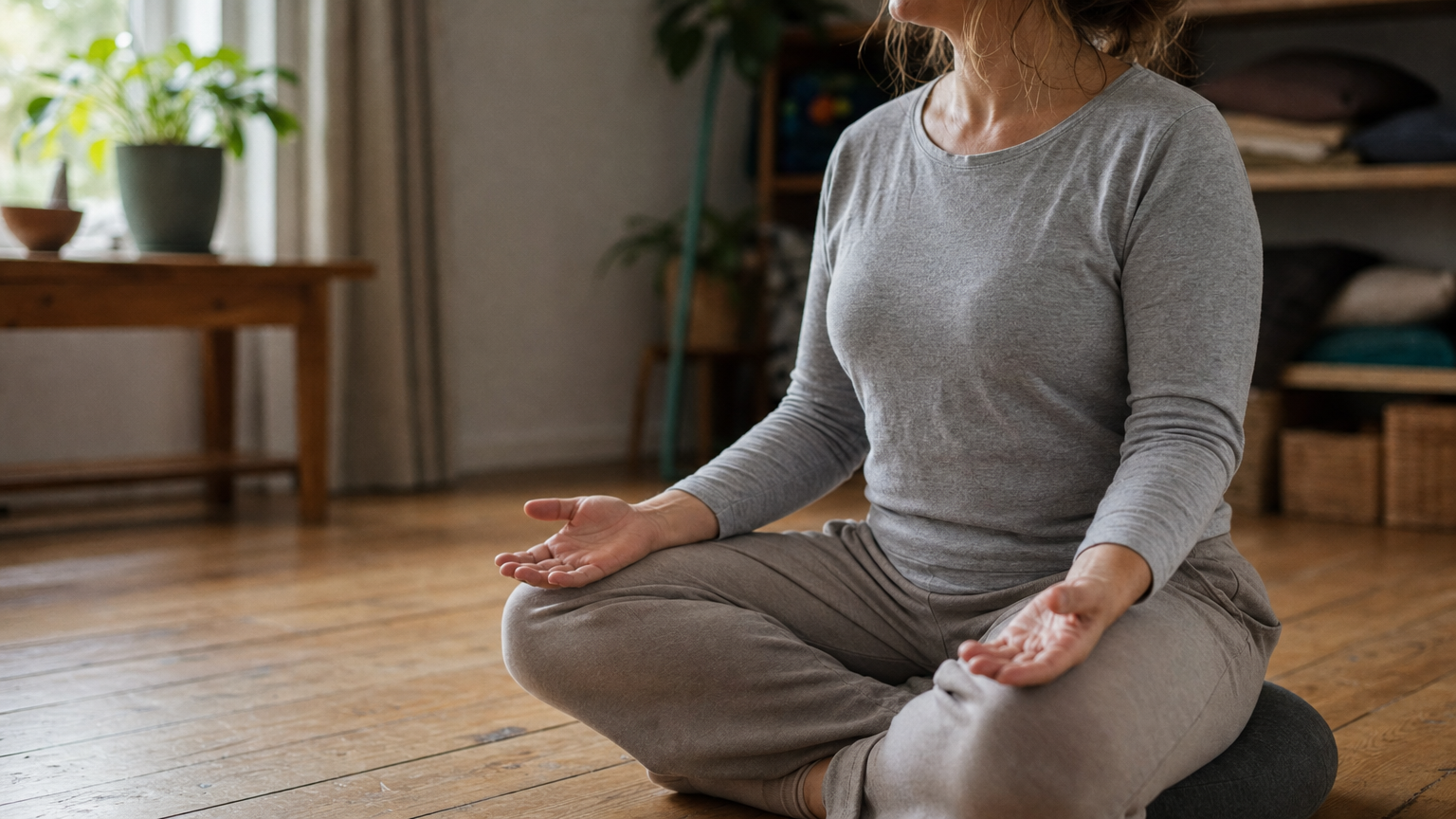
Breath work
Naji's nervous-system content names slow breathing as a primary lever for the morning's cortisol rhythm. Fifteen minutes of slow nasal breath, longer exhales.
This is a strong combination because controlled breathing primes you to meet cold water with composure instead of a gasp, making the shower invigorating.

Cold showers
Naji has posted about brief cold exposure as a vagal-tone and cortisol-rhythm tool. Two to three minutes cold at the end of a normal shower. Not the morning's centrepiece; but a small lever, done consistently.
This can help because the chill heightens contrast, so warm food textures and flavours register clearly.

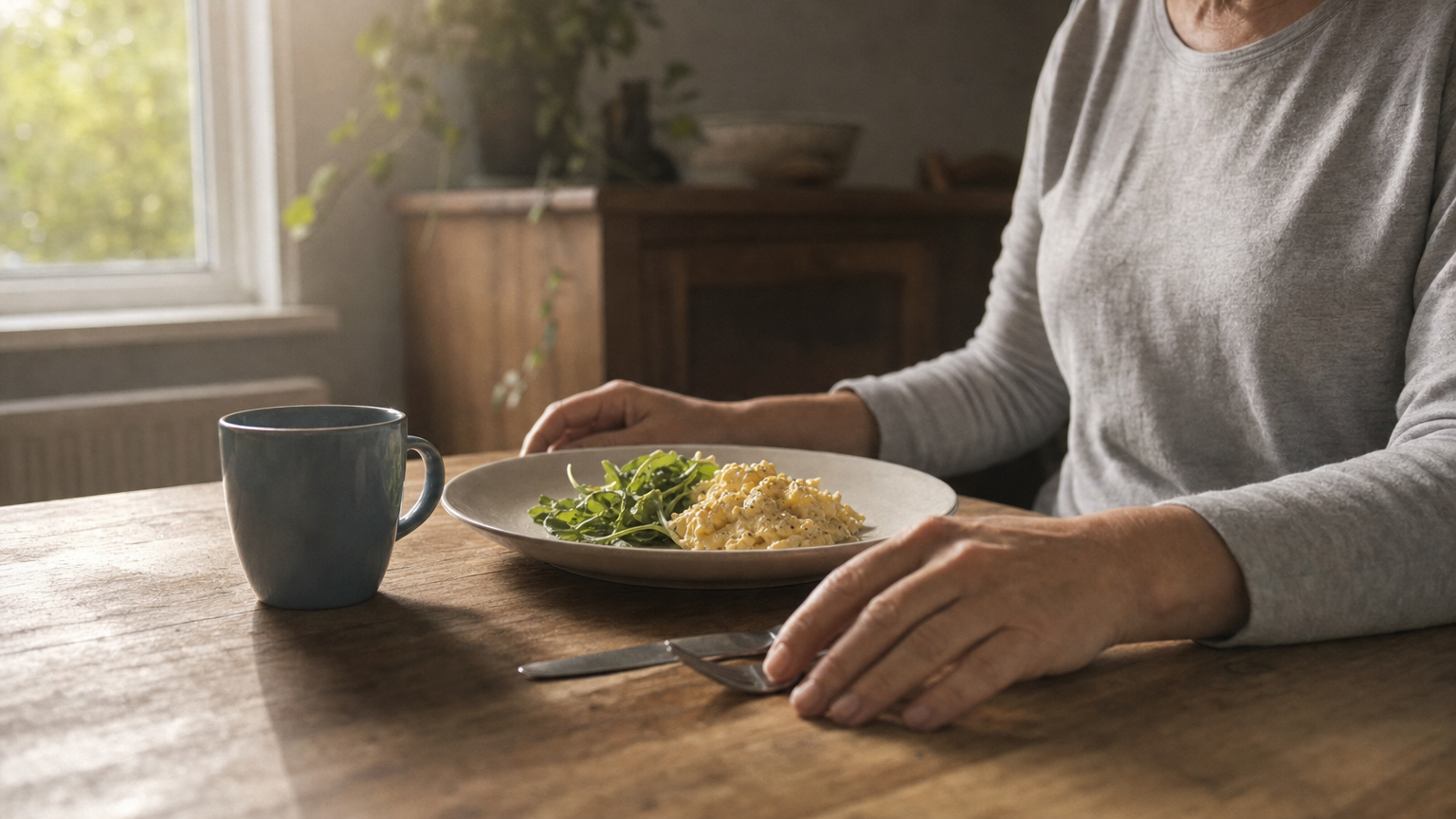
Eating (mindful)
Her content names a protein-first breakfast as the anchor for hormones. Fifteen minutes to eat it, sat down rather than rushed at your desk.