Twenty minutes of TM
Mantra

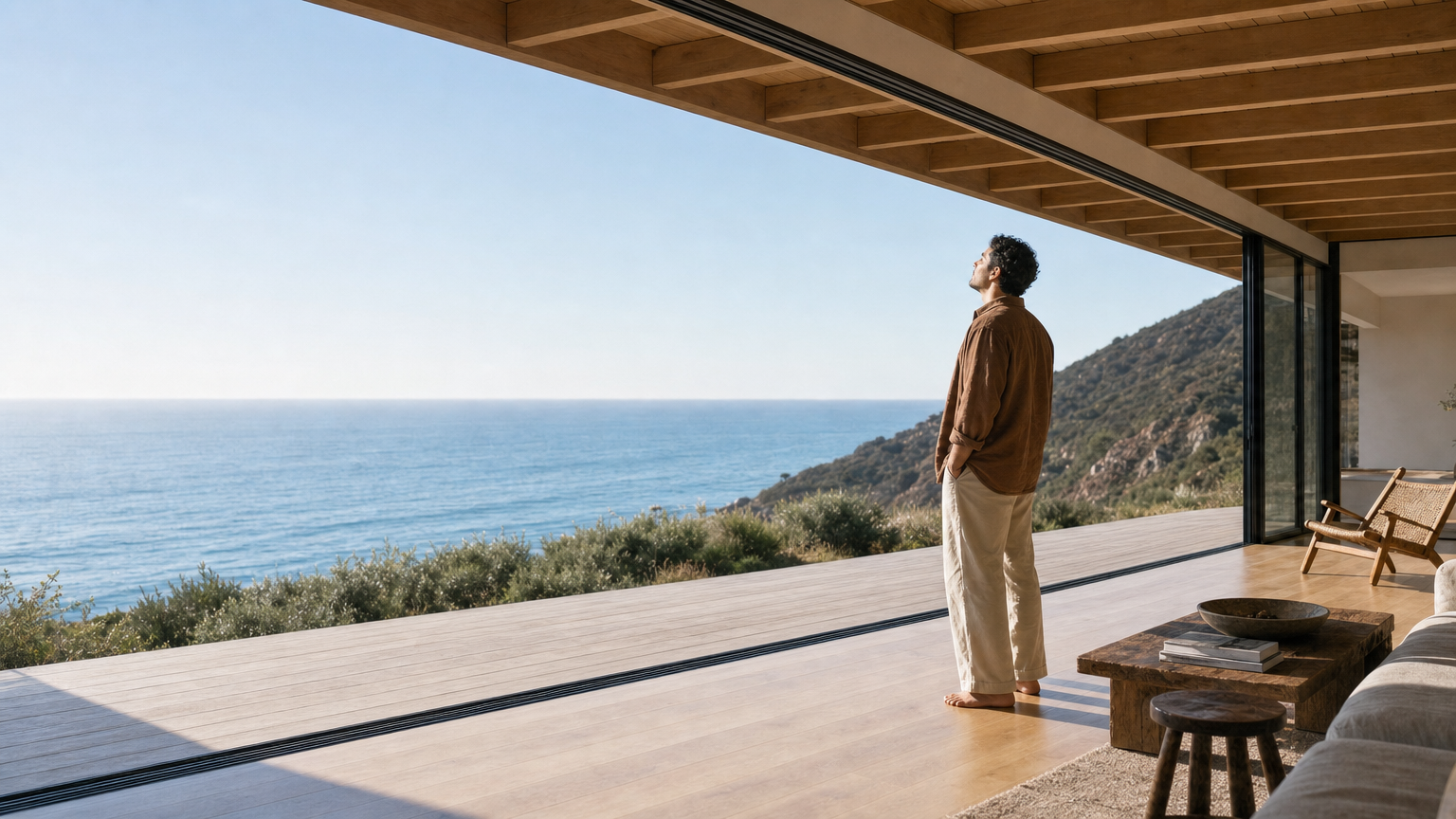
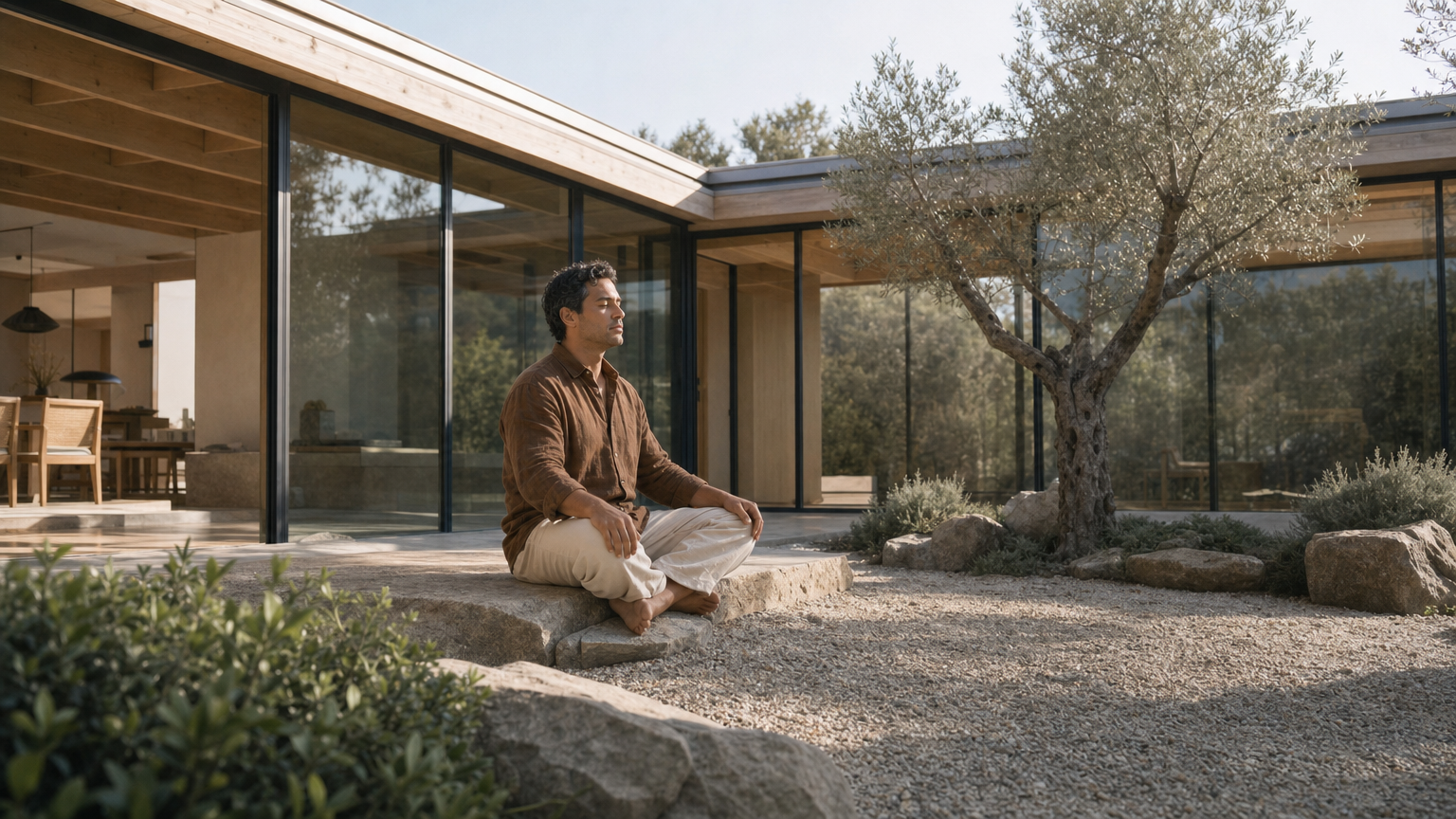
Rubin has practised Transcendental Meditation for decades, usually twenty minutes first thing, often sitting up in bed. TM uses a silently repeated mantra; if you don't have one, any word or sound you repeat will work.

You can do this Burst for free in the Bearmore app. It walks you through each activity, step by step. Pick a time and we'll get it ready for you.

Mantra
Rubin has practised Transcendental Meditation for decades, usually twenty minutes first thing, often sitting up in bed. TM uses a silently repeated mantra; if you don't have one, any word or sound you repeat will work.
This pairing is especially effective because silent chanting settles mind and breath, so structured breathing starts already in smooth rhythm.

Breath work
Once he’s finished meditating, he goes outside for a few minutes and breathes slowly in the sun. The count is simple, in for five, out for six. That longer exhale is the useful bit.
This can be a good pairing because regulated breathing prepares you to handle sauna heat without feeling smothered.

Sauna
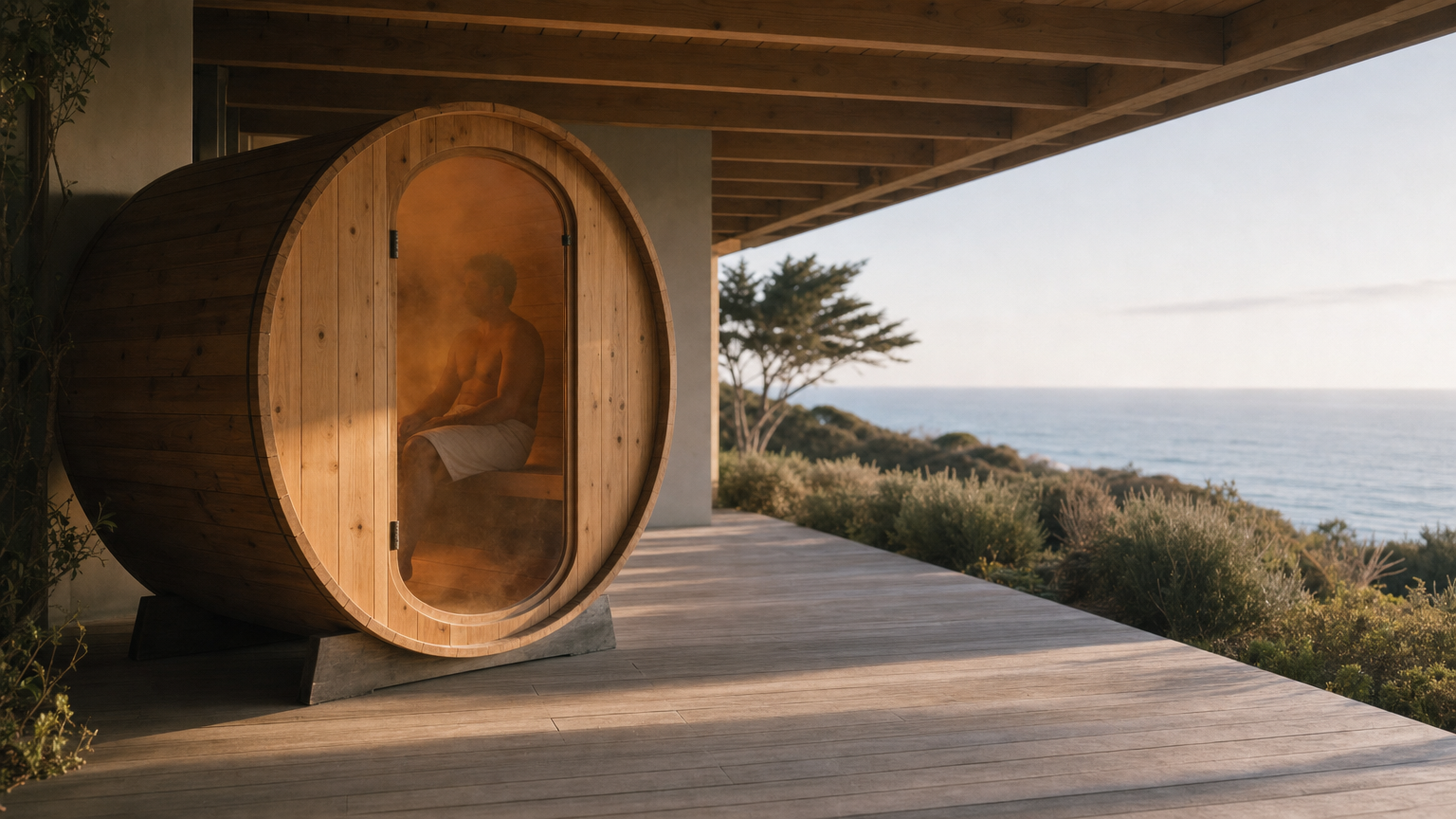
Heat is one half of a deliberate contrast Rubin uses to experience what he calls moments of awe. Let it build slowly and stay with the discomfort. A long hot bath or shower are good substitutes if you don't have a sauna.
This is an excellent pairing because the classic hot-then-cold contrast can support circulation, recovery, and alertness.

Cold plunge
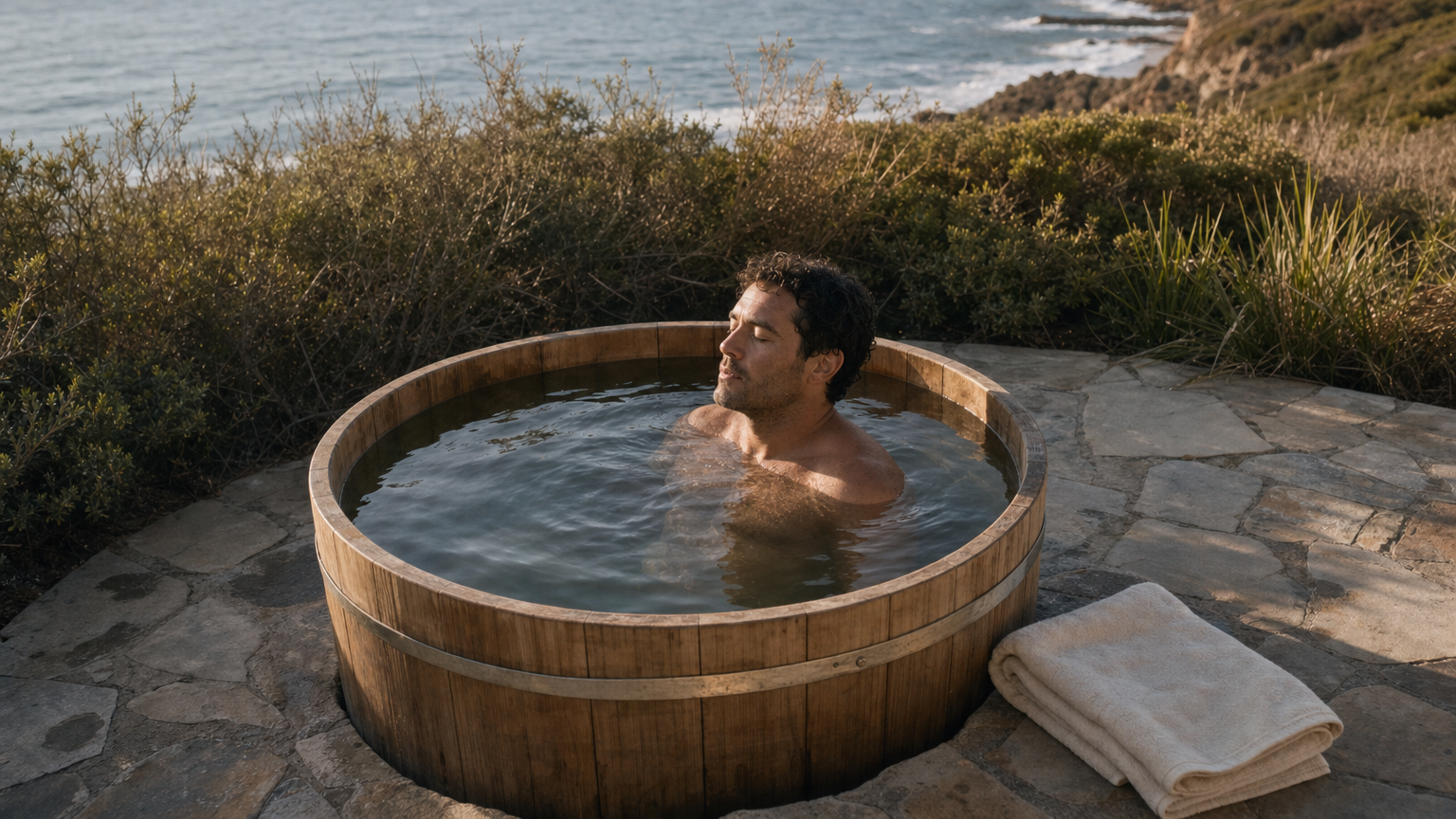
Straight from the heat into an ice bath, staying as long as he comfortably can. The shock is the point; it drops you fully into the present. A cold shower is a fair substitute, and two to three minutes is plenty.
There's a useful connection here because the plunge wakes the senses, so stepping outside you catch breeze, birdsong, and colour more vividly.

Being in nature
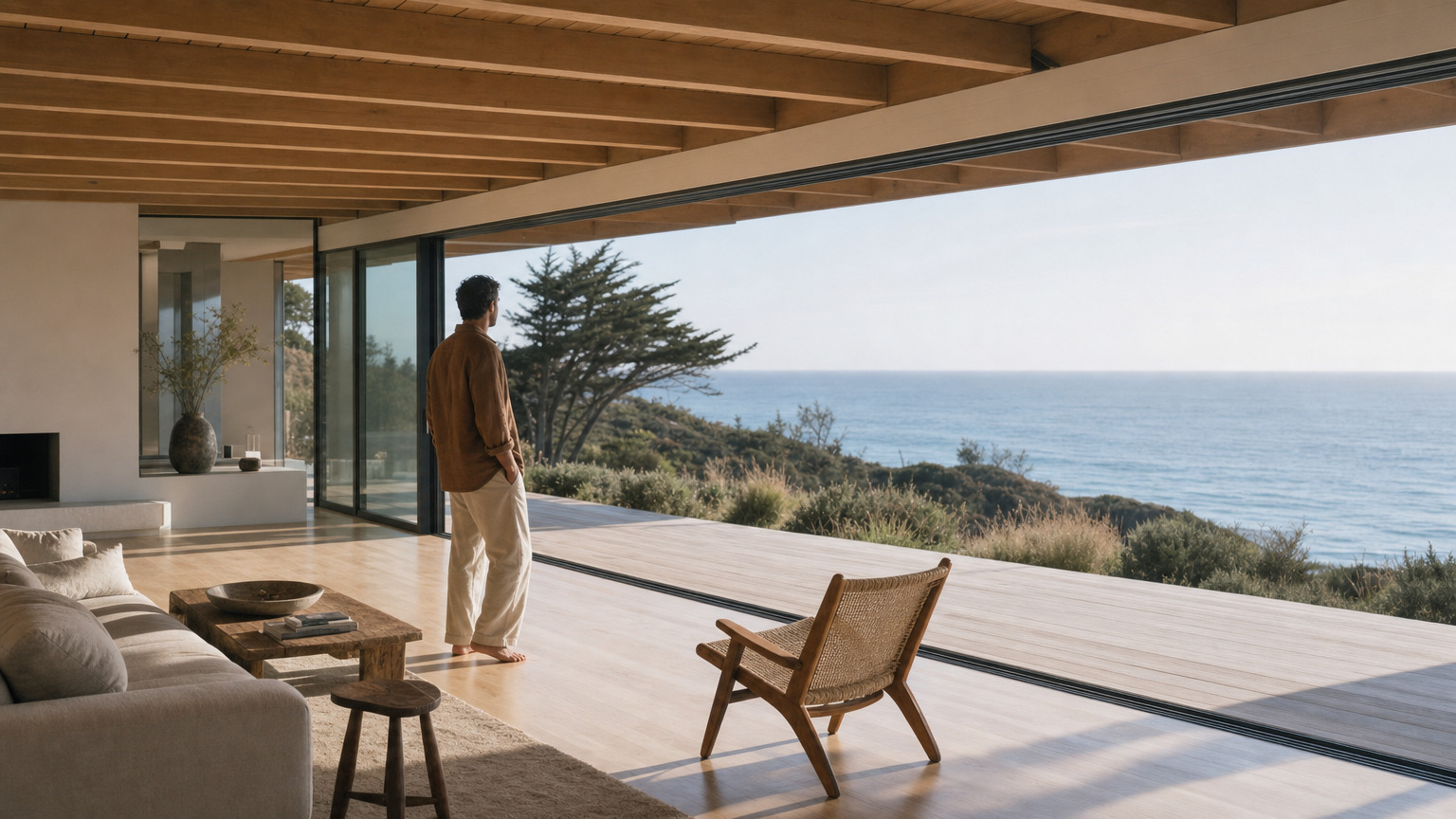
Rubin walks and often meditates outdoors, knowing that these relaxed walks are often where ideas surface. No phone, and no destination. A slow loop of a park or a quiet street can do the same work as anywhere wilder.
This can be a good pairing because a meal afterwards gives time to process any calm feelings from being outdoors.
Lunch, away from screens
A deliberate break between the morning and the creative work. Eat unhurried and stay away from screens.
This can be a good pairing because returning blood sugar supports creative attention, though keep playing gentle if you're still digesting.

Creating music
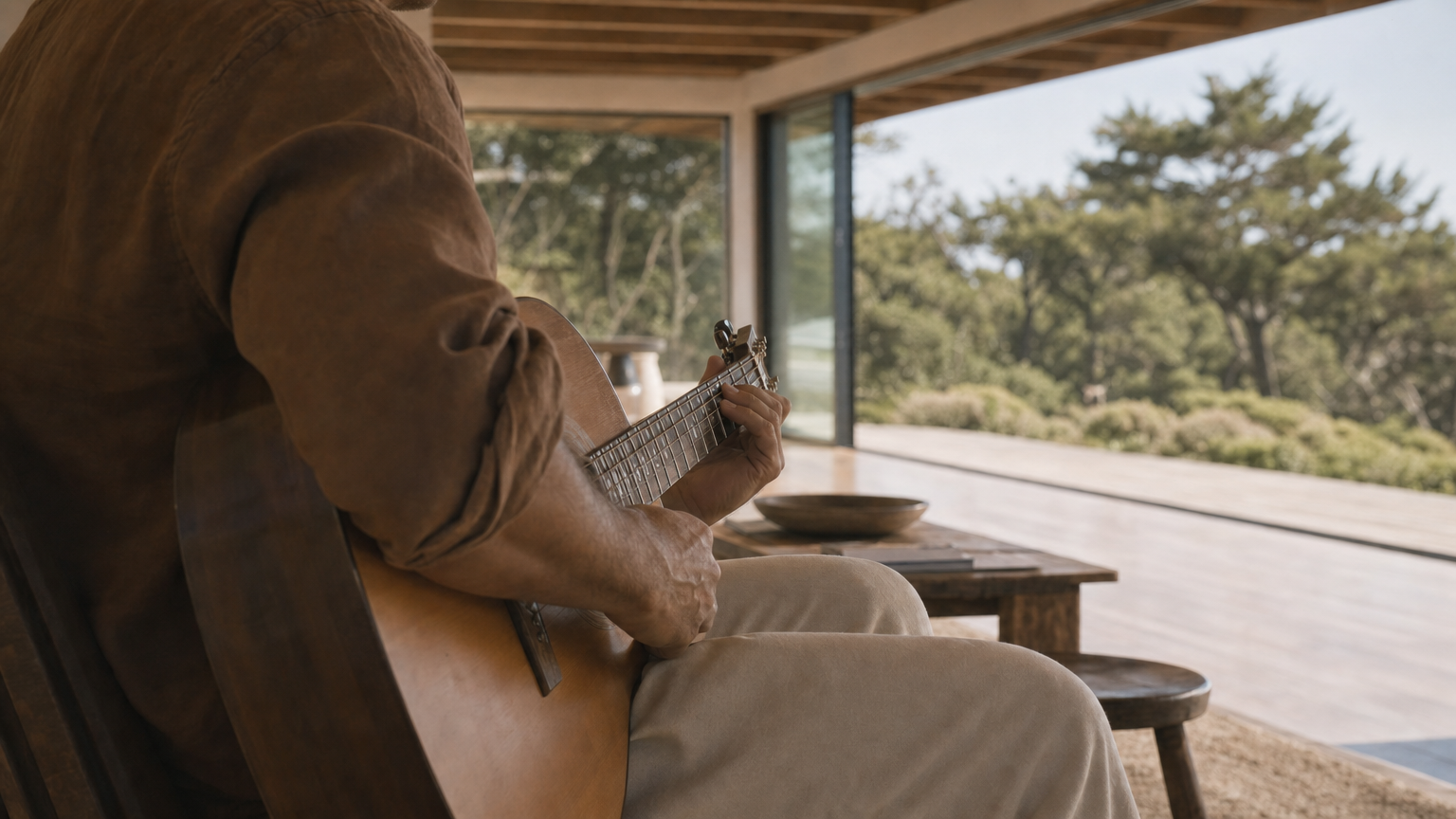
Rubin's creative time is hands-on work on the music itself. You don't need a studio; any way of creating music will work. Use your voice, an instrument or a repeating sound. The aim is to create, it doesn’t need to arrive at an outcome that makes sense to anyone else.
There's a useful connection here because crafting can channel any leftover creative energy into hands-on craft making.

Craft
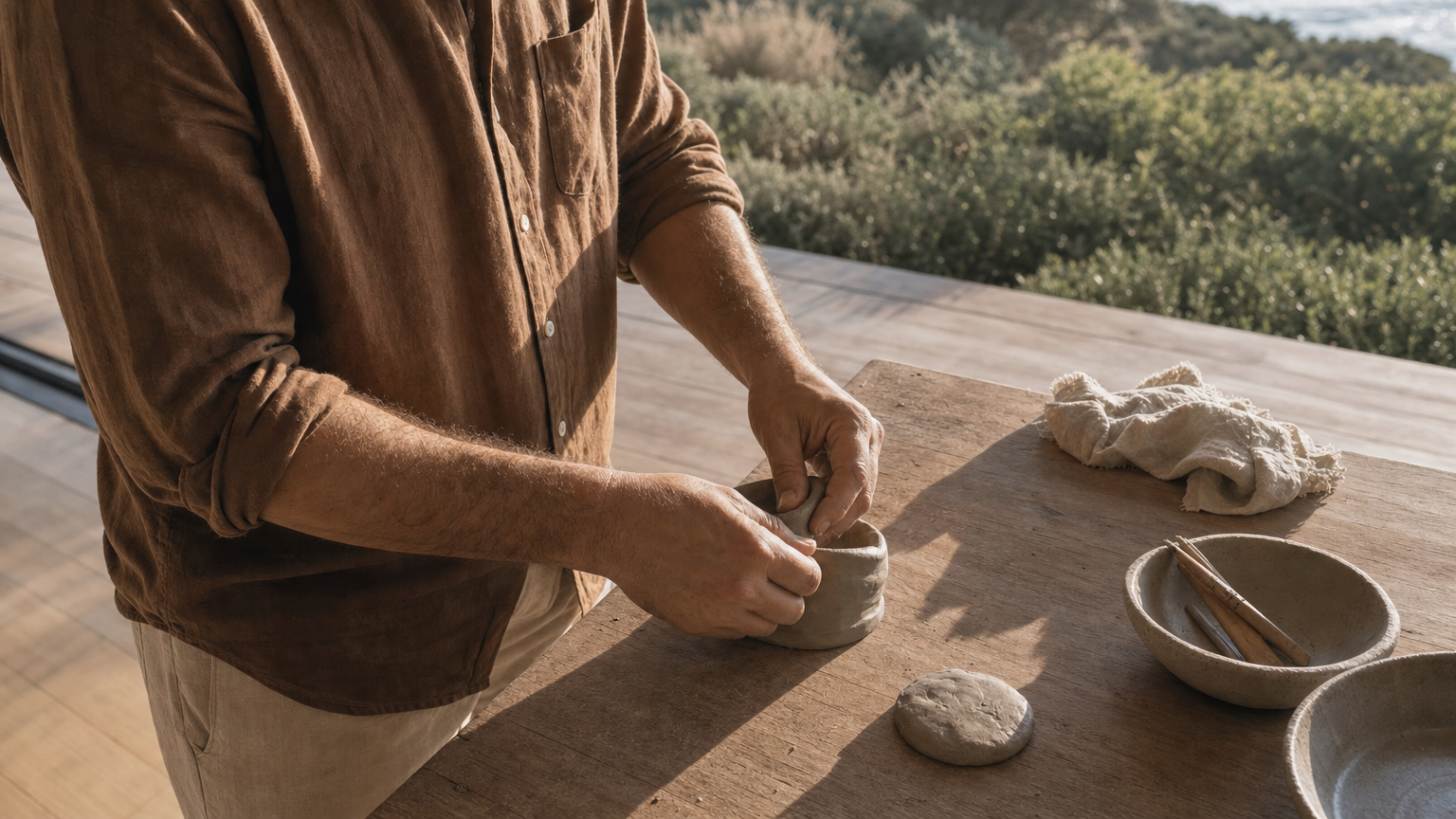
This session extends his idea that creativity is a way of being rather than a job title: spend the time making something by hand, any medium, with no outcome in mind.
This works well because craft can loosen up thoughts, and writing afterwards is a way to catch any insights or feelings that surfaced while making your chosen art.

Journaling
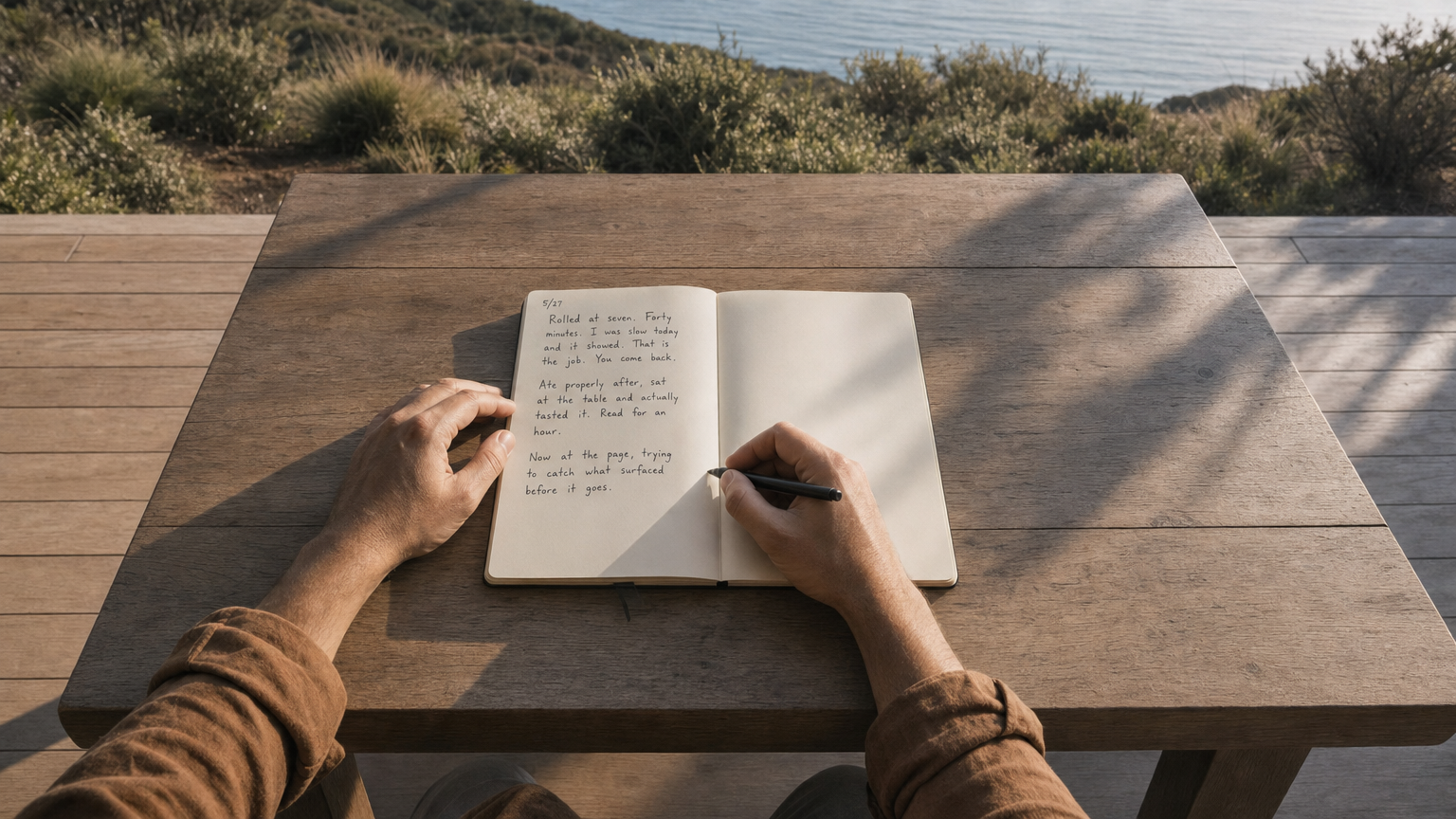
Rubin keeps notebooks to save his ideas before they pass, a habit that runs through The Creative Act. It’s not a neatly kept diary, its a place to collect ideas, messy, finished or unfinsihed.